#net-zero-heating
#net-zero-heating
[ follow ]
#sustainability #renewable-energy #energy-efficiency #climate-change #data-centers #heat-pumps #fossil-fuels


Renovation
fromYanko Design - Modern Industrial Design News
8 hours agoThe Urban Gable Park Is What Happens When a Tiny Home Builder Stops Making Compromises - Yanko Design
The Urban Gable Park offers a spacious, well-designed tiny home experience with full amenities, prioritizing comfort and functionality over traditional tiny home limitations.





fromThe Art Newspaper - International art news and events
4 days agoSustainability charity Gallery Climate Coalition launches new consultancy to support climate action
"The idea for a dedicated consultancy arm actually predates GCC's launch in 2020. Right from the beginning, it was clear that while shared standards, tools and advocacy are essential, many organisations would require hands-on, tailored support to implement meaningful change."
Arts
fromElite Traveler
6 days agoMeet Zero: The Renewable Superyacht With a World-First Power System
Zero eliminates diesel engines entirely, replacing them with an all-electric power and propulsion system with a DC grid at its core, and photovoltaic-thermal panels that capture the light and heat of solar energy.
Alternative transportation


fromwww.theguardian.com
1 day agoIn my apartment block's Room of Unlimited Magical Recycling Possibilities' I found not just freebies, but friends
The magic room was a community effort, maintained by many residents volunteering their time to keep it well organised and running smoothly. I often saw my neighbour, Wendy Showyin, when I stopped by.
Renovation
New York City
fromCity Limits
4 days agoThousands More NYCHA Apartments to Get Heat Pumps and Electric Stoves, As Mamdani Sets New Sustainability Targets
Mayor Mamdani commits to sustainable upgrades in NYCHA housing, including energy-efficient systems and electric vehicle charging over the next five years.
Real estate
fromRedfin | Real Estate Tips for Home Buying, Selling & More
5 days agoMoving Into a Home With Solar Panels: What to Know Before and After Closing
Moving into a home with solar panels involves understanding ownership responsibilities, verifying system performance, and gathering essential documentation.
fromSustainable Bus
6 days agoMarket, policy and operations in focus for zero-emission intercity buses, at Sustainable Bus Tour session in Bus2Bus - Sustainable Bus
Intercity bus transport in Europe is characterized by a fragmented operator landscape, including a high number of small and medium-sized companies, alongside less standardized operational patterns and frequent dual-use vehicle profiles.
Alternative transportation
#energy-efficiency
Europe news
fromLondon Business News | Londonlovesbusiness.com
6 days agoCBAM, energy costs and efficiency: Why heat recovery is gaining importance in energy-intensive industry - London Business News | Londonlovesbusiness.com
European industry must focus on energy costs, emissions, and heat recovery to enhance efficiency and competitiveness.


Europe news
fromLondon Business News | Londonlovesbusiness.com
6 days agoCBAM, energy costs and efficiency: Why heat recovery is gaining importance in energy-intensive industry - London Business News | Londonlovesbusiness.com
European industry must focus on energy costs, emissions, and heat recovery to enhance efficiency and competitiveness.



Environment
fromIrish Independent
2 days agoExplainer: New simplified BER system to be rolled out in Ireland - what does it mean and how will it affect me?
A new 'A0' class for low-emission homes will be introduced, enhancing energy performance ratings under the EU Energy Performance of Buildings Directive.
Design
fromYanko Design - Modern Industrial Design News
1 month agoA Net-Zero Research Building That Actually Respects Its Landscape - Yanko Design
University of Toronto's Koffler Scientific Reserve exemplifies intentional design where every architectural element serves both functional and aesthetic purposes, from solar-optimized shed roofs to climate-responsive shading.

#geothermal-energy
NYC real estate
fromSmart Cities Dive
1 month agoBrooklyn project shows feasibility of using geothermal in dense urban areas
LCOR completed the largest district geothermal project in New York City at 1515 Surf Avenue, demonstrating feasibility of major geothermal systems in dense urban environments despite higher upfront costs offset by lower lifecycle expenses.

NYC real estate
fromSmart Cities Dive
1 month agoBrooklyn project shows feasibility of using geothermal in dense urban areas
LCOR completed the largest district geothermal project in New York City at 1515 Surf Avenue, demonstrating feasibility of major geothermal systems in dense urban environments despite higher upfront costs offset by lower lifecycle expenses.
fromArchDaily
2 months agoWhen Light Meets Energy in Glass Ceilings
From the large industrial roofs and galleries of the 19th century to the contemporary atriums of museums and public buildings, glass has been a recurring material in shaping large and monumental interior spaces. More than a technological or engineering solution, these horizontal glazed planes introduce a distinct luminous quality: light that comes from above. Unlike lateral daylight entering through façades, zenithal light is more evenly distributed, reduces harsh shadows, and lends spaces a sense of continuity and openness that is difficult to achieve otherwise.
Design
fromArchDaily
1 month agoHow Architecture Is Learning to Generate Its Own Energy
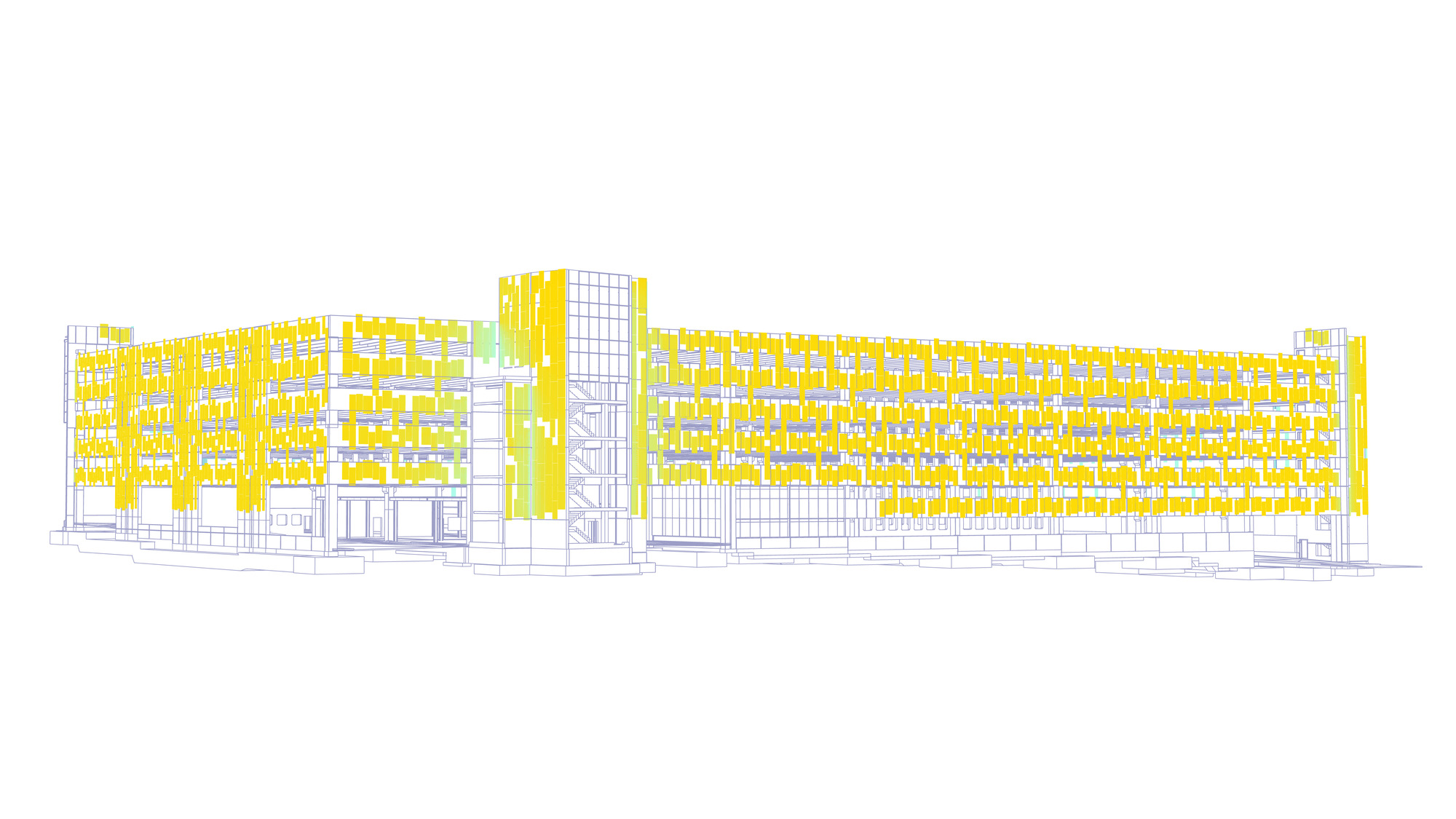
Photovoltaic (PV) solar energy represents a modular technology that can be manufactured in large-scale facilities, generating economies of scale, while also being adaptable to small-scale applications. From residential rooftop systems to large-scale power generation installations, photovoltaic solar energy has established itself as a cost-effective option for electricity production in many countries around the world.
Environment
fromwww.dw.com
1 month agoHow heat pumps work in cold weather
Subzero temperatures don't pose a problem for heat pumps. The refrigerants used in the heat exchanger, which transfers heat from outside a building to inside, have an extremely low boiling point below minus 40 C. That means even when it's very cold, a heat pump can absorb ambient heat from the outside air and use it to warm a building.
Environment
Environment
fromLondon Business News | Londonlovesbusiness.com
2 months agoDo government grants cover ground source pumps? - London Business News | Londonlovesbusiness.com
Ground source heat pumps cost £14,000–£25,000 but deliver 400%+ efficiency; UK funding includes a £7,500 Boiler Upgrade Scheme and full ECO4 support for eligible households.
[ Load more ]