#heat-pumps
#heat-pumps
[ follow ]
#energy-efficiency #solar-panels #energy-policy #electrification #renewable-energy #sustainability #home-heating
fromwww.theguardian.com
1 month agoRecord number of homes in Great Britain turn to green energy as fuel prices soar
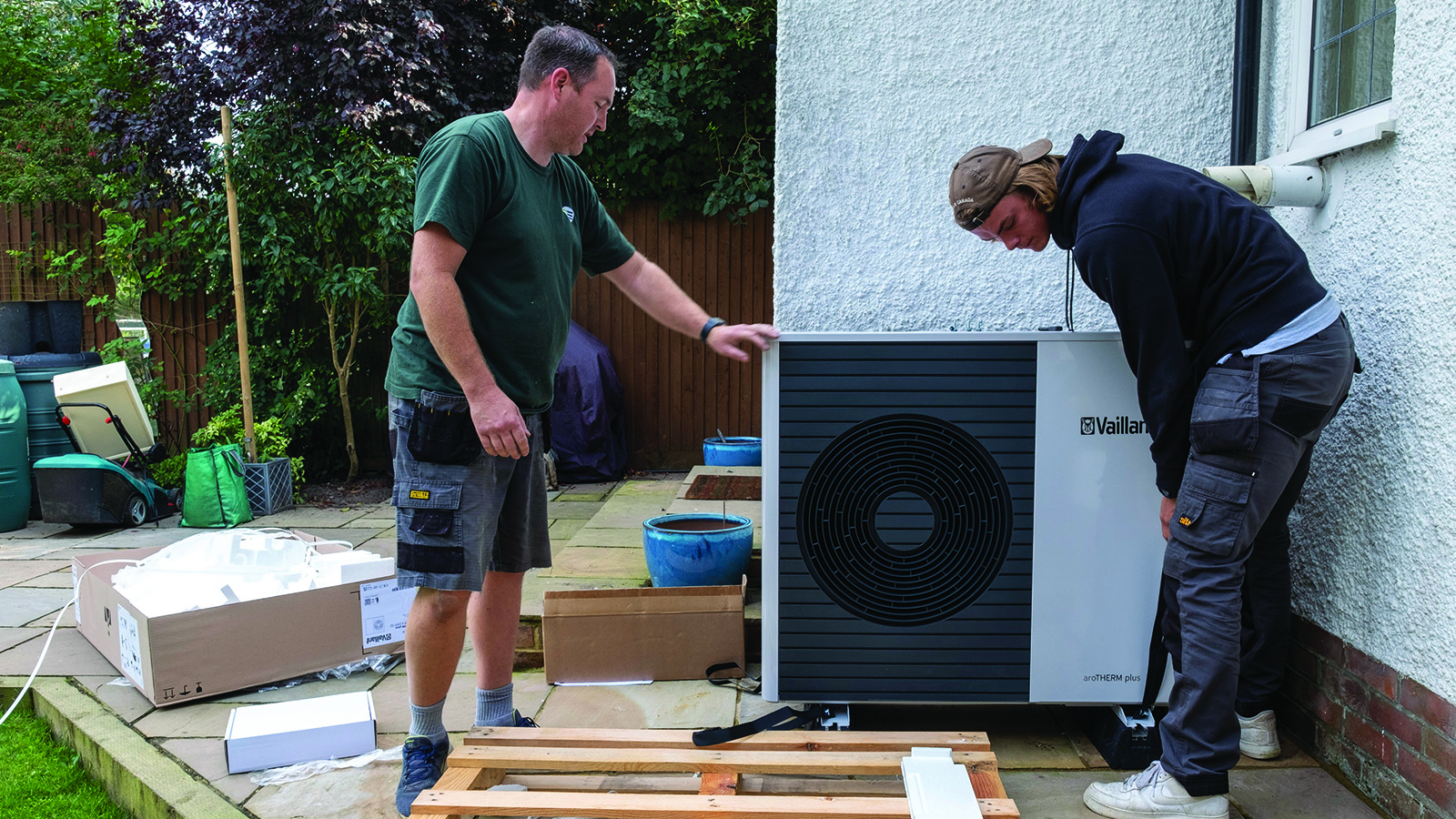
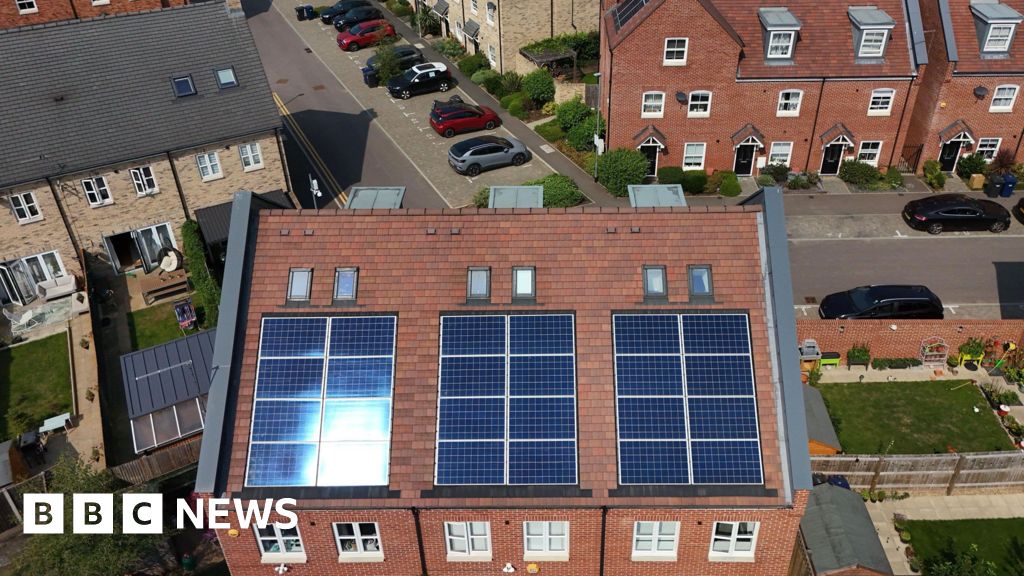
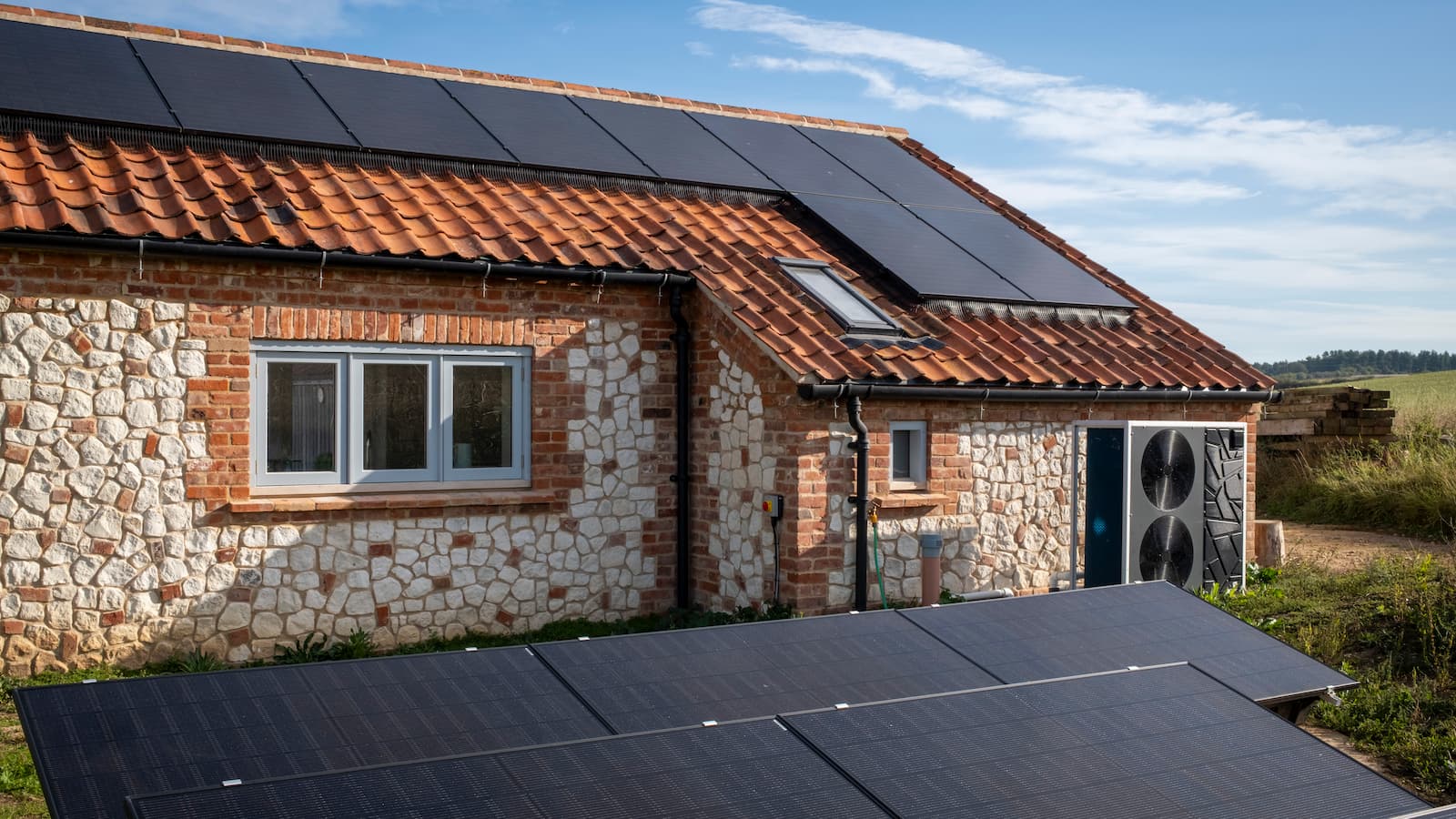
Octopus Energy reported that its heat pump orders more than doubled in March compared to February, while sales of solar power systems increased by almost 80%. This trend reflects a growing consumer shift towards renewable energy solutions.
Environment

fromwww.berkeleyside.org
3 months agoNew laws make heat pump installers a hot commodity
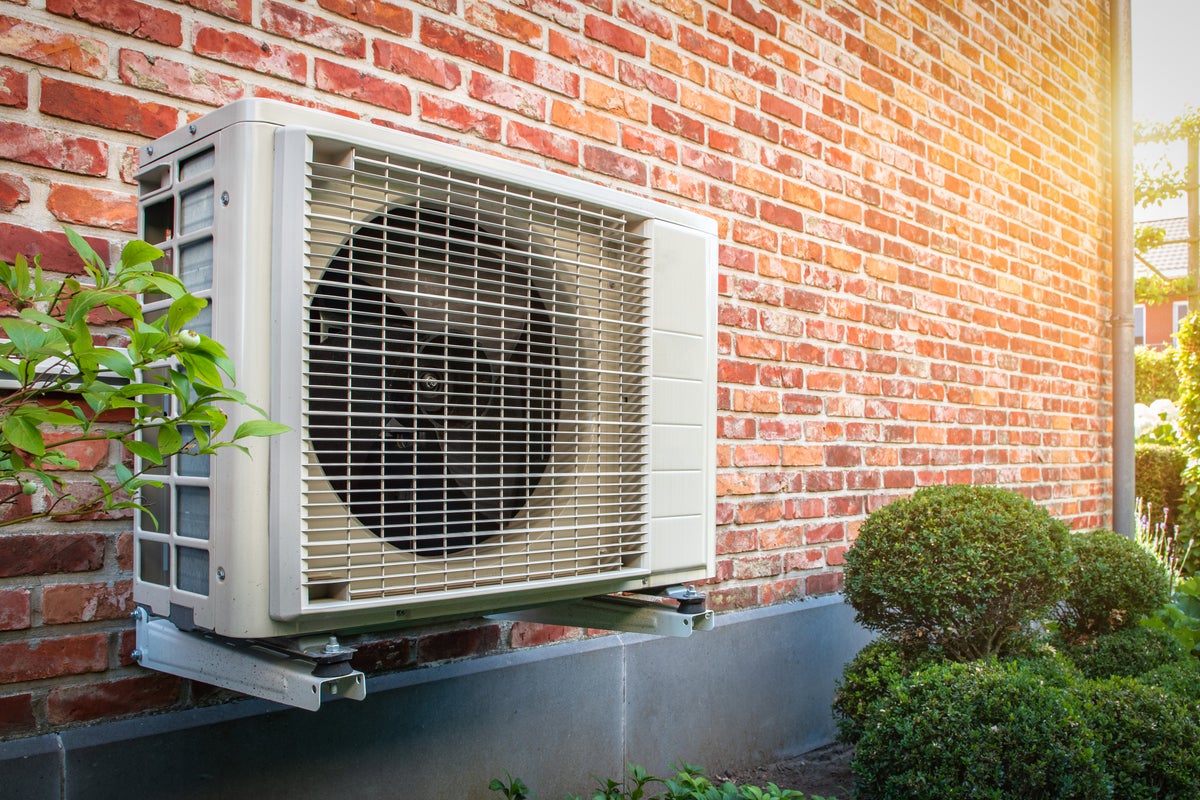
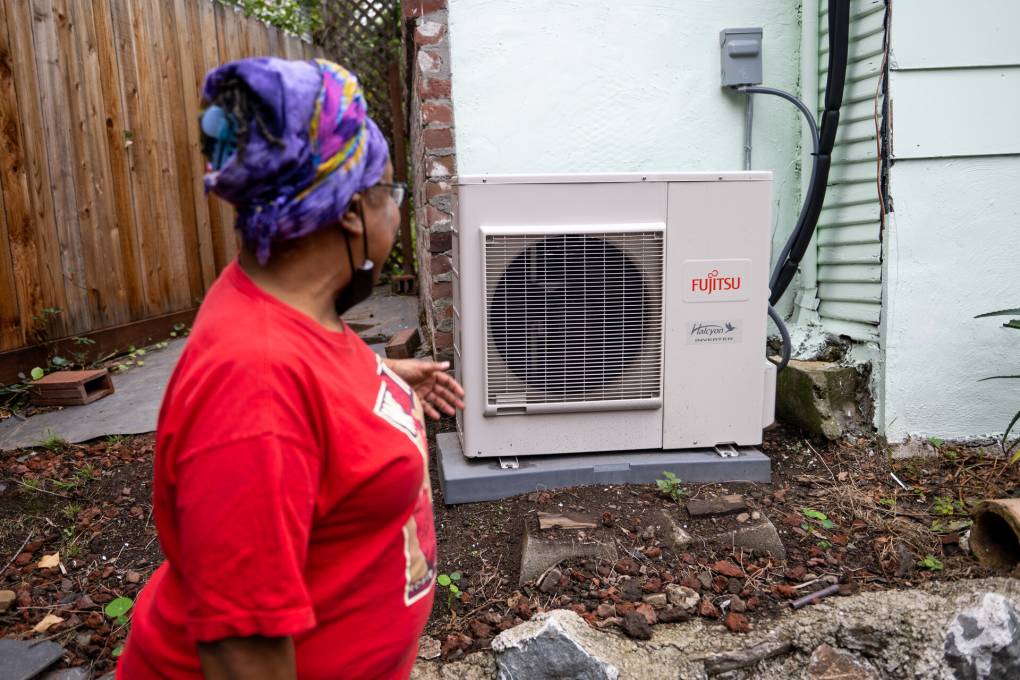
The updated Building Emissions Saving Ordinance (BESO) requires sellers of single family homes or duplexes to complete at least six credits worth of upgrades before final sale or pay $2,500 to the city, which is then funneled to the buyer upon completion of the upgrades. For many sellers, installing a heat pump is the easiest and most efficient way to earn all six credits in one fell swoop, while also significantly increasing the appeal of the property, notes Grimsich, CEO of 1-888-Heat-Pumps.
Environment





UK news
fromLondon Business News | Londonlovesbusiness.com
3 months agoCan I replace my gas boiler in 2026? - London Business News | Londonlovesbusiness.com
Gas boilers remain legal for most UK homes in 2026, but policy is shifting toward low‑carbon heating, reducing incentives and raising future costs.
fromwww.bbc.com
3 months agoUK households to get 15bn for solar and green tech to lower energy bills
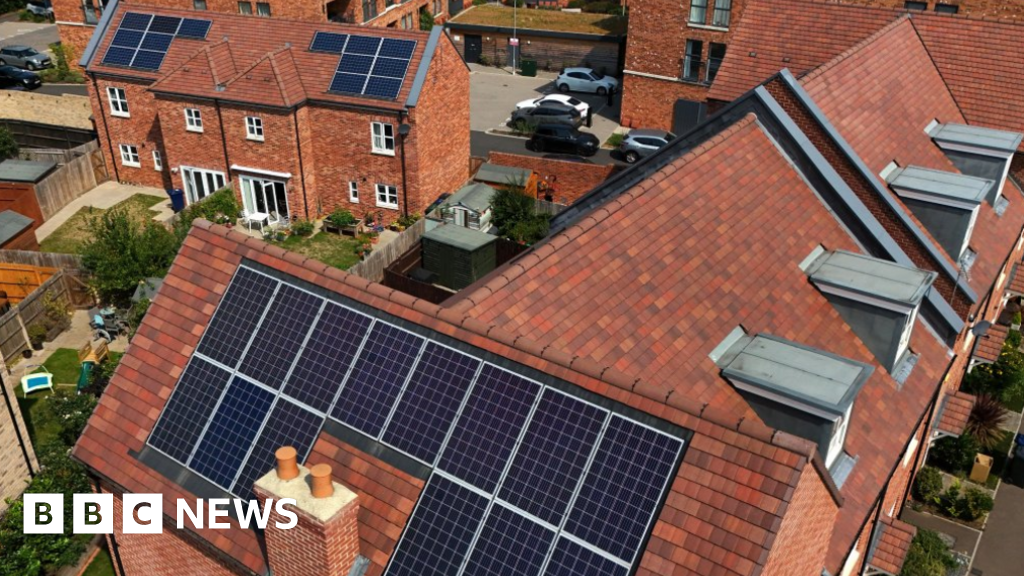
Households will be eligible for thousands of pounds' worth of solar panels and other green tech to lower their energy bills, the government has announced. The long-awaited Warm Homes Plan promises to provide 15bn to households across the UK over the next five years, as well as introducing new rights for renters. The government has said it wants to create a "rooftop revolution", tripling the number of homes with solar, and lifting one million people out of fuel poverty.
Environment
Real estate
fromLondon Business News | Londonlovesbusiness.com
3 months agoNo energy bills?! Octopus Energy powers Scotland's first Zero Bills homes - London Business News | Londonlovesbusiness.com
57 Tranent Grove homes in Scotland qualify for Octopus Zero Bills: 10 years of no energy bills through heat pumps, batteries and solar.
fromwww.berkeleyside.org
3 months agoDoes your home need an electrical upgrade? Call Mr. Poppy.
Berkeley's historic homes have plenty of charms, but knob-and-tube wiring isn't one of them. Modernizing these antiquated electrical systems can add tens of thousands of dollars to the cost of home improvement projects, especially HVAC and appliance upgrades. That concern is what led to the creation last November of Mr. Poppy Electric, a Berkeley-based electrical contractor firm founded by longtime friends Tenzin Soepa and Andrei Smith, both Berkeley High School graduates.
East Bay real estate




fromHomebuilding
5 months agoCould this simple radiator gadget be the solution to your rising heating bills?
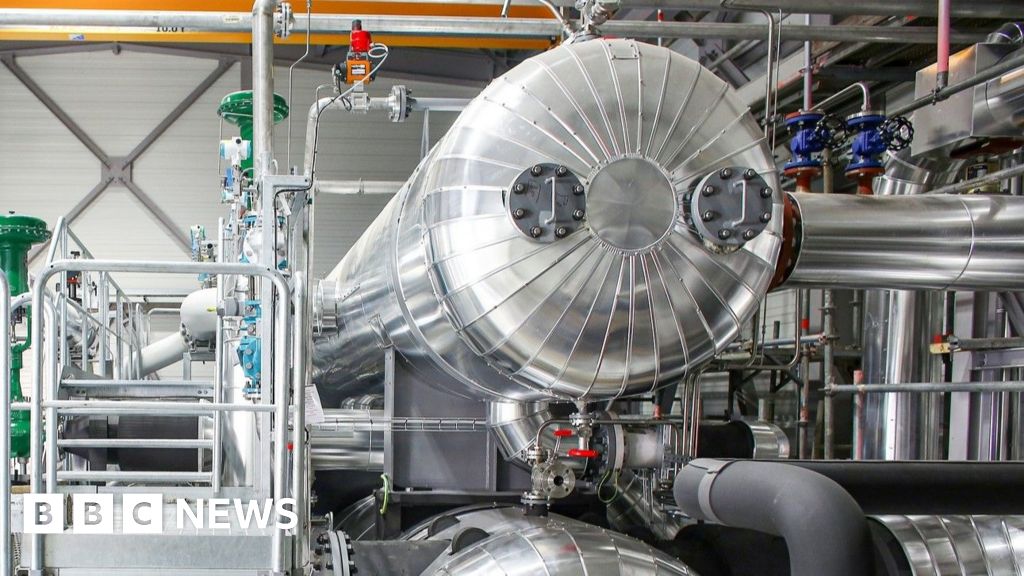
With heating bills soaring, everyone is looking for a simple way to cut costs - which is where radiator booster fans could come to the rescue. For those who have never heard of them, these gadgets attach to the bottom or top of the best radiator, drawing in cooler air from the floor, blowing it across the warm radiator surface, and then pushing the heated air quickly around the room. To find out whether these add-ons really work (or whether they're just another gimmick), we asked a heating expert for their opinions and put them to the test on our own radiators.
Gadgets



fromHomebuilding
6 months agoHigh electricity bills are stopping homeowners going green
The future of Britain's green home revolution could hinge on one thing - the price of electricity. A new report from Mitsubishi Electric warns that unless power costs are reduced, millions of homeowners will be unable or unwilling to make the switch from gas boilers to low-carbon air source heat pumps. Despite growing public concern about climate change and strong interest in greener heating, electricity remains far more expensive than gas, creating a financial barrier that could derail the country's net-zero ambitions.
Renovation
fromwww.theguardian.com
6 months agoUK unveils carbon budget delivery plan' to get back on track for net zero targets
This Labour government is all in on action to tackle the climate crisis because it is the way to secure better lives for people in Britain today and protect future generations tomorrow. This plan sets out the ambitious actions we have taken in our first 15 months unleashing investment, creating jobs, rebuilding our energy security. Meanwhile, our political opponents have embarked down an anti-jobs, anti-science path that would spell disaster for our economy, our security and our planet.
UK news
fromHomebuilding
6 months agoIKEA adds solar panels and heat pumps to UK range
IKEA has long been known for transforming how we furnish our homes, now it wants to help power them too. The retail giant has unveiled a brand-new Home Energy Services range in the UK, featuring solar panels, heat pumps, home batteries and EV chargers designed to make sustainable living simpler and more accessible. Partnering with renewable energy experts Aira and Soly, IKEA says its latest offering could help households cut both emissions and energy bills while making the switch to greener technology effortless.
Environment
fromTechCrunch
7 months agoExclusive: How an over-the-air update made Quilt's heat pumps more powerful | TechCrunch
From the very beginning, we wanted to design the systems to be able to be continuously improved, updated over the air. It's a pattern that's happened in EVs and gotten a lot of traction, but no one had really done that before in HVAC,
Software development
Remodel
fromHomebuilding
8 months agoCan you cover a heat pump to hide it from view? Experts offer their golden rules and explain why getting it wrong could be costly
Cover a heat pump only with purpose-built, airflow-permitting shelters; improper covering reduces efficiency, raises running costs, and can shorten the unit's lifespan.
fromHomebuilding
8 months agoExperts reveal the worst places to install a heat pump - 6 areas you should avoid when fitting one in your home
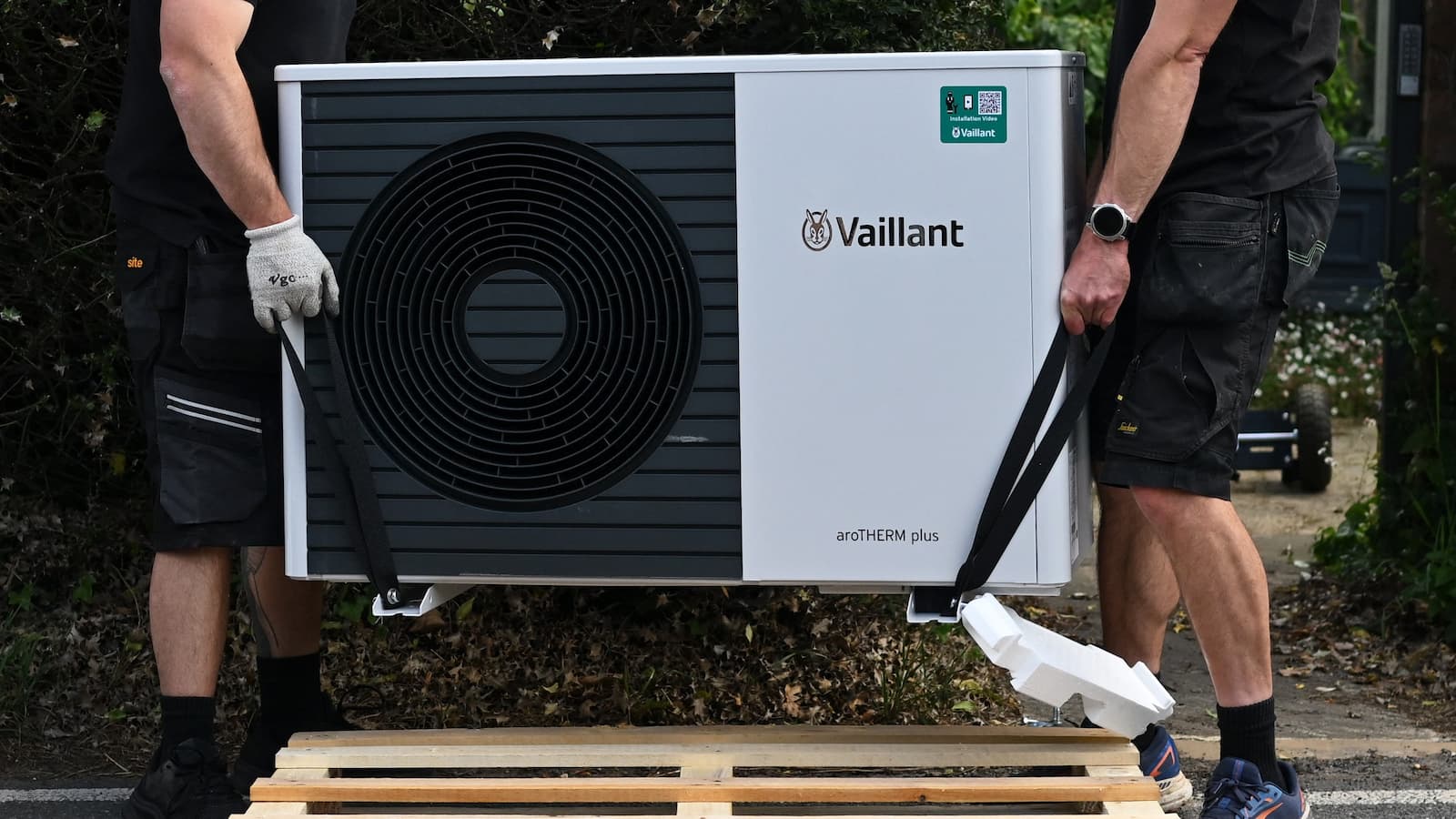
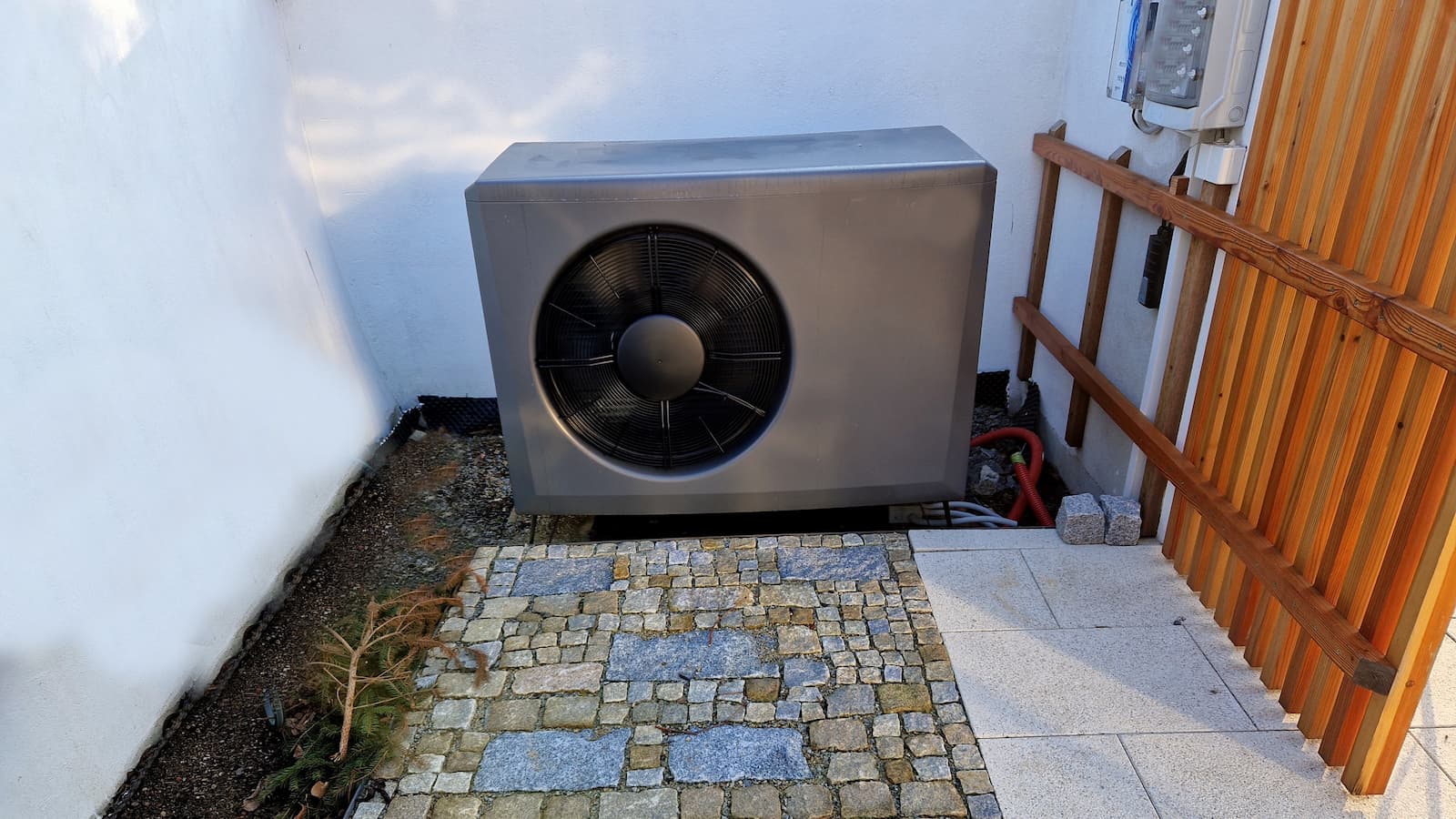
One of the worst places to install a heat pump is where the outdoor unit cannot get enough airflow. If the unit is positioned in a narrow gap or tucked into a corner to make it less visible, it doesn't get the air it needs to work efficiently. Over time, that leads to reduced performance and potential reliability issues.
Remodel
UK politics
fromLondon Business News | Londonlovesbusiness.com
8 months agoNearly half of MPs back cutting electricity levies to make heat pumps cheaper - London Business News | Londonlovesbusiness.com
Almost half of British MPs support reducing electricity costs to make heat pumps more affordable, while knowledge of the Boiler Upgrade Scheme remains limited.
fromHomebuilding
8 months agoWe reveal the top heat pump mistakes experts see time and time again - the good news? All are easily avoidable
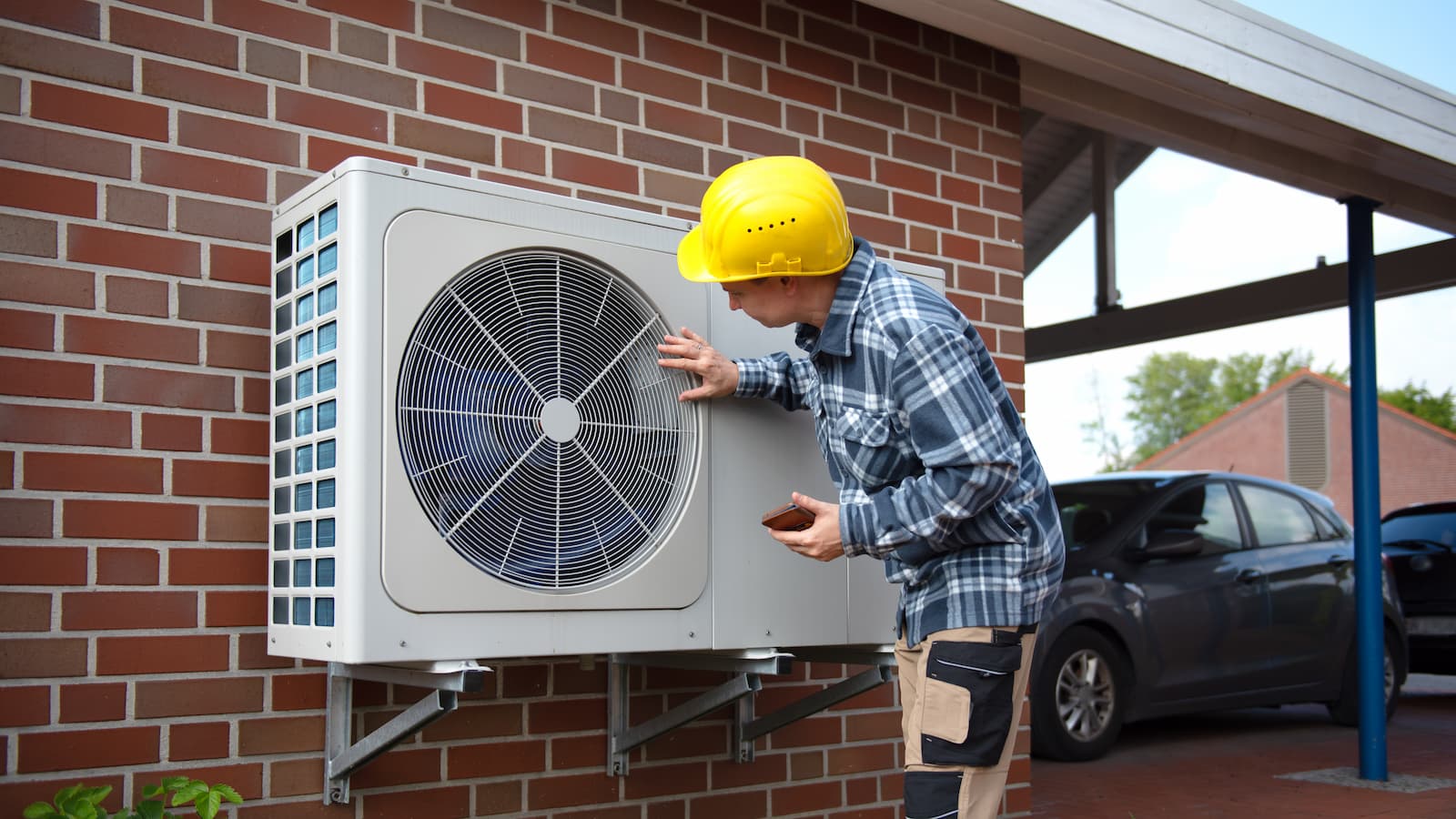
"Once you know the heat pump mistakes the experts see happening on a regular basis, you are halfway to ensuring that your own system will be one that proves to be a worthwhile investment. If you are considering installing an air source heat pump, you can expect many benefits, including lower heating bills, but to ensure you enjoy all the advantages this type of heating system can offer, there are certain mistakes to avoid."
Environment







[ Load more ]