#new-old-stock-nos
#new-old-stock-nos
[ follow ]
#nostalgia #collectibles #estate-sales #grocery-shopping #1980s #consumer-culture #e-commerce #thrifting

#estate-sales
Boston real estate
fromBusiness Insider
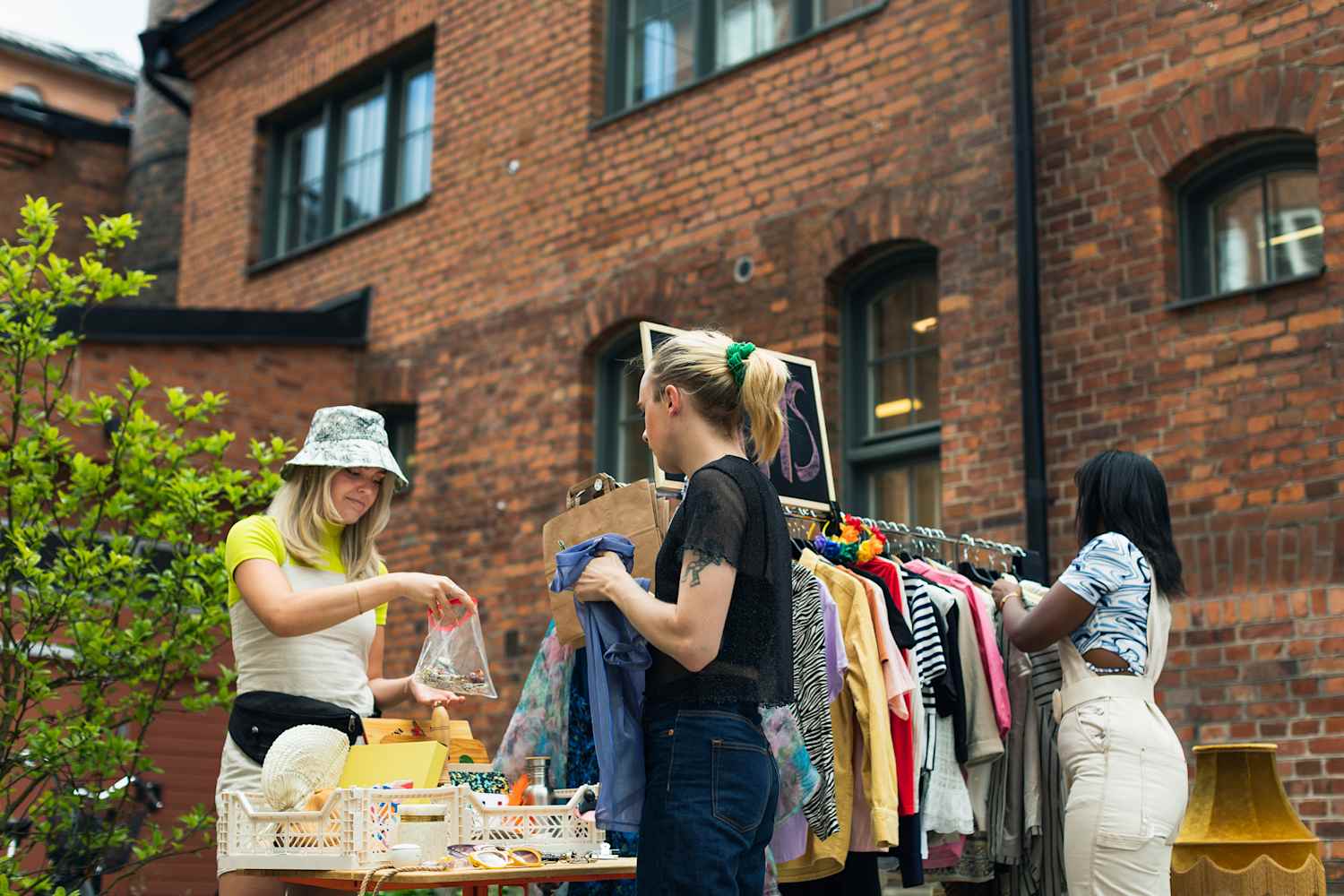
1 month agoI went to an estate sale to find out why millennials and Gen Zers love buying cheap stuff from aging baby boomers
Baby boomers' massive accumulation of possessions is creating a major estate sale opportunity for younger generations to acquire quality vintage and midcentury items at accessible prices.
E-Commerce
fromwww.businessinsider.com
3 weeks agoA 60-year-old entrepreneur who sells Pokemon cards and other collectibles saw sales surge 200% after he leaned into live selling
Scott Wool's collectibles business has seen a 200% sales increase due to a boom in collectible card games and livestreaming efforts.
SF parents
fromBusiness Insider
1 month agoI inherited a storage unit from a family friend. It was full of vintage clothes, which I now sell online.
Scottlynn Krause and her mother launched CS80 Vintage after inheriting thousands of pristine 1980s sportswear items from a family friend's defunct sporting goods store, converting a disposal problem into a successful online business.
fromPsychology Today
2 months agoYour Life's Work Preserved: Why Collectors Are Going Virtual
The traditional museum experience, pausing in front of an object, and absorbing its history visually or by reading its description, has long shaped how collectors and others relate to cultural treasures. Yet, over the last few decades, digital technology has quietly rewritten many of those rules, changing not only how collections are exhibited but also how they are documented, preserved, and even inherited.
Arts
fromSilicon Canals
2 months ago9 things Boomers refuse to throw away that their kids will put straight in the trash without opening - Silicon Canals
My father kept manuals for products we hadn't owned in years, filed alphabetically in a cabinet. When I asked why, he looked at me like I'd suggested burning money. "What if we need to look something up?" The concept of finding any manual online in seconds just doesn't compute for a generation that had to rely on these paper lifelines.
Relationships
fromSilicon Canals
2 months agoTreasures worth thousands: homeowners discover vintage items hidden in walls during renovation - Silicon Canals
Picture this: you're knee-deep in renovation dust, crowbar in hand, when something unexpected tumbles from behind century-old plaster. A yellowed envelope? A strange metal box? That moment when your heart skips because you realize you might have just found something extraordinary. For some lucky homeowners, these discoveries turn out to be worth thousands of dollars, transforming a simple home improvement project into an unexpected treasure hunt.
Renovation
Business
fromLondon Business News | Londonlovesbusiness.com
2 months agoThe rising appeal of traditional goods in modern investment portfolios - London Business News | Londonlovesbusiness.com
UK investors increasingly allocate to tangible alternative assets for stability, scarcity-driven appreciation, and clearer ownership, balancing portfolios against market volatility.
fromKotaku
1 month agoHow Sega And Police Raids Interrupted A Video Game Preservation Auction - Kotaku
They were like worker bees, taking this, this and they start putting it into evidence bags. Khan describes the police raid on his home, where officers systematically confiscated items related to the SEGA hardware transaction, treating the discovery as evidence in what appeared to be a coordinated enforcement action.
Games
Miscellaneous
fromSilicon Canals
1 month ago8 household items that were status symbols in a working-class home in the 1990s that would cost less than a single grocery run today - Silicon Canals
Consumer goods that signified status and achievement in 1990s working-class communities now cost a fraction of their original price, reflecting dramatic shifts in purchasing power and consumer culture.
fromApartment Therapy
2 months agoThe 150-Year-Old Useful Gem Hiding in Every Thrift Store
As someone who loves vintage things, you can find me at my local thrift store regularly. I enjoy stocking my closet with secondhand finds and finding gifts or unexpected storage gems instead of buying them new. The thrill of the hunt is ultimately what keeps me going back time after time. Whether I have 10 minutes or an hour to peruse, flipping through clothing racks and scouring the shelves always brings me joy,
Fashion & style
fromWWD
2 months agoInside Whatnot's Booming Beauty Resale Business
The resale market - which comprises roughly 8 percent of total fashion and luxury sales globally, per a 2025 Vestiaire Collective study - is becoming a potential growth frontier in beauty, too, as indicated by new data from Los Angeles-based live selling platform Whatnot. Launched in 2019 with a focus on selling collectible figurines via live video auctions, Whatnot has since expanded to other categories including sneakers, jewelry, electronics and beauty and fashion, with the latter two being the platform's fastest-growing categories.
E-Commerce
[ Load more ]