#old-growth-oak
#old-growth-oak
[ follow ]
#wildfires #biodiversity #climate-change #california #environment #conservation #environmental-policy


fromEast Bay Express | Oakland, Berkeley & Alameda
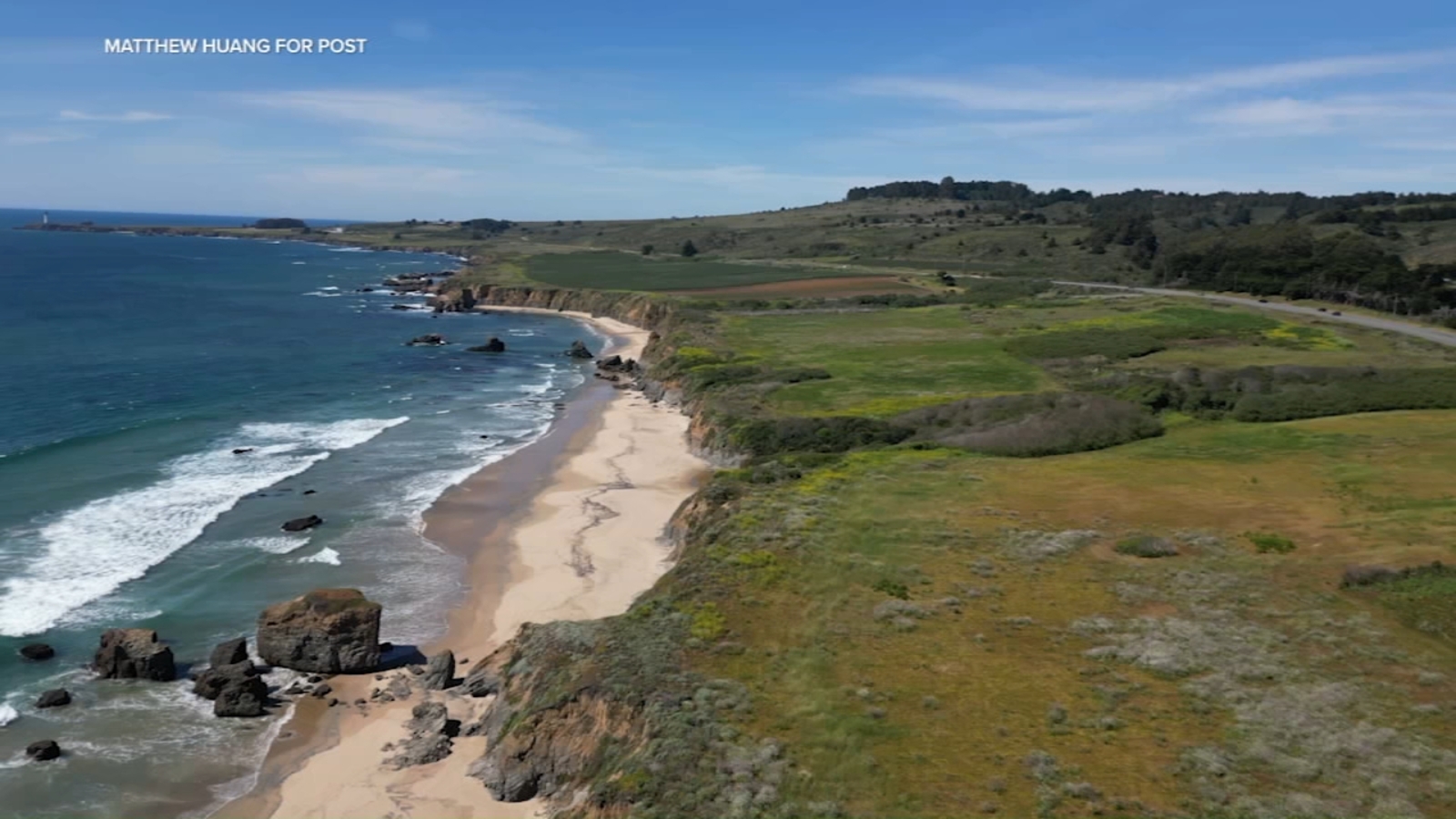
5 days agoFrom totally harsh to thriving marsh
The transformation of Pacheco Marsh from a scarred dumping ground into a pristine wetland represents a significant achievement in environmental restoration, showcasing the potential for nature to reclaim industrial sites.
Mission District
#conservation

Non-profit organizations
fromNonprofit Quarterly | Civic News. Empowering Nonprofits. Advancing Justice.
4 days agoEarth Day Is for the Planet. What About the People Protecting It? | Nonprofit Quarterly | Civic News. Empowering Nonprofits. Advancing Justice.
Conservationists face moral injury from witnessing environmental harm without adequate support, highlighting the psychological toll of their commitment to protecting the planet.

Travel
fromTravel + Leisure
1 week agoThis Charming City in the South Has One of the Largest Urban Forests in the U.S.-and It's Only a 2.5-hour Drive From Charleston
Aiken, South Carolina, offers rich history, equestrian culture, and outdoor activities, making it a worthy destination alongside Charleston.

fromTravel + Leisure
1 week agoThis 31-mile Road Passes Some of the Tallest Trees in the World-and It's Called the 'Finest Forest Drive in the World'
Driving the Avenue of the Giants is a unique and beautiful experience. As it winds through Humboldt-Redwoods State Park, you will encounter many spectacular groves of redwoods and hiking trail options.
Travel

fromHigh Country News
6 days agoWildfires make soil poisonous - High Country News
Researchers have known since at least 2008 that wildfires can create chromium-6, but a new study, published in the journal Environmental Science and Technology in November, is the first to report details such as how long it might persist in groundwater.
Environment
Canada news
fromwww.theguardian.com
1 month agoWhen the Forest Breathes by Suzanne Simard review the Indiana Jones of trees returns
Suzanne Simard's research demonstrates that trees communicate and exchange resources through fungal networks, fundamentally changing understanding of forest ecosystems and their carbon recovery capacity.
Online marketing
fromSocial Media Explorer
1 month agoScrolling for Shade: What Homeowners are Actually Searching for Regarding Tree Care - Social Media Explorer
Social media tree-trimming trends prioritize aesthetics over proper arboriculture; professional pruning serves biological functions like wind resistance, not just visual appeal.
fromwww.theguardian.com
1 month agoMy ideas are a little revolutionary': ecologist Suzanne Simard on intelligent forests, the climate and her critics
Wildfires have become an ever bigger problem in Canada. The 2018 wildfires were the biggest in British Columbia's history, but this record was broken in 2021, and then again in 2023, when fires consumed an area three times the size of the Canadian province of Nova Scotia and the smoke travelled as far as New York City.
Canada news
fromEast Bay Express | Oakland, Berkeley & Alameda
3 months agoEdible ecosystems grow wildly from shoreline to forest
For Staller, foraging is a "precious" and "simple" activity that one can do to connect with nature. They can experience a sense of mindfulness from gathering together, looking for food and then cooking the bounty, she said. "We are returning to the most basic part of being a human, which is eating food and celebrating it," Staller said. "It's a lost artform."
Food & drink


Chicago Bears
fromCalifornia Post
1 month agoDeadly apex predator being mulled for release in California after 100-year absence
California lawmakers are considering reintroducing grizzly bears through Senate Bill 1305, which would require a scientific assessment and consultation with Native American tribes about restoring the species extinct in the state for over a century.
LA real estate
fromLos Angeles Times
35 years agoFOCUS : Trees Have Roots in Placentia Grass Eaters Cult
A modest Orange County neighborhood was built over the site of a 19th-century religious colony called the Placentia Grass Eaters, whose only remaining evidence is two macadamia nut trees marked by a bronze plaque.
History
fromwww.theguardian.com
1 month agoAncient by Luke Barley review the secret history of Britain's woodlands
Britain's forests have been shaped by both natural immigration of species and human use over millennia, with ancient woodlands representing irreplaceable ecosystems that link us to prehistoric wildwood.
fromArs Technica
2 months agoBringing the "functionally extinct" American chestnut back from the dead
The work suggested that resistance arises from a relatively large number of sites, each with relatively minor effects. For example, the sites in the genome identified by quantitative trait analysis typically boosted resistance by about 10 points on the researchers' 100-point scale. In the genome-wide analysis, 17 individual genetic differences were associated with about a quarter of the heritable resistance traits.
Agriculture
Environment
fromHigh Country News
1 month agoThe BLM wants to ramp up logging. Oregonians aren't so sure. - High Country News
The BLM plans to increase timber harvesting on 2.5 million acres in western Oregon, including protected old-growth forests, citing wildfire management and Trump administration timber production directives.
California
fromThe Mercury News
2 months agoRedwood forest once owned by the 'King Tut of Hoarders' is added to famed Santa Cruz Mountains state park
A cleaned 153-acre NoraBella property in the Santa Cruz Mountains has been purchased by the state and added to Big Basin Redwoods State Park to support rebuilding.
fromLos Angeles Times
1 month agoIf the giant sequoia is dying out, why are there tens of thousands of seedlings and saplings?
The new trees number in the thousands - at least 4,000 per acre or as many as 20,000, depending on who is counting. A few rise above head-height, the most energetic sentinels of regeneration. What will become of this nursery in the wild in the next hundred years, or thousand, is the crux of a scientific and policy dispute.
Environment
fromHigh Country News
1 month agoIt's time to rethink how we care for our public lands and waters - High Country News
Wildlife populations are in decline. Recreation sites are crowded and often underfunded. Wildfires are larger, more destructive and harder to control. Climate change is reshaping natural systems, from ocean fisheries to mountain snowpacks, faster than institutions can respond. At the same time, communities are being asked to host new energy projects, transmission lines and mineral development - often without clear processes, adequate resources or trust that decisions are being made in the public interest.
Environment
fromLos Angeles Times
2 months agoHeated debate over California water plan as environmentalists warn of 'ecosystem collapse'
The question of how to protect fish and the ecological health of rivers that feed California's largest estuary is generating heated debate in a series of hearings in Sacramento, as state officials try to gain support for a plan that has been years in the making. "I am passionate that this is the pathway to recover fish," said state Natural Resources Secretary Wade Crowfoot. "This is the paradigm we need: collaborative, adaptive management versus conflict and litigation."
Environment
[ Load more ]