#oxygen-densification
#oxygen-densification
[ follow ]
#public-health #climate-change #air-pollution #sustainability #air-quality #environmental-impact #infrastructure


fromwww.theguardian.com
1 hour agoHouseplant hacks: can a fan help plants repel pests?
Stagnant indoor air is one of the less discussed reasons houseplants struggle. Fungal spots, mould on the compost surface and pest infestations like mealybugs can all be traced back to a room with no airflow.
Renovation



fromwww.bxtimes.com
4 days agoGovernor Hochul announces congestion pricing is funding air quality improvements at Hunts Point Market Bronx Times
Congestion pricing has been a once-in-a-lifetime success story, leading to cleaner air, better transit and faster and safer traffic throughout the city. We knew that to do this right, we had to bring real air quality improvements directly to parts of New York City that have been neglected for far too long.
New York City
Public health
fromStreetsblog New York City
5 days agoNeed To Kill Cross Bronx Widening Plan Is Obvious Amid Slight Congestion Pricing Pollution Uptick - Streetsblog New York City
Gov. Hochul has delayed a decision on widening the Cross Bronx Expressway due to concerns over increased pollution in the Bronx.
fromFast Company
1 week agoSee it: Air temperatures and pollution around the world are captured in real time in these animated weather maps
We created Earth in Action to provide a lens into what's happening on our planet, as it happens. Whether it's something typical, like the current air temperature, or an extreme event like a major dust storm, we wanted to provide an opportunity for people to see them.
OMG science



Agriculture
fromEarth911
3 weeks agoConvenience Comes at the Environment's Expense
Fast delivery convenience carries significant environmental costs through packaging waste, carbon emissions, and resource consumption, but individual yard management choices can meaningfully reduce environmental impact at a local scale.
Health
fromwww.theguardian.com
4 weeks agoReduced physical activity due to global heating will lead to rise in health issues, study says
Rising temperatures reduce physical activity globally, with each month above 27.8°C increasing inactivity by 1.5 percentage points, projecting half a million additional premature deaths annually by 2050.
fromwww.theguardian.com
5 days agoNon-survivable': heatwaves are already breaching human limits, with worse to come, study finds
When scientists applied a new model of human survivability that takes into account the body's ability to function and stay cool depending on age, they found all six events had seen non-survivable periods for older people who could not find shade.
Environment
Environment
fromLondon Business News | Londonlovesbusiness.com
6 days agoHow are construction sites improving air quality? - London Business News | Londonlovesbusiness.com
Construction contributes significantly to air pollution, but improvements like on-tool extraction and water-based dust suppression are helping to mitigate these effects.
Design
fromArchDaily
4 weeks agoRethinking Architecture at the Scale of Planetary Systems
Contemporary architecture operates within interconnected technological systems—energy networks, data infrastructures, and global logistics—that fundamentally shape what can be built, its affordability, performance, and waste production.


fromwww.scientificamerican.com
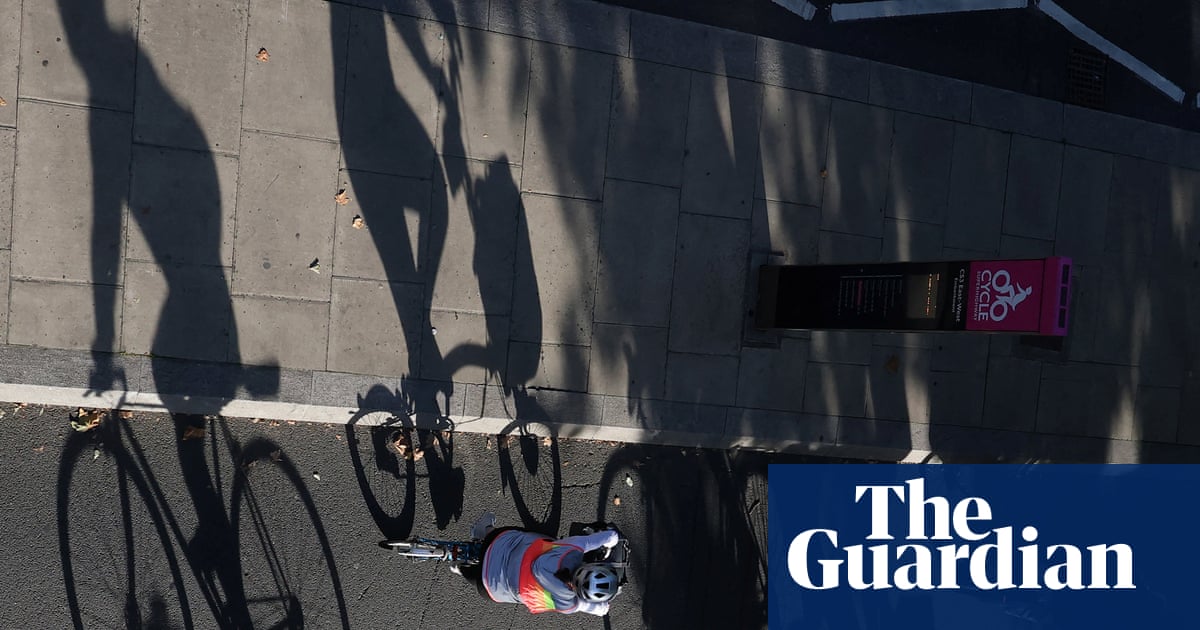
2 months agoScientists just calculated how many microplastics are in our atmosphere. The number is absolutely shocking
Microplastics are pervasive, found everywhere on Earth, from the Sahara Desert to patches of Arctic sea ice. Yet despite these plastic particles' ubiquity, scientists have struggled to determine exactly how many of them are in our atmosphere. Now a new estimate published in Nature suggests that land sources release about 600 quadrillion (600,000,000,000,000,000) microplastic particles into the atmosphere every year, about 20 times more than the number of particles contributed by oceans (about 26 quadrillion).
Science
fromSilicon Canals
2 months agoWhy your house is dustier than your neighbor's and the airflow mistake causing it - Silicon Canals
I was that person who only changed their HVAC filter when it looked like it had grown its own ecosystem. Richie Drew, Vice President of Operations at One Hour Heating & Air Conditioning, puts it bluntly: "Dirty filters can reduce airflow, increase dust in your home and strain your heating system." Think about it this way: your HVAC filter is like the bouncer at an exclusive club, except instead of keeping out people without the right shoes, it's blocking dust particles from circulating through your home.
Remodel
Environment
fromwww.theguardian.com
1 month agoA sobering preview': extreme heat now affects one in three people globally, study finds
One-third of the world's population now lives in areas where extreme heat severely restricts safe daily activities, with elderly people experiencing over 900 hours annually of heat-limited outdoor time.
fromwww.theguardian.com
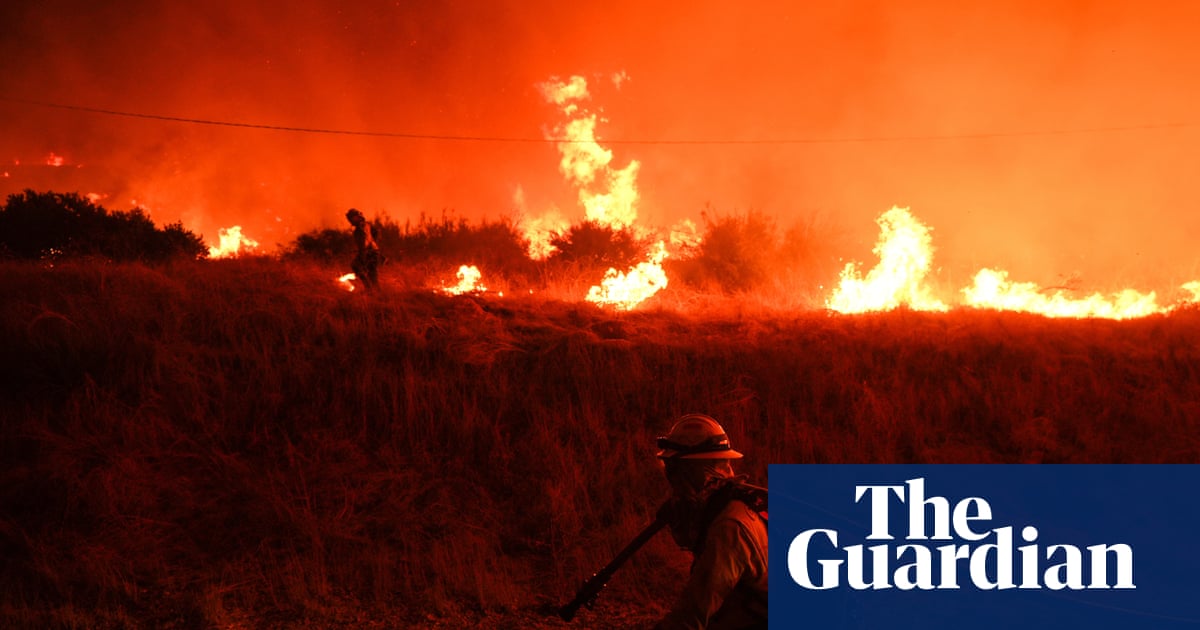
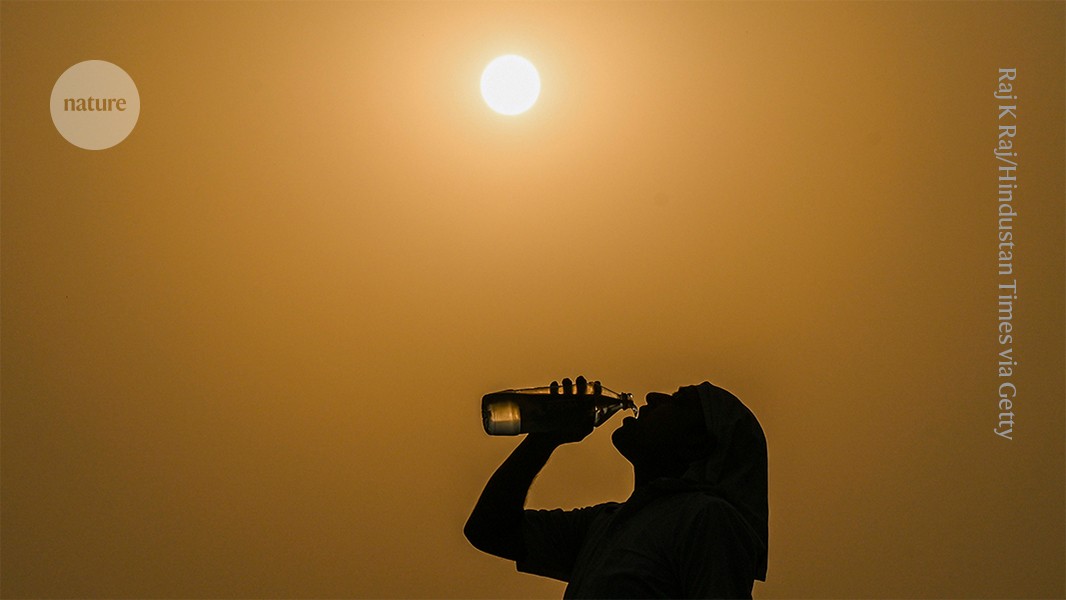
1 month agoExtreme heat lab: enduring the climate of the future
"So whenever people think about hot weather, they always talk about the temperature," he says. "There's two issues with that. First of all, most people don't realise that the temperature is measured in the shade. So if you're in direct solar radiation, the amount of heat stress you're exposed to is much greater as it will stress your body out a lot more."
Public health
Public health
fromwww.theguardian.com
1 month agoWood burning pollution leads to 8,600 premature US deaths a year, study finds
Residential wood burning causes an estimated 8,600 premature US deaths annually and contributes about 21% of wintertime particulate pollution despite only 10% of homes burning wood.
Public health
fromNonprofit Quarterly | Civic News. Empowering Nonprofits. Advancing Justice.
2 months agoThe Polluters Down the Street-EPA Changes Put Lives at Risk | Nonprofit Quarterly | Civic News. Empowering Nonprofits. Advancing Justice.
Air quality monitoring and Clean Air Act regulations have reduced PM2.5, prevented hundreds of thousands of early deaths, and improved average life expectancy.
Environment
fromwww.theguardian.com
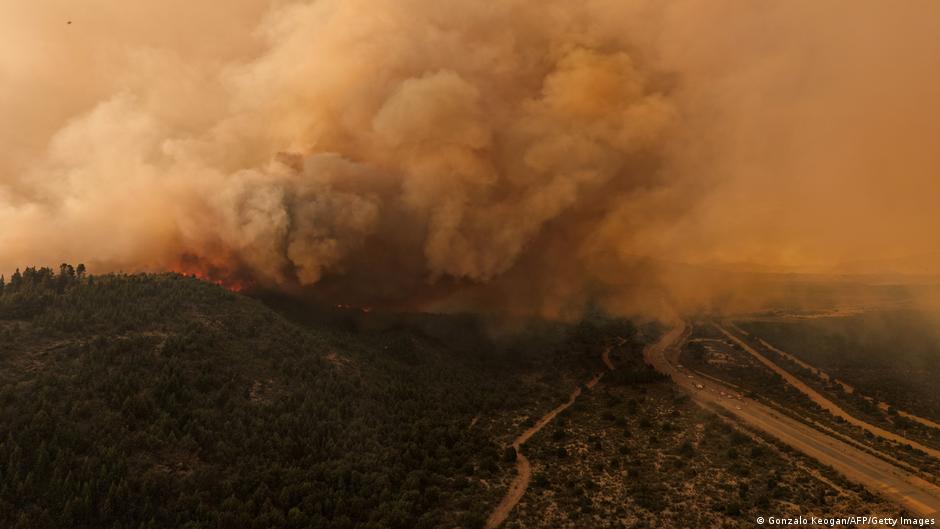
1 month agoThousands of pollution incidents in England downgraded without site visit, data suggests
Environment Agency staff downgraded 98% of 2,778 serious water pollution incidents reported in 2024 without site visits, representing a 1,500% increase in downgrades since 2021.

Environment
fromwww.mercurynews.com
1 month agoOpinion: AI is destroying our planet. We must act to check its growth and save ourselves.
AI's environmental impact is severe, with 2025 freshwater consumption exceeding global bottled water use and projected energy demands by 2034 matching India's entire consumption, requiring immediate action.
fromArs Technica
2 months agoCOVID-19 cleared the skies but also supercharged methane emissions
The remaining question, though, was where all this methane was coming from in the first place. Throughout the pandemic, there was speculation that the surge might be caused by super-emitter events in the oil and gas sector, or perhaps a lack of maintenance on leaky infrastructure during lockdowns. But the new research suggests that the source of these emissions was not what many expected. The microbial surge
Environment
fromNature
2 months agoMicroplastic levels in the air have been overestimated, but are still a big concern
Many human activities - from improper disposal of waste to the degradation of car tyres - release small plastic particles, which have infiltrated the atmosphere, oceans and other ecosystems. These include nanoplastics - particles measuring less than 1 micrometre across - and microplastics, which range from 1 micrometre to around 5 millimetres. They've entered our bodies and brains, and scientists are still working to understand their effects on people's health.
Environment
fromMail Online
1 month agoMillions told to lock windows as toxic air spreads across US states
Hazardous conditions along the US southern border have prompted health officials to warn Americans to stay indoors with the windows shut. The US Environmental Protection Agency (EPA) has issued its highest level of alert about the air quality over Texas and New Mexico, calling the pollutants currently in the air over a 150-mile swath of land 'hazardous' to human health.
Environment
fromwww.dw.com
2 months agoPlastic emissions could double health damage by 2040
Plastic is everywhere. Inside the human body, in the depths of the ocean and the far reaches of the Arctic. Now a new study warns that, unless the world changes course, plastic could more than double its damage to human health within the next two decades. The culprit is not plastic litter in the environment or microplastics, but the emissions released across plastic's entire life cycle from fossil fuel extraction and manufacturing to transport, recycling and disposal.
Environment
fromArchDaily
2 months agoHealth, Habitat, and Civic Infrastructure: Designing the City as a National Park
Cities around the world share a common goal: to become healthier and greener, supported by civic infrastructure that restores ecosystems and strengthens public life. The question is how to reach this. Global climate targets, local building codes, and municipal standards increasingly guide designers and planners toward better choices. Still, many cities struggle to translate these frameworks into everyday, street-level comfort and long-term ecological protection.
Environment
fromFlowingData
2 months agoYeah, still getting hotter
The past 11 years are the warmest since records began, with the past three top of the leader-board. Hottest of the lot was 2024, which coincided with a strong Niño-a pattern of winds and ocean currents that nudges the thermometer upwards-combined with a peak of the 11-year solar cycle when the sun shines brightest. But in 2025 El Niño tailed off, to be replaced by its opposite pattern, La Niña, and the sun-only a minor part of the story in any case-began to dim.
Environment
fromArs Technica
1 month agoStudy shows how rocket launches pollute the atmosphere
In a high-growth scenario for the space industry, there could be as many as 2,000 launches per year, which her modeling shows could result in about 3 percent ozone loss, equal to the atmospheric impacts of a bad wildfire season in Australia. She said most of the damage comes from chlorine-rich solid rocket fuels and black carbon in the plumes. The black carbon could also warm parts of the stratosphere by about half-a-degree Celsius as it absorbs sunlight.
Environment
[ Load more ]