#prehistoric-to-historic-transition

[ follow ]
History
fromwww.nytimes.com
2 weeks ago

Humans Had Dogs Before They Had Farming, Ancient DNA Confirms

Dogs were domesticated by hunter-gatherer societies in Europe around 14,000 years ago, predating agriculture.
Arts
fromHyperallergic
10 hours ago

Dice Are 6,000 Years Older Than Previously Believed, Study Says

More than 600 two-sided dice crafted by Native Americans have been identified, dating back over 12,000 years, predating known dice from the Bronze Age.
OMG science
fromHarvard Gazette
1 week ago

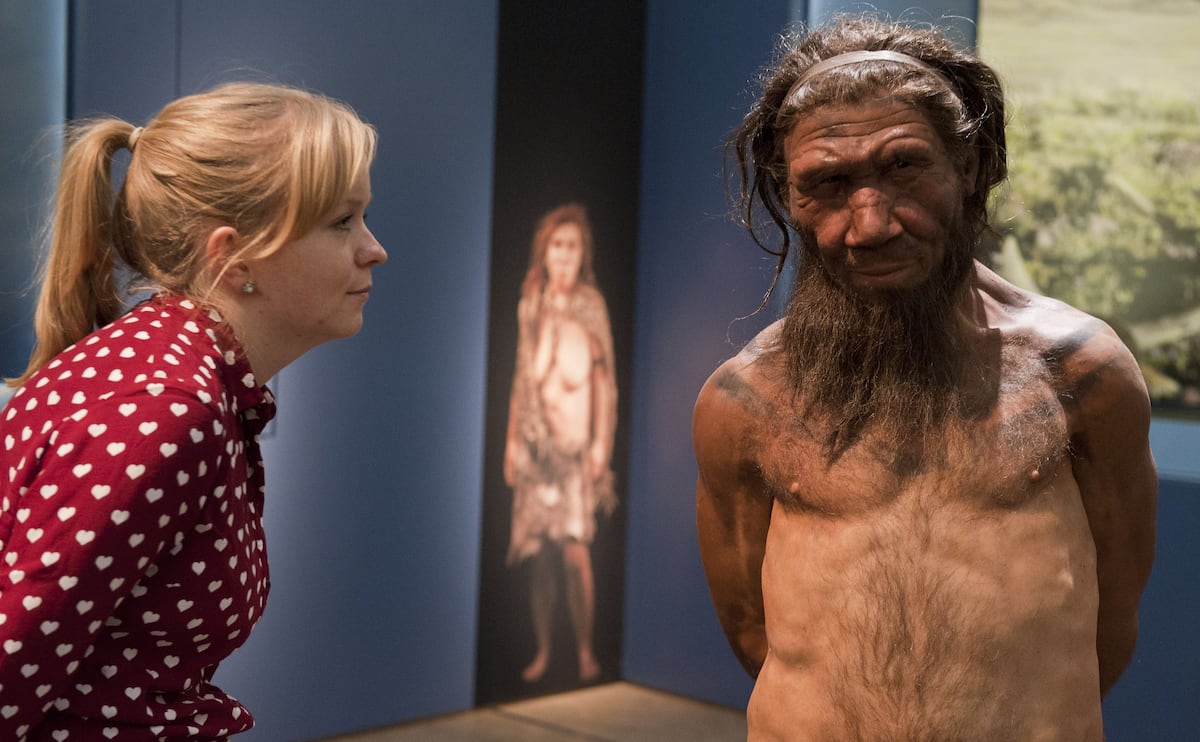
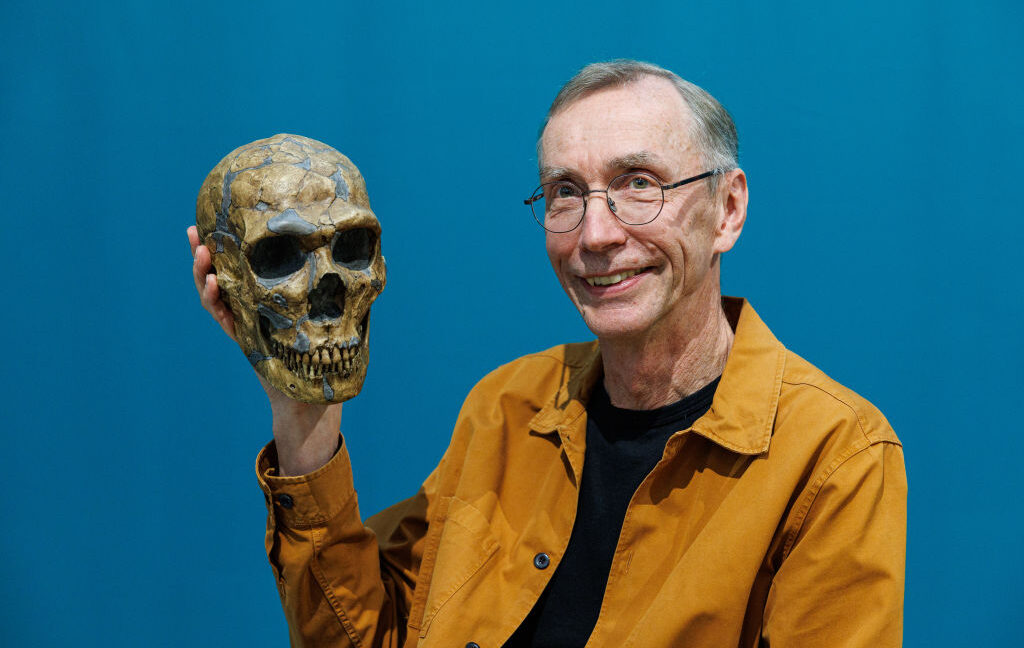
Anthropologist traces split between Homo sapiens and Neanderthals - Harvard Gazette

The transition from multiple human forms to Homo sapiens dominance involved interactions and interbreeding with Neanderthals, not a clear-cut victory.
History
fromwww.independent.co.uk
1 day ago

What15,0000-year-old jewellery found in a cave tells us about prehistoric life

The Independent provides accessible journalism on critical issues like reproductive rights and climate change, supported by donations.
Science
fromNature
2 weeks ago

Daily briefing: Tiny bones from Neanderthal fetus point to downfall of the species

A genetic bottleneck contributed to the Neanderthals' extinction, while AI-generated X-rays challenge radiologists' ability to discern real from fake.
fromwww.nature.com
2 weeks ago

Genomic history of early dogs in Europe

Genomic data indicates that early dogs in Europe underwent significant genetic changes as they adapted to diverse environments and human lifestyles, reflecting a complex interplay of domestication and natural selection.
Pets
History
fromArs Technica
5 days ago

Ice Age dice show early Native Americans may have understood probability

Native Americans used dice for games of chance over 12,000 years ago, predating Old World dice by millennia.
Roam Research
fromArs Technica
2 weeks ago

Study pinpoints when bow and arrow came to North America

North Americans adopted the bow and arrow about 1,400 years ago, replacing the atlatl and dart, with rapid adoption in the south and gradual replacement in the north.
Alternative medicine
fromArs Technica
3 weeks ago

Never mind Band-Aids, Neanderthals had antiseptic birch tar

Neanderthals likely used birch tar for medicinal purposes, including treating infections and insect bites, beyond its known use as a weapon adhesive.
#ancient-dna
OMG science
fromNature
2 weeks ago

How DNA in dirt is shaking up the study of human origins

Ancient DNA can be recovered from sediments, revolutionizing the study of extinct species and the history of ecosystems.
Pets
fromwww.dw.com
2 weeks ago

Humans and dogs scientists find new proof of ancient bond

A female puppy from 15,800 years ago in Turkey is identified as the earliest-known dog, predating the previous record by 5,000 years.
fromThe Local France
3 weeks ago

Mysterious ancient skeletons discovered sitting upright in France

Similar to four others unearthed nearby earlier this month, it is sitting upright at the bottom of a one-metre-wide pit. The skeleton's hands are resting in its lap. Like the others, its back is against the eastern wall, its face directed westward.
France news
Arts
fromHyperallergic
1 week ago

UK Museums Hold Over 260,000 Human Remains, Report Finds

UK museums hold over 263,000 human remains, with significant collections from former British colonies, raising ethical concerns.
#archaeology
fromNature
2 months ago
Science

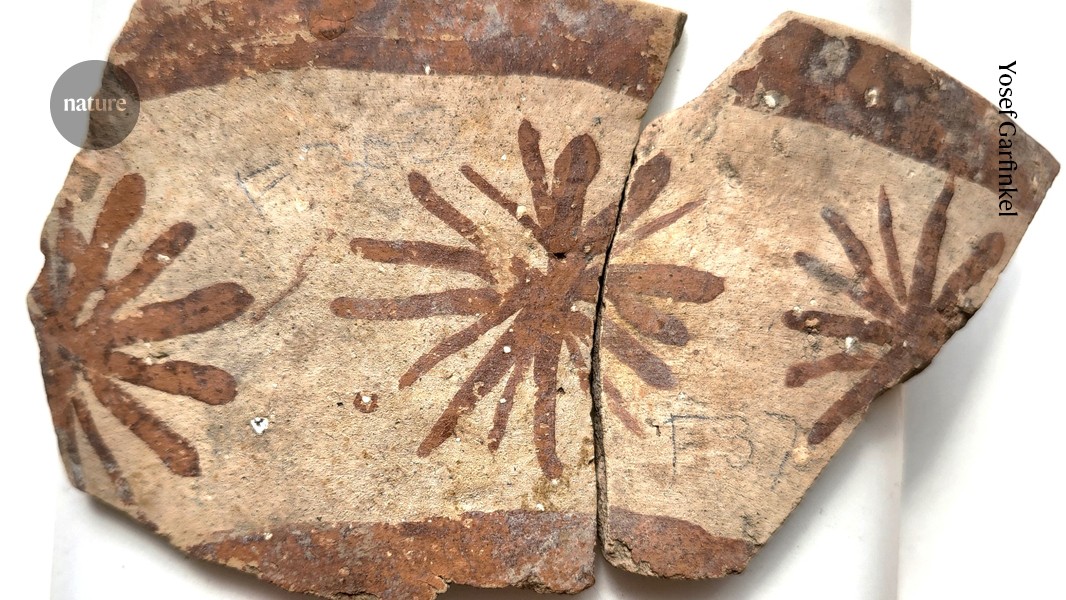
Daily briefing: Symbols on ancient pottery could be earliest evidence of mathematics

fromNature
2 months ago
Science

Daily briefing: Symbols on ancient pottery could be earliest evidence of mathematics

History
fromMedievalists.net
1 week ago

Medieval "Giant" with Trepanned Skull Discovered in Mass Grave - Medievalists.net

A 9th-century mass grave in England reveals remains of young men, suggesting violent conflict during the Viking conquest of East Anglia.
#ancient-egypt
Science
fromNature
1 month ago

How pollutants and poo paint a picture of past civilizations

Environmental archaeologists extract mud cores from swamps to analyze molecular biomarkers like coprostanol, revealing ancient human population trends and behaviors.
fromenglish.elpais.com
1 week ago

The oldest dog in the world was a puppy that lived 16,000 years ago in Turkey and ate fish

The first study analyzes canid remains from two sites: Pnarbas, on the Central Anatolian Plateau, and Gough's Cave, in Somerset, UK. The fragments from Pnarbas are extraordinarily small, but the team still managed to extract enough nuclear DNA to confirm that they were domestic dogs and not wolves.
History
Agriculture
fromArs Technica
1 month ago

Re-creating the complex cuisine of prehistoric Europeans

Hunter-gatherer-fishers across Eastern Europe combined specific regional foods into distinct preparations, mixing fish with berries, legumes, grasses, and vegetables rather than relying on fish alone.
Philosophy
fromApaonline
1 month ago

Why Engage with the Past? Philosophy and Its History

Philosophy departments distinguish between contemporary theoretical and practical philosophy addressing current issues, and history of philosophy studying outdated theories from past philosophers.
History
fromWorld History Encyclopedia
1 week ago

Ten Ancient Mesopotamia Facts You Need to Know: Fun Facts on the Cradle of Civilization

Mesopotamia, known as the cradle of civilization, saw significant innovations from 6500 BCE to the 7th century, shaping agriculture, governance, and daily life.
#neanderthal-human-interbreeding
Running
fromiRunFar
1 month ago

Time, the Great Unifier

Dylan Harris's film 'The Cutoff' explores how time functions as both constraint and possibility in ultramarathon running, revealing triumph and heartbreak among runners pursuing the Cocodona 250 Mile cutoffs.
OMG science
fromMail Online
1 month ago

Scientists recreate the lost languages of ancient humans

Scientists reconstructed ancient human species languages by analyzing fossilized skeletal imprints of soft tissues like the larynx, tongue, and brain, revealing that Neanderthals likely spoke languages understandable to early Homo sapiens.
Books
fromNature
1 month ago

Brain mysteries and Bronze Age diplomacy: Books in brief

Lionel Penrose's mid-twentieth century research connected genetic abnormalities to hand creases, establishing the hand as a significant diagnostic tool across multiple medical disciplines.
History
fromMail Online
3 weeks ago

Roman artifact found in the Americas shatters New World history

A Roman terracotta head discovered in a sealed Mexican tomb in 1933 suggests Roman contact with the Americas around 200 AD, predating Columbus by over a thousand years.
History
fromMedievalists.net
3 weeks ago

Two Medieval Men Found Buried in Prehistoric Site - Medievalists.net

Medieval men were buried in the Menga dolmen, a Neolithic monument in Spain, over 4,000 years after its construction, demonstrating the site's enduring symbolic importance across millennia.
fromwww.theguardian.com
1 month ago

Ways to Traverse a Territory review documenting an ancient and disappearing way of life

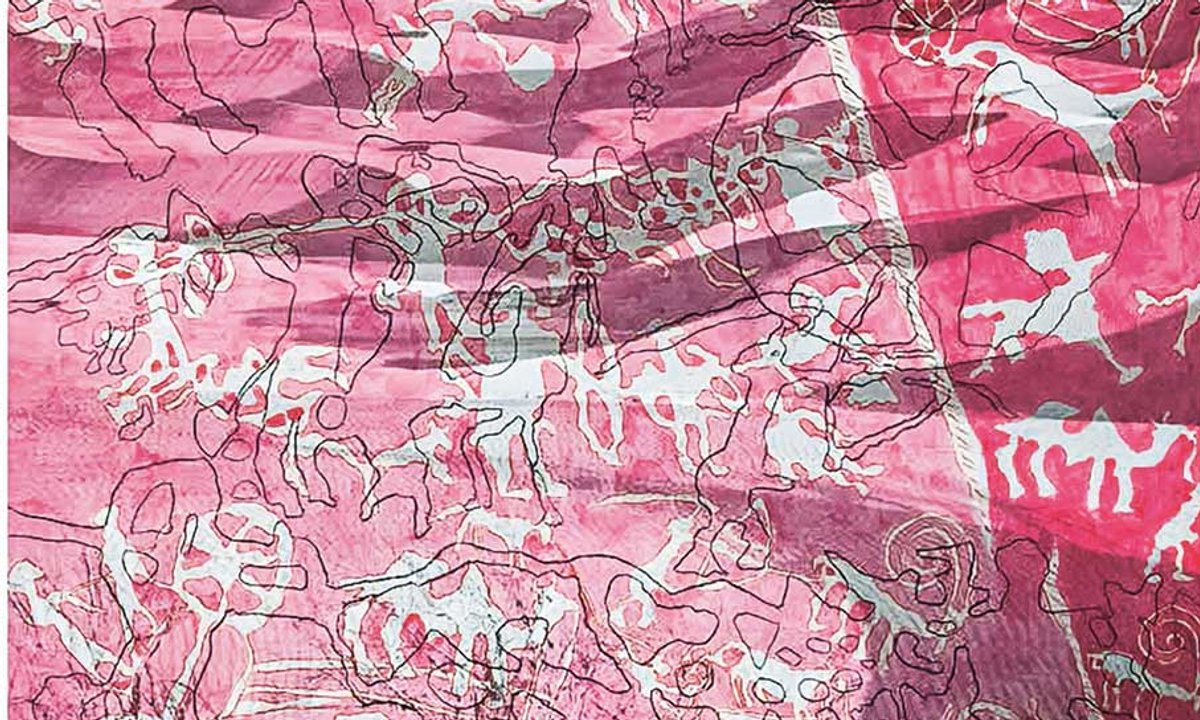
Here dwells the indigenous Tzotzil community which has kept a pastoral way of life against the march of time. Apart from the odd forest ranger and passerby, Ruvalcaba's film focuses almost entirely on the Tzotzil women. Together, they tend herds of sheep which they still shear by hand, and use traditional tools for spinning yarns and natural dye for fabrics.
Film
History
fromWorld History Encyclopedia
4 weeks ago

What Defines a Civilization?

Civilization requires a writing system, government, food surplus, labor division, and urbanization, with Mesopotamia recognized as the birthplace of civilization due to its early city construction around 5400 BCE.
Business
fromFast Company
2 months ago

Navigating the ghosts of cultures past

Organizational culture constantly changes; leaders must discern which legacy cultural elements to retain and which to remove while balancing enduring beliefs with adaptive practices.
US politics
fromEmptywheel
2 months ago

Third Cave's a Charm

Republicans will block expiration of Bush tax cuts; Democrats could see a $3.6 trillion tax increase in 2012 if Obama does not act.
History
fromWorld History Encyclopedia
4 weeks ago

From Clay to Culture: The Power of Written Language

Cuneiform, invented in Sumer around 3500 BCE, was the first script, enabling civilizations to record human thought and preserve all aspects of human experience through written communication.
Science
fromNature
1 month ago

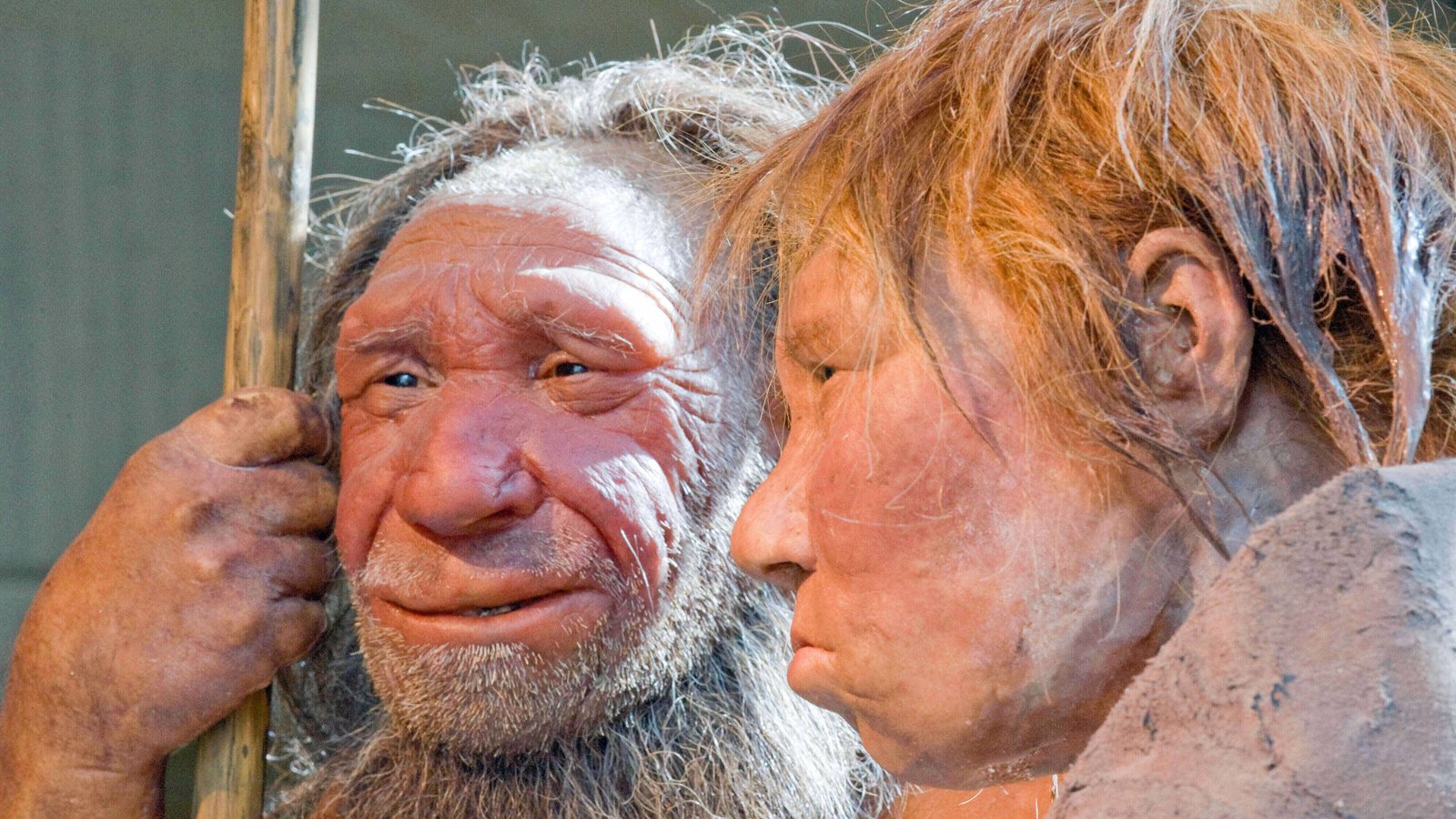
Neanderthal dad, human mum: study reveals ancient procreation pattern

Female Homo sapiens and male Neanderthals mated more frequently than the reverse pairing, shaping human genetic ancestry patterns revealed through analysis of female Neanderthal specimens.
Books
fromBig Think
1 month ago

The deep history of AI began 3,000 years ago

Organizing a library into coherent structure transforms chaotic information into an enduring, shareable 'mind' that extends and amplifies human thought.
#rock-art
History
fromMail Online
1 month ago

The first non-binary person? Stone Age woman was buried like a MAN

Stone Age societies in Hungary practiced flexible gender roles, with some individuals buried according to non-traditional gender norms, indicating tolerance for complex identities 7,000 years ago.
Science
fromwww.scientificamerican.com
1 month ago

Sex between Neandertals and anatomically modern humans tended to follow a specific pattern

Neandertal-human interbreeding was primarily between male Neandertals and female humans, evidenced by the absence of Neandertal DNA on modern human X chromosomes.
History
fromwww.thehistoryblog.com
1 month ago

Impressive Bronze Age axe found in Switzerland

A 3,500-year-old bronze axe of exceptional craftsmanship was discovered in northwestern Switzerland, likely a votive offering from the Middle Bronze Age.
fromMail Online
2 months ago

Long-lost Egyptian scroll fuels debate over real-life biblical giants

An ancient Egyptian papyrus held by the British Museum has been cited as possible evidence supporting some of the Bible's most controversial claims about giants. The 3,300-year-old document, known as Anastasi I, has been in the museum's collection since 1839 and has recently resurfaced on the Associates for Biblical Research, renewing interest in its possible links to biblical accounts. The papyrus describes encounters with the Shosu people, said to stand 'four cubits or five cubits' tall, up to eight feet in height.
Books
History
fromOpen Culture
1 month ago

Behold the First Realistic Depiction of the Human Face (Circa 25,000 BCE)

The Venus of Brassempouy, a 25,000-year-old mammoth ivory carving, represents the earliest realistic human face depiction and marks the dawn of beauty in human culture.
History
fromWorld History Encyclopedia
1 month ago

12 Great Cities of Ancient Mesopotamia: The Rise and Fall of the Earliest Cities in the World

Twelve major Mesopotamian cities including Nineveh, Uruk, Babylon, and Ur became legendary through Greek writings and yielded significant archaeological discoveries, each connected to a patron deity whose prestige determined the city's fate.
Arts
fromHyperallergic
1 month ago

Did the British Museum Remove Palestine From Its Displays?

The British Museum amended some Middle East gallery labels to use ancient regional terms like 'Canaan' while continuing to use 'Palestine' in many displays.
Science
fromNature
1 month ago

Daily briefing: Hunter-gatherers in Europe's 'water world' resisted the switch to farming for millennia

Rhine-Meuse delta populations retained substantial hunter-gatherer ancestry for millennia before steppe-related mixing spurred Bell Beaker expansion and large genetic turnovers.
History
fromMedievalists.net
1 month ago

East Roman Archaeology: Goals and Challenges, with Marica Cassis - Medievalists.net

Archaeology reveals material evidence of daily life, settlement patterns, and economic systems in the East Roman world that textual sources cannot provide, while facing challenges in establishing itself as a distinct field separate from classical and Islamic archaeology.

#poisoned-arrows
fromwww.scientificamerican.com
2 months ago

A foraging teenager was mauled by a bear 27,000 years ago, skeleton shows

We have little physical evidence of these interactions turning violent, however, because burials were rare and carnivores were more likely to finish off their prey. That's why the embellished burial site of a 15-year-old from 27,000 years ago is an important window into the past: the teenager's bones indicate he was mauled by a bear. The finding represents some of the first evidence of its kind.
Science
Science
fromFuturism
2 months ago

Scientists Investigating 2,000-Year-Old Artifact That Appears to Be a Battery

A reconstructed Baghdad battery configuration could have produced about 1.4 volts, comparable to a modern AA battery, using a porous clay separator and an electrolyte.
Science
fromNature
2 months ago

Daily briefing: Scientists delve into the smells of history

Researchers recreate historical smells and use imaging, AI, and biomedical advances to probe heritage, ancient human timelines, medical rescue devices, and rare-disease genetics.
#ancient-mathematics
Science
fromwww.nature.com
2 months ago

Author Correction: Hunter-gatherer sea voyages extended to remotest Mediterranean islands

Corrections to regional radiocarbon uncertainties do not meaningfully change conclusions about timing of the Mesolithic–Neolithic transition or maritime voyages in the central Mediterranean.
Science
fromArs Technica
1 month ago

"Million-year-old" fossil skulls from China are far older-and not Denisovans

Homo erectus fossils from Yunxian in China are dated to about 1.77 million years, making them the oldest hominins discovered in East Asia.
fromPsychology Today
1 month ago

How Brawn and Engineering-Not Brains-Led to Human Domination

I'm always looking for books that challenge the status quo, and when I learned about Roland Ennos' new book The Powerful Primate: How Controlling Energy Enabled Us to Build Civilization, I couldn't wait to get my eyes on it, and I'm thrilled I did. In this landmark book, Ennos offers "a compelling argument that flips the traditional view of humanity on its head."
Science
fromMail Online
2 months ago

Mysterious symbols spanning the globe hint at a lost civilization

His investigation began after identifying recurring giant T-shapes, three-level indents, and step pyramids carved into ancient stones worldwide. 'These specific symbols that are built in different size proportions, and the symbols are found in ancient stones around the world, are not supposed to exist; no cultures are supposed to have any cross-platform,' LaCroix explained. The symbols appear in locations ranging from Turkey's Van region to South America and Cambodia.
History
fromDefector
2 months ago

Let The Record Show That Otzi Fucked | Defector

Ötzi, the 5,000-something-year-old man found frozen in the Alps, did not have an easy go of it. He was probably murdered, shot from behind with an arrow that missed his vital organs and led to heavy bleeding and a prolonged and painful death. Days before his death, he fought another person in hand-to-hand combat and gashed his right hand. The more scientists have been able to study his body, the more ailments they have unveiled.
Science
History
fromNature
1 month ago

An ancient Roman game board's secrets are revealed - with AI's help

An ancient Roman object from the southern Netherlands most likely functioned as a blocking board game, indicating such games existed in Europe earlier than believed.
History
fromMail Online
2 months ago

Father of alien archaeology says pyramids not built by human hands

Erich von Däniken claimed extraterrestrials aided ancient civilizations in building pyramids, but archaeological evidence attributes pyramid construction to organized human labor.
History
fromWorld History Encyclopedia
2 months ago

Clothing Through History: Fashion Across Three Millennia

Clothing across centuries signaled social status, practical needs, and personal identity, varying by materials, colours, and silhouettes across cultures and eras.
History
fromBuzzFeed
1 month ago

People Are Sharing The Most Interesting Things They've Discovered About Their Ancestors

Descendants discovered ancestors including a Greek-knighted inventor who saved grape crops, writer E.T.A. Hoffman, and bank robber Pretty Boy Floyd.
History
fromwww.thehistoryblog.com
2 months ago

Bronze Age tombs with luxury imported goods found in Cyprus

Two 14th-century BCE chamber tombs in Larnaca contained locally made and widely imported luxury goods, demonstrating extensive long-distance trade networks.
History
fromWorld History Encyclopedia
1 month ago

Mesopotamian Education: Creating the First Written Works in History

The Sumerians established formal scribal schools (edubba) after inventing writing, training students in cuneiform, Sumerian and Akkadian, and a broad range of scholarly subjects.
[ Load more ]