#project-greenland
#project-greenland
[ follow ]
#greenland #climate-change #nato #us-denmark-relations #arctic-security #geopolitics #us-foreign-policy



Philosophy
fromwww.theguardian.com
20 hours agoI'm worried there's too much of me,' says a birch: inside the interspecies council giving nature a voice
Interspecies councils expand governance representation to include non-human voices, promoting a shift in consciousness about our relations with nature.


#climate-change
Mental health
fromPsychology Today
3 days agoA New Narrative for Planetary Health in the Hybrid Era
Perceiving crises as external leads to helplessness and disengagement, while recognizing agency fosters positive outcomes and behavior change.
Snowboarding
fromSnowBrains
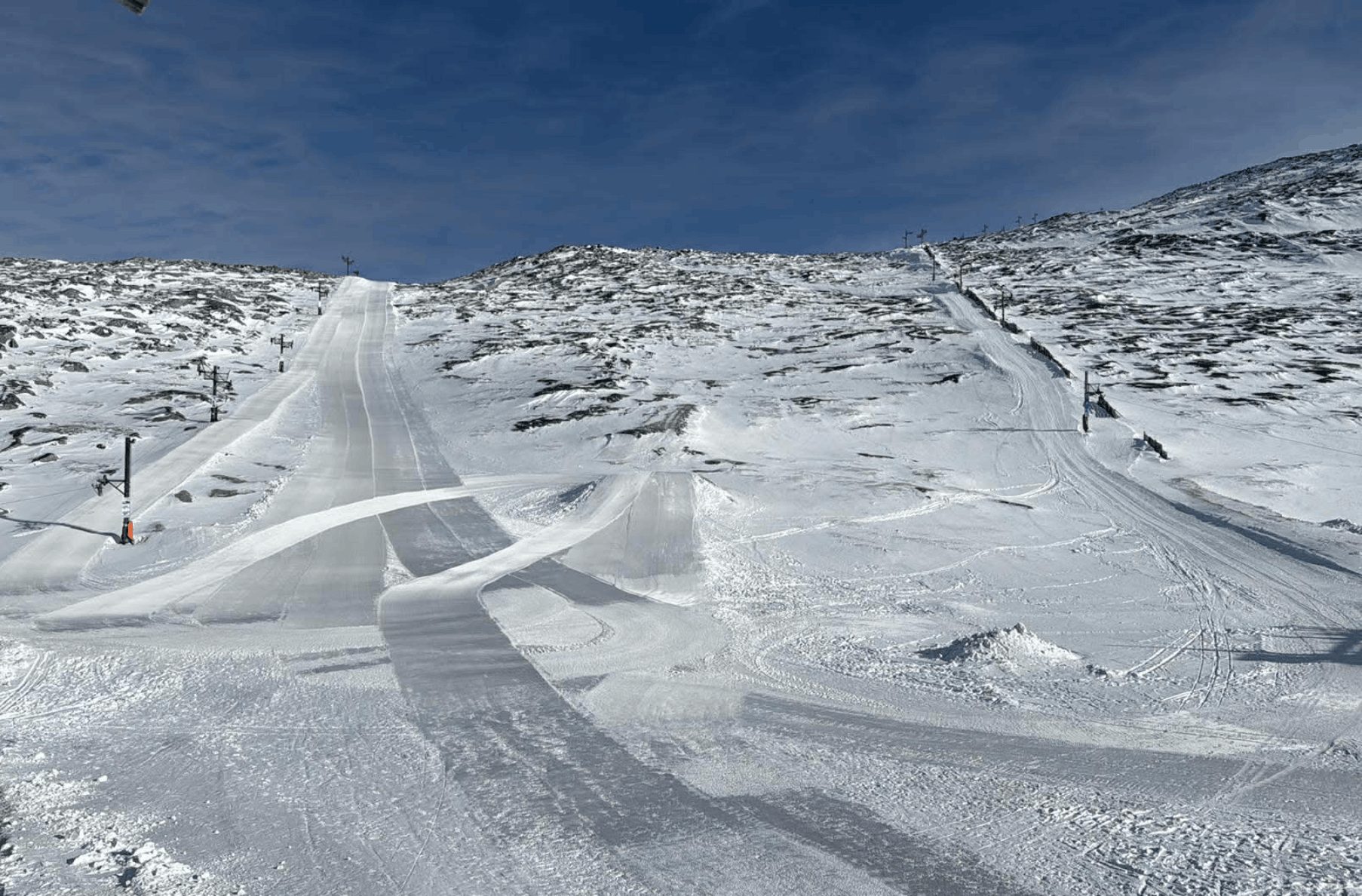
3 weeks agoFor the First Time in 25 Years, Greenland Ski Resort Remains Closed Amid Warmth and Low Snow Totals - SnowBrains
Greenland's Sisorarfiit Skiliften ski resort failed to open for the first time in 25 years due to record-breaking warm temperatures and insufficient snowfall.
fromenglish.elpais.com
4 days agoAntarctica, a continent of scientific cooperation and a beacon of peace in an antagonistic world
Antarctica is one of the most successful models of peaceful governance and international cooperation. If we don't actively work to build peace, what naturally arises is tension and conflict.
World politics
Canada news
fromwww.theguardian.com
3 weeks agoCanada wants to build up its long-neglected Arctic. The hard question is how
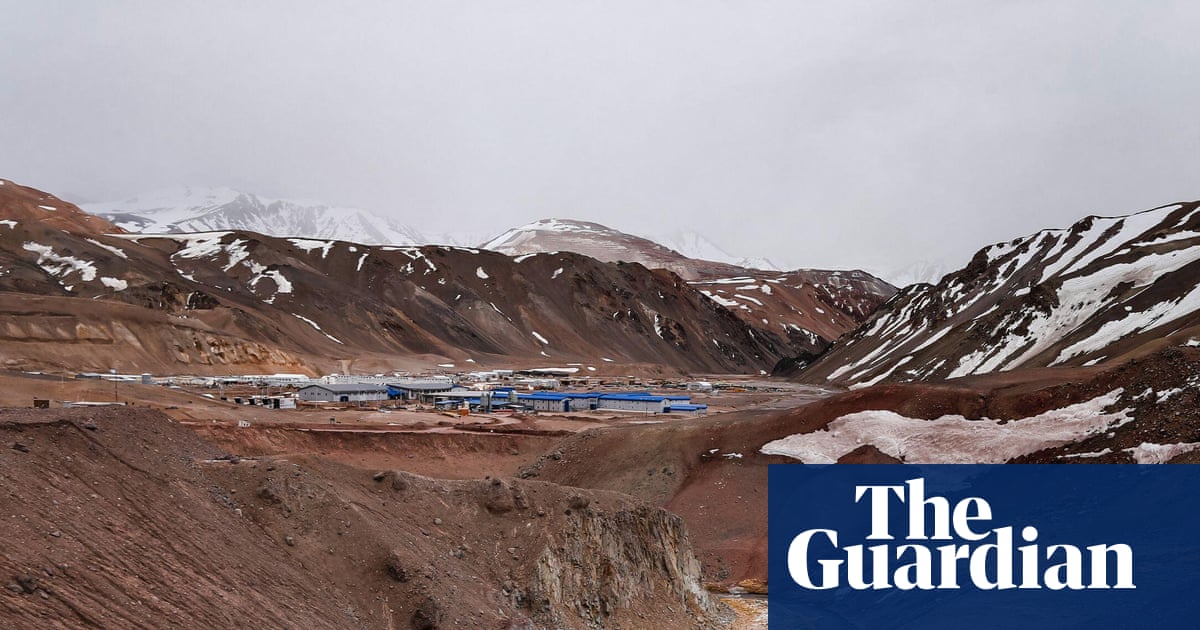
Canada is investing in Arctic infrastructure including roads and ports to develop mining potential, strengthen sovereignty, and counter Trump administration pressures through a nation-building initiative.
fromwww.theguardian.com
2 days agoNon-survivable': heatwaves are already breaching human limits, with worse to come, study finds
When scientists applied a new model of human survivability that takes into account the body's ability to function and stay cool depending on age, they found all six events had seen non-survivable periods for older people who could not find shade.
Environment
fromNature
4 days ago'Net zero' isn't madness: the staggering economic costs of climate change
The overarching message of The Economics of Climate Change: The Stern Review was that failing to invest in mitigating climate change would exact an alarmingly high price, estimated between 5% and 20% of global GDP per year.
Environment
fromThe Atlantic
1 month agoThe Blind Spot at the Top of the World
He had flown in from Mar-a-Lago and, he told me, was there to observe. The next day, he watched as Åsa Rennermalm, a Rutgers University professor who studies polar regions, sat onstage with European foreign ministers and spoke out against cuts to U.S. science funding. "A leading US Arctic scientist is on stage absolutely ripping her country to the delight of the audience," Dans wrote on X. "Embarassing." He punctuated his post with an American-flag emoji.
US politics
Canada news
fromArchitectural Digest
1 month agoIn Greenland, Design Meets Glaciers, Gravesites, and a Galactic Ocean
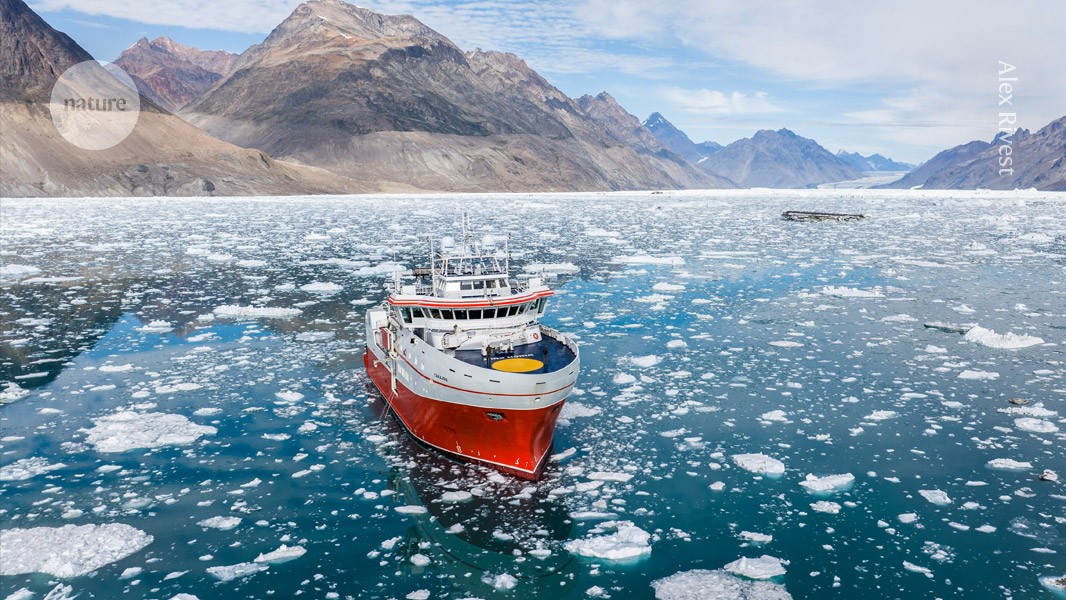
Modern expedition cruising makes remote Arctic sites like Beechey Island and Franklin’s wrecks accessible, blending comfortable travel with encounters of historical tragedy and extreme conditions.
fromwww.dw.com
2 months agoArctic scientists 'feel pretty uncomfortable' on Greenland
Decades of successful scientific collaboration could be at risk if Europe-US political relations continue to fray over trade and defense issues. For more than 30 years, Arctic nations have worked together across the physical, biological and social sciences to understand one of the world's fastest changing regions. Since the late 1970s, the Arctic has lost around 33,000 square miles of sea ice each year roughly the same area as Czechia.
Science
fromwww.dw.com
2 months ago'Hands off Greenland' protests to draw thousands
Protests are also planned in the Danish cities of Aarhus, Aalborg, and Odense. The demonstration in Greenland's capital, Nuuk, is scheduled to begin at 4:00 pm (1500 GMT), according to the organizers, who say it is "against the United States' illegal plans to take control of Greenland." Demonstrators are set to march to the US consulate carrying Greenlandic flags. At least 900 people in Greenland said on its Facebook page that they planned to participate in the event.
Miscellaneous
fromWIRED
1 month agoThe ICE Expansion Won't Happen in the Dark
ICE has designs on every major US city. It plans to not only occupy existing government spaces but share hallways and elevator bays with medical offices and small businesses. It will be down the street from daycares and within walking distance of churches and treatment centers. Its enforcement officers and lawyers will have cubicles a modest drive away from giant warehouses that have been tapped to hold thousands of humans that ICE will detain.
US politics
fromFast Company
2 months agoHow Trump's Greenland ambitions could destroy the modern world order
President Donald Trump's relentless and escalating drive to acquire Greenland from Denmark, whose government- along with that of Greenland-emphatically rejects the idea, has unnerved, offended, and outraged leaders of countries considered allies for decades. It's the latest, and perhaps most significant, eruption of an attitude of disdain towards allies that has become a hallmark of the second Trump administration, which has espoused an America First approach to the world.
US politics


fromenglish.elpais.com
2 months agoArctic warming Trump dismisses reaches record highs, stoking interest in Greenland
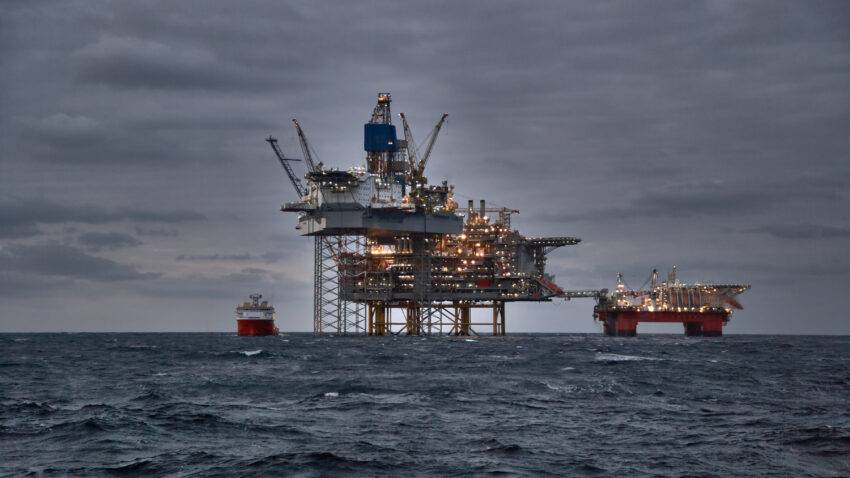
Climate change which U.S. President Donald Trump calls the greatest con job ever perpetrated in the world is precisely what is driving the push to gain control of Greenland, an ambition openly declared by Trump. Human-caused global warming is reaching record levels in the Arctic region. This triggers ice melt, opening new shipping routes that major powers want to control, as well as theoretically easier access to the island's resources minerals and fossil fuels.
Environment
fromwww.aljazeera.com
2 months agoWho owns the Arctic?
Global warming is thawing the Arctic and igniting a high-stakes race for the riches beneath its ice. Global warming is heating up the Arctic, and global powers like the United States, Russia and China are manoeuvring to stake a claim to the resources under its melting ice. Some experts say the region, once known as an exception an island of international cooperation in the midst of geopolitical struggles is becoming the site of a second cold war.
World news
fromwww.scientificamerican.com
2 months agoSvalbard's polar bears are showing remarkable resilience to climate change
Polar bears are the poster children of climate changeand for good reason. These giant bears hunt, mate and spend their days hanging out on Arctic sea ice, which is rapidly disappearing as the climate warms. But some polar bears, it seems, are far more resilient than we realized: new research suggests that in one region, the bears are adapting to the declining sea ice.
Environment
[ Load more ]