#protected-intersections
#protected-intersections
[ follow ]
#transportation #urban-planning #infrastructure #new-york-city #public-transportation #traffic-safety


Wearables
fromYanko Design - Modern Industrial Design News
1 day agoSkoda's smart bicycle bell cuts through ANC headphones to alert zoned out pedestrians - Yanko Design
Škoda Auto's DuoBell is designed to alert pedestrians wearing noise-cancelling headphones to approaching bicycles, addressing urban safety concerns.
Portland
fromPortland Mercury
2 days agoGood Morning, News: Mercury Transportation Issue Drops and Broadway Bridge Reopens? In the Same Week? Curious. - Portland Mercury
A Northeast Portland drug treatment facility closed, affecting nearly 50 women, while local news covers transportation issues and a lawsuit against PacifiCorp.
#curb-management
New York City
fromwww.amny.com
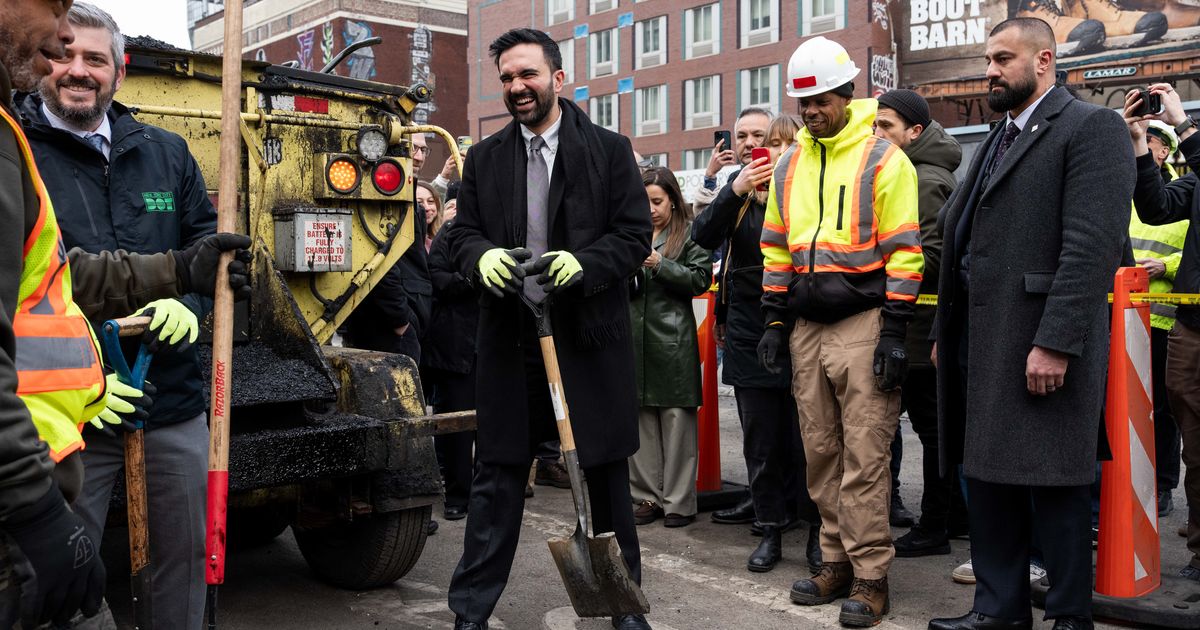
4 days agoTaming the streets: Mamadani establishes Office of Curb Management to calm chaotic public streets
A new Office of Curb Management will organize NYC's streets and curbside parking to enhance safety and accessibility for all users.
#public-transportation
New York City
fromStreetsblog
3 weeks agoTuesday's Headlines: We Love A Parade (For Pedestrians) Edition - Streetsblog New York City
Mayor Mamdani marches in St. Patrick's Day parade; parade organizers encourage public transit over cars due to spectator crowds, reflecting daily transportation best practices.
Bicycling
fromYanko Design - Modern Industrial Design News
1 day agoThis Bike Cargo System Gives Your Bike a Face With 12 Color Zones - Yanko Design
Chamelion offers a modular, customizable cargo system for bikes that enhances aesthetics and functionality, treating cargo gear as part of the bike's identity.
Alternative transportation
fromSustainable Bus
2 days agoCopenhagen achieves 100% electric bus network as Movia deploys 62 new units - Sustainable Bus
Movia has deployed 62 electric buses, achieving 72% electrification of its fleet and completing the transition of all municipal bus lines in Copenhagen to electric operation.
Public health
fromStreetsblog New York City
3 days agoNeed To Kill Cross Bronx Widening Plan Is Obvious Amid Slight Congestion Pricing Pollution Uptick - Streetsblog New York City
Gov. Hochul has delayed a decision on widening the Cross Bronx Expressway due to concerns over increased pollution in the Bronx.
#traffic-safety
San Francisco
fromStreetsblog San Francisco
4 days agoThe Kirkham Neck-Down Worked for Safety, So San Francisco Removed it - Streetsblog San Francisco
SFMTA removed the neck-down safety feature on Kirkham, replacing it with speed humps and median islands despite evidence of its effectiveness in slowing traffic.
fromFast Company
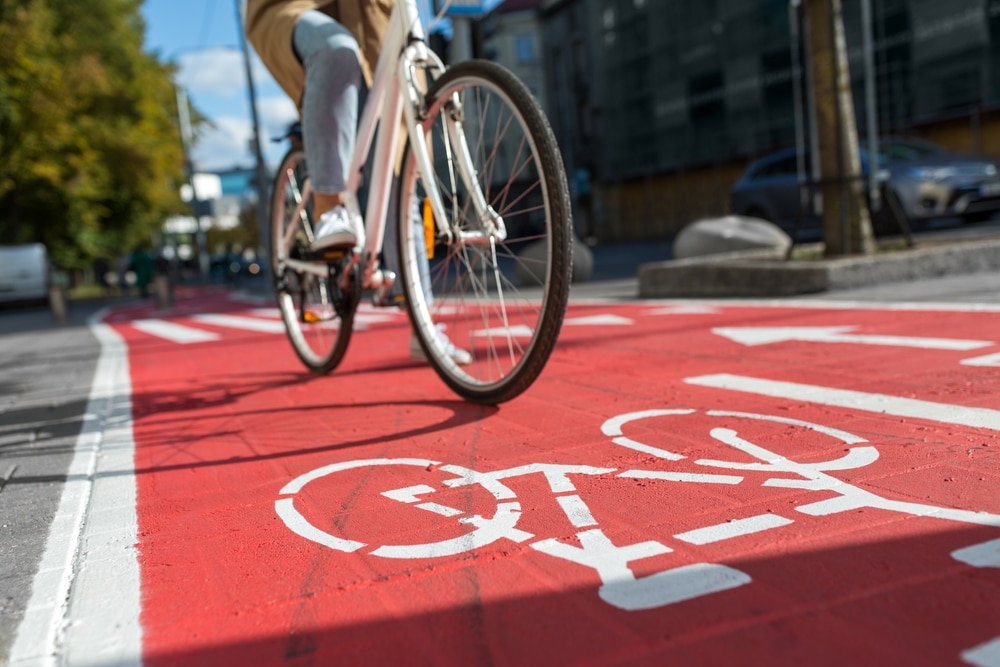
1 week agoHow Paris redesigned itself to be a city of bikes-not cars
"This project is symbolic of what we've done over the last 12 years, reshaping the streets and the city," Christophe Najovski, the city's deputy mayor in charge of green spaces, stated during the opening ceremony.
Paris food
#urban-logistics
Alternative transportation
fromLondon Business News | Londonlovesbusiness.com
3 days agoThe 2026 urban logistics challenge: Managing delivery hubs in the city - London Business News | Londonlovesbusiness.com
Cities are becoming critical for delivery management due to e-commerce growth, requiring innovative logistics solutions to meet consumer expectations.
fromTime Out New York
4 days ago50+ NYC streets are going completely car-free for Earth Day
"Car-Free Earth Day is a reminder that we only have one planet-and that our streets play a critical role in our fight against climate change," said NYC DOT Commissioner Mike Flynn in a statement.
Alternative transportation
fromTime Out New York
5 days agoCiti Bike is giving away unlimited free rides to New Yorkers for Earth Day
"Car-Free Earth Day is a reminder that we only have one planet-and that our streets play a critical role in our fight against climate change," said NYC DOT Commissioner Mike Flynn in an official statement.
Alternative transportation
#urban-planning

Brooklyn
fromNew York Post
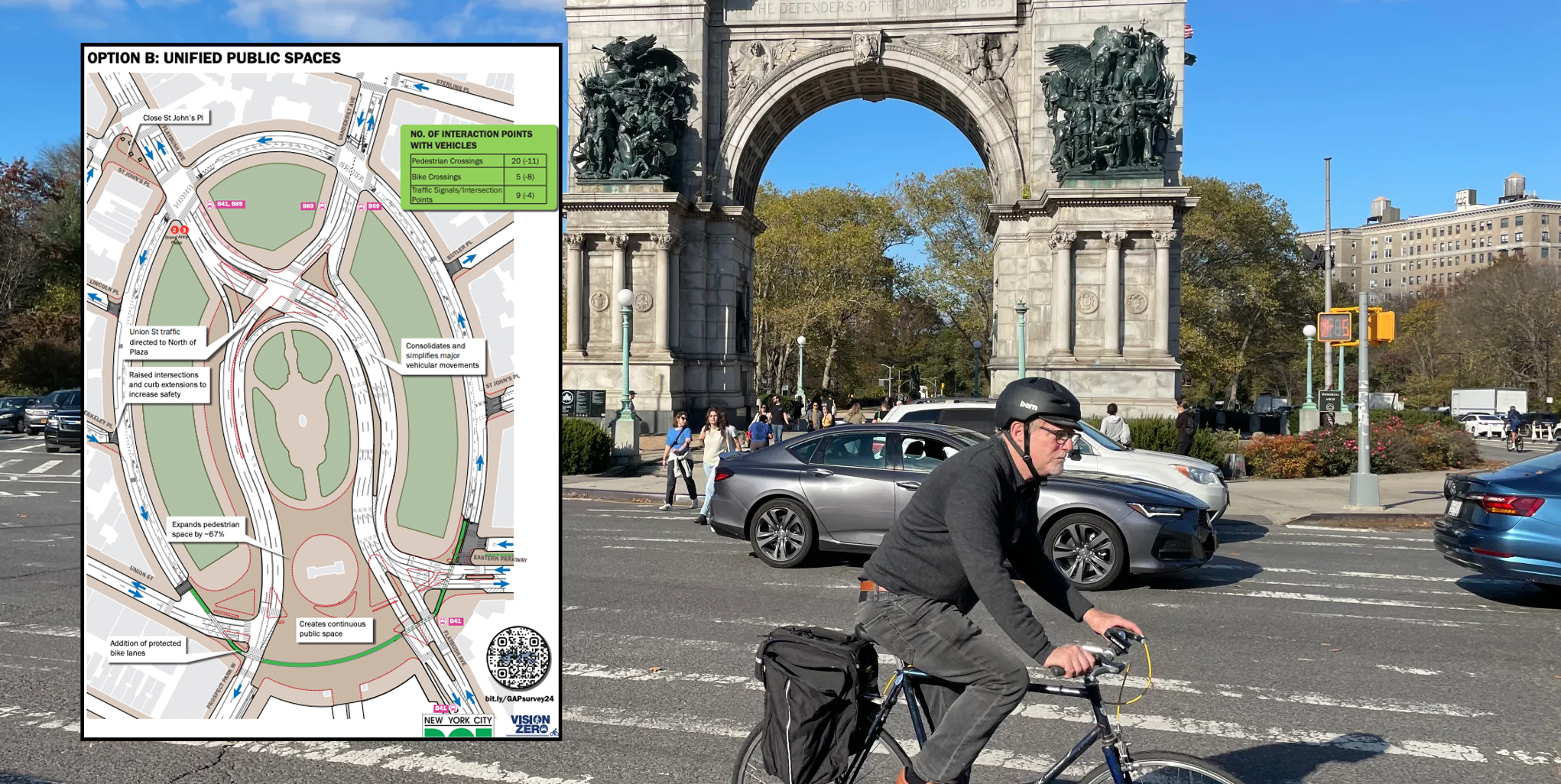
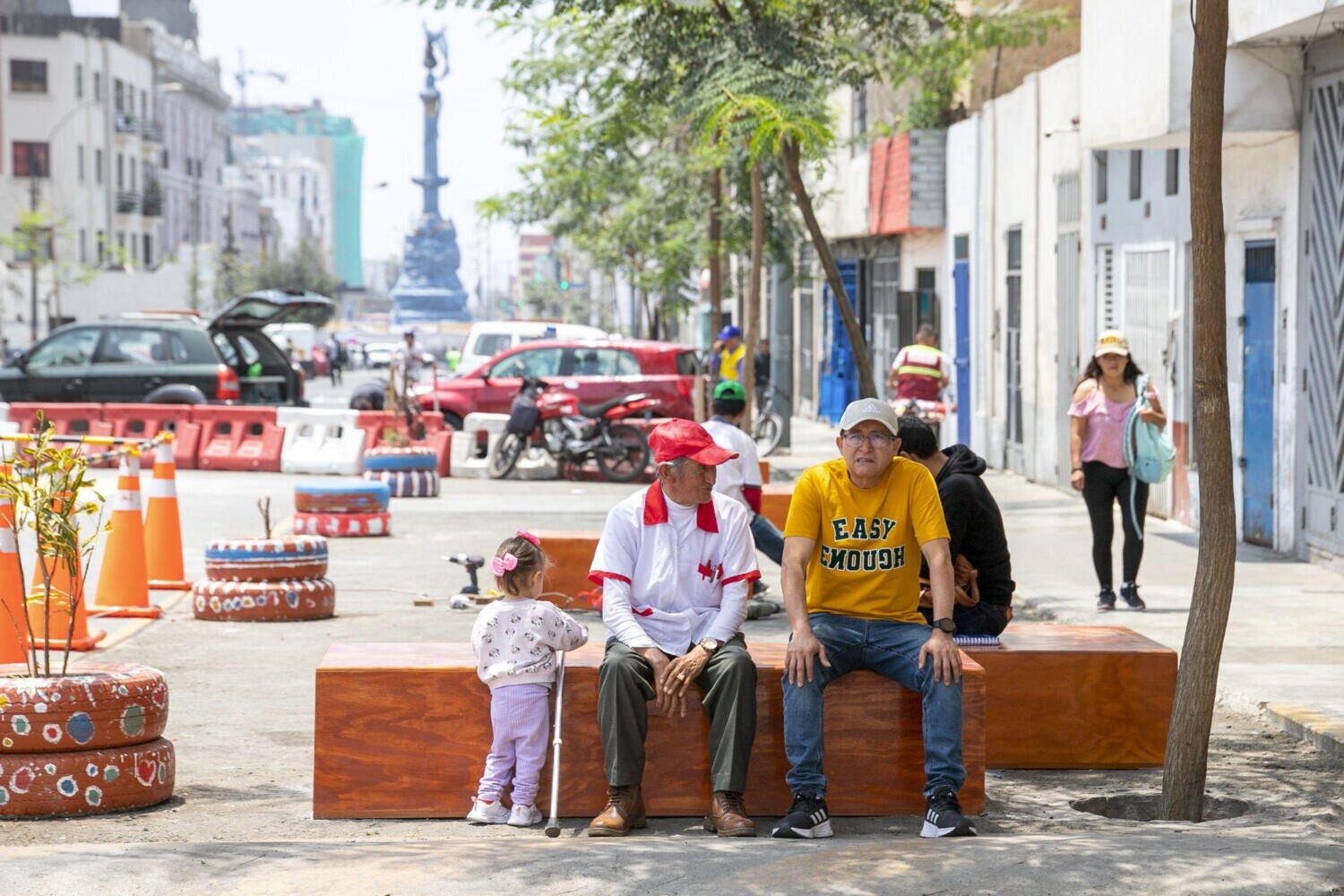
4 weeks agoExclusive | Car-hating NYC pol wants 5 million square feet of new 'pedestrian space' - critics fear 'more gridlock'
A Brooklyn councilman proposes creating 1 million square feet of annual pedestrian space over five years, requiring the city to prioritize car-free zones near transit hubs without estimating parking and lane losses.
fromStreetsblog
2 weeks agoWhy This State Is Fighting To Get Its First 'Active Transportation Plan' - Streetsblog USA
Missouri is the most populous state without a statewide active transportation plan, despite nearly one-third of its residents lacking a driver's license and alarming fatality rates among vulnerable road users.
Alternative transportation
fromFast Company
2 months agoWhat is Complete Streets design and why should we all be using it?
In the 1950s, the Air Force designed cockpits for the average pilot by measuring thousands of pilots and calculating the average for ten key physical dimensions-height, arm length, torso size, etc. They assumed most pilots would be close to average in most dimensions. When researchers actually checked, they found that out of 4,063 pilots, exactly zero were average on all ten dimensions.
Cars
fromStreetsblog
2 months agoImproving Road Safety Is A Win For The Climate, Too - Streetsblog USA
Hundreds of preventable fatalities and more than 13 million metric tons of climate pollution would be avoided by 2045 if Congress passed legislation that answered advocates' long- time demand to require state DOTs to set declining annual fatality targets - and reallocate highway money to safety projects if they don't meet those goals, according to a new analysis from Evergreen Action.
US politics
fromFast Company
1 month agoWhy urban planners should strive for 'the photo album standard'
My family had Slide Show Night when I was growing up. Not every Saturday, but a whole bunch of Saturdays. Either my sister or I would be in charge of setting up the projector, the screen, and loading the carousel. During the show, there'd be a few landscapes or skylines taken during vacations, but almost all the shots were up close. Like most dads, mine wasn't a professional photographer, but he did a good job of capturing memory triggers: faces, gestures, and decorations.
Photography
Alternative transportation
fromStreetsblog
3 weeks agoWhy Some Congresspeople Want to Go Big on Greenways - Streetsblog USA
The Parks to People Act proposes $300 million in federal funding for walking and biking infrastructure as essential transportation tools, despite political opposition dismissing them as distractions.
fromArchDaily
2 months agoHealth, Habitat, and Civic Infrastructure: Designing the City as a National Park
Cities around the world share a common goal: to become healthier and greener, supported by civic infrastructure that restores ecosystems and strengthens public life. The question is how to reach this. Global climate targets, local building codes, and municipal standards increasingly guide designers and planners toward better choices. Still, many cities struggle to translate these frameworks into everyday, street-level comfort and long-term ecological protection.
Environment

New York City
fromHoodline
1 month ago14th Street redesign: bike lanes, plazas and public workshops
Manhattan's 14th Street busway is transitioning from temporary to permanent infrastructure with protected bike lanes, expanded plazas, and upgraded bus boarding islands to enhance transit, cycling, and pedestrian safety.
Alternative transportation
fromFast Company
4 weeks agoTraffic safety improvements frequently die by popular vote. It's time to stop that
Vision Zero, a Swedish road safety philosophy, proves traffic deaths are preventable through proper street design, enforcement, and awareness, yet Americans resist safety improvements due to normalized traffic violence.
fromArchDaily
1 month agoMobility Justice: Urban Equity in an Era of Innovation
Every city contains two transportation systems. One is the visible network of roads, rail lines, sidewalks, and bus routes mapped in planning documents. The other is the invisible geography of privilege and exclusion embedded within it: the neighborhoods that received highways instead of parks, the communities whose bus routes were cut, the sidewalks that abruptly end at the edge of a district.
Alternative transportation
[ Load more ]