#public-mismanagement
#public-mismanagement
[ follow ]
#new-york-city #city-council #mayor-mamdani #transparency #local-government #public-health #local-politics
fromNextgov.com
1 day agoOMB's examination of Mythos is 'not giving access to anything to agencies,' official says
OMB is not giving access to anything to agencies, according to a spokesperson, despite the administration's interest in the powerful Mythos AI model that identifies digital vulnerabilities.
Washington DC
Non-profit organizations
fromwww.amny.com
2 days agoNY Inspector General says she's working to bring the public into government integrity as Trump erodes public trust | amNewYork
The New York inspector general's office aims to enhance public trust through transparency and integrity in government operations.
World politics
fromenglish.elpais.com
2 days agoExperts call for tighter controls on prediction markets: They pose underappreciated threats to democratic integrity'
Prediction markets raise ethical concerns and potential manipulation risks, prompting calls for stricter regulation to protect democratic integrity.
#new-york-city

New York City
fromThe Haitian Times
5 days agoWith 100 days in office, how is Mayor Zohran Mamdani doing?
Mayor Zohran Mamdani has made progress on key promises but faces significant challenges in governance and public approval.
New York City
fromStreetsblog New York City
6 days agoFIRST ON STREETSBLOG: Mamdani To Fully Fund Trash Containerization - Streetsblog New York City
Mayor Mamdani will implement citywide containerization of residential trash by 2031 to improve New York's sidewalks.



#zohran-mamdani

New York City
fromwww.amny.com
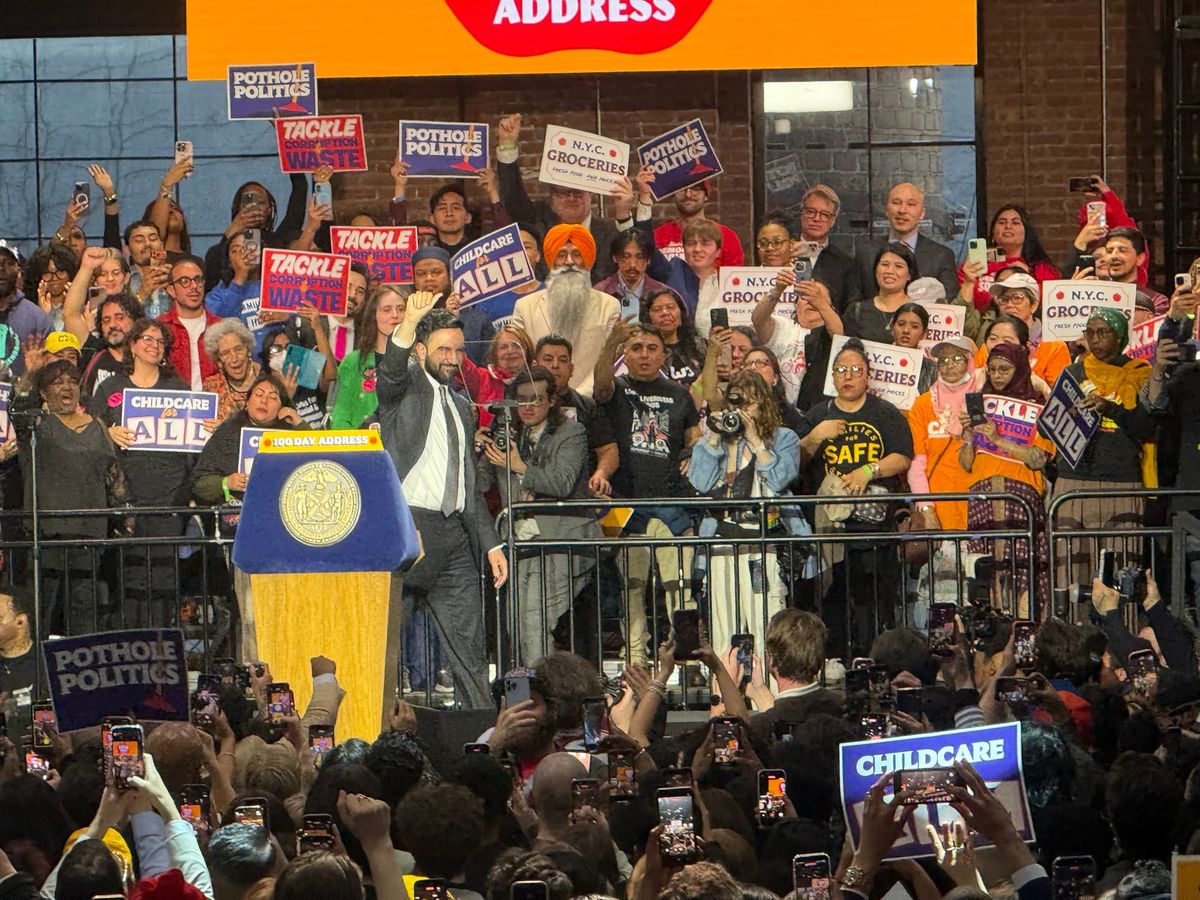
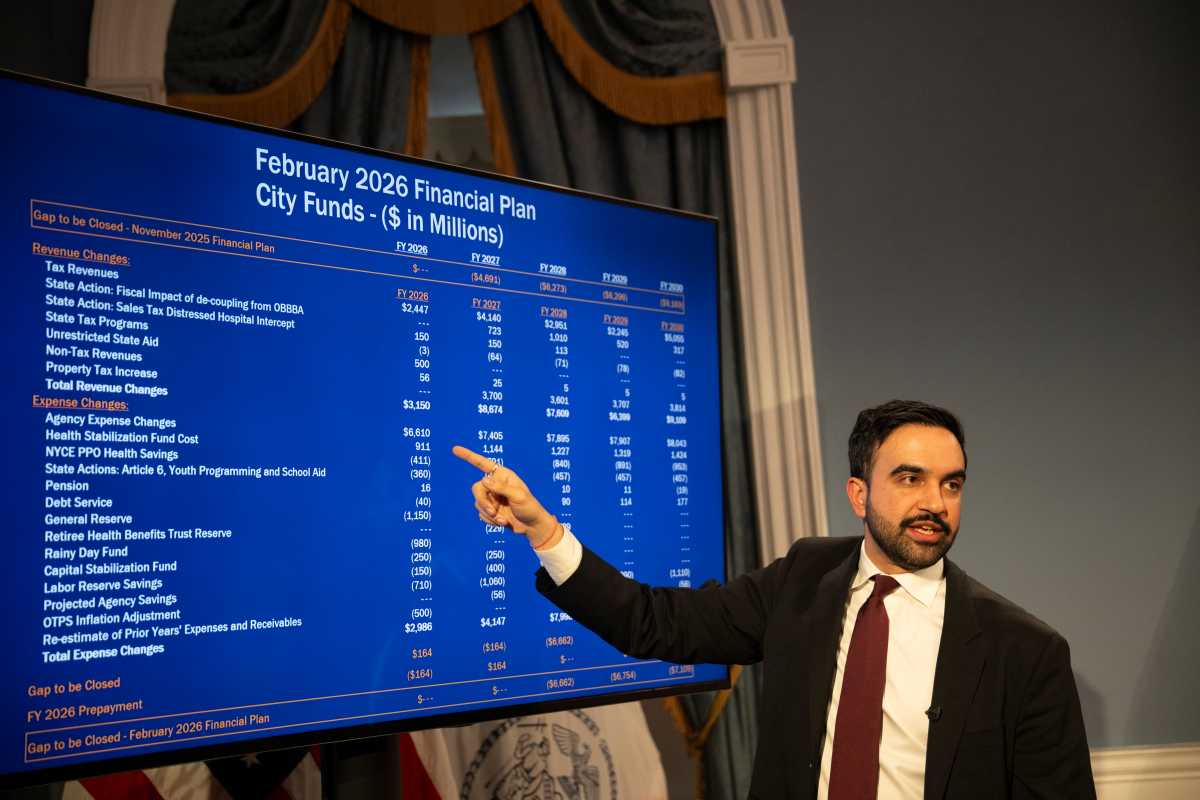
6 days agoMamdani's first 100 days milestone ends where governing begins: The budget, and fixing a $5.9 billion hole | amNewYork
Mayor Zohran Mamdani's first 100 days focus on demonstrating government effectiveness, with the upcoming budget fight as a critical test of his leadership.
fromLos Angeles Times
1 month agoFour of the five civilians who oversee the LAFD step down
The fire commissioners are appointed by the mayor and are supposed to provide civilian oversight for the Fire Department. But during critical discussions about the Palisades fire, the commissioners have largely been quiet. Addressing the LAFD's failure to fully extinguish the Lachman fire, which later reignited into the Palisades fire, Chief Jaime Moore conceded at a January board meeting that mop-up procedures needed to be strengthened.
Los Angeles
SF politics
fromMission Local
1 month agoMonths and millions later, maybe few changes to city commissions after all
San Francisco's Commission Streamlining Task Force recommendations to cut or weaken dozens of city commissions face minimal board support and will likely result in only minor, non-controversial changes like eliminating inactive bodies.
Boston
fromBoston.com
4 weeks agoCity Council calls for more transparency from Wu over transportation projects
Mayor Wu's requirement for personal approval of transit and road safety projects has caused significant delays, prompting even her allies on the City Council to demand increased transparency and accountability.
fromwww.bbc.com
3 weeks agoCampaigners celebrate after new town plans dropped
Campaigner Aysha Hawcutt stated that residents were 'not anti-homes', but believed the Adlington plan was 'the wrong proposal in the wrong place'. She expressed pride in the community's resilience against the development threats.
London politics
fromInvestigative Post
2 weeks agoInvestigative Post event on reforming Buffalo and NY government.
John Kaehny has written and successfully lobbied for the passage of state and New York City laws related to government transparency and accountability, including the first open data law in the world in 2012.
NYC politics
Fundraising
fromNonprofit Quarterly | Civic News. Empowering Nonprofits. Advancing Justice.
1 month agoInformation as Civic Infrastructure-and How Philanthropy Can Support the Ecosystem | Nonprofit Quarterly | Civic News. Empowering Nonprofits. Advancing Justice.
Philanthropy should prioritize funding the information ecosystem as foundational infrastructure, since well-designed programs fail without reliable, trusted information enabling public understanding and collective decision-making.

fromThe Mercury News
2 months agoLetters: Fight over gate raises questions of government service
The spat over 1,000 feet of Morrison Canyon Road reflects a question that applies at all levels of government: Do elected officials serve voters broadly or a few wealthy donors? The current issue is whether Fremont controls the road that the Alameda County Board of Supervisors ceded to Christopher George, who has now blocked access with a gate. But it is part of a longer battle that has included the board considering George's request for the land after his company
East Bay real estate
New York City
fromwww.amny.com
1 month agoEditorial | NYC spends too much money. It's time to get things under control. | amNewYork
New York City faces a $7.3 billion budget deficit over two fiscal years due to chronic overspending relative to revenue, with structural imbalances threatening municipal bond ratings.
UK news
fromLondon Business News | Londonlovesbusiness.com
2 months agoEmergency government bailouts needed by third of councils over next three years - London Business News | Londonlovesbusiness.com
Over a third of councils and nearly half of social care councils are likely to need emergency government bailout agreements to set budgets within three years.
fromEntrepreneur
2 months agoHow to Win Big With Public-Sector Partners
Understanding the difference in purpose Unlike private businesses, which exist to make a profit, public institutions are designed to create impact - especially social and economic outcomes that benefit everyone, not just paying customers. A public agency doesn't measure its success in revenue or margins, but in how much it improves lives, builds equity and maintains public trust. This doesn't mean budgets and spending don't matter - they absolutely do - but money is not the goal. It's the tool.
World politics
fromThe Atlantic
2 months agoPurge the Public Servants
In this new season, I'm asking how the Trump White House is rewriting the rules of U.S. politics, and talking to Americans whose lives have been changed as a result. Today's episode examines the destruction of the civil service: the removal of professionals, and their replacement with loyalists. I've seen this kind of transformation before, in other failing democracies. Everyone suffers from the degradation of public services.
US politics
fromwww.theguardian.com
1 month agoDirty water, death and decline: the inside story of a privatisation scandal
Sarah Lambert took her usual morning swim for 40 minutes off Exmouth town beach before her volunteer shift helping disabled people get access to the water. A wheelchair user herself, Lambert's regular sea swims twice a week between the lifeboat station and HeyDays restaurant were the perfect form of exercise for her disability.
Public health
Canada news
fromwww.cbc.ca
2 months agoCity staff stealing packages, working other jobs on sick leave: What Toronto's auditor uncovered in 2025 | CBC News
Employee fraud, mismanagement, and attempted multimillion-dollar scams caused financial loss, damaged morale, and led to disciplinary bans from Toronto's workforce.
US politics
fromLos Angeles Times
2 months agoCharter Reform Commission, L.A. City Council look to impose transparency rules
Los Angeles City Council passed an ordinance requiring Charter Reform Commission members to disclose private communications with elected officials and staff to boost transparency.
US politics
fromNonprofit Quarterly | Civic News. Empowering Nonprofits. Advancing Justice.
2 months agoDemocracy Dies in the Homeowners Association | Nonprofit Quarterly | Civic News. Empowering Nonprofits. Advancing Justice.
Renters often lack voting rights in HOA governance, leaving them subject to private rules, fines, and decisions without representation.
UK politics
fromwww.theguardian.com
1 month agoCouncil leader claims local authority bullied' to delay polls for extra funding and powers
Norfolk council leader withdrew from devolution and LGR after government reversed election postponement, accusing ministers of bullying by tying funding and powers to cancelling elections.
fromStreetsblog
2 months agoMonday's Headlines: Bureaucratic Morass Edition - Streetsblog New York City
DOT's rules brought those establishments under the umbrella of the city's "long-term" and "short-term" concession regulations. The short-term concessions allow outdoor vendors to operate a max of 29 days out of the year. The long-term concession takes about a year to get set up. That would appear to leave restaurateurs on a handful of open streets shit-out-of-luck, including the so-called Dimes Square on Canal Street, which had planned to operate for 183 days this year.
New York City
fromStreetsblog
2 months agoTen Years of Placard Abuse: The Criminal Practice that Mamdani Must End - Streetsblog New York City
Mayor Mamdani swept into Gracie Mansion on the promise of ending widespread corruption around policing and street safety. He can do both by laser-focusing his efforts on eliminating the prevalent abuse and forgery of parking placards. Mamdani has a rare chance to permanently halt this dangerous and criminal practice, and, in doing so, radically alter the balance of power in New York City. For the past decade, under the handle @placardabuse, we've documented how a large contingent of car drivers misuse their parking privileges -
New York City
[ Load more ]