#quantum-dot-oled
#quantum-dot-oled
[ follow ]
#technology #smart-glasses #qd-oled #samsung #oled #alienware #display-technology #display-innovation #lg


fromYanko Design - Modern Industrial Design News
3 weeks agoLG's World-First 1Hz Panel Gives the Dell XPS 48% More Battery - Yanko Design
LG Display's Oxide 1Hz panel is the first mass-produced LCD laptop screen that adjusts its refresh rate based on the content displayed, dropping to 1 Hz for static images and scaling up to 120 Hz for video or gaming.
Gadgets
fromNature
2 months agoMaximizing perovskite electroluminescence with ordered 3D/2D heterojunction - Nature
Metal halide perovskites have emerged as a material for LEDs owing to exceptional luminescent properties and cost-effective solution processability4,5,6,7,8,9,10. Quasi-2D PeLEDs have demonstrated superior device performance and reproducibility because of their quantum well structures9,11,12,13,14,15,16. However, quasi-2D perovskites are usually composed of hybrid and random 3D-2D phases and face two critical challenges: (1) abundant surface defects will lead to severe non-radiative recombination7,17,18,19 and (2) notable energy disorder will interrupt charge transport, hence reducing device efficiency20,21.
Science


fromEngadget
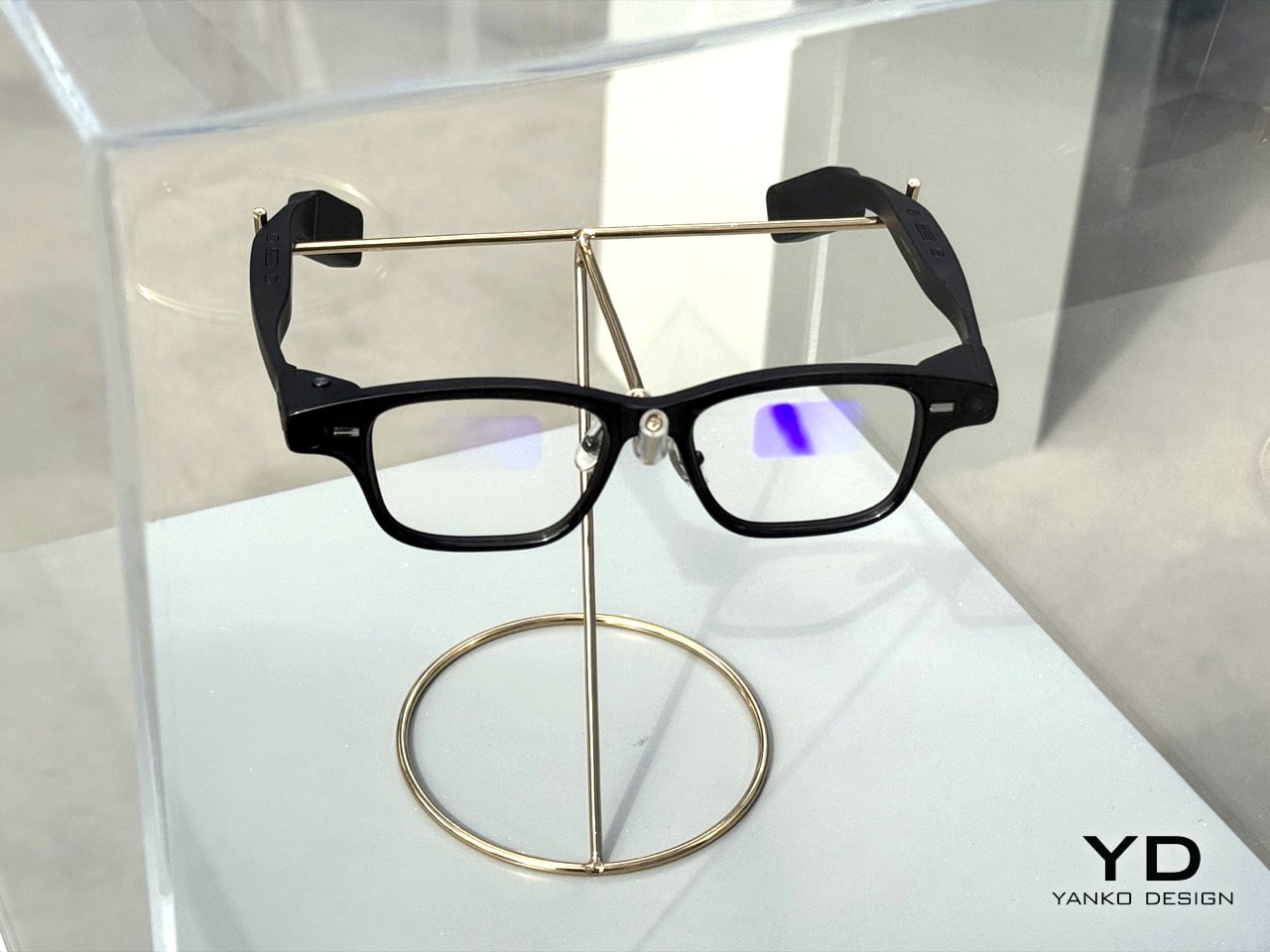
1 month agoApple reveals its new 5K mini-LED Studio Display XDR
The latter is a higher-end model aimed at content creators with a 27-inch 5K Retina XDR display that features a mini-LED display with 2,000-plus dimming zones, up to 2,000 nits of peak HDR brightness and a wider color gamut for improved accuracy. It also has a 120Hz refresh rate, addressing complaints about the relatively anemic 60Hz refresh rate of previous models.
Apple
fromWIRED
1 month agoThis Digital Picture Frame Wants to Bring People Closer to a Holographic Future
Upload any picture or video, and Musubi uses artificial intelligence to extract the most important part and hover it in space as a 3D image within the frame. That could be a video of a child's first steps or a snapshot of a birthday party. The image will be displayed in 3D form, viewable in all its holographic glory across nearly 170 degrees.
Gadgets


fromWIRED
1 month agoTheater Shmeater! These Are My Favorite Huge TVs at Every Price
Traits I look for in a large TV include good brightness and contrast, advanced local dimming (read: good backlighting) to reduce light bleed from bright objects on dark backgrounds, accuracy to the director's intent, and impressive color saturation, especially for HDR (High Dynamic Range) content.
Television
Mobile UX
fromYanko Design - Modern Industrial Design News
1 month agoTCL's new NXTPAPER 3200-Nit AMOLED Display Feels Like Paper and Won't Hurt Your Eyes - Yanko Design
TCL unveiled a new NXTPAPER display technology based on AMOLED panels at MWC 2026, combining eye comfort with high-performance capabilities for smartphones launching by end of 2026.

fromYanko Design - Modern Industrial Design News
1 month agoThis $219 Screen Runs 6 Months Per Charge and Wants Nothing From You - Yanko Design
Most of the screens that you encounter everyday is always fighting for your attention, always buzzing, glowing, pulsing with red notification badges designed to hijack your focus. The TRMNL X, a 10.3-inch e-ink smart display priced at $219, takes the opposite approach entirely. It just sits there, calm and papery, waiting for you to glance over when you're ready.
Gadgets
fromEngadget
1 month agoLG reveals pricing for its 2026 OLED TVs
The flagship LG evo G6 series ranges in price from $2,499 to $24,999. (Cue spit take.) Fortunately, that five-figure price only applies to the 97-inch model, which nobody this side of Elon Musk needs. The entry-level price is for a 55-inch OLED. Moving up the ladder, the 65-inch one costs $3,399, the 77-inch model is $4,499 and an 83-incher will set you back $6,499.
Television
Gadgets
fromYanko Design - Modern Industrial Design News
2 months ago5 Best Transparent Tech Of January 2026 That Just Beat Nothing at Its Own Game - Yanko Design
Transparent consumer electronics combine visible mechanics with functional benefits to create a desirable, intentional design movement across categories.
fromZDNET
2 months agoThis TCL mini-LED TV competes with pricey OLEDs - and the lab results back it up
The Mini LED panel itself got an upgrade with 6,000 precision dimming zones for enhanced contrast that rivals OLED TVs, a peak brightness of 6,500 nits for better visibility in bright rooms and direct sunlight, an anti-glare matte screen to reduce the "halo" effect you sometimes see with LED backlighting, and improved LED technology for better color accuracy. A 7,000:1 contrast ratio means you'll get crisp details in dark scenes and inky blacks that make colors pop.
Television
[ Load more ]