NYC startup
fromThe Atlantic
1 day agoThe Allbirds Pivot Is a Terrible Idea ... Right?
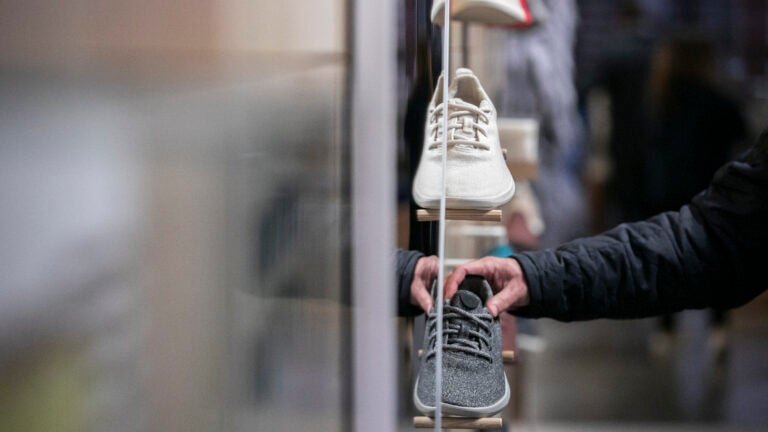
Allbirds is pivoting to AI, changing its name to NewBird AI and investing $50 million in GPUs to revive its struggling business.
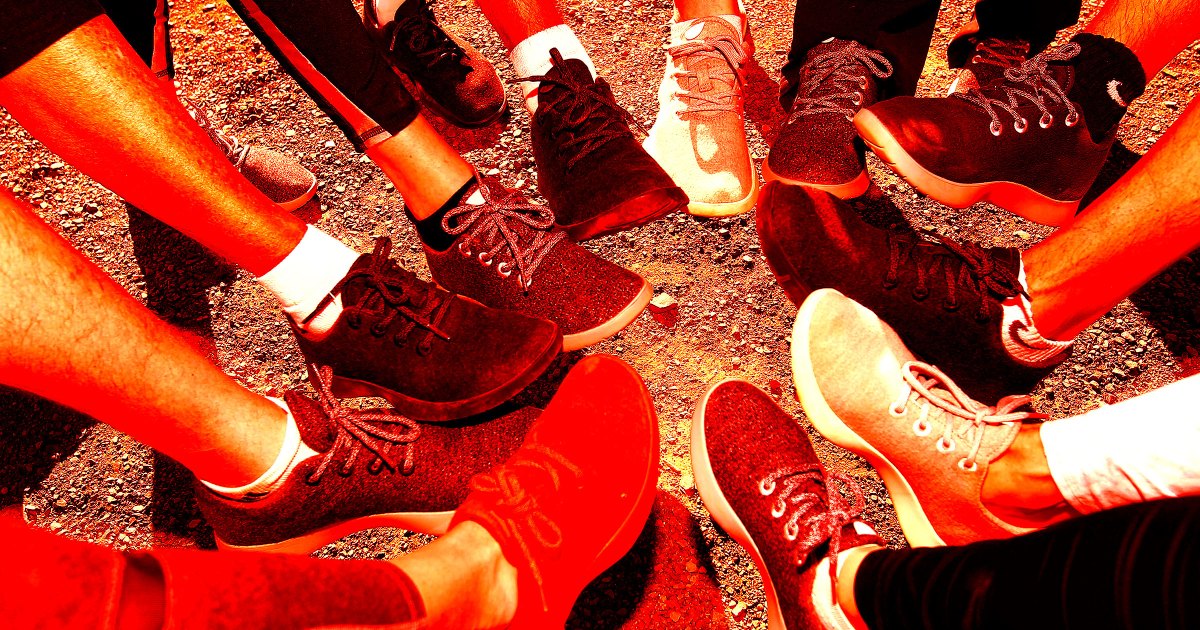
Brittany Antoinette Wilson's dad has been a collector for over 30 years, starting with comics and expanding to baseball caps and sneakers. His sneaker collection, now around 500 pairs, reflects his passion for fashion and appearance.
The collection reworks Rapha's very popular City Jeans, offering two styles: The Work for men and The Aurelia for women, crafted from 12.5oz raw indigo selvedge denim sourced from the Cone Denim Mill in the USA.
In the nineteenth century, entire railway networks became obsolete almost overnight, not due to physical deterioration, but because of changes in the technical standards that supported them. The expansion of railroads across Europe and North America adopted different track gauges, and as a dominant standard gradually emerged, these infrastructures became incompatible with one another.
The UK dumps 149m pairs of shoes in landfill annually. This is unacceptable when the vast majority can be fixed. Sometimes all it takes is a small gluing or stitching job, and you're only paying £4 then those shoes might last for another 12 months or even longer.
Just like that coffee cup, eyewear is a complex fusion of materials. Metal hinges are screwed into polymer frames, which hold chemically-coated lenses. This mix of metals, plastics, and coatings means standard sorting machines cannot process them. As a result, they are rejected as contamination and sent directly to landfills, where they contribute to non-biodegradable waste. Unlike a disposable paper cup, however, a pair of sunglasses is built for durability. Its high-quality components make it a perfect candidate for repair, reuse, or reinvention.
"Ironically, many if not most of these 'sustainability' projects remain disassociated from companies' core procurement strategies, meaning the coffee produced from these projects is not necessarily bought by the companies involved, or only in minimal quantities," the paper states. "And for the coffee that is purchased, prices do not factor into the project design, despite the fact that price is the single variable impacting farmer income that is in the direct control of companies."
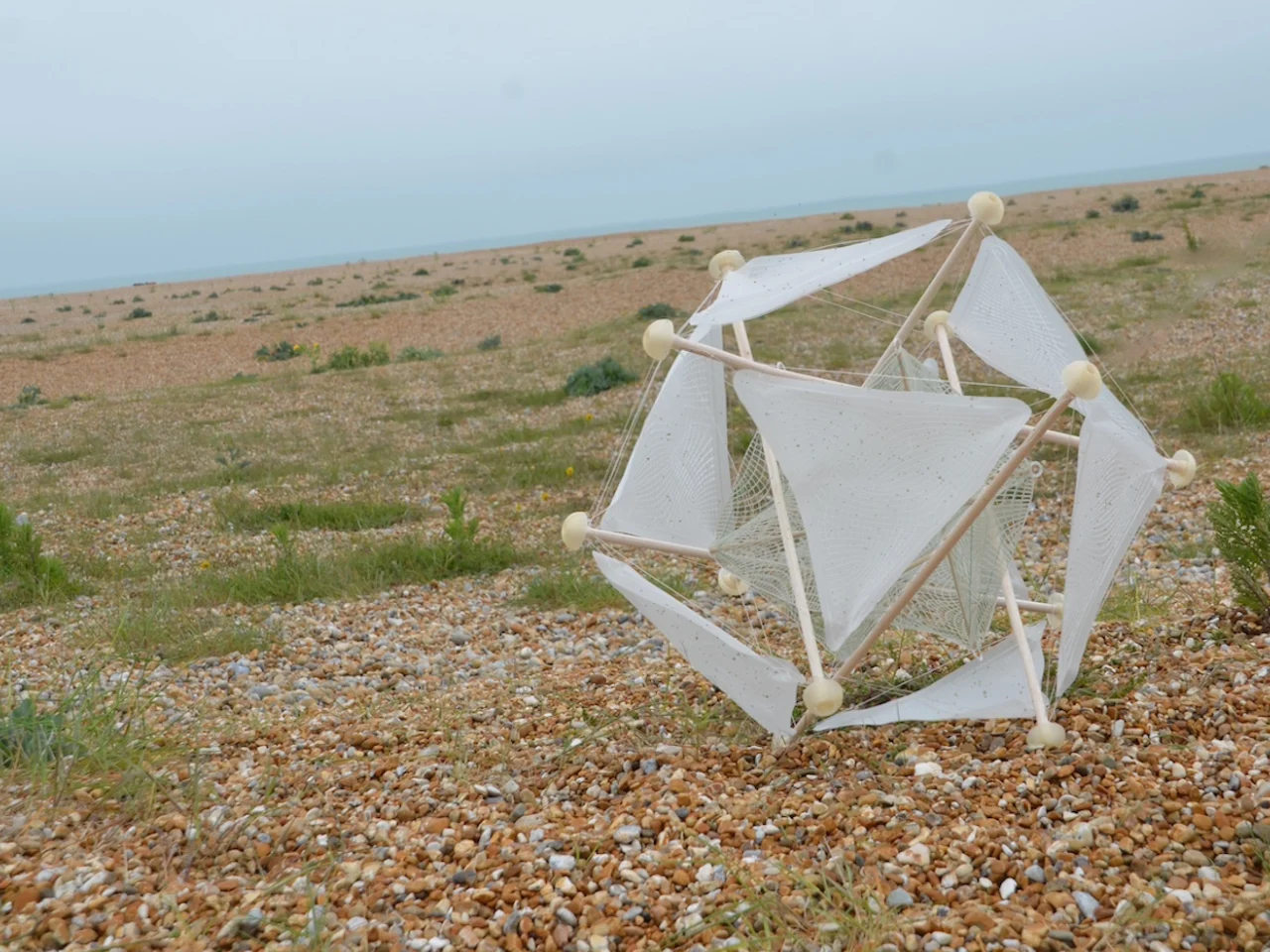
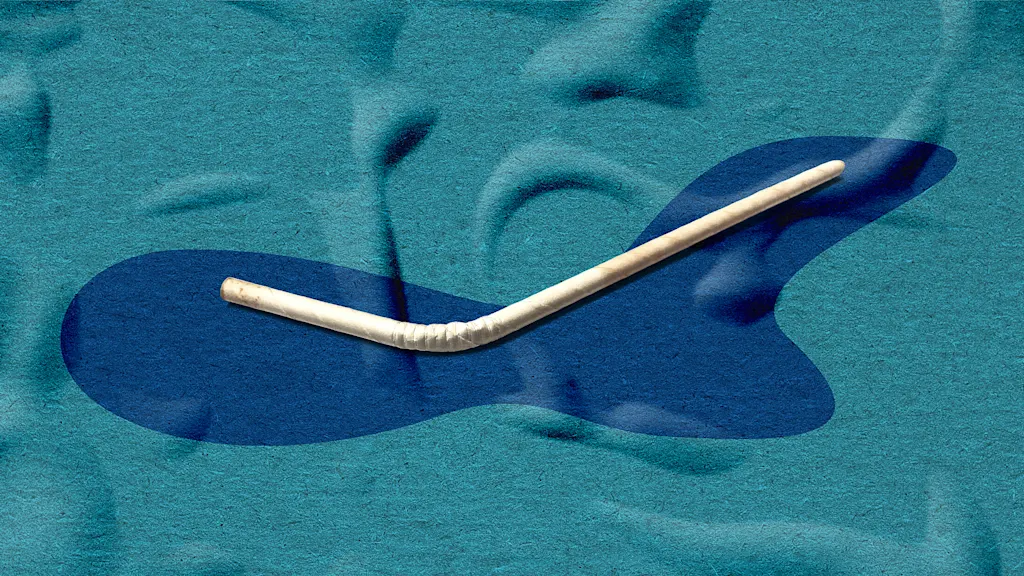
This research-based design project by Laura Oliveira investigates discarded as a potential raw material for sustainable design applications. Human hair is produced continuously and in large quantities through everyday grooming practices, yet it is almost always treated as waste once separated from the body and typically disposed of in landfills. Despite its material properties, strength, flexibility, and durability as a keratin-based protein fiber, its remains uncommon within design and research contexts.
In the show, "dirty" extends to anything that breaks fashion's pact with propriety. Here are clothes caked in grime, blotted with makeup, stiffened by salt, pieced from trash, frayed, and faded. The garments span decades, from the 1980s through the mid-2000s, when the likes of Vivienne Westwood and Jean Paul Gaultier built their fame on defying convention, to today, when corporatization has made such daring increasingly rare. But forgoing practicality frees certain designers from the demands that the body be polite-and thereby policed.