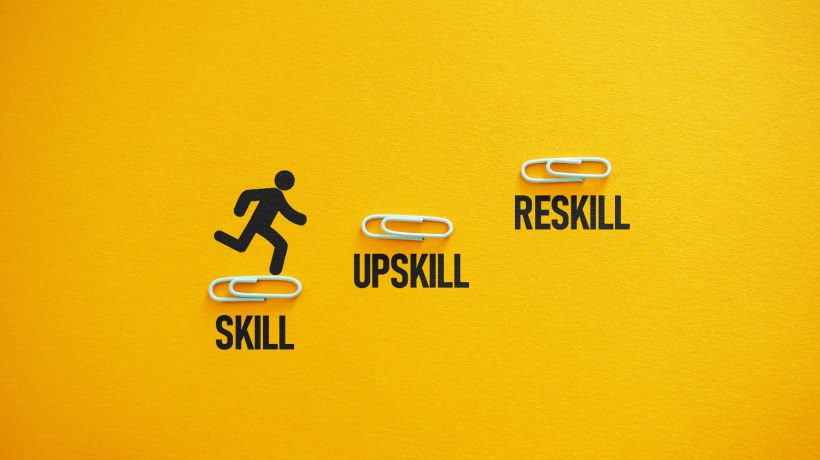
Up to three million UK jobs could be lost to AI over the next ten years, according to the National Foundation For Educational Research (NFER), prompting calls for widespread reskilling programs. In a new , the foundation said that roles in at-risk occupations such as administration, secretarial services, customer service, and machine operations are declining at a much faster rate than previously predicted. While the number of jobs in the labor market as a whole is actually expected to grow by 2035, the study found most growth will be in occupations such as science, engineering, and legal roles.
In a new study, Gartner claimed AI will "touch all IT work by 2030" as enterprises ramp up adoption of new tools to drive productivity and alleviate strain placed on stretched IT teams. The extent of AI's influence in IT departments will vary, according to the consultancy. In a survey, CIOs said they expect around 75% of work to be done "by humans augmented with AI" by 2030, while around 25% of tasks will be carried out by AI alone.
They're bringing that strain and pressure to work, and it's showing up as a record low in employee engagement: an abysmal 21%. The damage adds up: Gallup estimates the collective cost of employee disengagement to the global economy at an eye-watering $438 billion. [3] As L&D leaders, we've entered a whole new era of flux and uncertainty, but also opportunity. How can we help our people grow into adaptable, innovative, and resilient employees...who stick around?
eLearning has moved past novelty. It's no longer a "nice-to-have" shelf item for compliance. It's becoming the way organizations design capability, especially across dispersed teams in Sydney, Perth, and regional hubs. That shift of eLearning as a backbone matters because the business case for digital learning is now about productivity and resilience, not just cost savings.
At the top of her list are tradespeople, including electricians, plumbers, and repair workers, who perform hands-on tasks in messy, real-world environments that machines still struggle to navigate. She also pointed to care jobs like nursing, primary school teaching, and nursery teaching as roles that heavily rely on empathy, judgment, and social connection - qualities that algorithms can't yet mimic.
In boardrooms worldwide, one theme dominates: how can organizations keep pace with relentless technological and market change? At Davos and beyond, CEOs are calling for skills-first, agile learning approaches-programs designed to build workforce resilience while delivering measurable business outcomes. This shift signals a departure from traditional training models. Instead of focusing on roles or credentials, the emphasis is on skills: what employees can actually do today, and what they must learn quickly to thrive tomorrow.
AI training courses are crucial for businesses to thrive in a competitive landscape, ensuring that employees are equipped with the necessary skills to leverage AI effectively.