#rio-antirrio-bridge
#rio-antirrio-bridge
[ follow ]
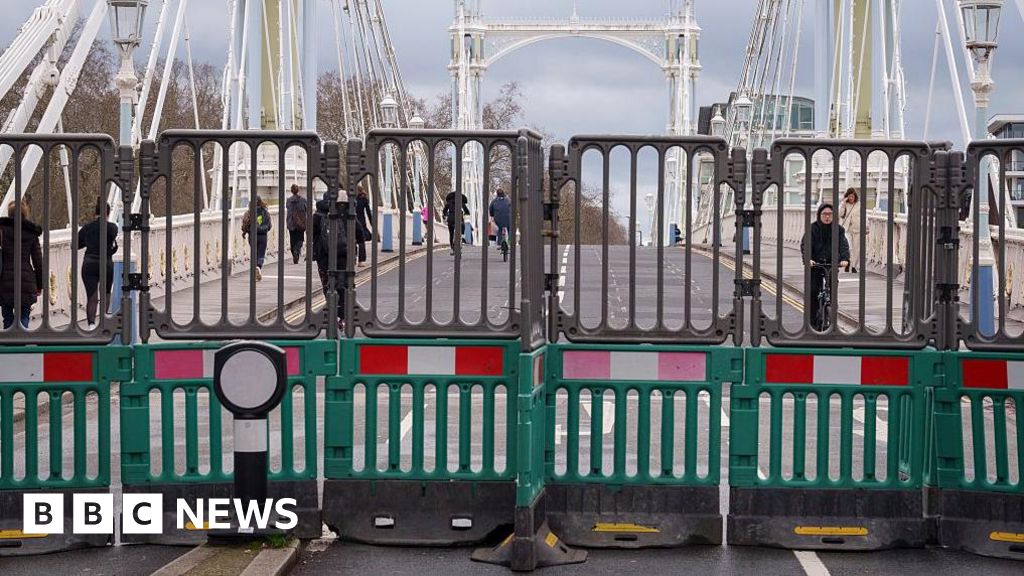
#albert-bridge #transportation #infrastructure #architecture #bridges #engineering #brooklyn-bridge #brazil

#bridges
Washington DC
fromThe Boutique Adventurer
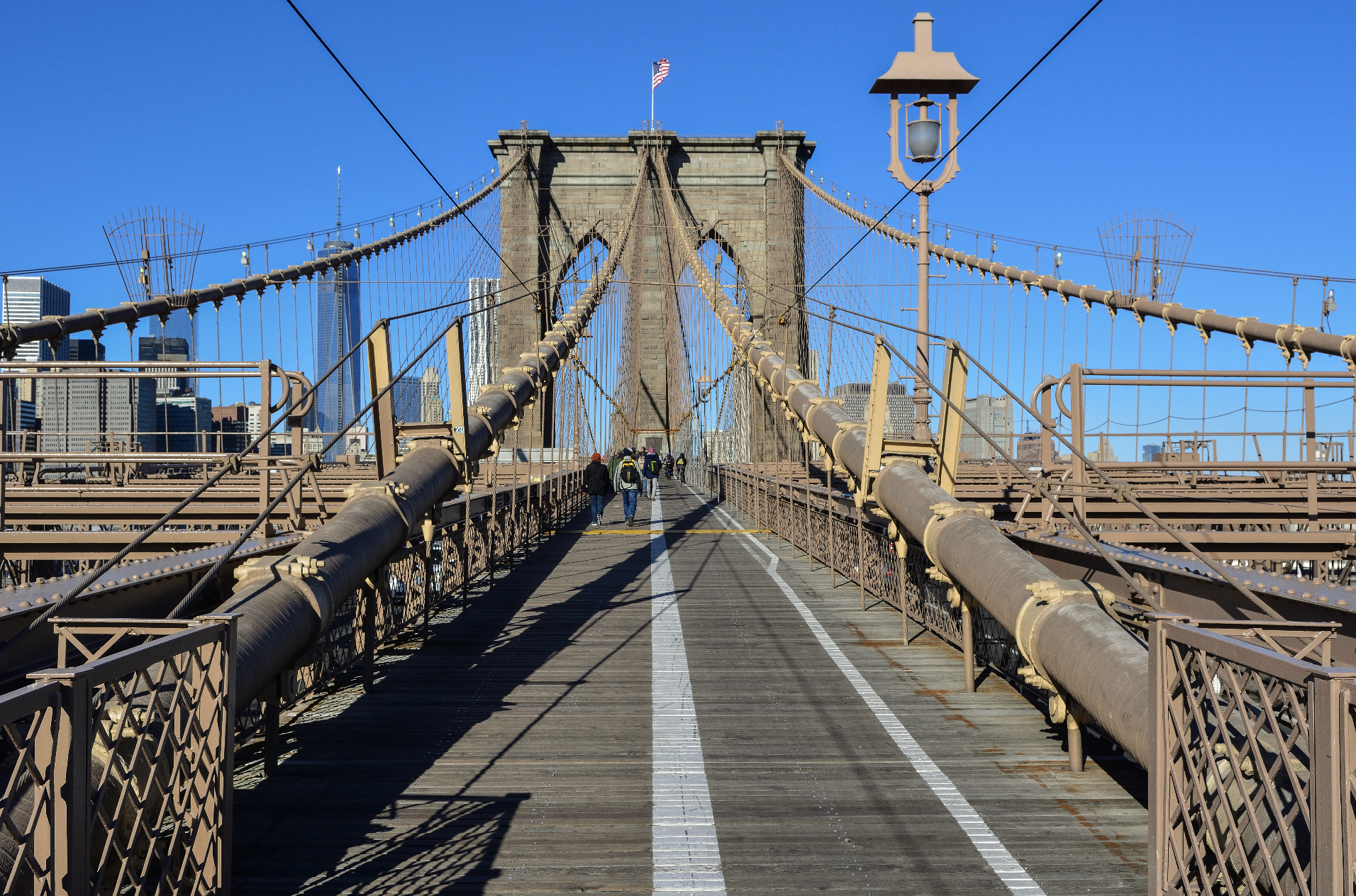
1 week agoThink You're Fine With Heights? These U.S. Bridges Might Test You - The Boutique Adventurer: Luxury Adventure Travel Blog focussed on Emerging Destinations for those over 35
Some bridges in the USA are dangerous due to environmental factors and design flaws.


Washington DC
fromThe Boutique Adventurer
1 week agoThink You're Fine With Heights? These U.S. Bridges Might Test You - The Boutique Adventurer: Luxury Adventure Travel Blog focussed on Emerging Destinations for those over 35
Some bridges in the USA are dangerous due to environmental factors and design flaws.
.jpeg?width=1200&auto=webp&quality=75)
#architecture

Renovation
fromdesignboom | architecture & design magazine
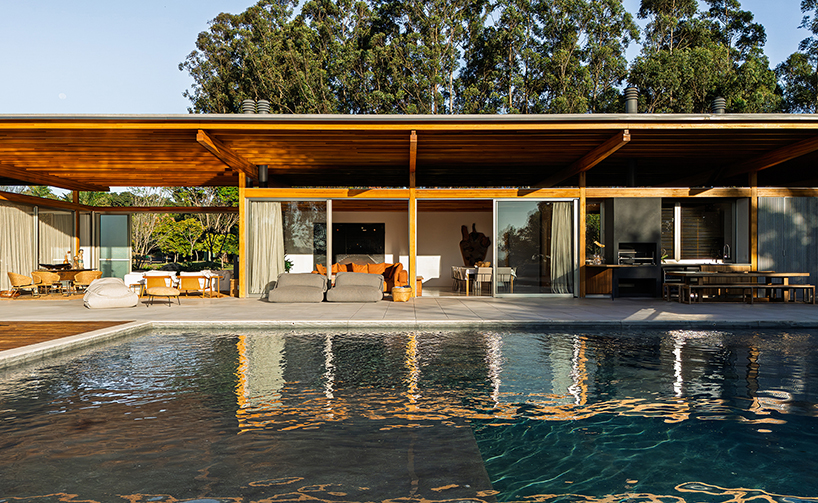
5 days agoarthur casas adapts speculative structure into wood-lined coastal house in brazil
Arthur Casas transforms an unfinished structure into Bravíssima House, integrating it with the landscape and enhancing family living through design and materials.

Miscellaneous
fromArchDaily
3 weeks agoSetbacks as Courtyards: How Civil Architecture Reimagines the Gulf House in Bahrain
Civil Architecture reinterprets the traditional Gulf courtyard house model for contemporary suburban development by transforming underutilized peripheral spaces into functional gardens that serve both environmental and domestic purposes.
Brooklyn
fromStreetsblog
2 weeks agoBrooklyn Residents: Keep Historic Wood Bridge For Pedestrians And Cyclists Only! - Streetsblog New York City
The Carroll Street Bridge reopening this spring presents an opportunity to pedestrianize a historic 1889 landmark and manage traffic growth in rapidly gentrifying Gowanus.
#residential-architecture
Renovation
fromdesignboom | architecture & design magazine
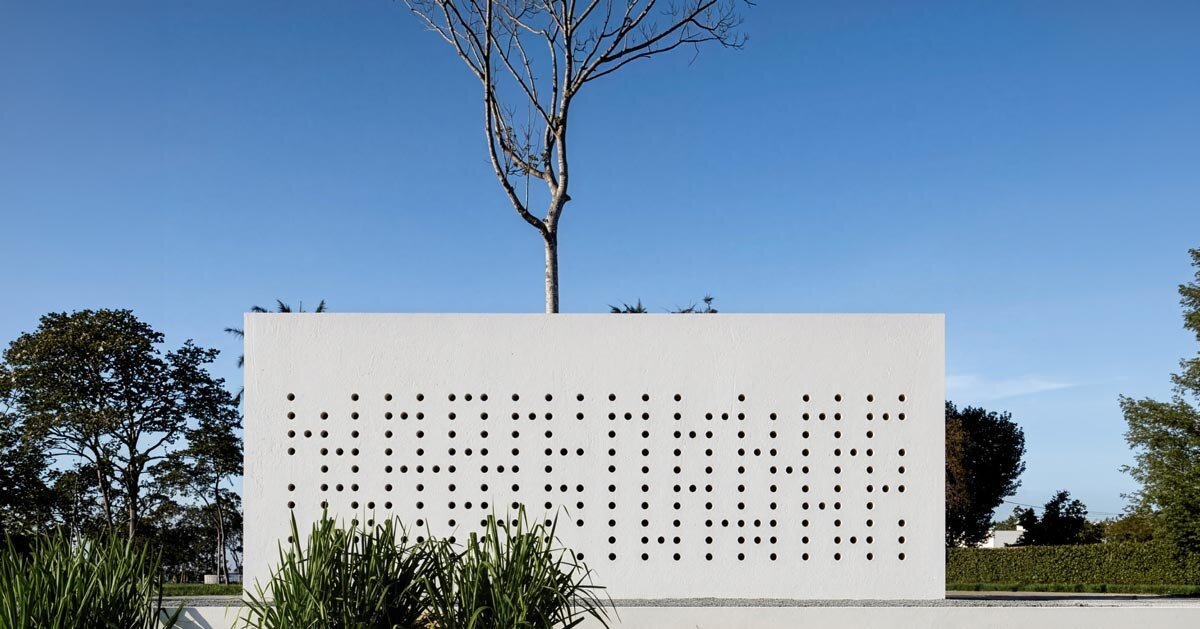
2 weeks agowhite perforated cubic facade wraps hybrid home and studio around a tree in brazil
Casa Branca integrates living and working spaces around an existing tree, using local materials and regional design practices within Northeast Brazil's tropical environment.
fromArchDaily
3 weeks agoArchitects Office Designs World Trade Center Biotic Mixed-Use Complex in Brasilia's Parque Tecnologico
The project explores the integration of multiple programs within a shared spatial system, proposing a development in which residential, commercial, hospitality, and public functions coexist in close proximity. Instead of organizing these uses as separate buildings with independent infrastructures, the proposal concentrates them within a connected structure that allows circulation, services, and public areas to operate collectively.
Renovation

Design
fromArchDaily
1 month agoRotterdam's Sustainability Landmark and Brisbane's 2032 Olympic Stadium: This Week's Review
Architecture navigates legacy, authorship, and social responsibility while addressing sustainability, accessibility, and public engagement across cultural and institutional contexts.

fromSustainable Bus
1 month agoBrazil's Goiania deploys electric bi-articulated fleet (Volvo - Marcopolo) on upgraded BRT corridors - Sustainable Bus
Goiânia has launched a fleet of electric bi-articulated buses in regular passenger service, deploying 21 high-capacity Volvo BZRT vehicles supported by a new dedicated charging hub. The Brazilian city has introduced 16 articulated and 5 bi-articulated battery-electric buses built on the Volvo Buses BZRT chassis and bodied by Marcopolo (Attivi model). The vehicles operate within the RMTC metropolitan public transport network, alongside the inauguration of the Eletroposto Oeste charging facility located at the METROBUS S.A. depot.
Environment
fromGothamist
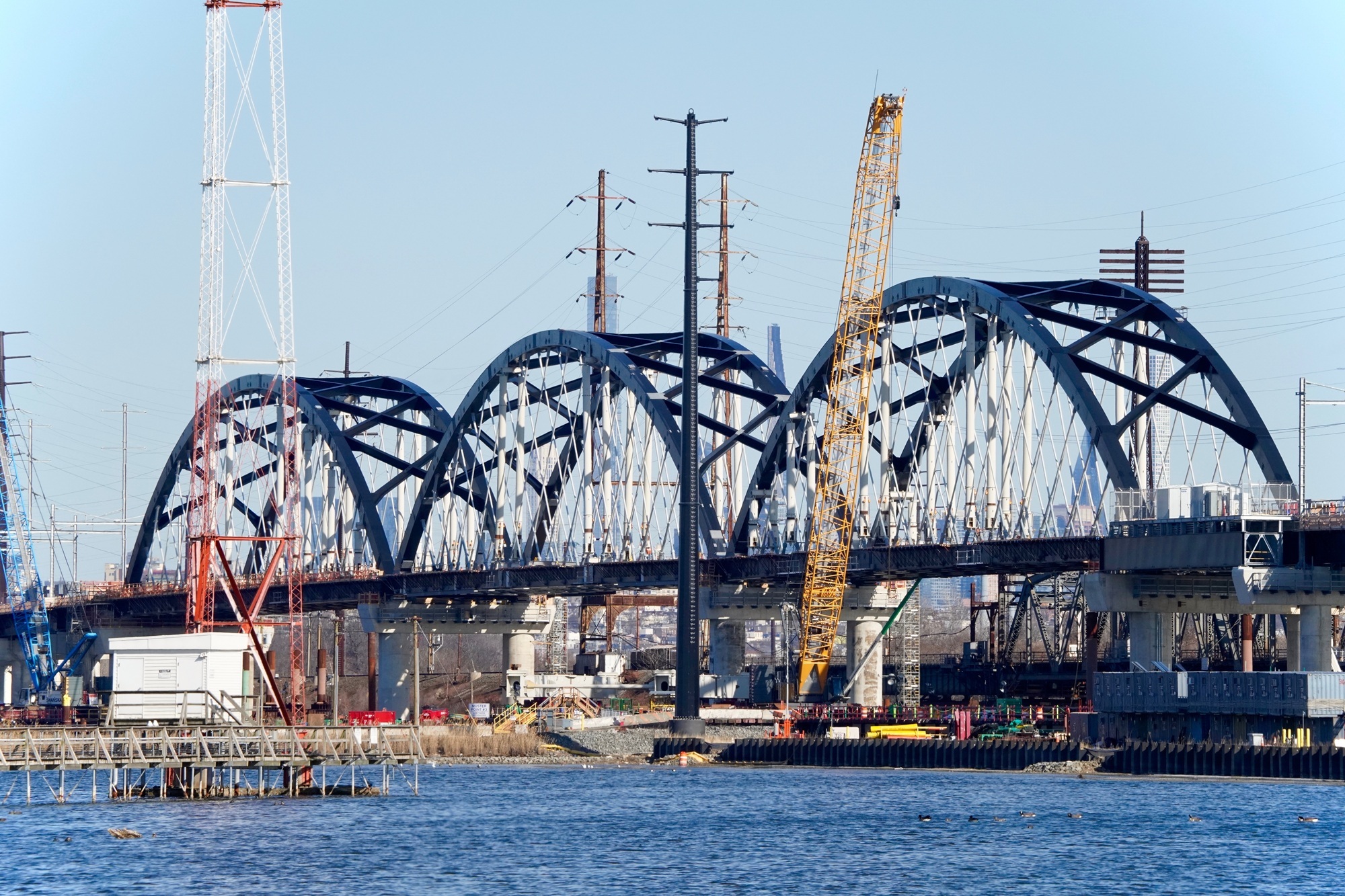
1 month agoGateway Hudson River tunnel funds are flowing, but no shovels are in the ground
Construction remains paused for now and we continue to work with our contractors to plan how to deploy these funds in the most effective way and get workers back on the job to resume some construction as soon as possible,
US politics
Environment
fromdesignboom | architecture & design magazine
2 months agoelevated linear park reclaims canal runing along brazilian city center
Doca Linear Park restores Belém’s waterfront by converting a 1.2 km buried canal into a continuous linear park integrating water, green infrastructure, and flood-resilient design.
fromwww.archdaily.com
1 month agoRamalde Sports Park / Domitianus Arquitectura
Architecture And Project Coordination: Paulo Tormenta Pinto Collaboration: Rosa Maria Bastos, Joao Costa, Bernardo Vicente, Mariana Brito Foundations And Structures: Miguel Villar, Paulo Mendonca Hydraulics: Jorge Pinheiro, Rita Duarte Electrical Infrastructure And Scs: Jorge Loureiro Ferreira, Daniel Moreira Safety: Renata Costa Carvalho Acoustics: Renata Costa Carvalho Gas Network: Susana Costa e Sousa Interior Roadways: Susana Costa e Sousa Landscaping: Monica Farina Partnerships: Betar and JCT Promoter: GoPorto Gestao e Obras do Porto, EM Procedure Manager: Helder Pereira Contractor: CT - Calculos & Titulos Construcoes Unipessoal Construction Management: Carlos Quaresma, Domingos Brito Supervision: KN Engenharia, Lda Technical Supervision: Luisa Outeiro, Sandra Araujo
Design
fromAol
2 months ago10 U.S. Bridges That Engineers Say Are "Structurally Deficient"
A bridge failure might sound like something from a blockbuster, but real damage usually creeps in slowly. Across the nation, engineers watch thousands of bridges that remain open, yet are far from their best condition. "Structurally deficient" is not a death sentence, but it signals repairs can no longer wait. These 10 bridges handle massive traffic and are a serious concern nationwide today.
US news
fromWorld Wild Schooling
2 months ago12 Iconic Bridges That Are Engineering Marvels
Some seem to defy gravity, rise to unimaginable heights, and traverse difficult terrains. These iconic bridges are engineering marvels that offer tourists immense exploration opportunities. While they were built to serve as links between two points and enhance transportation, adventurers cannot help but admire the technical prowess involved in their construction and the scenery these bridges create. From being considered impossible to construct
Travel
fromwww.theguardian.com
1 month agoPostcard-pretty and filled with pollution: how Brazil's fishers are reviving Rio de Janeiro's famous bay
Raw sewage and solid waste flow into the bay from surrounding cities, home to more than 8 million people. Cargo ships and oil platforms chug in and out of commercial ports, while dozens of abandoned vessels lie rotting in the water. But at the head of the bay, between the cities of Itaborai and Mage, the environment feels different. The air is purer, the waters are empty but for small fishing canoes, and flocks of birds soar overhead.
Environment
Travel
fromThe Boutique Adventurer
1 month ago29 Most Famous Bridges in the United States: How Many Have You Crossed?
America contains numerous impressive bridges offering iconic sights and remarkable engineering, from the Golden Gate and Brooklyn Bridge to cliff-spanning and ocean-crossing structures.
Environment
fromdesignboom | architecture & design magazine
2 months agobridge made of recycled concrete can capture and store carbon dioxide over time
A seven-meter pedestrian bridge in Rosmalen stores CO₂ using 75% circular recycled concrete and biochar, permanently locking carbon via accelerated mineralization.

fromArchitectural Digest
1 month agoIs Trump About to Redesign the Golden Gate Bridge?
What power does the council have? The council is purely advisory in nature and has no decision-making powers. It "does not exercise program management responsibilities and makes no decisions directly affecting the programs on which it provides advice," the charter reads. "The Secretary of Transportation may accept or reject a recommendation made by the Council and is not bound to pursue any of its recommendations."
Design
fromBrooklyn Eagle
2 months agoExhibition opens Friday on alternative visions for the Brooklyn Marine Terminal
RED HOOK - A SPECIAL EXHIBITION - "Brooklyn Marine Terminal: Past, Present, & What's Next for Red Hook?" - will hold its opening Friday night from 6 to 8 p.m. at the Compere Collective, 351 Van Brunt St. in Red Hook. The display, hosted by Resilient Red Hook in collaboration with Pratt Institute's School of Architecture, features student work that explores alternative visions for the BMT, bringing academic insight, community priorities and design innovation together.
New York City
fromdesignboom | architecture & design magazine
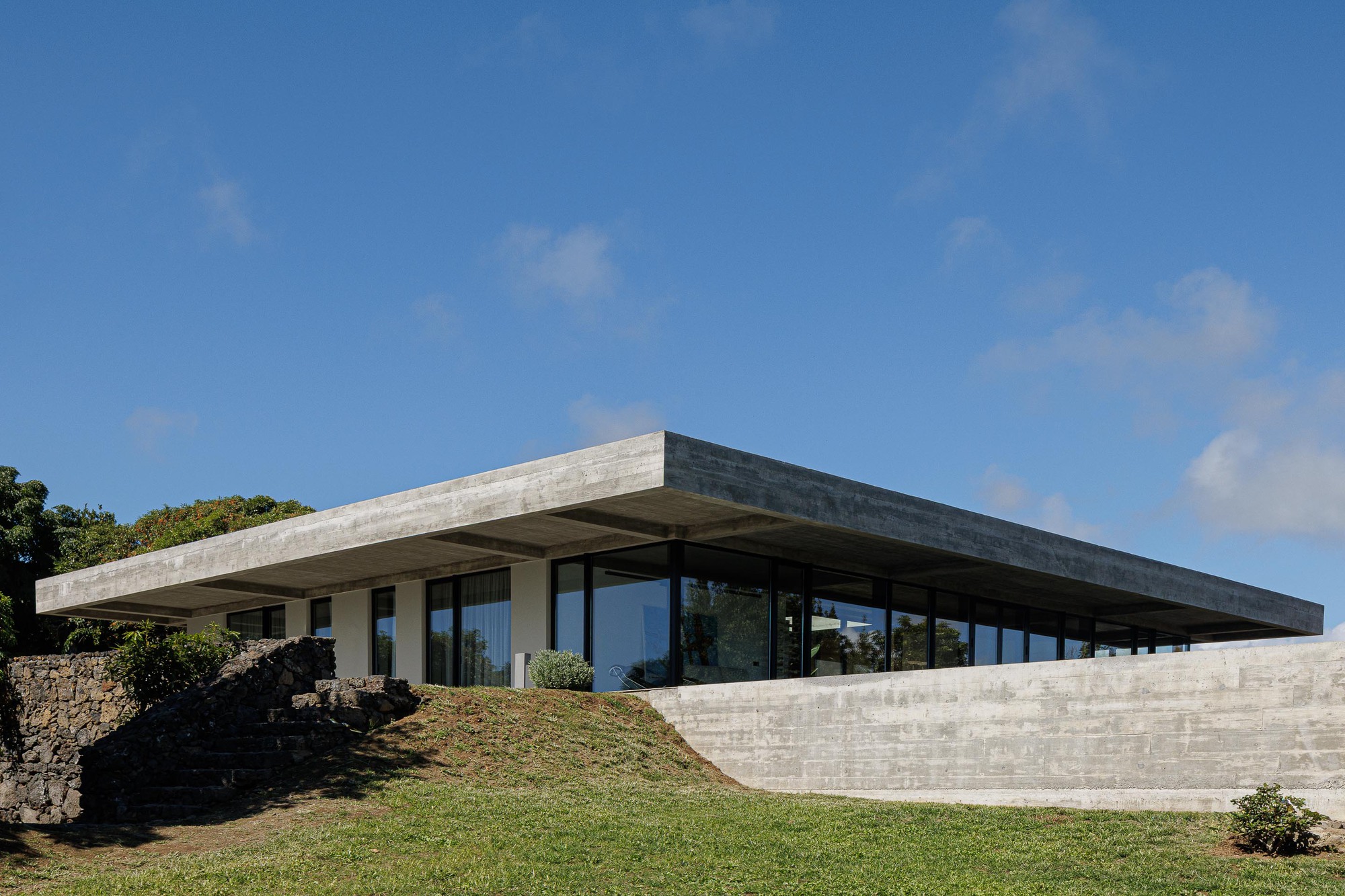
2 months agoSO arquitetos builds coastal 'casa da rocha quebrada' as a grid of framed views
Casa da Rocha Quebrada by SO Arquitetos stands on the southern coast of São Miguel in the Azores, occupying the final open plot along a line of older houses facing the Atlantic. Set against lava rock and open water, the house addresses a landscape shaped by salt and wind, where buildings are designed to endure the coastal elements. The project was conceived for the parents of one of the studio's founders, a circumstance that allowed decisions to remain close to daily use and long-term inhabitation.
Design
fromArchDaily
2 months agoCivic Architecture Opens to the City as Global Attention Turns to Africa: This Week's Review
Across this week's broader architecture news landscape, a central theme emerges around the advancement of civic architecture conceived as open, publicly engaged infrastructure, with cultural and institutional projects increasingly designed to strengthen their relationship with the city and everyday urban life. At the same time, renewed global attention turns toward Africa, where large-scale transport infrastructure and the conservation of modernist landmarks reflect interests in the region and the reassessment of the continent's architectural heritage.
Design
[ Load more ]