#saxavord
#saxavord
[ follow ]
#climate-change #seafood #scotland #environmental-impact #greenland-shark #archaeology #marine-archaeology



fromwww.theguardian.com
1 month agoThe world's memory': why Nigeria is burying its history under a mountain in Svalbard
The Arctic World Archive (AWA) is a data storage unit where organisations and individuals can deposit records kept on specialist digitised film called Piql that lasts up to 2,000 years. On 27 February, Nigeria became the first African country to place archives at the facility 300 metres beneath a mountain where the cold, dark, dry conditions are perfect for preservation.
Arts
Travel
fromConde Nast Traveler
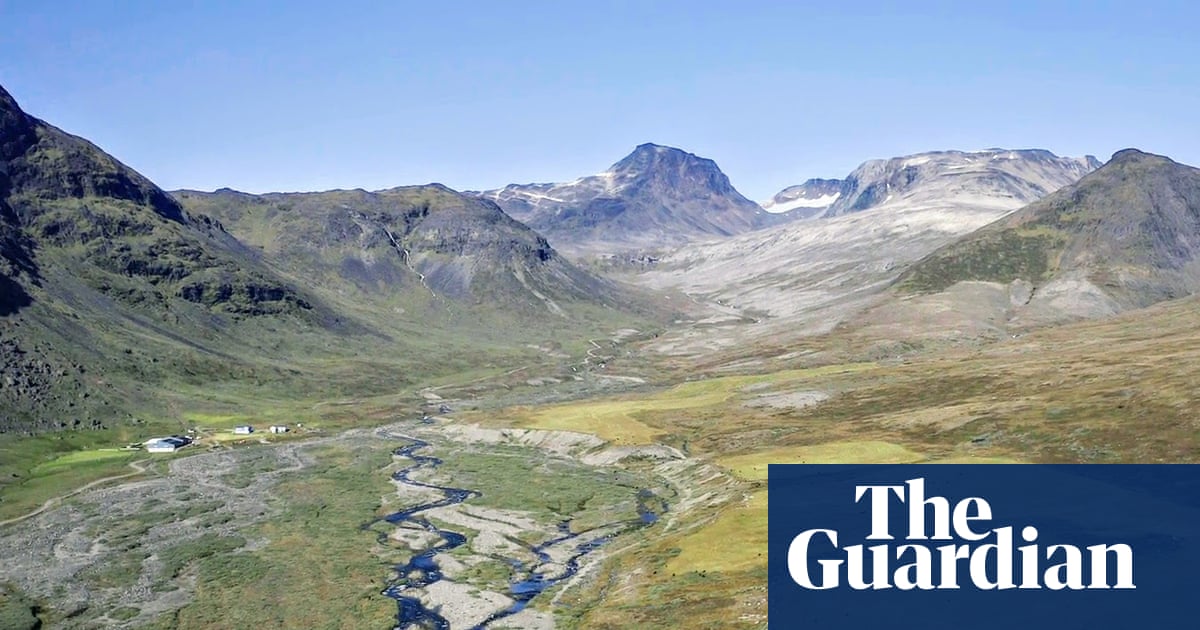
1 month agoIn Greenland's Remote Fjords and Tiny Settlements, a New Sense of Connection
Greenland's new airport and developing tourism infrastructure make Arctic exploration increasingly accessible, offering unique cultural experiences with Indigenous and settler communities unavailable in Antarctica.
Miscellaneous
fromwww.theguardian.com
1 month agoHow the Galapagos of west Africa' is plundered by floating fish factories
Industrial fishing vessels illegally exploit sardinella stocks at the boundaries of Guinea-Bissau's protected Bijagos archipelago, threatening local fishers and endangered wildlife dependent on this critical food source.
London politics
fromwww.theguardian.com
1 month agoWhen I leave, part of me stays': why Scarborough's youth won't turn their backs on the seaside town they love
Scarborough teenagers prioritize earning money immediately over waiting for inheritance, reflecting distinct cultural values shaped by their working-class coastal community compared to more affluent regions.
UK news
fromwww.independent.co.uk
1 month agoPollock and chips? Chippies face closure unless we eat cheaper fish, says owner
Fish and chip shop owners warn that rising cod prices threaten traditional chippies' survival, urging customers to accept cheaper fish alternatives like pollock to keep businesses viable.
fromwww.independent.co.uk
1 month agoTiny UK island's residents first in line to watch rocket launches
SaxaVord Spaceport on Unst is gearing up for its inaugural test launch in the coming months, featuring a rocket developed by German firm RFA. The Shetland Islands facility has confirmed a limited number of viewing passes for a designated remote area, which will first be offered to Unst's approximately 600 inhabitants.
UK news
Miscellaneous
fromwww.theguardian.com
2 months agoIt's betrayal': Shetland's scallop fishers brace for arrival of UK's largest salmon farm
Approval of the UK's largest planned salmon farm in Shetland intensifies conflict between local scallop fishers and fish-farm operators over ecological and economic strain.
Canada news
fromArchitectural Digest
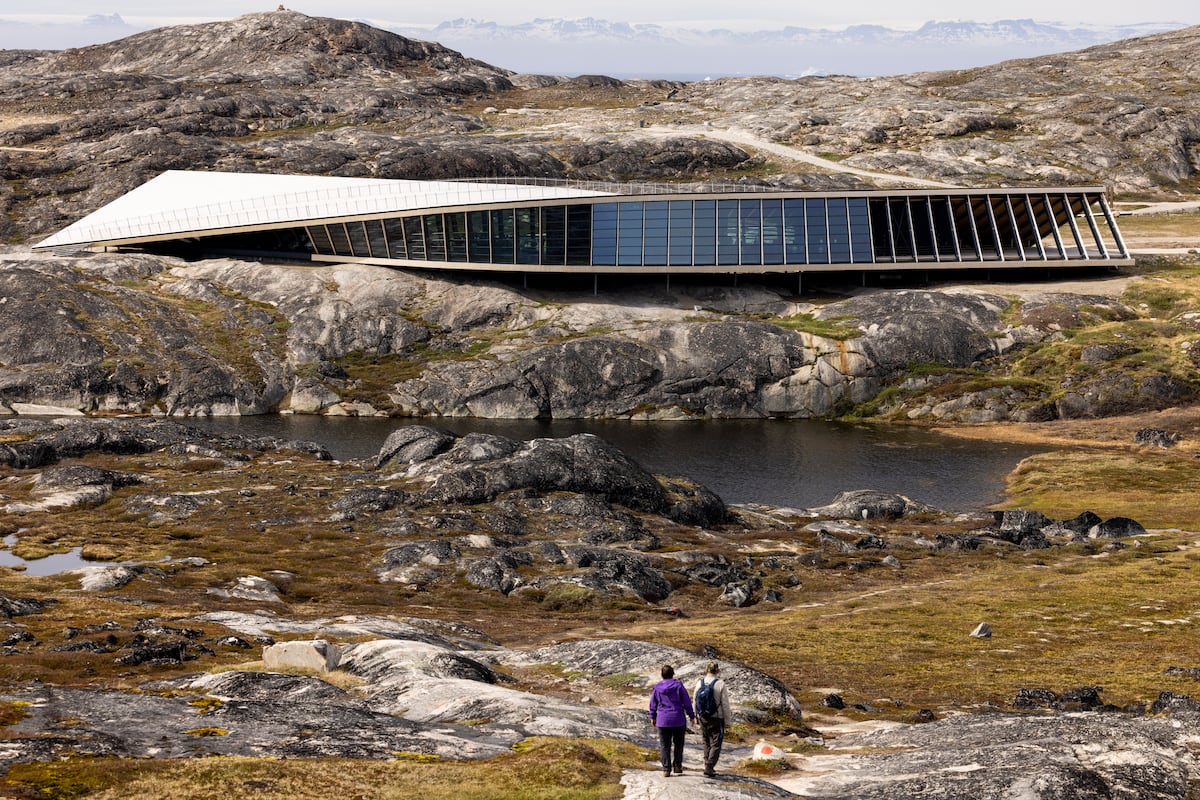
2 months agoIn Greenland, Design Meets Glaciers, Gravesites, and a Galactic Ocean
Modern expedition cruising makes remote Arctic sites like Beechey Island and Franklin’s wrecks accessible, blending comfortable travel with encounters of historical tragedy and extreme conditions.
Real estate
fromIndependent
2 months ago'If you buy an old boat for 40,000 and think that you're going to get a permanent home... that's just not possible'
Living on a houseboat lowers monthly bills but requires substantial upfront investment, ongoing maintenance, and can produce unexpected expenses and hard work.
London startup
fromwww.bbc.com
1 month agoCould a huge data centre revitalise Ayrshire - or ruin it?
ILI Group plans to develop a massive artificial intelligence data centre on 100 hectares of farmland near HMP Kilmarnock in East Ayrshire, promising job creation and investment while facing local opposition over environmental and community impact concerns.
US politics
fromwww.independent.co.uk
2 months agoOnions and chips keep washing up on England's south coast. Here's why
Container losses during storms deposited consumer goods on UK shores, offering oceanographers a rare real-time opportunity to study currents while highlighting the global scale of containerized trade.
fromInsideHook
2 months agoA Growing Number of Travelers Are Visiting Greenland
When a city or country is in the spotlight, it's logical to expect an uptick of interest in visiting there. Each of the locations where a season of The White Lotus was filmed has seen a corresponding increase in tourism, for instance. Being the subject of news headlines and heated negotiations isn't quite the same thing as being the setting for a prestige TV series, but recent data suggests that Greenland is also seeing more international visitors than usual.
Miscellaneous
Environment
fromwww.independent.co.uk
2 months agoIn Scotland, the fishing practice of scrapping ocean bottom continues despite promise
Weak enforcement of Marine Protected Areas and widespread permitting of destructive fishing methods are depleting Scotland's inshore fish stocks and damaging seabed habitats.
fromMail Online
1 month agoArchaeologists fight tides to save the Swash Channel Wreck in Dorset
Archaeologists have fought the tides to save a 17th-century shipwreck from a popular nudist beach in Dorset. The remains are believed to be part of the Swash Channel Wreck, a Dutch merchant ship called The Fame of Hoorn that ran aground while approaching Poole Harbour in 1631. The wreck was found on Dorset's Studland Beach at the end of January when Storm Chandra washed away the sand that had kept it hidden for almost 400 years.
History
fromMail Online
2 months agoBest places to see the Northern Lights in the UK
Thanks to increased solar activity, combined with clearer winter skies and longer hours of darkness, there have already been numerous reports of sightings throughout January across Scotland, Northern Ireland, Wales and England. In light of this, travel specialists Japan-101 have analysed 100 UK towns and cities to identify the best locations for viewing the phenomenon. Each was scored out of 100 based on artificial light levels, air pollution and cloud cover, and totalled to determine an index score out of 100.
Travel
Environment
fromABC7 San Francisco
1 month agoTracking fisherman to track fish: The new technological approach to better understand ocean life
Global Fishing Watch uses AIS transponder data and artificial intelligence to track fishing vessels worldwide, providing unprecedented visibility into global fishing fleet movements and activities.
fromwww.dw.com
2 months agoFrom Inuit to Vikings to Trump: The history of Greenland
Early migration and Erik the Red The first humans settled in Greenland around 4,500 years ago. They came from the North American continent. In the 12th century, they were gradually displaced by Asian immigrants, the Thule people, who arrived on the island from Siberia via the Bering Strait. Their descendants are the Inuit, from whom most of the 56,000 Greenlanders today are descended.
History
fromConde Nast Traveler
5 years agoThe Best Places to Visit in May, From Naoshima to Scotland
The best places to visit in May take advantage of that elusive window of perfect weather as spring turns to summer, when it's not too hot and it's not too cold-all you need is a light jacket. That frees up essential space in our carry-ons (big puffy jackets and thermal leggings can stay home, finally), creating more room for souvenirs from wherever we may go.
Travel
fromTravel + Leisure
2 months agoThis Is the Most Remote Pub in Britain-Here's How to Find It
Scotland's Knoydart peninsula is sometimes called Britain's "last wilderness." The land juts out between Loch Nevis and Loch Hourn-that's "Loch Heaven" and "Loch Hell," respectively-and has no through roads, no connections to the U.K.'s road network. What few locals live here, in the craggy Highlands of the west coast, get around on foot, by boat, or drive between their tiny communities down narrow lanes. They help each other with whatever resources they have.
Travel
[ Load more ]