#seasonal-availability
#seasonal-availability
[ follow ]
#gardening #sustainability #agriculture #plant-care #biodiversity #pollinators #nutrition #vegetable-gardening

fromTasting Table
1 day agoFor Cheaper Gas, Look For Stations That Serve Fresh Food - Tasting Table
Gasoline doesn't have a particularly high profit margin, which is partly why most gas stations double as convenience stores or offer fresh food. If chains like Buc-ee's and Sheetz can make more money by selling food, they can afford to lower their margins on gasoline.
Food & drink
fromDaily Coffee News by Roast Magazine
4 days agoStudy: 'Default Nudge' to Oat Milk Reduces Carbon Footprint of Cafe Drinks
The baseline use of plant-based milk prior to instituting oat milk as the default was 16.6%. That jumped to 51.9% when baristas informed guests oat milk was the default option.
Coffee
fromHoodline
5 days agoFrost Advisory In NYC This Morning, WarmUp Ahead
Frost formation is likely early today in eastern Essex and Union counties, Hudson County and portions of Nassau County, with advisories in effect until 9 a.m. EDT. Most neighborhoods inside the five boroughs should only see patchy frost, but suburban gardens and community plots are more exposed and easier to damage.
New York City

fromFast Company
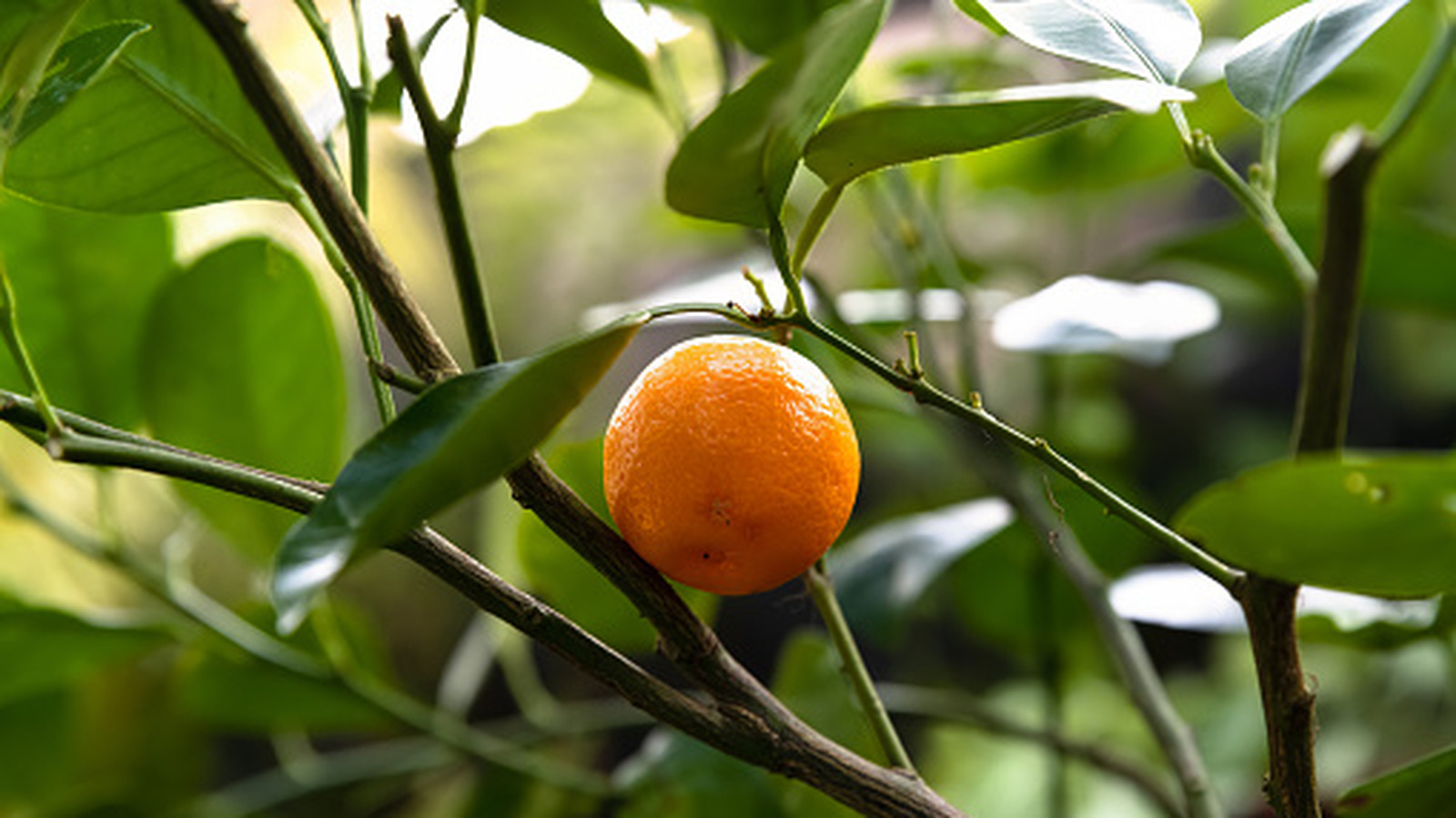
3 weeks agoSpring equinox 2026: Time, meaning, and the science behind the turning of the seasons
The tilt of the Earth's axis as it orbits around the sun causes seasons. Different parts of the world receive different amounts of sunlight depending on that angle. In the Northern Hemisphere, we experience winter from December to March, while the Southern Hemisphere soaks up the sun.
OMG science
Environment
fromThe Mercury News
1 month agoLow snowpack, higher temperatures cause concern for Bay Area scientists, farmers
March precipitation in higher elevations is critical for California's water security as snowpack remains significantly below average despite February storms and warm winter conditions.
fromFast Company
2 months agoThe Farmers' Almanac isn't dead. It's getting a digital reboot under a new owner
"I saw the announcement that one of America's most enduring publications was set to close," Konrad said, "and it felt wrong to stand by while an irreplaceable piece of our national heritage disappeared."
Media industry
Canada news
fromRealagriculture
1 month agoA clean pass under pressure: Why farmers need to take the next shift on plant breeding
Canadian agricultural research faces structural funding pressures and requires a new, diversified research strategy to preserve critical knowledge, regain lost ground, and compete globally.
fromEarth911
3 weeks agoSeed, Sprout, Spectacular: Tips for Starting Your Garden From Scratch
Starting plants from seed extends your relationship with the garden, gives you more control over seed sourcing, and saves real money compared to buying nursery starts, sometimes as much as 90% per plant.
Agriculture
fromwww.theguardian.com
2 months agoHumanity's favourite food': how to end the livestock industry but keep eating meat
For someone aiming to end the global livestock industry, Bruce Friedrich begins his new book called Meat in disarming fashion: I'm not here to tell anyone what to eat. You won't find vegetarian or vegan recipes in this book, and you won't find a single sentence attempting to convince you to eat differently. This book isn't about policing your plate.
Environment
Food & drink
fromLondon Business News | Londonlovesbusiness.com
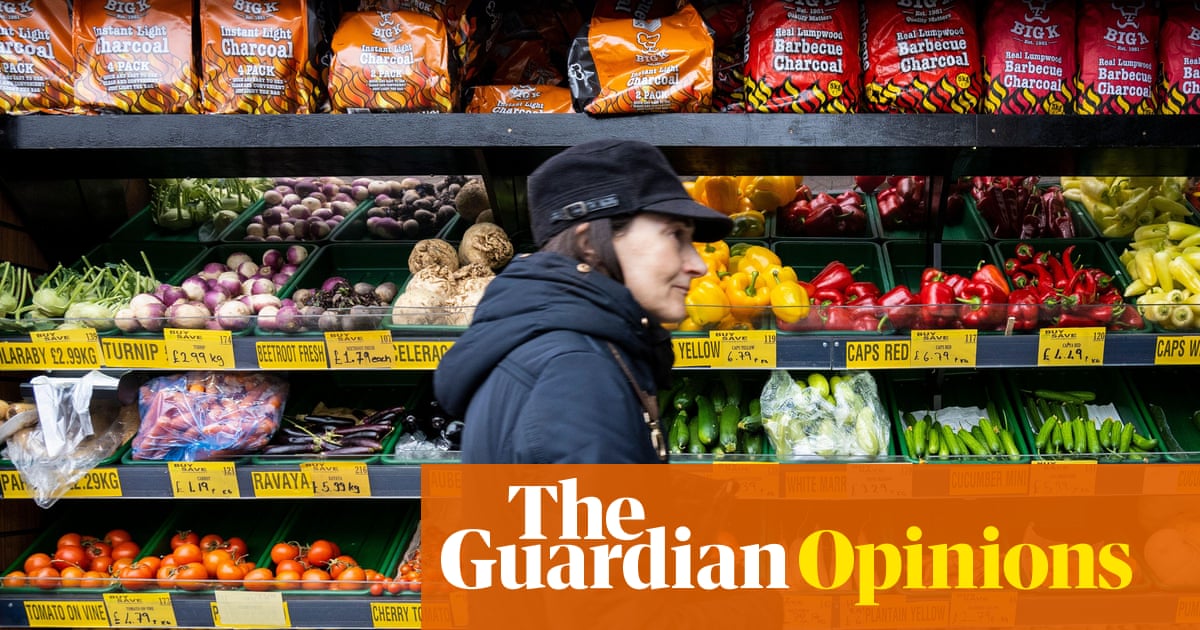
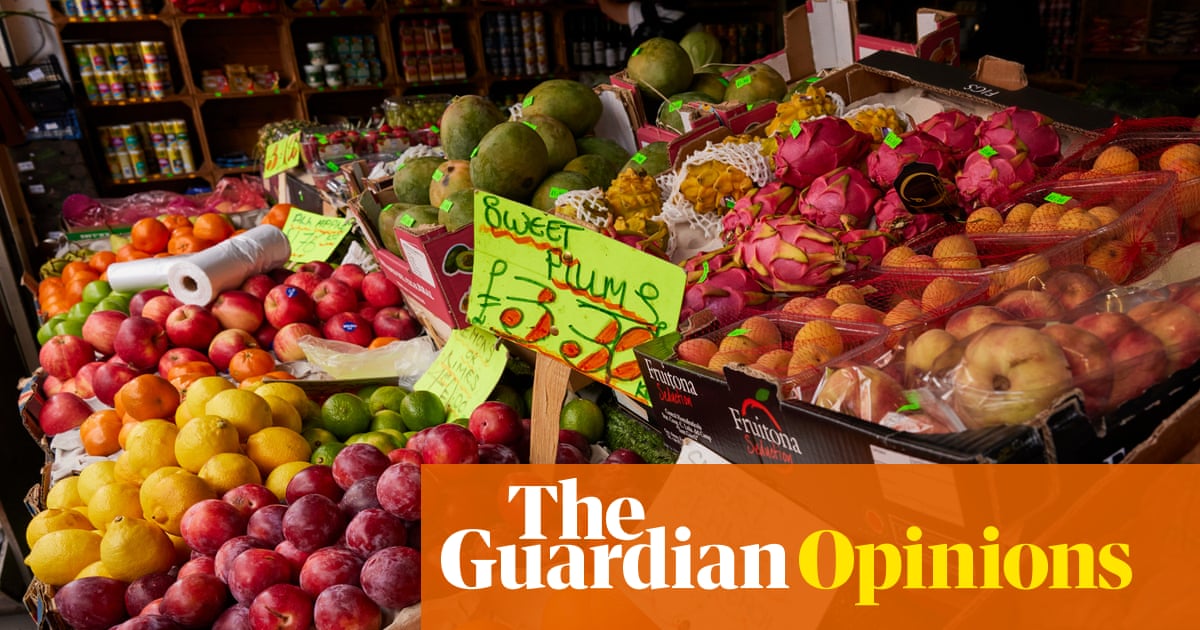
1 month agoRetailers warn of possible fruit and veg shortages - London Business News | Londonlovesbusiness.com
UK fruit and vegetable supplies face temporary shortages and price rises due to transport delays, rising costs, and extreme weather affecting imports.
Agriculture
fromTasting Table
4 weeks agoCan You Grow A Garden From Grocery Store Produce Seeds? - Tasting Table
Growing vegetables from store-bought seeds is possible but results vary based on produce type, growing method, and post-harvest treatment, with hybrid plants producing different crops than their parent plants.
fromCN Traveller
1 month agoThe best farm shops in Cornwall that take pride in provenance
Long before they became destination stops, farm shops were practical lifelines in Cornwall; places where farming families sold what they reared, grew or made, and where local communities stocked their pantries. In a county shaped by smallholdings, dairy herds and mixed farms, the connection between land and table has always been close - and still, today, hyper-local food is something Cornwall does exceptionally well.
Food & drink
Agriculture
fromRealagriculture
1 month agoWheat School: What long-term weather trends say about the future of wheat production
Rising nighttime temperatures in the Northern Plains and Western Canada reduce wheat yield potential despite increased CO2 benefits, though improved genetics currently offset climate impacts.
fromInsideHook
2 months agoAn Essential Part of Farming Has Two Wings and a Beak
When you think of farming, what ingredients do you generally associate with a successful harvest? The basics certainly come to mind: fertile soil, plenty of sunlight and lots of water. But there are other variables that can also mean the difference between a crop of healthy fruits and vegetables and a large heap of organic waste. And it turns out that one of those variables is a very small hawk.
Agriculture
fromwww.theguardian.com
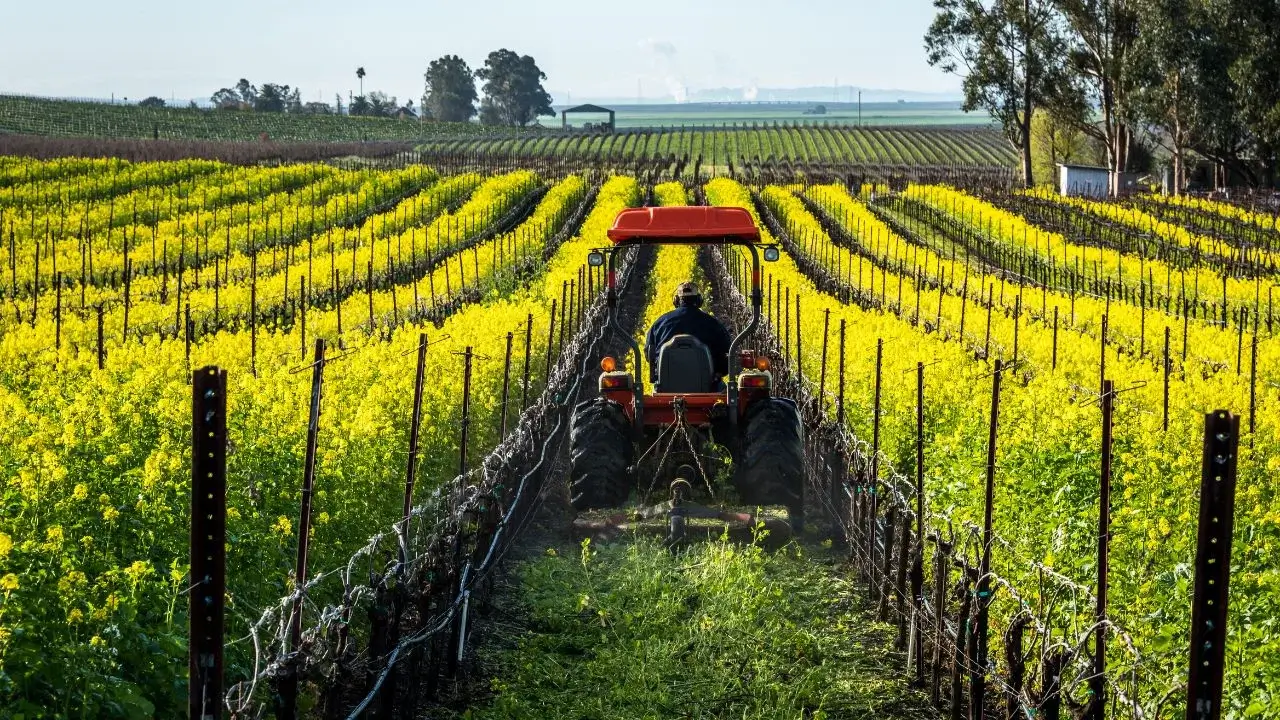
1 month agoEye-watering numbers': food producers sound alarm on rise in energy charges
Outside, it's an overcast and blustery February day in Kent hardly the ideal conditions for growing tomatoes, cucumbers and peppers. Yet inside the enormous glasshouses run by grower Thanet Earth, the climate has been optimised to a humid 20C, perfect for the regimented rows of small pepper plants poking out of raised trays. Growing fresh produce indoors in the south of England year-round requires plenty of energy to provide light, warmth and carbon dioxide.
Agriculture
fromTasting Table
2 months ago15 Fruits And Vegetables You Can Start Growing In Late Winter - Tasting Table
Late winter is when keen gardeners can get a little restless. The weather is still cold, and spring still feels far away. Thankfully, you don't need to wait until the weather warms to start your growing season. There are plenty of fruits and vegetables that can be started in the late winter, ready for a bountiful harvest in the coming months. Each of these plants needs unique care in order to thrive, but thankfully, I can guide you through exactly the right steps.
fromRealagriculture
2 months agoWhat sets successful farm transitions apart?
Based on years of post-transition reviews, MNP has identified seven traits common to successful farm families, MacLean says. First, they start early. Early planning allows flexibility and time to work through the tough stuff. Clear, respectful communication is the second trait - and it's essential. Families who talk openly and establish expectations avoid the dangerous territory of unspoken assumptions. Farms that navigate the process well have a shared vision.
Agriculture
[ Load more ]