#smartphone-camera-upgrades
#smartphone-camera-upgrades
[ follow ]
#smartphones #samsung #technology #smartphone #camera-technology #apple #oppo #smartphone-cameras #photography


fromwww.nytimes.com
14 hours agoHow Technology Has Transformed Cinematography
The small, lightweight, inexpensive camcorder was a great liberator for filmmaking. Not only did it mark a significant leap in accessibility, it also made it easier for filmmakers to achieve the kind of raw, immediate visual language that had been established by directors like Spike Jonze in Video Days (1991).
Photography
Apple
fromYanko Design - Modern Industrial Design News
12 hours agoThis iPhone Air 2 Concept Adds Two Cameras and Suddenly the Phone Makes More Sense - Yanko Design
The iPhone Air's first generation lacked essential features, necessitating a second generation to meet user expectations and enhance its appeal.

fromTechRepublic
2 days agoGoogle Photos Fixes Android Image Editing Tool: Here's What Changed
We fixed an issue where the image preview shrank when you pull the crop handles. We fixed a bug that caused the photo's shape to flip or change unexpectedly when you were rotating and cropping at the same time.
Photography


fromGSMArena.com
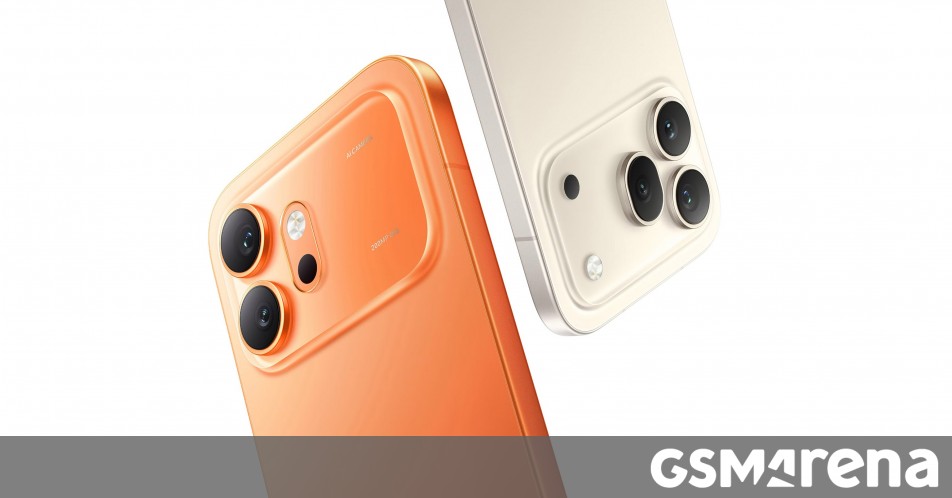
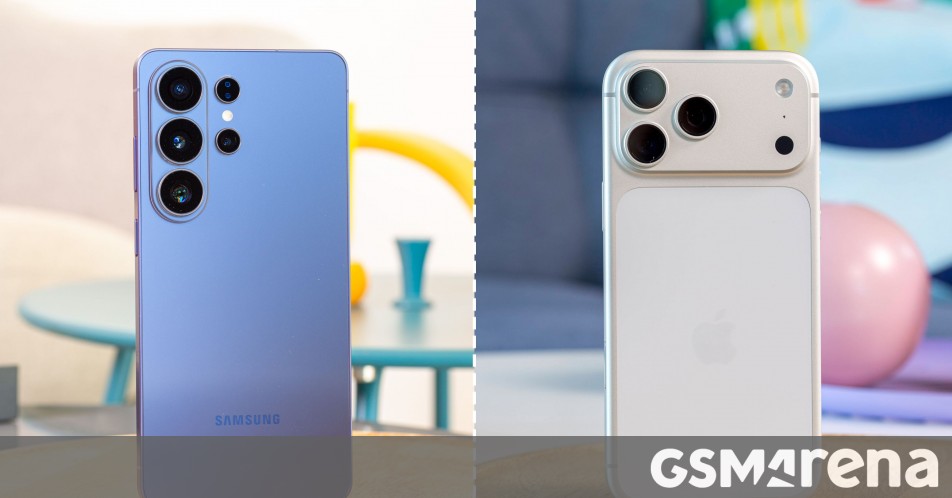
2 months agoWhy Camera Hardware Is Back at the Centre of Smartphone Photography
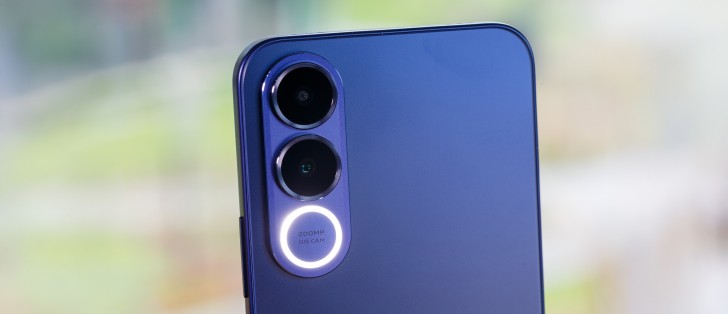
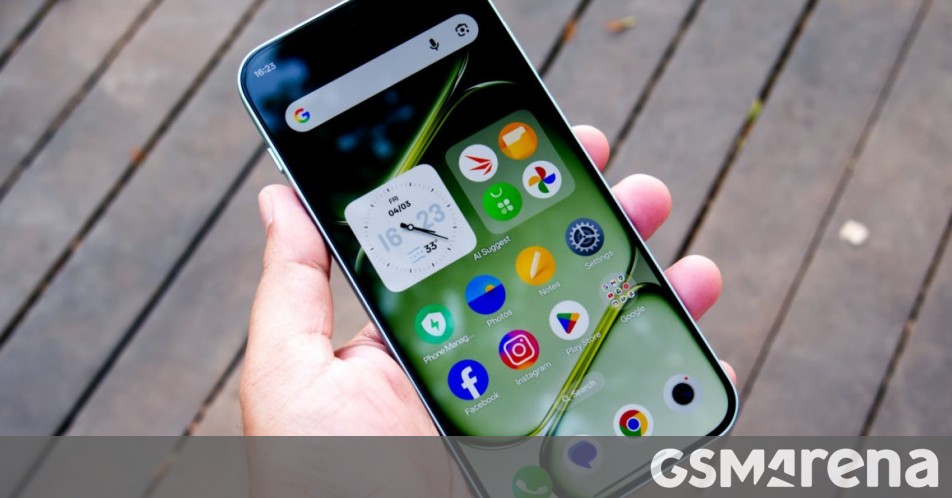
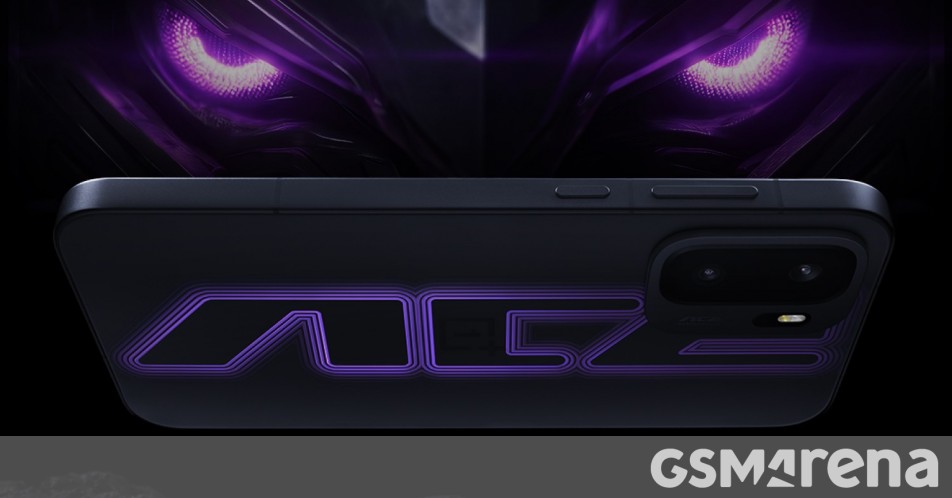
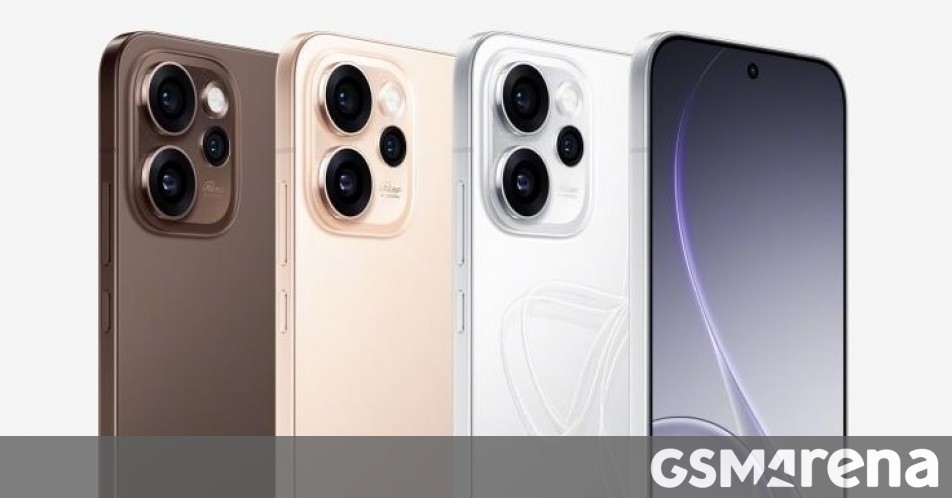
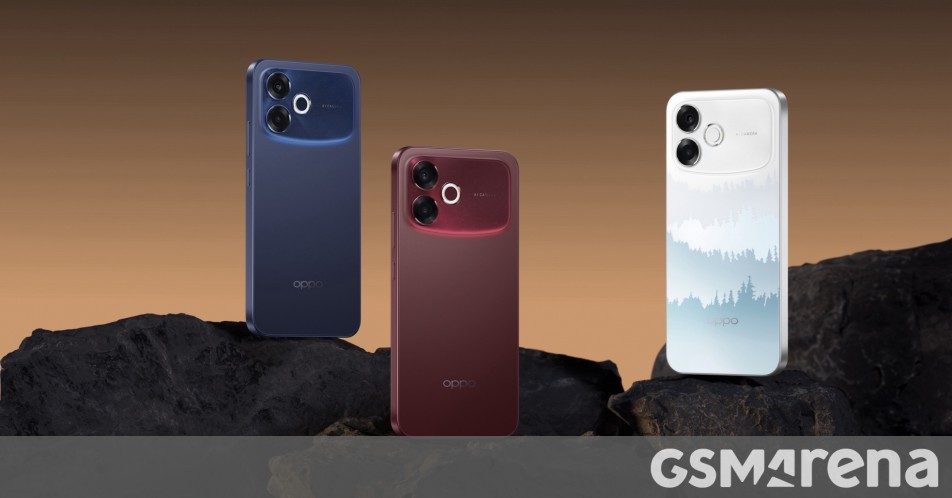
In recent years, smartphone photography has become increasingly dominated by software. Computational imaging, AI processing, and post-capture optimisation now play a central role in how images are produced. Yet as these techniques become more widespread, camera hardware is once again emerging as a key differentiator. The REDMI Note 15 Pro 5G Series reflects this shift clearly, placing renewed emphasis on sensor capability and optical fundamentals rather than relying solely on software to define image quality.
Gadgets
fromThe Verge
2 months agoThe telephoto is the only phone camera that really matters
Samsung's Galaxy S20 Ultra wasn't the first phone to feature a periscopic telephoto lens - both Huawei and Oppo beat the Korean company to it - but it was the first in the US to make such a big deal about it. Almost all of Samsung's marketing for the S20 Ultra centered on its so-called Space Zoom, its 5x optical folded periscope lens, capable of digitally zooming much further.
Gadgets

fromThe Verge
1 month agoThe Galaxy S26 is a photography nightmare
The new camera features, on the other hand, are neither of those things. They're something worse. Something scarier. On this episode of The Vergecast, Nilay and David discuss the new phones, then dive into the ways in which the S26's AI camera features seem to be clearly designed to change the whole idea of what happens when you try to take a picture.
Gadgets
fromGSMArena.com
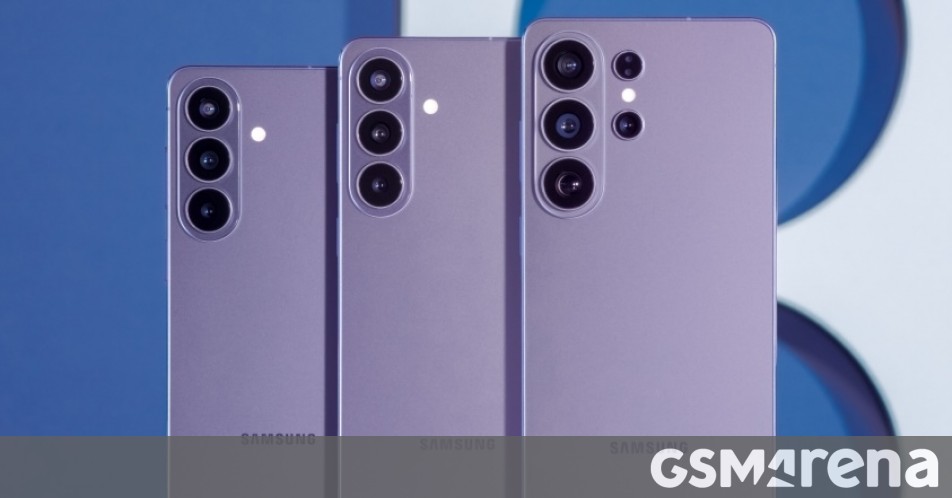
2 months agoSamsung teases the Galaxy S26 Ultra's nighttime photography chops
The teaser is all about "vibrant night even in low light", and while Samsung doesn't explicitly mention which device it's talking about, we assume it's the Galaxy S26 Ultra, since that one will have the best cameras of the trio. Of course, Samsung's competitors from China may rightly point out that you need big sensors for nighttime photography, since they can take in more light,
Gadgets
fromGSMArena.com
1 month agoSamsung might bring a Galaxy S26 camera feature to older flagships
Virtual Aperture already works on the Galaxy S25, S25+, and S25 Ultra via the Expert RAW app, but only for the main camera. Having it available for the telephoto as well would obviously improve its usability.
Mobile UX
[ Load more ]