#starlink
#starlink
[ follow ]
#spacex #ipo #satellite-internet #starship #elon-musk #artificial-intelligence #satellite-communications








fromTechCrunch
3 days agoSpaceX's Starlink nabs American Airlines contract, another win for its IPO | TechCrunch
American Airlines said Tuesday it plans to install Starlink on more than 500 narrow-body Airbus aircraft beginning early next year, the latest carrier to pick the SpaceX unit for inflight Wi-Fi service.
European startups
fromTNW | Us
3 days agoSpaceX wants the Pentagon to pay five times more for Starlink in the Iran war
SpaceX has told the US Defense Department that it should be paying around $25,000 per terminal for the Starlink links guiding American strike drones over Iran, rather than the roughly $5,000 it pays now, according to a Reuters exclusive on Tuesday. Senior SpaceX officials reached the conclusion as US kamikaze drones using the network began to log visible operational gains against Iranian targets, the report said.
European startups
Russo-Ukrainian War
fromBusiness Insider
1 week agoUkraine wants Russia to pay for every square kilometer it takes with at least 200 losses - it's been hitting its number
Ukraine aims for at least 200 Russian casualties per square kilometer captured by Moscow, using mid-range strikes and Starlink losses to slow Russian advances.
European startups
fromTNW | Business
1 week agoStarlink price increase: SpaceX raises residential and Roam plans by $5-$10 and doubles Standby Mode to $10
Starlink consumer plans increased $5–$10 monthly, and Standby Mode doubled from $5 to $10, affecting new customers immediately and existing customers from 18 June.
European startups
fromTelecompetitor
2 weeks agoNordian becomes Starlink reseller, will integrate it for digital ag and other uses
Nordian became an authorized Starlink reseller to help OEMs integrate Starlink connectivity and precise positioning into production for reliable operations in signal-challenged environments.
fromTelecompetitor
2 weeks agoFCC approves AT&T and Starlink purchases of EchoStar spectrum
“These two decisions promise to accelerate Internet speeds, strengthen competition, and bolster rural service while allowing America to lead the world in next-gen connectivity, including new high-speed offerings direct to your smartphone from low-earth orbit satellites.”
Tech industry
fromTelecompetitor
3 weeks agoStarlink nearing full FCC broadband compliance: Ookla report
SpaceX's Starlink low Earth orbit (LEO) service provided median download speeds of 100 Mbps or higher in all states except Alaska during the second half of 2025, according to a recent Ookla Speedtest report. The Speedtest data also found median upload speeds of 20 Mbps or more in 22 states during the period. None were able to offer that speed during the second half of 2024, according to the report, which was written by Ookla editorial director Sue Marek, a sign that Starlink's upload speeds are improving.
Roam Research

fromTelecompetitor
4 weeks agoFCC documents reveal top Starlink complaints: Fast Company report
Many customers alleged that they received only automated responses and could not reach a live Starlink representative by phone. One notable case involved a Vermont family that went without internet service for five days after a router failure, unable to activate a replacement device due to the need for two-factor authentication.
Tech industry

fromEngadget
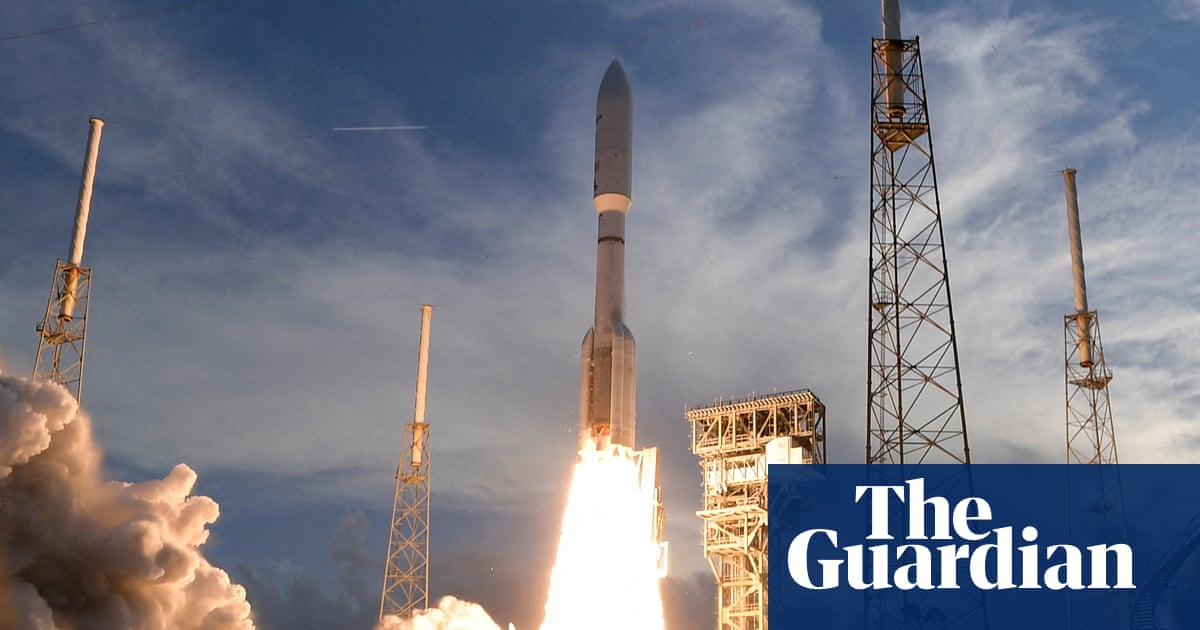
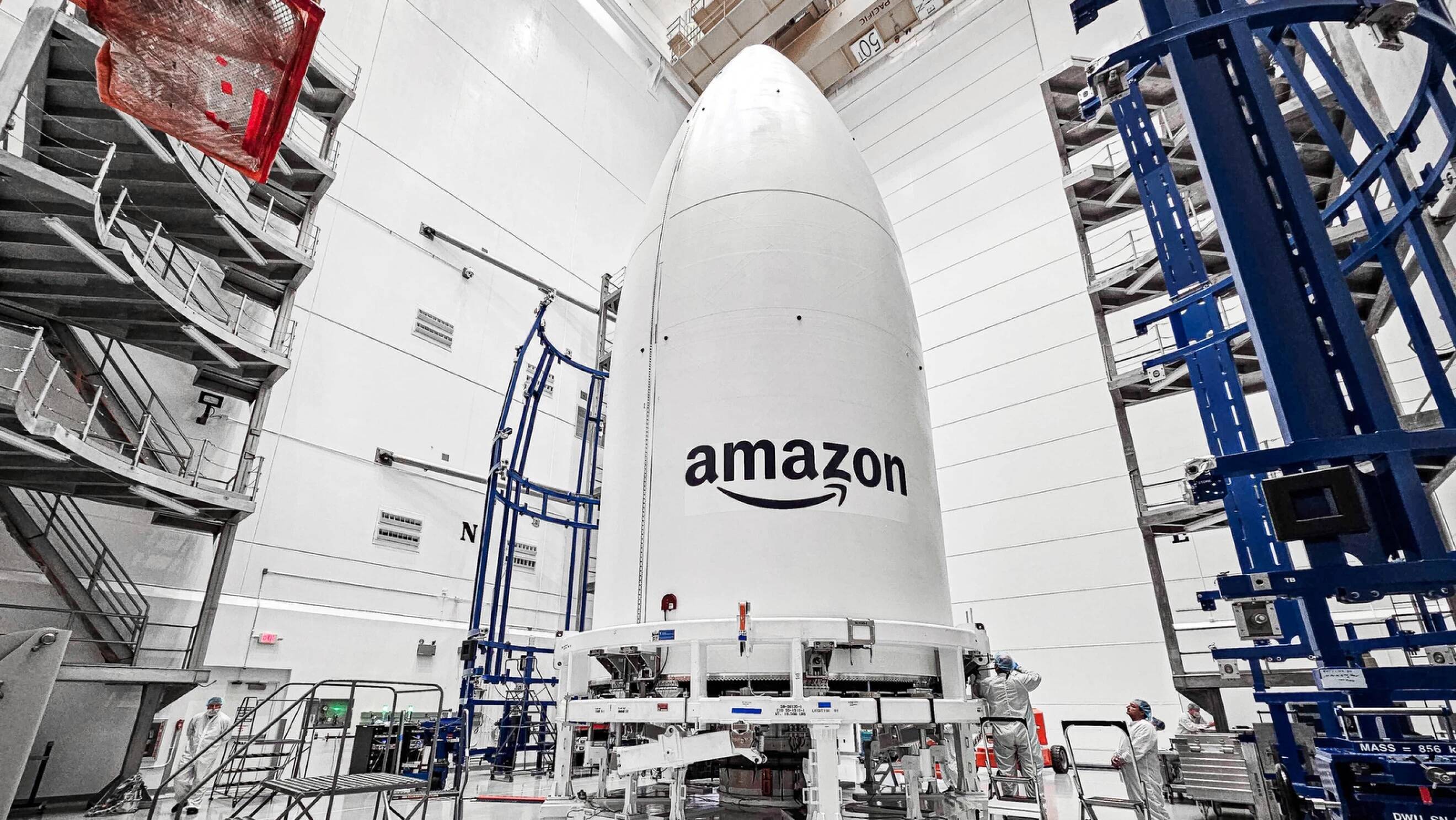
1 month agoAmazon's satellite internet service is scheduled for mid-2026 availability
Amazon Leo will support download speeds up to 1 Gbps, which is significantly faster than Starlink's typical range of 45 to 280 Mbps, potentially revolutionizing satellite internet access.
European startups
Business intelligence
fromComputerWeekly.com
1 month agoStarlink reshapes satellite communications as industry enters terabit era | Computer Weekly
The satellite communications market is rapidly expanding, driven by demand for high-performance connectivity and the influence of non-geostationary orbit constellations like Starlink.
[ Load more ]