#stem-ai-music-separation
#stem-ai-music-separation
[ follow ]
#ai #artificial-intelligence #machine-learning #ai-music #openai #ai-music-generation #music-generation #ai-models

#ai

Philosophy
fromPsychology Today
4 days agoNobody Carries AI's Thinking With Affection
AI promotes uniform thinking, while great teachers foster unique intellectual inheritances through personal influence and diverse perspectives.

Roam Research
fromdesignboom | architecture & design magazine
3 days agoradio time machine AI audio system recreates past sounds for cognitive health in elderly care
AI-powered Radio Time Machine enhances well-being in elderly care by generating nostalgic audio content to stimulate memories and communication.

fromTechCrunch
1 week agoCohere launches an open-source voice model specifically for transcription | TechCrunch
Cohere's Transcribe model is designed for tasks like note-taking and speech analysis, supporting 14 languages and optimized for consumer-grade GPUs, making it accessible for self-hosting.
European startups

fromWIRED
6 days agoMeet the Man Making Music With His Brain Implant
Galen Buckwalter, a 69-year-old research psychologist and quadriplegic, participated in a brain implant study to contribute to science that aids those with paralysis. The six chips in his brain decode movement intention, allowing him to operate a computer and feel sensations in his fingers again.
Music production
fromThe Atlantic
3 weeks agoPlay It Again, Claude
By the early 1900s, player pianos had evolved to more fully reproduce a human performance, including subtle dynamics like tempo changes and the introduction of a damper pedal. The human role went from deskilled to fully deprecated as electric motors replaced foot-powered bellows. With the Seeburg Lilliputian Model L, the only job left for humans who wanted to play the piano in the 1920s was to put in a coin.
History



from24/7 Wall St.
1 month agoLive: SoundHound AI (SOUN) Earnings Coverage
Last quarter, SoundHound posted revenue of $42.05 million, up 68% year-over-year, and beat the non-GAAP EPS consensus by a wide margin, coming in at -$0.03 versus the -$0.09 estimate. Management followed that with a raised full-year revenue guide of $165 to $180 million.
Venture
fromThe Verge
2 weeks agoThe secret story of the vocoder, the military tech that changed music forever
The vocoder was never supposed to be a revolution in music. Its development began a century ago, when an engineer at Bell Labs was looking for a simpler way to send phone calls across copper telephone lines.
Music production
fromDEV Community
2 weeks agoI Built a 100% Private, On-Device AI Audio Stem Splitter (No Servers!)
If you've ever used tools like PhonicMind or LALAL.AI, you know the drill: Upload your MP3. Wait in a queue. Pay for "credits" or high-quality downloads. Your file sits on someone else's server. For musicians, producers, or just karaoke fans, this is slow and privacy-invasive.
Music production
Artificial intelligence
fromPsychology Today
2 weeks agoWhat QuantumAI Is, and Why We May Miss Its Importance
Quantum AI combines quantum computing with artificial intelligence to solve complex problems involving massive combinations of possibilities, particularly useful for drug discovery, materials design, logistics, and financial analysis.
Marketing tech
fromExchangewire
1 month agoAudion Launches First AI Agent Built to Deliver Tangible Outcomes in Digital Audio Advertising
Audion AI automates and optimises multi-platform audio advertising, translating campaign objectives into scalable, continuously optimised media plans across audio and video listening environments.
fromYanko Design - Modern Industrial Design News
2 months agoTeenage Engineering-inspired Music Sampler Uses AI In The Nerdiest Way Possible - Yanko Design
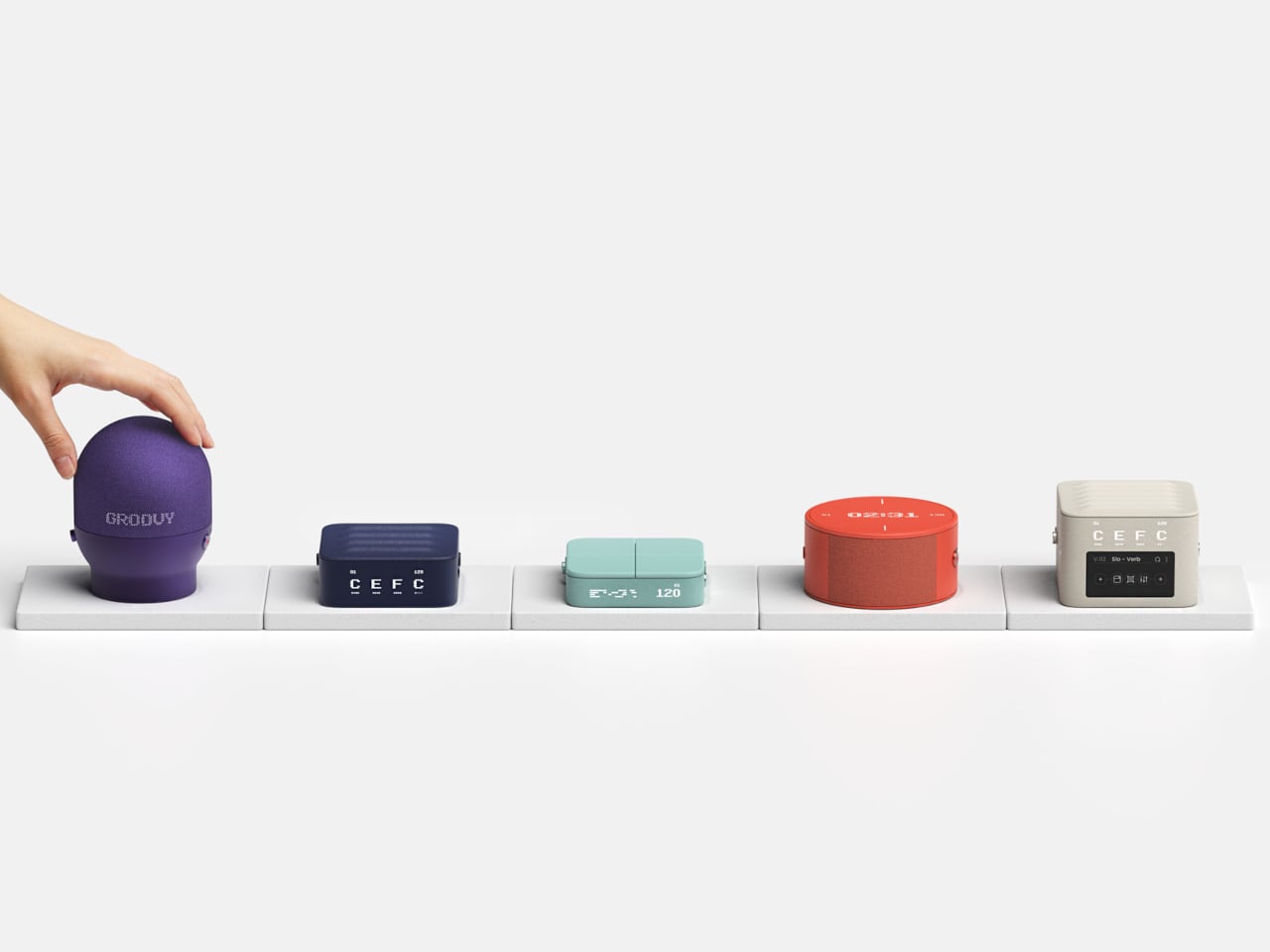
Junho Park's graduation concept borrows all the right cues from TE's playbook, that modular control layout, the single bold color, the mix of knobs and buttons that practically beg to be touched, but redirects them toward a gap in the market. Where Teenage Engineering designs for people who already understand synthesis and sampling, the T.M-4 targets people who have ideas but no vocabulary to express them.
Gadgets


Music production
fromwww.scientificamerican.com
1 month agoExperimental composer Holly Herndon built an AI voice clone that anyone can use
Holly Herndon uses machine learning and AI models to create protocol art, where the creative act occurs in designing rule sets and datasets rather than in final media generation, making collective creativity visible.
fromInside Higher Ed | Higher Education News, Events and Jobs
1 month agoOn Being Edited by AI
That was a year or so ago, and my first brush with what generative AI could do. Like many, I started using it for fun: planning trips, finding nineteenth century authors I could recommend to fantasy-loving students (a genre I don't read), and making a holiday card starring my dog, Harry. But as work piled up, I didn't have time for new toys, so now I use AI for work.
Higher education
Artificial intelligence
fromwww.aljazeera.com
1 month agoElevenLabs CEO says voice AI will change everything. Can it be controlled?
Voice AI technology enables beneficial applications like speech restoration and accessibility while simultaneously creating risks for fraud, disinformation, and unauthorized voice cloning that raise fundamental questions about voice ownership and control.
fromFast Company
1 month agoThis AI-powered machine turns photos into smells
One scientist at MIT, Cyrus Clarke, is working to do just that. Alongside a team of fellow researchers, Clarke has developed a physical machine called the Anemoia Device, which uses a generative AI model to analyze an archival photograph, describe it in a short sentence, and, following the user's own inputs, convert that description into a unique fragrance. The word "anemoia" was coined by author John Koenig and included in his 2021 book, The Dictionary of Obscure Sorrows.
Artificial intelligence
[ Load more ]