#stroke-recognition
#stroke-recognition
[ follow ]
#ai #ai-in-healthcare #artificial-intelligence #machine-learning #computer-vision #healthcare-ai #patient-safety



#ai



Artificial intelligence
fromFuturism
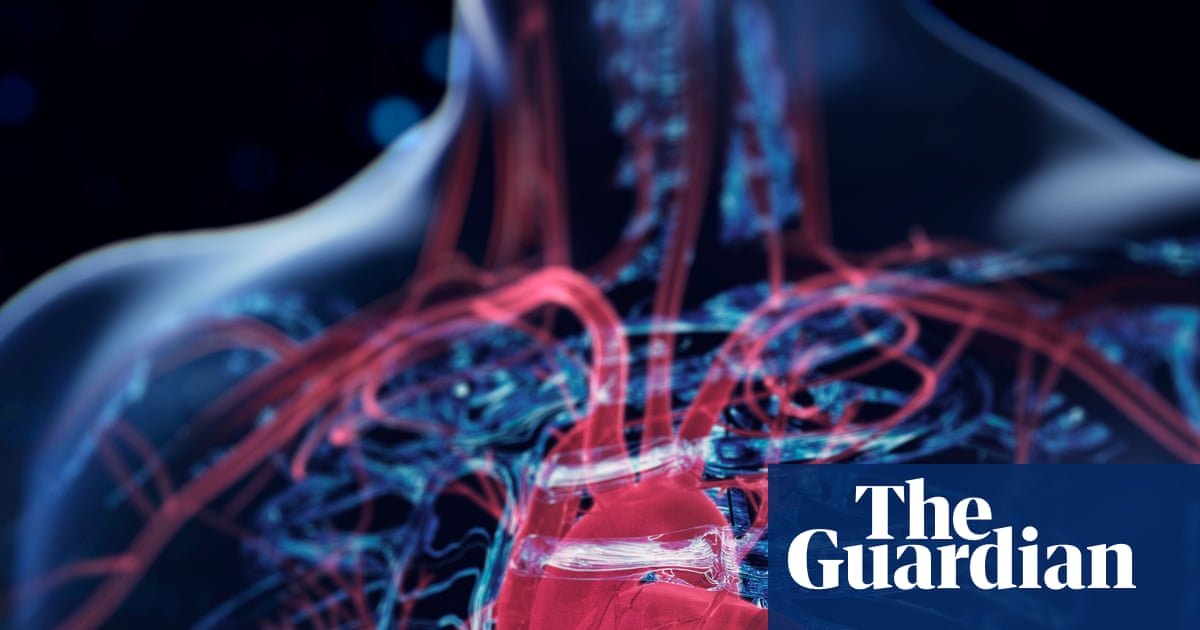
6 days agoFrontier AI Models Are Doing Something Absolutely Bizarre When Asked to Diagnose Medical X-Rays
Hallucinations and 'mirage reasoning' in AI models pose significant risks, especially in healthcare applications, leading to potentially dangerous misinformation.
Artificial intelligence
fromFuturism
6 days agoFrontier AI Models Are Doing Something Absolutely Bizarre When Asked to Diagnose Medical X-Rays
Hallucinations and 'mirage reasoning' in AI models pose significant risks, especially in healthcare applications, leading to potentially dangerous misinformation.



fromTechzine Global
6 days agoMeta is developing open-source versions of its next frontier AI models
Meta is working on two proprietary frontier models: Avocado, a large language model, and Mango, a multimedia file generator. The open-source variants are expected to be made available at a later date.
Artificial intelligence

Healthcare
fromHarvard Business Review
1 month agoHealthcare Uses Specialized Language. It Needs Specialized AI, Too.
Healthcare professionals across specialties use inconsistent terminology and communication styles, creating significant translation barriers that impede care coordination and data interoperability.
fromTNW | Health-Tech
1 month agoCedars-Sinai's AI beats specialist models at reading heart scam
EchoPrime, a video-based vision-language model, analyses echocardiogram footage and generates a written report of cardiac form and function. Its findings were published in Nature (volume 650, pages 970-977) in February 2026, under the title 'Comprehensive echocardiogram evaluation with view primed vision language AI.'
Medicine
fromNature
1 month agoMerlin: a computed tomography vision-language foundation model and dataset - Nature
The large volume of abdominal computed tomography (CT) scans coupled with the shortage of radiologists have intensified the need for automated medical image analysis tools. Previous state-of-the-art approaches for automated analysis leverage vision-language models (VLMs) that jointly model images and radiology reports.
Medicine
fromBig Think
2 months agoComputational model discovers new types of neurons hidden in decade-old dataset
There was a group of neurons that predicted the wrong answer, yet they kept getting stronger as the model learned. So we went back to the original macaque data, and the same signal was there, hiding in plain sight. It wasn't a quirk of the model - the monkeys' brains were doing it too. Even as their performance improved, both the real and simulated brains maintained a reserve of neurons that continued to predict the incorrect answer.
Science
fromTNW | Deep-Tech
1 month agoDeepRare outperforms doctors in a rare disease diagnosis study
In a head-to-head comparison with five experienced physicians, each with more than a decade of practice, the system achieved higher accuracy across the board. DeepRare correctly identified the disease on its first suggestion 64.4 per cent of the time, compared to 54.6 per cent for the doctors. When given three suggestions instead of one, the AI system achieved diagnostic success in 79 per cent of cases versus 66 per cent for the human specialists.
Artificial intelligence
Artificial intelligence
fromwww.socialmediatoday.com
1 month agoGoogle introduces next iteration of AI image generation model
Google launched Nano Banana 2, a unified AI image generation model combining previous capabilities with advanced world knowledge, real-time web search integration, and enhanced control features for faster, more accurate visual creation.
fromPsychology Today
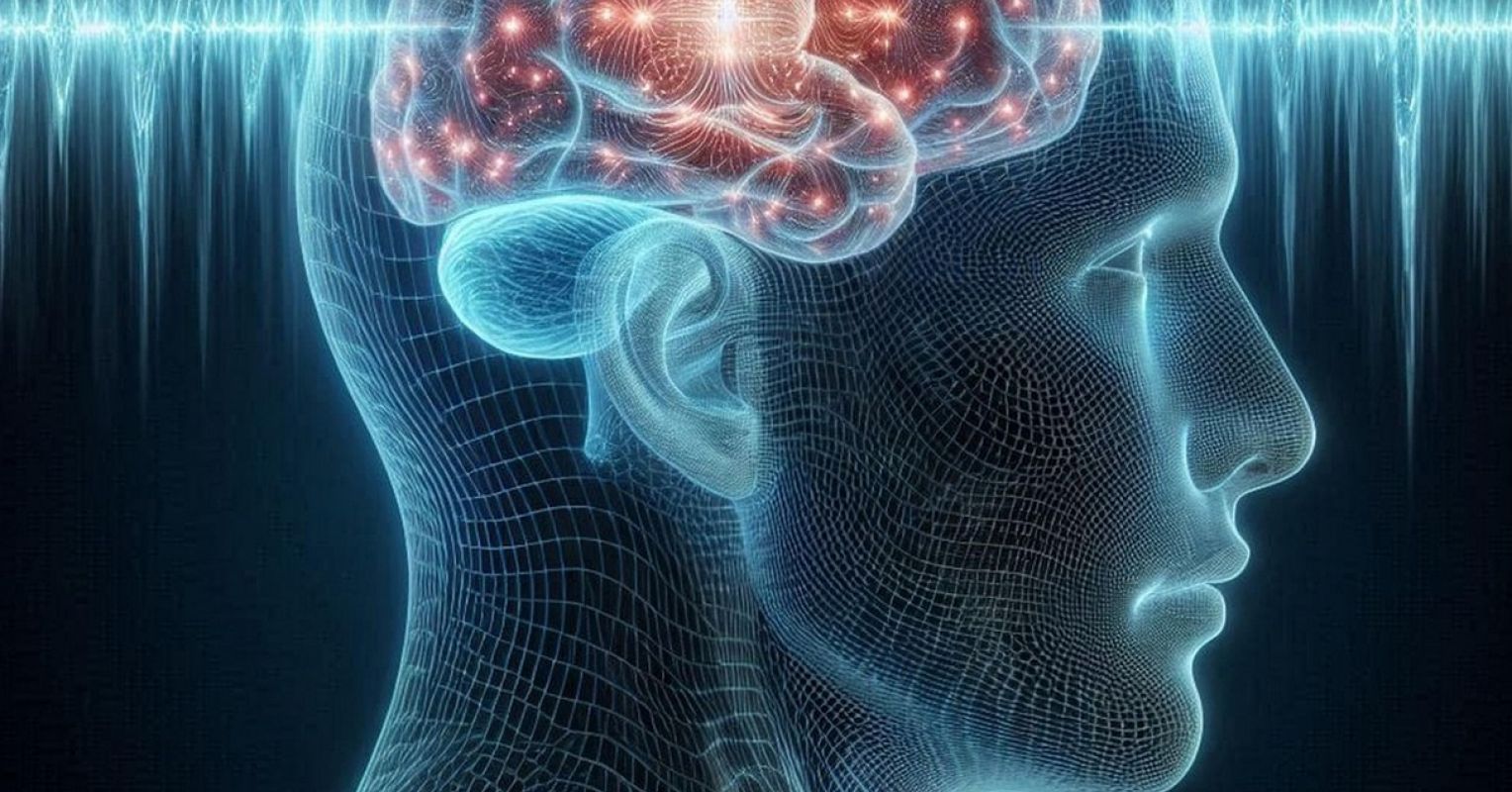
2 months agoAI-Decoded Brain Signals May Help Paralyzed Regain Movement
Artificial intelligence (AI) machine learning is making a difference in assistive technology to help restore movement for the paralyzed. A new study in the American Institute of Physics journal APL Bioengineering shows how AI has the potential to restore lower-limb functions in those with severe spinal cord injuries (SCIs) by identifying patterns in brain signals captured noninvasively via electroencephalography (EEG).
Artificial intelligence
fromNature
2 months agoOpenAI-backed firm to use ultrasound to read minds. Does the science stand up?
Brain implants are beginning to help people with severe disabilities to speak and even sing in near-real time. Now, a company wants to read people's minds and treat mental conditions without implanting electrodes deep into the brain by using ultrasound - high-frequency sound waves above the range of human hearing. Merge Labs, which launched last month with only a vague description of its goals, is one of many companies in a booming brain-computer interface (BCI) market.
Artificial intelligence
[ Load more ]