World politics
fromwww.dw.com
1 hour agoSIPRI: Record arms spending, again
Global military spending reached a record $2.887 trillion in 2025, driven by ongoing conflicts and heightened security concerns, especially in Europe.
The economics are hard to ignore. Shooting down a drone with AeroVironment's LOCUST laser system costs less than $10, using just two to five seconds of laser energy. Compare that to the interceptor missiles currently used against Iranian drone swarms, which cost orders of magnitude more and are in short supply across allied arsenals.
The wallets definitely [look like] someone with some degree of inside info, said Ben Yorke, formerly a researcher with CoinTelegraph, now building an AI trading platform called Starchild.
Stock markets, which have fully devolved into a circus animal responding to the one stimulus they know, bought the dip hard on the president's word. Even before this insane AI rally where stock markets are doing their best crypto impression, the concept of smart money in finance was not defined by the number-go-up traders on the floor of the New York Stock Exchange.
For years, Anthropic has distinguished itself from peers by embracing a safety-first stance. Its flagship model, Claude, was designed with guardrails that explicitly prohibit use in fully autonomous lethal weapons or domestic surveillance. Those restrictions have been central to the company's identity and its appeal to customers wary of unfettered AI.
Russia still pursues its original maximalist demands, including territorial claims to control Ukraine's eastern regions, and continues to oppose the prospect of Ukraine ever joining Nato or ever hosting western troops as part of security guarantees. Ukraine's Volodymyr Zelenskyy said in his nightly address yesterday that reliable security guarantees are the only real foundation for peace, as he warned that Russia could test it any peace settlement through strikes or hybrid operations of some kind.
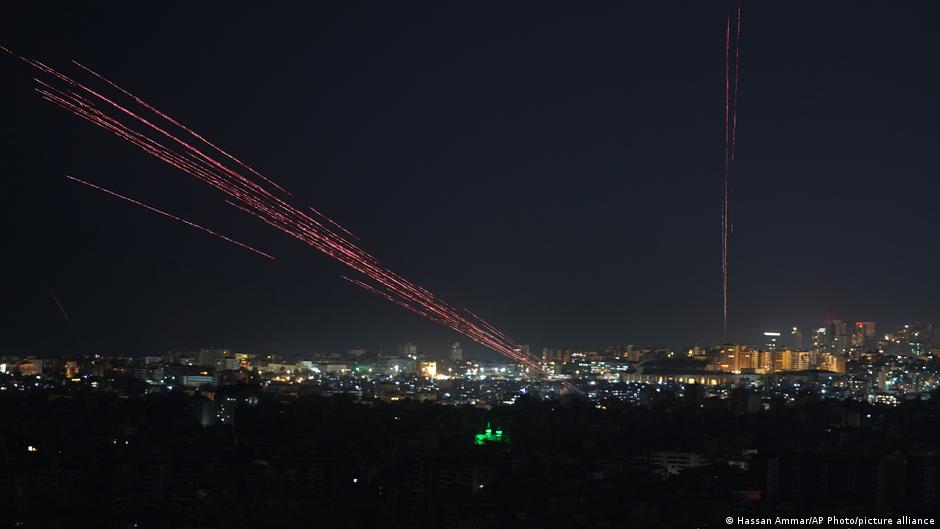
The ceasefire agreement, brokered by the United States and France, formally aimed to end active hostilities between Hezbollah and Israel. In practice, however, the agreement never truly halted the conflict. Israeli forces maintained a presence in Lebanese territory, and military strikes against Lebanon continued on an almost daily basis.
Anthony Glees, Emeritus Professor at the University of Buckingham, called the US and Israeli decision to attack Iran a 'war of choice' and the first red flag which previously led to the last two world wars. He claimed that the conflict in the Middle East did not start out of necessity or self-defense, but as a deliberate decision by two leaders focused on gaining power and keeping it.
In October, Hamas and Israel signed a peace deal supposedly intended to stop two years of slaughter in Gaza. Since then, more than 420 Palestinians have been killed by Israeli fire-an average of about four people a day-in what international mediators continue to describe as a successful de-escalation. The distance between that official narrative and the facts on the ground reveals how the language of ceasefire has been repurposed: It no longer describes a pause in violence but rather a mechanism for managing it, sanitizing ongoing military force under the guise of restraint.
"Humanity has not made sufficient progress on the existential risks that endanger us all," said Alexandra Bell, president and CEO of the Bulletin of the Atomic Scientists. "The Doomsday Clock is a tool for communicating how close we are to destroying the world with technologies of our own making. "The risks we face from nuclear weapons, climate change and disruptive technologies are all growing. Every second counts and we are running out of time. It is a hard truth, but this is our reality."
In the full glare of the world's media spotlight, Israel has been conducting its genocidal war against Palestinians in Gaza while the mass killing of civilians in Sudan has not stopped since the outbreak of that country's war in 2023. Violence is ongoing elsewhere from Myanmar's civil war to conflict in Nigeria. Drone attacks targeting noncombatants have become commonplace in Ukraine while massacres of civilians across multiple conflicts continue, including in Ethiopia, Haiti, Myanmar, Yemen all with apparent impunity.