#teardown
#teardown
[ follow ]
#repairability #right-to-repair #troubleshooting #smartphones #macbook-neo #tech-support #1990s-technology

Software development
fromBusiness Matters
1 week agoTop Benefits of Using Structural Design Software (And Why Spreadsheets Won't Cut It Anymore)
Modern structural design software automates repetitive tasks, improving accuracy and efficiency while reducing errors and costs in complex engineering projects.


fromBig Think
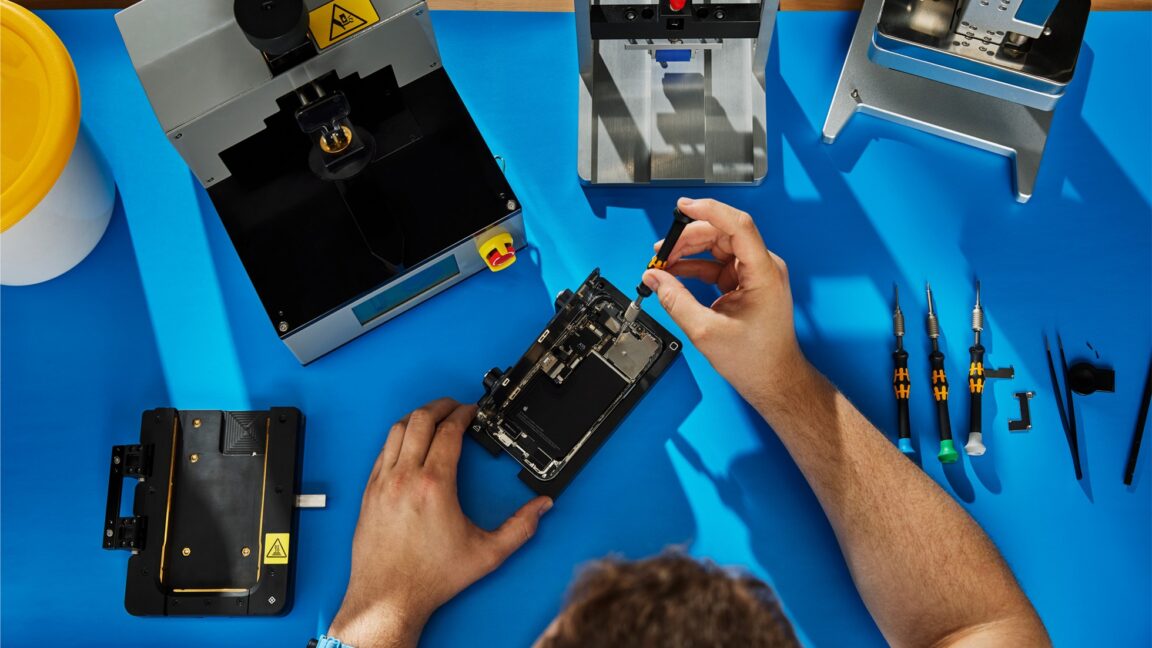
2 weeks agoWhy fixing your gadgets often costs more than replacing them
The fix, he told me, was temporary - he didn't have the right part and couldn't get it. This experience revealed a broader shift in how modern products are designed, sold, and owned - one that increasingly treats repair as optional and replacement as inevitable.
Renovation
fromArs Technica
2 weeks agoTeardown of unreleased LG Rollable shows why rollable phones aren't a thing
The complexity of the internals would have made the Rollable extremely expensive to manufacture, and it would have demanded a high price tag. Asking people to pay Galaxy Z money for an LG phone in 2021 was probably a non-starter.
Mobile UX
fromArchDaily
4 weeks agoDesigning for Obsolescence in an Age of Perpetual Upgrades
In the nineteenth century, entire railway networks became obsolete almost overnight, not due to physical deterioration, but because of changes in the technical standards that supported them. The expansion of railroads across Europe and North America adopted different track gauges, and as a dominant standard gradually emerged, these infrastructures became incompatible with one another.
Renovation
fromYanko Design - Modern Industrial Design News
1 month agoThis Foldable DIY Cyberdeck Has Breadboards Built In and Runs Doom - Yanko Design
What separates this from a standard Raspberry Pi build is the pair of breadboards soldered directly to the GPIO pins, seated inside the case, and accessible through a removable back panel. Connecting a sensor no longer means hunting for a separate breadboard and a tangle of jumper wires. PickentCode plugged in a temperature and humidity sensor and had it reading live data within minutes.
Gadgets

fromEarth911
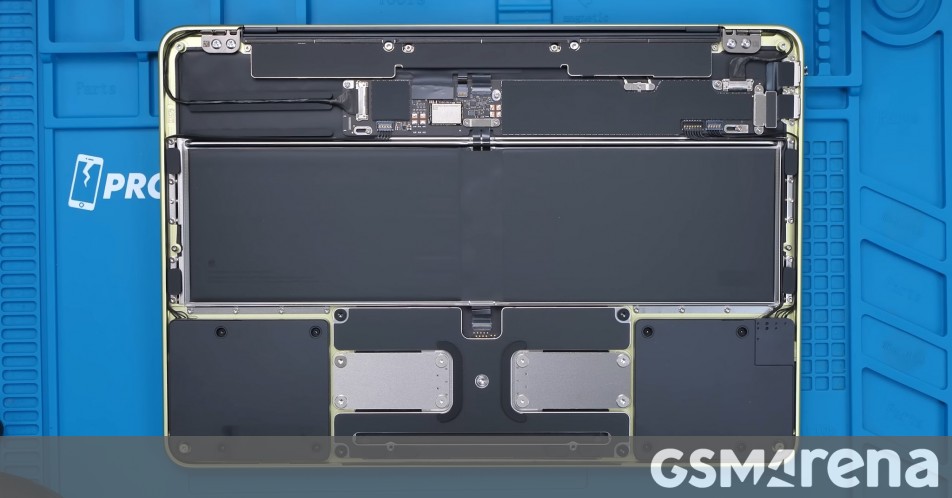
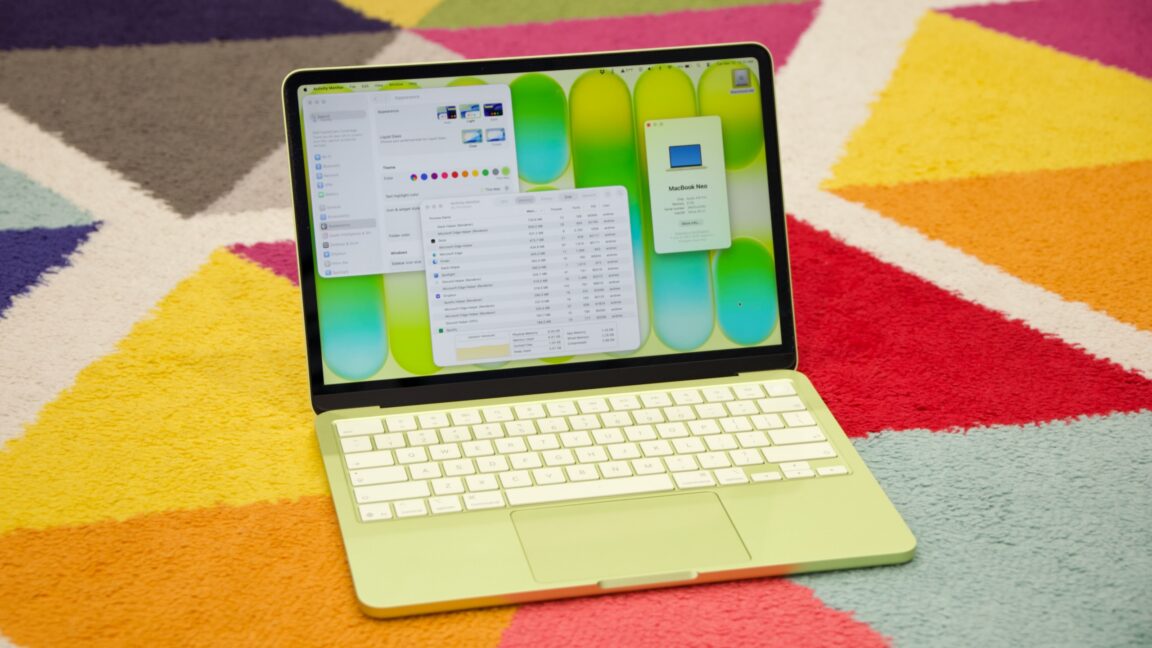
1 month agoFind Your Fix: Tech Brands Are Embracing Right to Repair
By January 2026, over a quarter of Americans will live in states with right-to-repair laws, and that number should rise to more than 35% by fall 2026 when Connecticut and Texas join in. The European Union also passed a Right to Repair Directive in 2024, which will apply to all EU countries by July 2026. These rules make manufacturers give consumers and independent repair shops the tools, parts, manuals, and software needed to fix their own products.
Environment
fromArchDaily
2 months agoDecomposition as Expression: Disassembled Axonometry as Design Tool
In the translation of three-dimensional reality onto a two-dimensional plane, axonometry stands as one of the graphic systems of representation that form the foundation of the language used by architecture and design professionals. Alongside plans, sections, and elevations, its exploded views often stand out for their ability to study the multiple layers that compose a project. Although axonometry is also employed in other disciplines such as
Design
fromFast Company
2 months agoMaking things that make things
The advertising industry has always been in the business of making things, such as the OOH billboard, the 30-second spot, the snappy social post, the standard website: final, finite assets polished and pushed into the world. Agencies were paid, often by the hour, for producing final versions of these things and then moved on to the next project. Even with generative AI entering the picture, much of the conversation remains focused on making those same things faster or cheaper.
Marketing
fromTheregister
2 months agoTech support detective solved crime by checking the carpark
"A floor manager responsible for production asked me to fix his PC, which was so slow he could literally make a coffee in the time between double-clicking an icon and having the program open," Parker told On Call. The manager's PC was only a year old and ran Windows XP, a combo that at the time of this tale should have made for decent performance.
Information security
fromTheregister
1 month agoServer crashes traced to one very literal knee-jerk reaction
It was the time of Novell networks, RG58 cables, and bulky tower PCs. It was also a time before the telemarketer's IT department employed specialists. Carter and his two colleagues - boss Mike and part-time student Stefan - therefore handled tasks ranging from programming to support, and everything in between.
Software development
[ Load more ]