Arts
fromwww.nytimes.com
1 day ago11 Masks That Define World Culture
Ancient masks from various cultures symbolize permanence, collective identity, and artistic mastery, reflecting their cultural significance and craftsmanship.
I would squirm in my chair as my new teacher worked their way through the class register, and my stomach would drop as they attempted to say my full name: Priti Ubhayakar.
Keepers of the Steps, the living archive and cultural program at the United Irish Cultural Center dedicated to preserving generations of Bay Area Irish dancers, teachers, and families. Through stories, images, and lived experience, we'll reflect on how dance carries lineage, identity, and community forward.
I grew up in a Mexican household where food was our love language - but there was also stigma and very little guidance around diabetes. When my aunt, and later my mom, were diagnosed, it took time to understand what healthy eating could look like for them. That's why this partnership means so much to me. Our culture and our food are not the problem - they're part of the solution.
We are living through one of the most disorienting periods in recorded history. The AI race is accelerating toward ever faster, ever more sophisticated automation and optimization. Agentic AI systems are moving from research labs into workplaces, healthcare, and governance. Geopolitical tensions are restructuring alliances faster than institutions can adapt. And planetary systems are signaling, with increasing urgency, that our current trajectory is unsustainable. Amid all this, it is dangerously easy to lose sight of a foundational question: What are we actually optimizing for?
Part of the answer lies in the visceral nature of the game. Unlike chess, football is physical to the point of absurdity. Grown adults in body armor crash into each other over what is essentially a leather egg. There's drama in every play. You don't need a PhD in physics to appreciate a one-handed catch while somersaulting over a defender like a caffeinated acrobat.
The Stasi, the secret police, were legendary for their data files. Their work was based on instilling fear, and they induced stunningly amazing numbers of East Germans into informing on their neighbors. Something along the lines of 1 in 6 East Germans were informants, whether out of fear or out of approval of what the East German government was doing.
Here dwells the indigenous Tzotzil community which has kept a pastoral way of life against the march of time. Apart from the odd forest ranger and passerby, Ruvalcaba's film focuses almost entirely on the Tzotzil women. Together, they tend herds of sheep which they still shear by hand, and use traditional tools for spinning yarns and natural dye for fabrics.
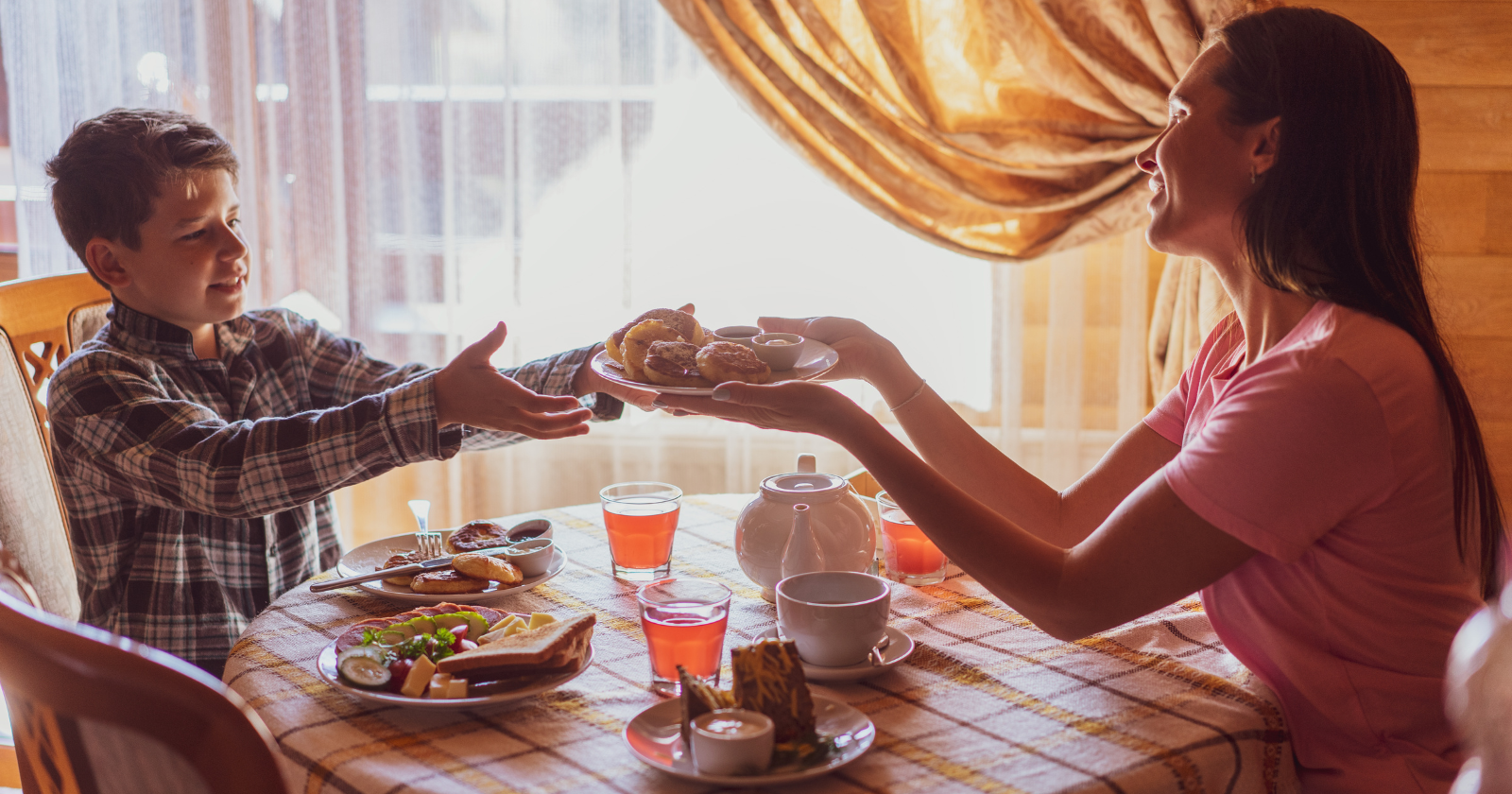
I noticed this shift in my own life when I started having dinner with my partner most nights, phones deliberately tucked away in another room. We made this change after too many evenings disappeared into "just checking one thing" that turned into hours of parallel scrolling. The difference was immediate and profound. Conversations went deeper. We actually looked at each other. Time seemed to stretch in the best possible way.
It's my mom's favorite country, and the house we share is full of treasures from her travels there, from peacock fans and silk scarves, to jewelry boxes carved from mango wood. I grew up in the UK, hearing spellbinding tales of painted elephants and mirrored palaces, and India soon occupied a special place in my imagination. Having got to 42 without making it to the promised land, this summer my chances of going there felt slimmer than ever.
We meet CultureSync Media founder Timmy Bankole, formerly of SCMP, discusses why cultural insight and audience understanding are fast becoming the most valuable currencies in modern advertising... Timmy Bankole has a wide range of experience across the ad tech spectrum, counting roles at Blis, PHD and South China Morning Post, and has recently founded agency CultureSync Media. In this Q&A, Timmy shares how agencies can move beyond generic targeting to uncover the deeper cultural codes shaping consumer behaviour.
His investigation began after identifying recurring giant T-shapes, three-level indents, and step pyramids carved into ancient stones worldwide. 'These specific symbols that are built in different size proportions, and the symbols are found in ancient stones around the world, are not supposed to exist; no cultures are supposed to have any cross-platform,' LaCroix explained. The symbols appear in locations ranging from Turkey's Van region to South America and Cambodia.
This is the time of year when my kitchen starts to tell the truth about who I am. Scottish crab, fresh from Tarbert, is lowered gently into a bubbling chilli bath of sambal and egg to become chilli crab, scooped up with steamed mantou buns and eaten messily with friends and family. Oysters from Lindisfarne are deep-fried in a light cloak of rice and corn flour, fished out of the wok with long chopsticks and dipped into sweet chilli sauce.
The Irish government will give 2,000 artists unrestricted weekly stipends in a program officials described as a "recognition, at government level, of the important role of the arts in Irish society." After a successful three-year pilot, the Irish government made its basic income program for artists permanent. Similar pilots have been launched here in the United States, but they're supported primarily by the nonprofit sector.
as the gods were understood as the true monarchs and the king as simply their steward. In order to maintain his authority, the king needed to court the goodwill of the gods, and although they made their approval clear through military victories, bountiful harvests, and prosperous trade, events such as the Akitu festival provided an annual opportunity for the divine to continue its relationship with the ruling house or withdraw its favor.
Tattoos and fermentation rarely appear in the same conversation, yet across the world, they share a quiet kinship. Both are practices of transformation, crafts that reshape raw material over time through care and relationships to the land, the spiritual, and the community. Tattooing inscribes identity and ancestry onto skin, while fermentation preserves, nourishes, and binds communities through shared taste and ritual. Both create change, brewing something more than themselves through embodied knowledge passed between generations.