#tribal-sovereignty
#tribal-sovereignty
[ follow ]
fromReadWrite
1 month agoWabanaki Nations tribes intervene in Maine casino lawsuit
The tribes argue the lawsuit threatens a key source of future revenue and self-governance. Their filing says the case concerns a constitutional attack on a Maine statute that establishes regulatory parameters pursuant to which the four Wabanaki Nations may seek to obtain licenses to offer internet gambling.
Law
fromReadWrite
1 month agoTribal leaders fight federal oversight of sports prediction markets
"Today, our Board took decisive action to protect what generations before us fought to build. These so-called prediction markets are an attempt to bypass tribal authority and recast gambling as a financial product. We will not allow that. We will stand united to defend tribal sovereignty and the integrity of Indian gaming."
Poker
Social justice
fromOregon ArtsWatch * Arts & Culture News
2 months agoTribal sovereignty and civil rights focus of free 250th anniversary discussion on March 19 * Oregon ArtsWatch
Native Americans faced centuries of voting suppression, and current voter restriction proposals echo historical methods that disenfranchised tribal communities.
Environment
fromHigh Country News
2 months agoHeavily contested pumped hydro-storage project gets federal go-ahead - High Country News
A proposed pumped hydro-energy storage facility near Goldendale, Washington received final federal permit despite destroying sacred Yakama Nation cultural grounds and root-harvesting sites essential to tribal identity and traditions.

fromAxios
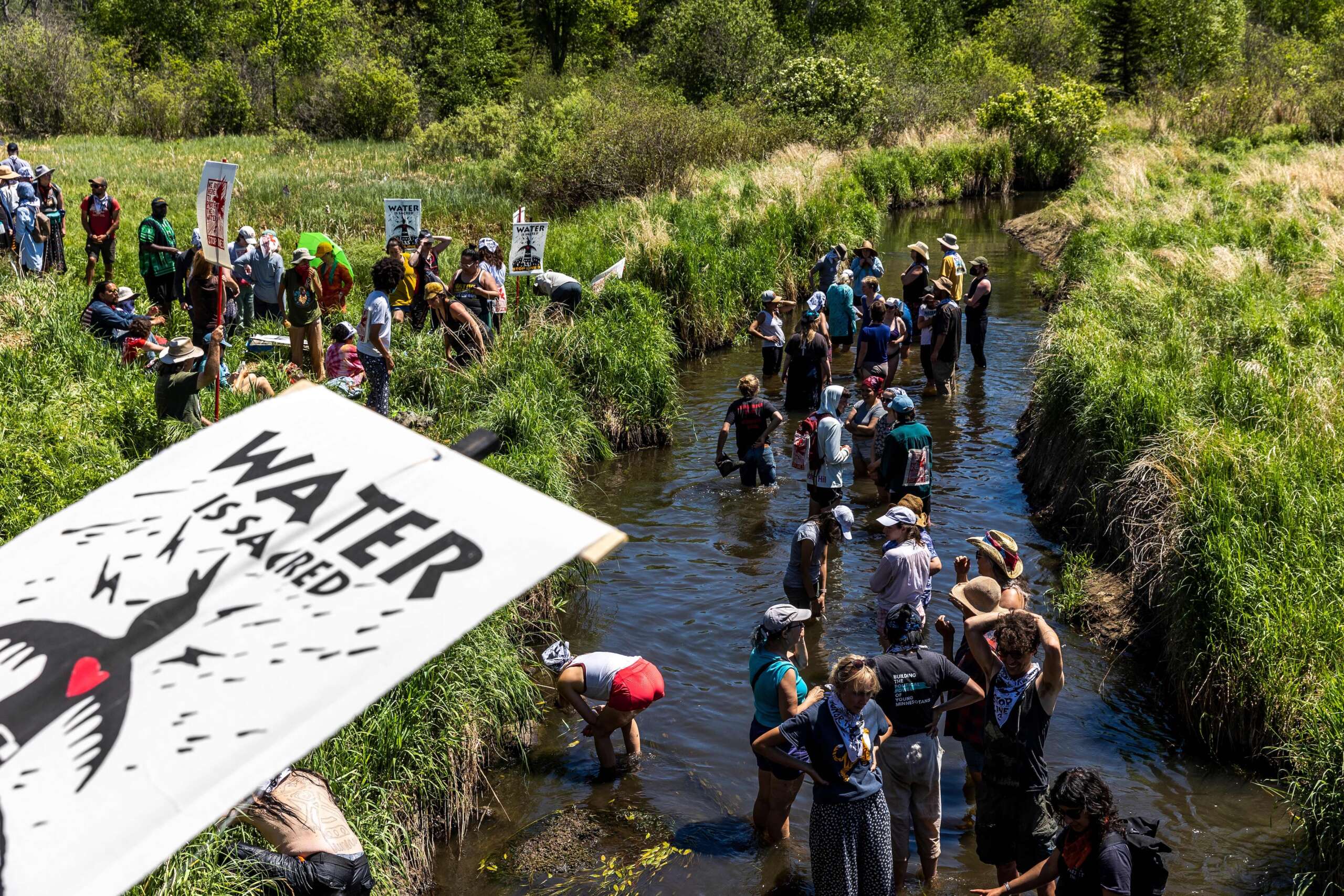
4 months agoOglala Sioux Tribe says ICE illegally holding tribal members from Minneapolis raids
Star Comes Out said the men were homeless and living under a bridge near the Little Earth housing complex in the East Phillips neighborhood in Minneapolis. According to Star Comes Out, when the tribe demanded information about the detained tribal members, federal officials told the tribe it would release information only if the tribe entered into an agreement with ICE. The tribe declined, saying such an agreement would violate its treaties with the U.S. government.
US politics
fromHigh Country News
5 months agoHow the gaming economy helps tribes navigate shifting policies - High Country News
Then, in 1905, the United States publicly disclosed the unratified treaties it had made with 18 California tribes. The tribes responded by building a legal and economic framework for tribal sovereignty. In 1988, the Indian Gaming Regulatory Act was enacted, and small casinos sprouted on reservations in Wisconsin, Minnesota and Southern California. Similar resorts sprang up across the country, and the economic benefits have helped fuel the struggle for tribal sovereignty.
Social justice
Law
fromPoynter
6 months agoFederal Indian law is shaping some of the biggest stories in America. Most journalists don't know they're covering it. - Poynter
Federal Indian law shapes major U.S. issues of land, sovereignty, governance and civil rights while tribal nations both rebuild institutions and confront threats to sovereignty.
[ Load more ]