SF politics
fromAxios
1 hour agoTrump suffers rare defeat with House Republicans
Republican leaders faced resistance on extending Section 702, resulting in a fallback to a short-term extension of the spy powers program.
Analilia Mejia's win with a nearly 20-point margin over Hathaway is significant, indicating strong voter support for Democrats in the current political climate.
Kristol pointed to Trump not mentioning Hegseth in his Truth Social post announcing a ceasefire between Israel and Lebanon as one of two key pieces of evidence that Hegseth has lost Trump's confidence.
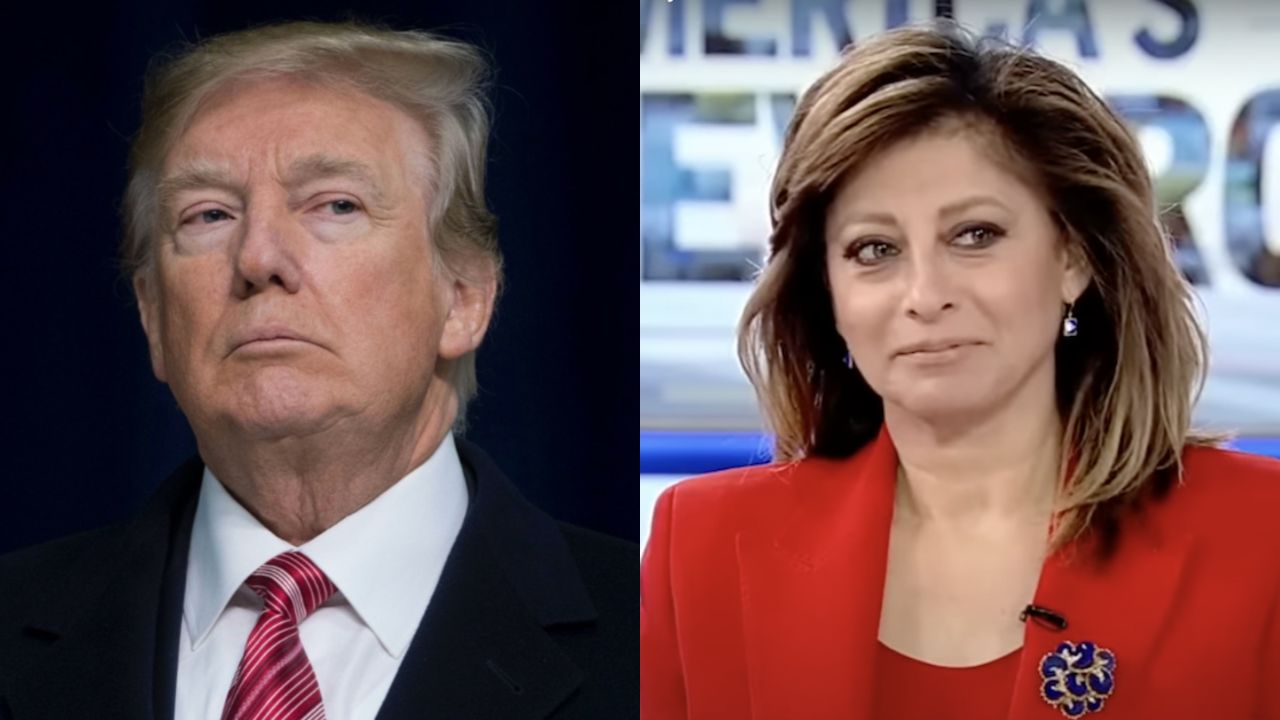
Martha, I think most people are economic voters. I think they're pocketbook issue voters, which is why we need to be speaking to them. And the one thing that we've made very plain is because of the things we did last summer, they're going to have more money in their pockets.
TMZ, who embarked on a new beat this week: the intersection of pop culture and politics. Mattingly rolled tape on a TMZ reporter asking Robert F. Kennedy Jr., Secretary, what did you do with the raccoon's dead penis? Where is it now?
Thune stated, 'I think you gotta again look at what the president is doing, and right now he's trying to open up the Strait of Hormuz which I think we are all supportive of.'
Faiz Shakir, executive director of More Perfect Union, stated, 'We're hoping that an economic populist movement for the next generation will start through More Perfect Union on campuses.' This reflects the organization's goal to mobilize students around economic issues.
Hegseth maintained that the zero-enrichment policy was not foisted on him, adding: As someone who, unlike the individual you referenced, is in the presence of the president nearly every day and has been inside every single key meeting that has happened surrounding the idea of Operation Epic Fury, not a single thing has been foisted upon the President of the United States.
Shapiro stated, 'I don't think it's a major issue for the Republican base. I think the president is exactly right to call this out for what it is, which is people who have fringe audiences.'
For the third time in less than a year, congressional Democrats are mulling the possibility of triggering a government shutdown as a way to show their defiance of Donald Trump. Last March, they (or at least a sufficient number of Senate Democrats, following Chuck Schumer's lead) chose to step back from the precipice of a shutdown, in part because they doubted Americans shared their interest in, much less their fury over,
Earlier this week, Gary Kendrick, a GOP council member in the red town of El Cajon, on San Diego's eastern outskirts, announced that he was crossing the aisle and joining the Democrats. Kendrick was the longest-serving Republican official in the region's local government. "I've been a Republican for 50 years," he said, in the statement explaining his action. "I just can't stand what the Republican Party has become. I'm formally renouncing the Republican Party."
Last weekend, I asked two British foreign-policy officials what had been the most troubling moment, so far, of President Donald Trump's world-destabilizing start to 2026. Both said (despite the British government's refusal to acknowledge this out loud) that it was the United States' seizure of the Venezuelan President, Nicolás Maduro, from Caracas, in the early hours of January 3rd. Trump "surprised us on the downside," one said. "Just not having had an inkling that Venezuela was coming," the other observed.