#urban-wildlife
#urban-wildlife
[ follow ]
#san-francisco #conservation #raccoons #biodiversity #mountain-lion #wildlife-rescue #london #peregrine-falcons


#raccoons

fromwww.cbc.ca
11 months agoToronto startup
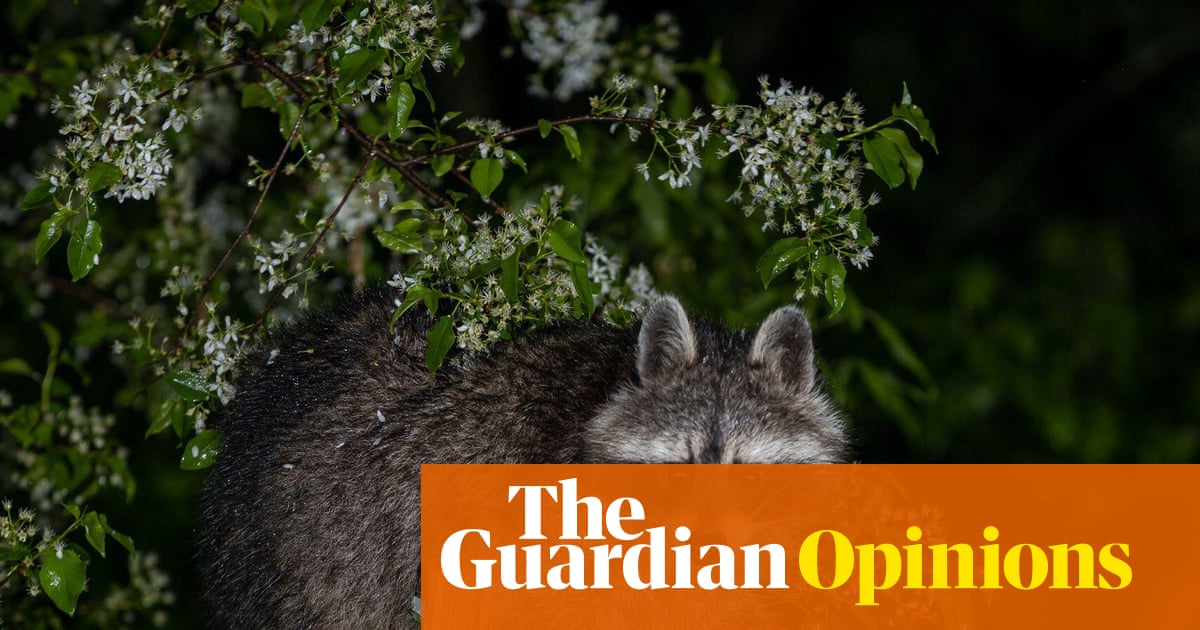
'It sounds like a horror movie': Toronto woman fed up with raccoon infestation amid neighbouring reno | CBC News
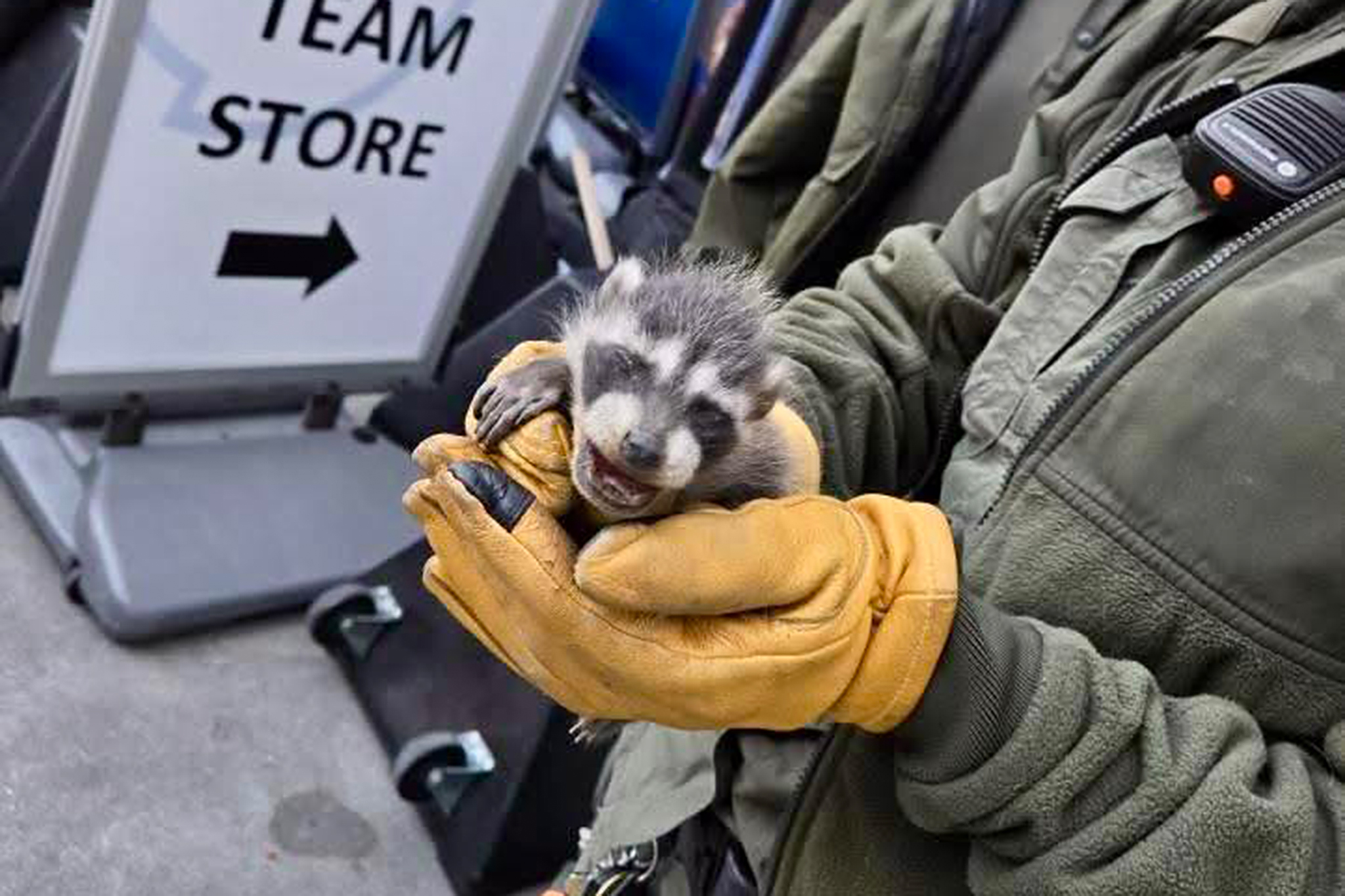
A Toronto woman is struggling with raccoon noises in her walls, facing slow response from city authorities and building owners in addressing the issue.




fromwww.theguardian.com
3 months agoBreakfast oysters and pricey king crab: Sydney's new fish market is glitzy and less smelly for now
When the new Sydney Fish Market flung open its doors for the first time on Monday morning, one regular clientele was notably absent. There were no seagulls. And, by extension, no poo. I've been waiting 50 years for this, one man carrying several shopping bags told me as he exited the shiny new building. I couldn't bring friends here from Europe to sit out there [at the old market] with the birds and the shit.
World news
fromTime Out London
4 months agoWild London: 5 things we learned from David Attenborough's new doc
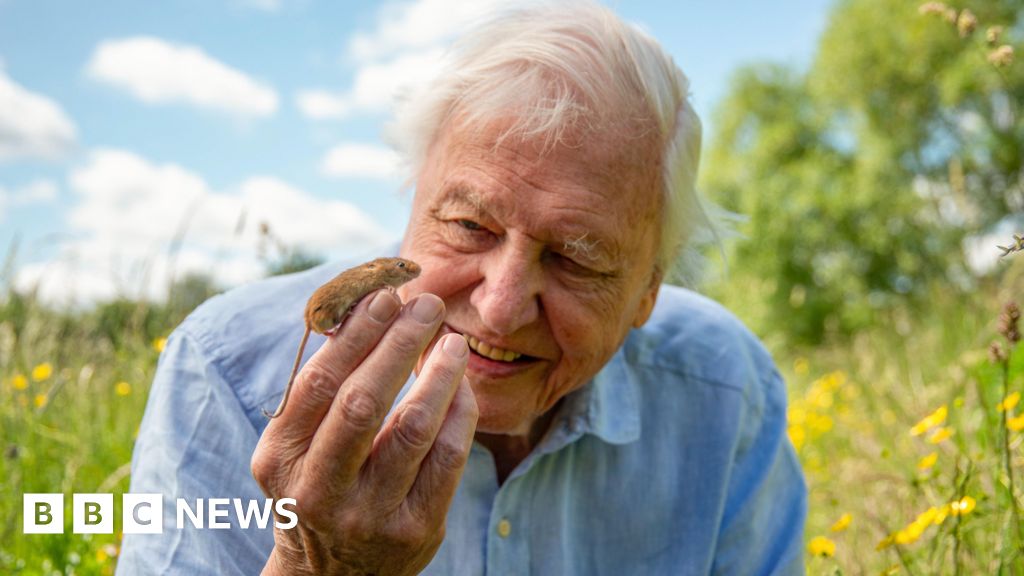
There are snakes living in London trees Just a short slither away from London Zoo and Camden, an estimated 40 snakes are living in the trees on Regent's Canal. Aesculapian snakes are native to continental Europe and it remains unclear how they came to be living in the heart of London. Shy and harmless to humans, the snakes play a role in the food chain, helping to keep down the numbers of rats and mice in the capital city.
Environment

fromFuncheap
4 months agoJournalism in the City by the Bay w/ Heather Knight and Marisa Lagos
From the city's new leadership, to the Golden State Valkyries' record-breaking first season, to urban coyotes, news coverage of San Francisco captures the intricacies of a city that is a cornerstone of culture, commerce, and politics on the West Coast. Knight and Lagos will discuss her breadth of work and what's unique about the San Francisco beat through her own unique, smart and captivating lens.
SF politics
fromWashingtonian - The website that Washington lives by.
5 months ago7 Good Things That Happened Around DC in 2025 - Washingtonian
The year started out strong, with the National Zoo's new giant pandas Bao Li and Qing Bao making their public debut in January. Despite the cold temperatures, fans waited outside the gates in anticipation, some donning panda gear in homage to the black-and-white bears. After a grueling 14 months without laying eyes on a panda, we could finally rest easy knowing DC's most beloved residents were back in the mix.
Soccer (FIFA)
fromwww.theguardian.com
5 months agoCountry diary 1950: A journey along south London's Crokestrete
The road along which we drove to-day from Herne Hill to Gipsy Hill looked at first sight no different from many another road in south-east London. Solid Victorian houses flanked it on either side and here and there a plane tree leaned over it, slightly forbidding in its gaunt bareness. And then, near the southern end of it we caught sight of its name Croxted Road.
UK news
fromwww.theguardian.com
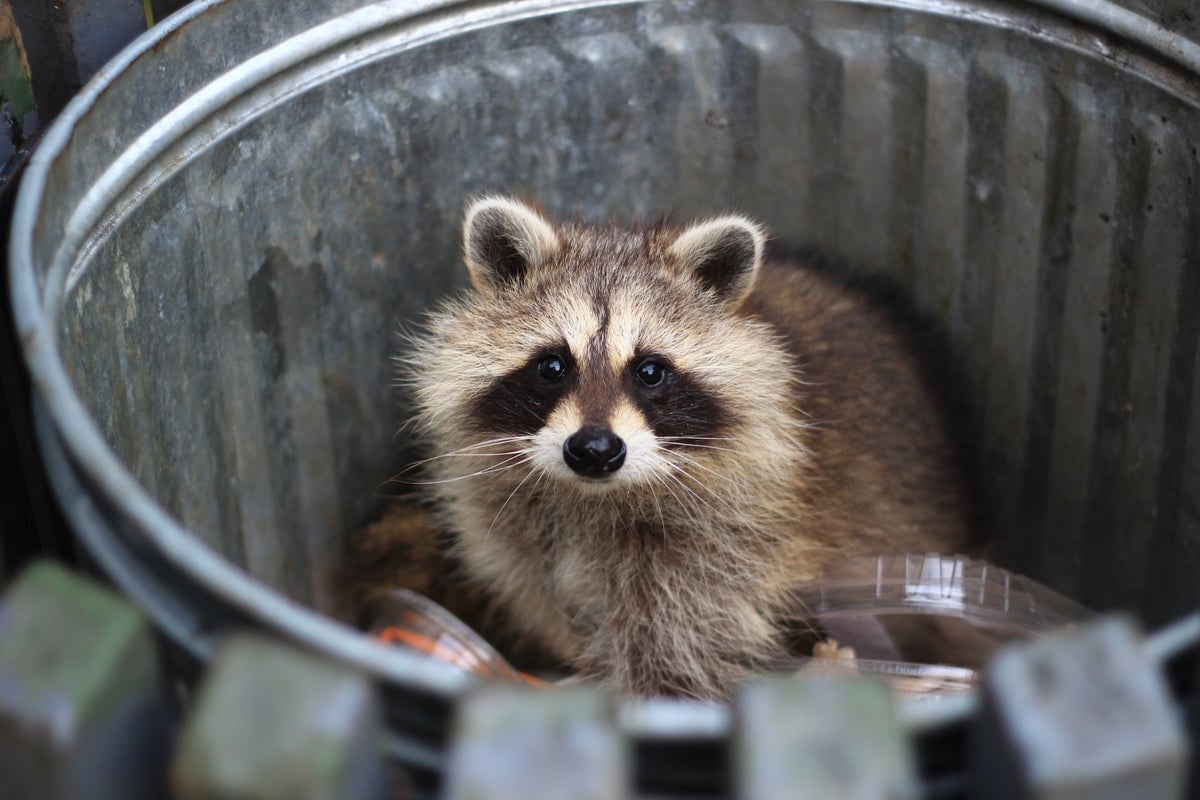
5 months agoDrunk raccoon found passed out in Virginia liquor store
A liquor store employee in Virginia was startled on Saturday to discover smashed whisky bottles on the floor of the shop and, upon entering the bathroom, an apparently drunk, sleeping and spread-eagled raccoon. He fell through one of the ceiling tiles and went on a full-blown rampage, drinking everything, Samantha Martin, an local animal control officer, told the Daily Mail. The Hanover county animal protection and shelter confirmed the raccoon was drunk and said it had since become sober.
Science
fromLos Angeles Times
5 months agoAltadena resident stunned by bear living under home: 'It roared from underneath the house'
Kenneth Johnson first noticed signs of an uninvited guest living under his Altadena home earlier this year. In April, Johnson saw that bricks around his home's crawl space were torn out, and the wooden frame covering the crawl space was broken. After spotting more damage in June, he installed a camera. Last week, the 63-year-old finally identified the culprit: a bear had moved in and made a home underneath Johnson's abode.
California
fromwww.amny.com
5 months agoA flockin' surprise: Wild turkeys thrive in unexpected parts of NYC
Even as thousands of New Yorkers gobble up turkey on their Thanksgiving dinner plates, wild turkeys are thriving in the city's urban wildlife landscape. Native to North America, turkeys live throughout the city, scouting out habitats that have tall trees and delicious treats, such as, well, bugs. Wild turkeys (Meleagris gallopavo) are flockin' around NYC. Much of that avian action takes place on Staten Island, mostly to the delight, but sometimes to the dismay, of local residents who talked turkey with amNewYork.
New York City
fromSFGATE
5 months agoThis wild animal shows signs of domestication in California cities
"I started wondering how our city environments potentially shape wild animals," Raffaela Lesch, a biologist from the University of Arkansas at Little Rock and the study's senior author, told SFGATE. "How might the environment where we live change them in a way that might be similar or the same to domestication? That's really the idea that sparked this work with the raccoons."
Science
fromwww.mercurynews.com
5 months agoWhy are birds perching on only 1 set of power lines in Newark?
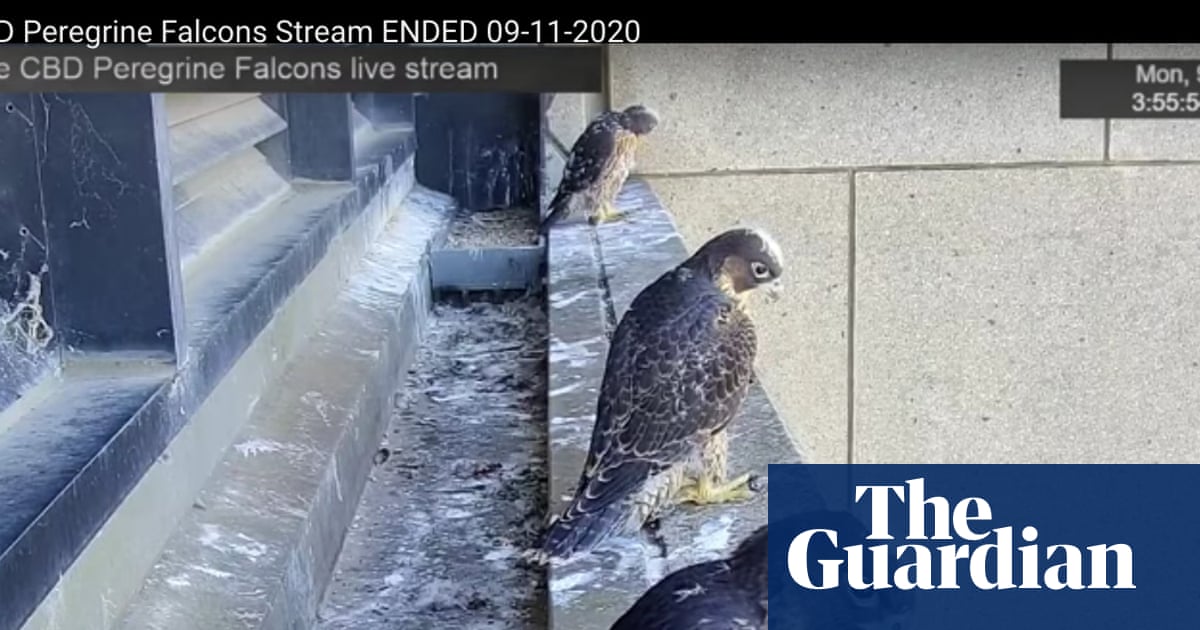
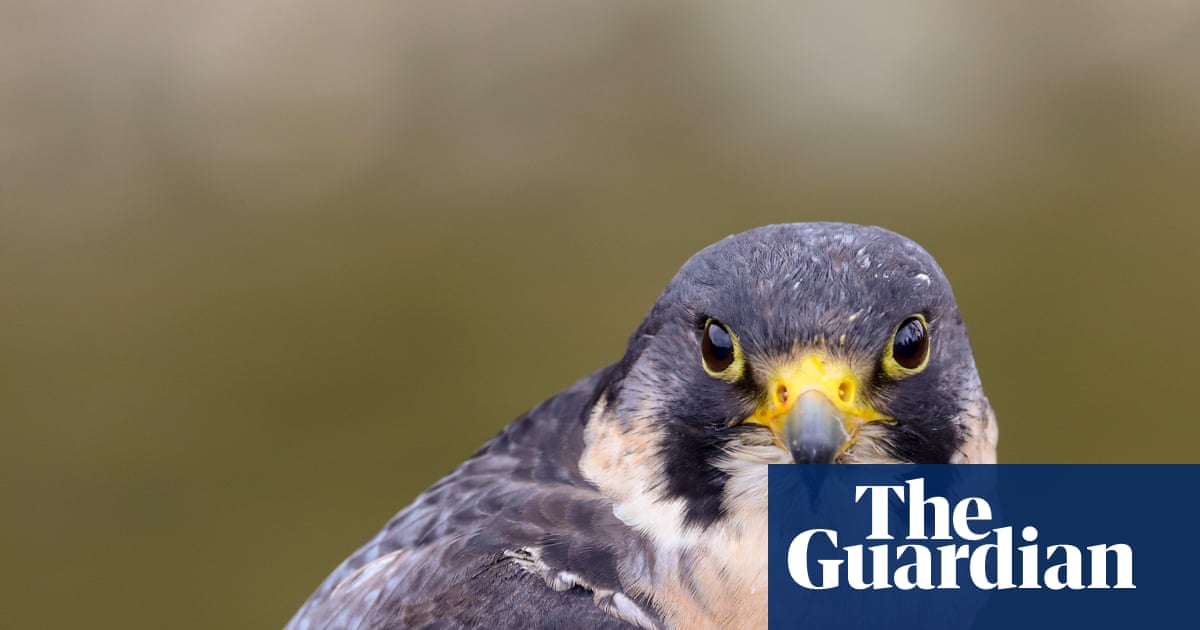
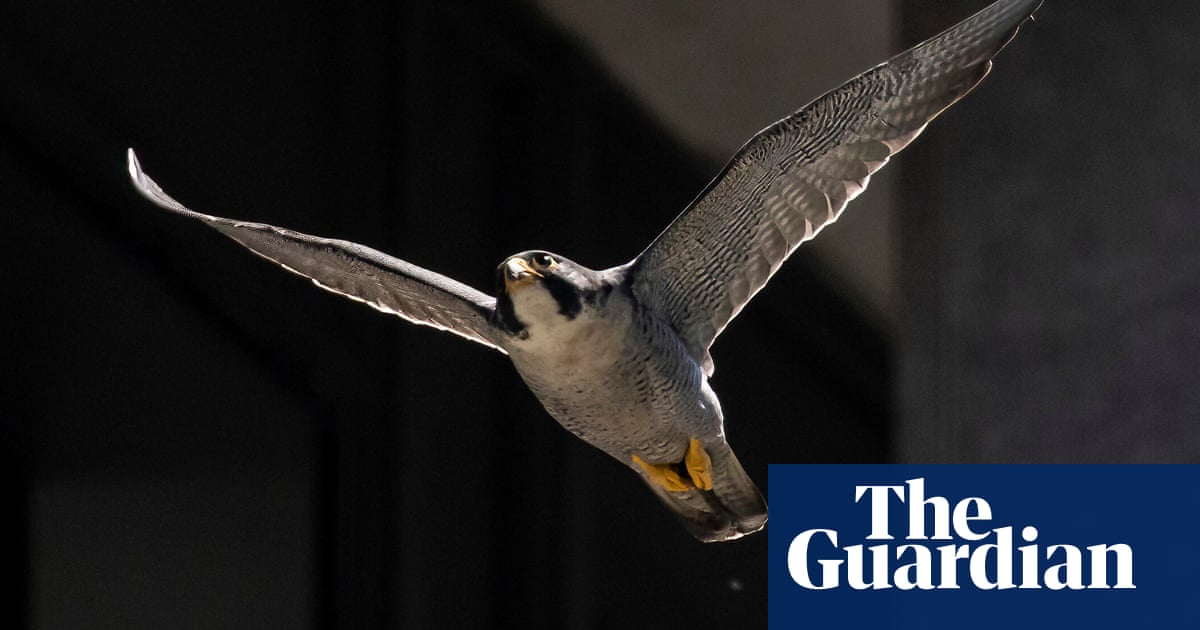
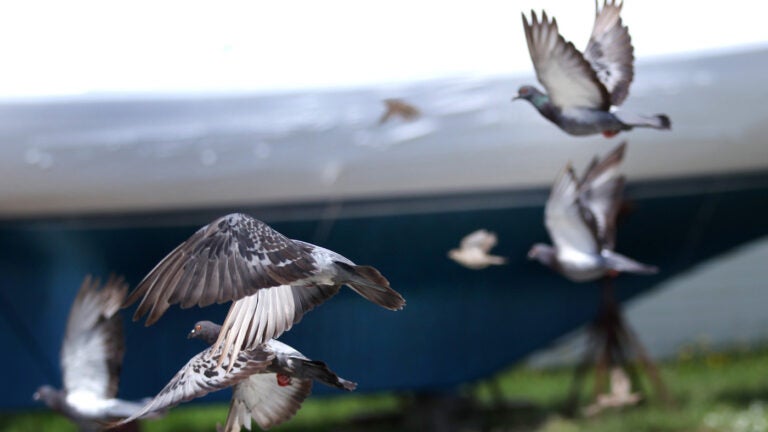
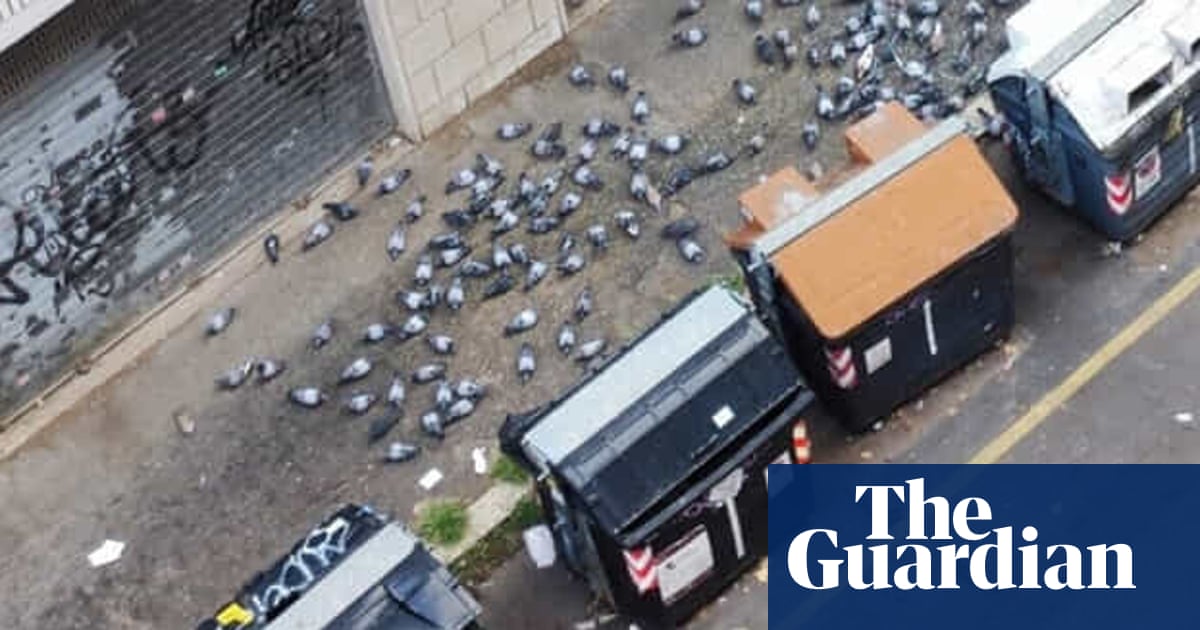
First off, birds really like sitting on elevated lines, whether those are power lines, telecommunication wires or cable lines. The high wires provide an excellent vantage point for surveying the area, giving them a bird's eye view of the territory. From there, they can look around for food and watch out for predators. The lines are also a convenient spot for taking a rest and as there are other birds on the line, a chance to converse.
Science
fromwww.mercurynews.com
6 months agoShould Walnut Creek family let an opossum live under a shrub in their yard?
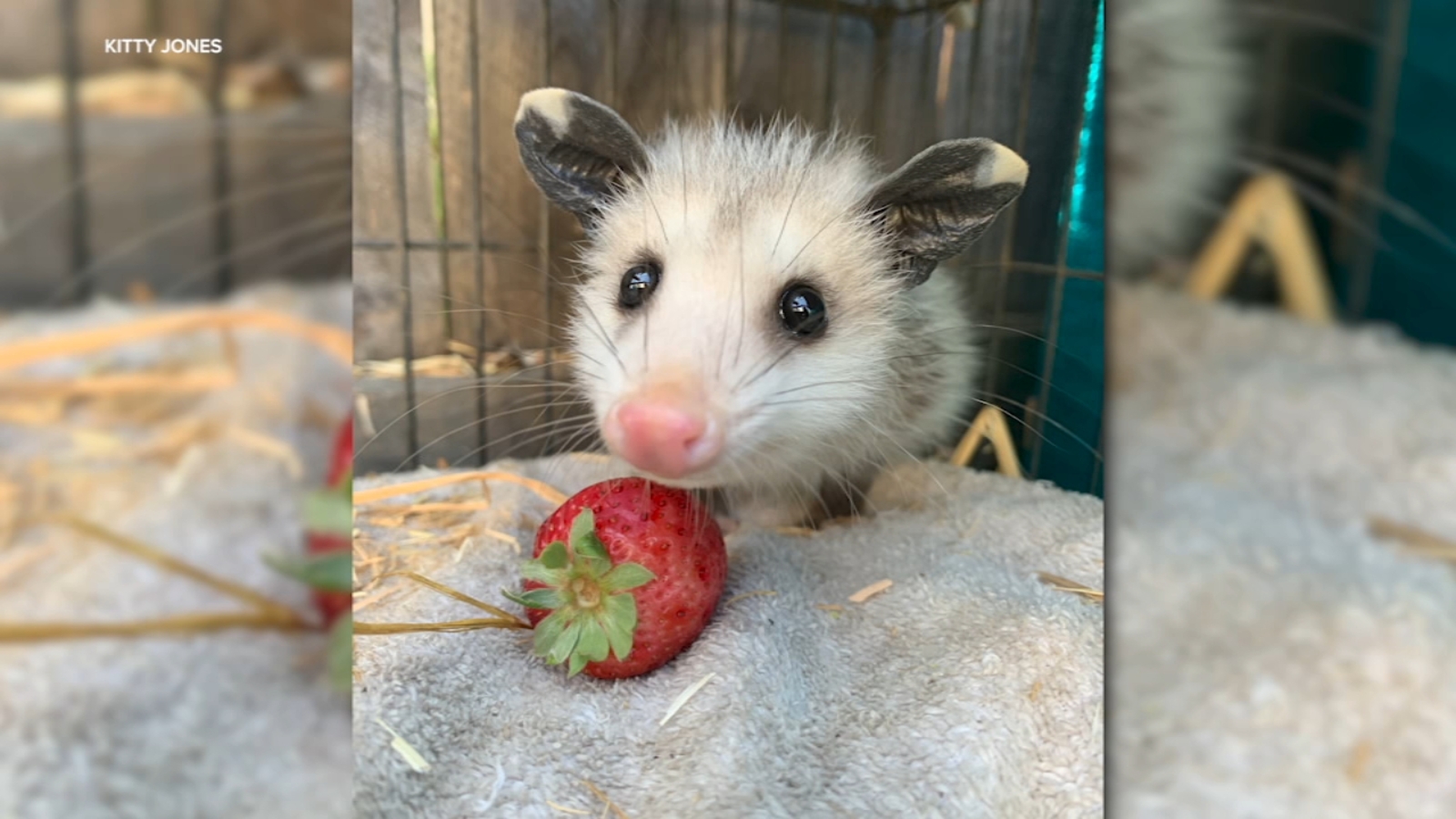
There are benefits to having an opossum as a close neighbor. Of all the critters that could move in, the opossum is probably the easiest to co-exist with. They rarely do significant damage to yards and gardens, although they can snack on fruits and vegetables. More often, they eat the sorts of things that we don't want in our yards insects, slugs, snails, ticks, cockroaches and even some rodents.
Environment

Arts
fromTime Out New York
7 months agoThe Met just unveiled four new sculptures atop its famous steps-here's how they relate back to New York's natural habitat
Ten-foot bronze sculptures of a hawk, squirrel, coyote and deer now occupy The Met's Fifth Avenue facade, blending Indigenous patterns with urban wildlife.


Environment
fromwww.theguardian.com
7 months agoYou're going about your day and suddenly see a little Godzilla': Bangkok reckons with a giant lizard boom
Around 400 Asian water monitor lizards inhabit Lumphini Park in Bangkok and have adapted to city life, interacting with residents and causing occasional conflicts.
fromwww.scientificamerican.com
8 months agoNew York City's Rats Love to TalkNew Tech Reveals Their Secret Lives
The findings shed light on how rats have adapted to city lifeand how chatty they are. There's this kind of secret language that rats are communicating in with each other that we don't hear, says Emily Mackevicius, a neuroscientist and a co-author of the study. They're very social, adds Ralph Peterson, another study co-author. They're rugged, and they're New Yorkers themselves: persistent and resilient and able to thrive in a very extreme environment.
Science


fromTheregister
11 months agoFoxes are squatting in Google's London HQ rooftop garden
The contractors managing the final fit out of the new Google building in King's Cross are having to deal with a 'skulk' of foxes. I'm told the foxes colonized the building in the early stages when it was still quite accessible and are now living on the top floor which is like a small park.
London startup
fromwww.theguardian.com
11 months agoTrying to get rid of noisy, food-stealing gulls is missing the point it's humans who are the pests | Sophie Pavelle
Hiring hawks from local falconer Christophe Puzin was the Majestic's answer to curbing gull-related incidents (such as Sophie Marceau's 2011 wine-on-dress situation).
London politics
[ Load more ]