#wall-clock
#wall-clock
[ follow ]
#luxury-watches #watchmaking #design #craftsmanship #watch-design #affordable-luxury #sleep-technology #wristwatch



fromChrbutler
6 days agoCraft is Untouchable - Christopher Butler
Craft is often defined as skill in making things by hand, but this interpretation is being challenged by AI. Craft transcends physical interaction; historical figures like Mozart and Beethoven exemplify mastery without traditional methods.
Intellectual property law
Wearables
fromYanko Design - Modern Industrial Design News
1 day agoadidas Originals' Two Ring watch shrinks digital timekeeping into a minimalist retro-modern timepiece - Yanko Design
Smartwatches are evolving into ring designs, exemplified by adidas Originals' Digital Two Ring, merging minimalism with functionality.
Wellness
fromInsideHook
1 month agoHatch Versus Loftie: Which Smart Alarm Clock Is Right for You?
Quality sleep requires deep, uninterrupted rest and waking refreshed, not just extended time in bed, and simple investments like a good mattress and dedicated alarm clock are more effective than expensive wellness gadgets.
fromYanko Design - Modern Industrial Design News
4 weeks agoCIGA Design Just Built the Most Interesting Tourbillon Watch of 2026 - Yanko Design
The central tourbillon is the engine of this idea, its constant rotation a visual metaphor for momentum that the wearer sees with every glance at the wrist. The dial's concentric grooved rings radiate outward from this spinning core, amplifying the sense of energy in every direction. A 24K gilded horse at six o'clock connects the concept directly to its zodiac inspiration, rendered small and precise, more like a seal than a decoration.
Design
fromdesignboom | architecture & design magazine
1 month agomechanical marble clock moves steel balls into pixel-like digits to tell the time
The inspiration for the mechanical marble clock comes from Ivan Miranda, an engineer known for building enormous marble clocks at an almost architectural scale. The response project is quite the opposite, though, because the creator tries to see what the smallest, simplest, cheapest version of this idea could work.
Gadgets
Paris food
fromInsideHook
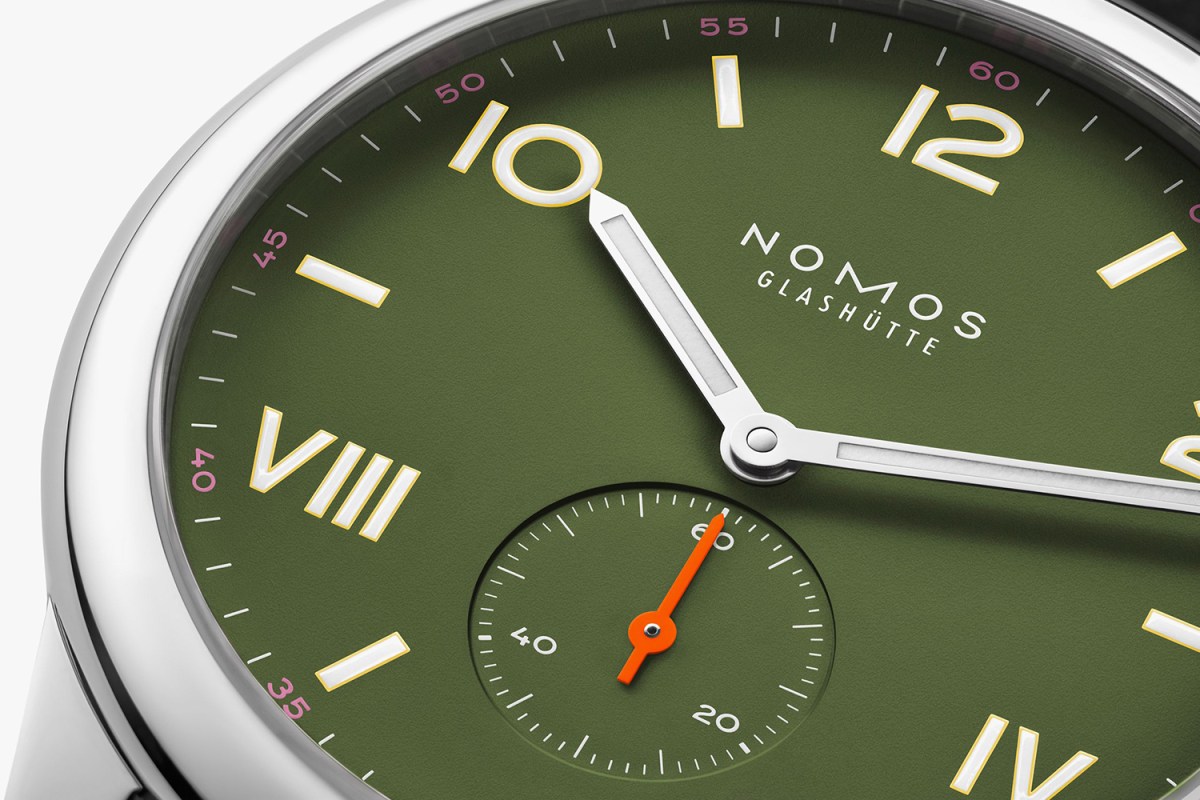
3 weeks agoGirard-Perregaux's Latest Watch Looks Like a Work of Art. It Sounds Like One, Too.
Girard-Perregaux introduces its first in-house minute repeater complication, the Minute Repeater Flying Bridges, establishing the brand among elite watchmakers with a 500-component automatic movement.

Design
fromYanko Design - Modern Industrial Design News
1 month agoThis 1970s Desk Organizer Works in Every Room But Your Office - Yanko Design
Joe Colombo's 1970 BOB desk organizer uses organic polyurethane gel design to elegantly solve storage through continuous form rather than visible compartments.
fromArchitectural Digest
1 year agoThe Best Alarm Clocks to Spring Into Your Daily Routine
The best alarm clocks present an alternative vision for your morning wake up routine: less grating, more considerate, and aesthetically pleasing. For this list, we opted for privileged looks and throwback features over Bluetooth capability and USB ports, resulting in an assortment of beautifully designed analog and digital alarm clocks that cover the basics—a snooze button, a backlight, and dimmer—without going full 21st century.
Gadgets


fromInsideHook
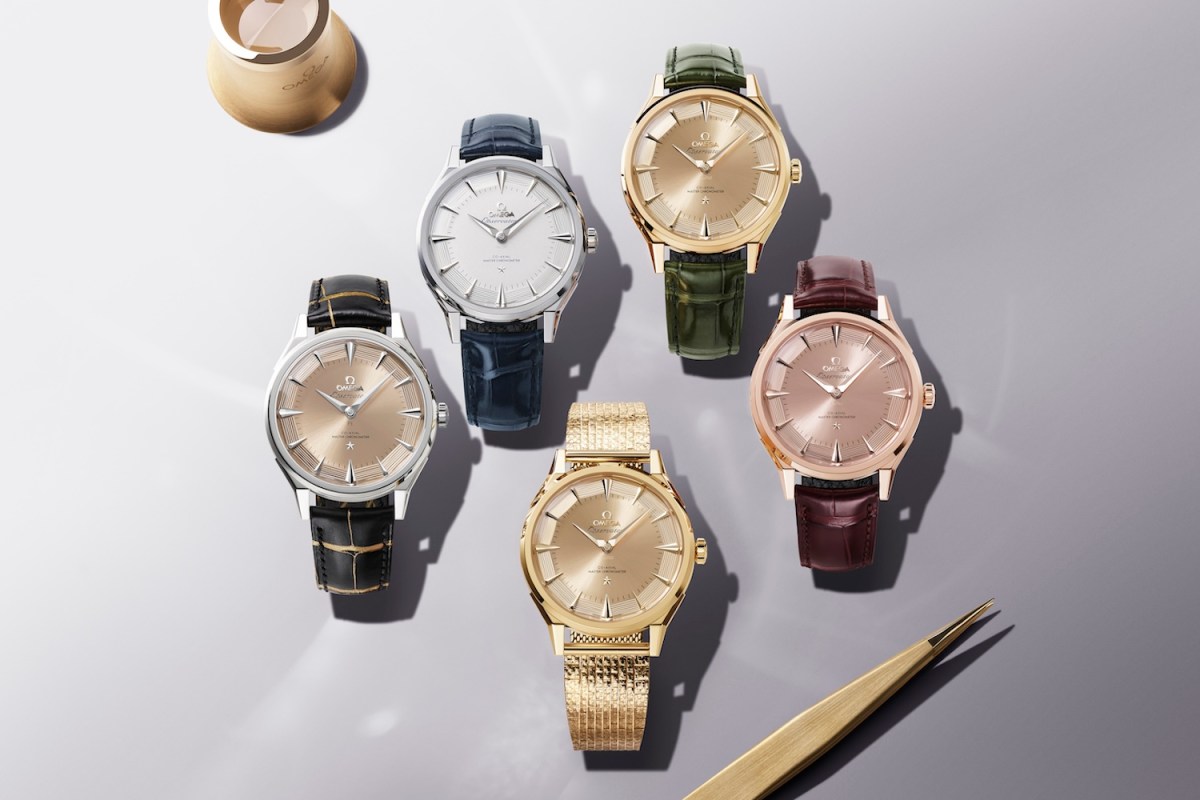
1 month agoWatchword: Tropical Dials
Until roughly the late aughts, much of the vintage watch-collecting community focused on stock that remained in the best physical condition possible, rejecting patination while polishing cases and generally restoring old watches in the manner of old cars. As the watch-collecting hobby proliferated in this century, however, collectors' tastes shifted dramatically.
Fashion & style
Gadgets
fromYanko Design - Modern Industrial Design News
1 month agoDreamie Built a $250 Alarm Clock to Replace Your Nightstand Phone - Yanko Design
Dreamie is a $249.99 bedside device designed to replace phones at night by consolidating alarms, soundscapes, lighting, and podcasts while deliberately limiting features to prevent distraction.
fromYanko Design - Modern Industrial Design News
3 weeks agoBeams Just Turned the $120 Timex Camper Into a Ring Watch - Yanko Design
The Beams Boy x Timex Original Camper Ring Watch draws its lineage from two points in history: the 1920s tradition of converting women's timepieces into jewelry, and the 1990s ring watch trend that briefly made a cult appearance before fading out again.
Wearables
fromThe Verge
3 weeks agoThis sleek alarm clock uses lights and sounds to help you sleep, focus, and wake up
The Clock stands about four inches tall and weighs around 260 grams, featuring a minimalist dial and an illumination system called Light Hour that displays time with glowing numbers and concentric tick marks.
Wearables
Wearables
fromYanko Design - Modern Industrial Design News
3 weeks agoBalmuda and Jony Ive's Firm Built a $373 Clock With No Hands - Yanko Design
Balmuda's The Clock solves bedside phone distraction by using illuminated time display and ambient sounds, eliminating the need to reach for your phone upon waking.


fromdesignboom | architecture & design magazine
1 month agomechanical clock with rotating discs can tell what time it is on other planets
Since every planet spins at a different speed, the gears are built with different ratios: Earth takes about 24 hours to spin once, Mars takes about 24.6 hours, Jupiter spins much faster, and Saturn spins fast too. Because of this, each dial shows the real day cycle of that planet, so the clock doesn't calculate time digitally.
Gadgets
Design
fromYanko Design - Modern Industrial Design News
1 month agoWall-Clock inspired by a Pile Of Leaves tells time but also a Nature-inspired Visual Story - Yanko Design
A hand-carved pine leaf clock creates a textured, organic wall timepiece that functions as both decorative object and convincing wall art.

fromYanko Design - Modern Industrial Design News
1 month agoThese Coffee Tables Have Up to 9 Clocks Showing Different Time Zones - Yanko Design
Coffee tables quietly witness mornings, late-night emails, and weekend calls with people in other cities. Time passes on screens and clocks on walls, but the table itself usually pretends it has nothing to do with any of it. It just holds mugs and magazines while the hours slip by unnoticed. There's something interesting about furniture that builds time into its structure instead of ignoring it completely.
Design
fromYanko Design - Modern Industrial Design News
2 months agoThis Concrete Desk Clock Looks Like a 1980s CRT TV - Yanko Design
There's a particular kind of design intelligence that knows when to slow down. The Crydal Phantom Clock, designed by Daniel van der Liet, is one of those rare objects that rejects the frantic pace of modern consumer tech in favor of something more deliberate. It's a desk clock, yes, but calling it just a clock misses the point entirely.
Design
fromYanko Design - Modern Industrial Design News
2 months ago27-Inch Digital Wall Calendar Shows Schedules, Then Switches to Photos - Yanko Design
Shared calendars scatter across phones, sticky notes live on the fridge, and whiteboards never quite get updated. Most attempts to centralize family logistics involve smart displays that look like tablets or small TVs bolted to the wall, clashing with the rest of the room. A shared calendar deserves to be visible, but not at the cost of turning your kitchen into a control room with glowing screens and exposed cables.
Gadgets
fromElite Traveler
2 months agoThese One-of-a-Kind Chandeliers Take Hours to Make by Hand
Lighting is one of the most essential aspects of a home; it's also one of the most overlooked. The right illumination can create ambience, soften harsh edges, and imbue a sense of warmth. However, not all light sources are of the same quality. A custom chandelier, for instance, will always stand head-and-shoulders above the rest. These meticulously made creations can range from minimalist to monumental, bringing scale, ambition, and elegance into the room.
Design
Wearables
fromZDNET
1 month agoI turned my Android phone into the perfect bedside clock - here's how
Android phones can be customized as bedside clocks with screen saver features, eliminating the need for traditional alarm clocks and allowing users to check the time without bright displays disrupting sleep.
Gadgets
fromYanko Design - Modern Industrial Design News
2 months agoUrwerk 100V "LightSpeed" Ceramic limited-edition watch tracks propagation of light through space - Yanko Design
Urwerk’s UR-100V "LightSpeed" Ceramic mechanically visualizes sunlight travel times to each planet using a satellite-style wristwatch display.
Gadgets
fromYanko Design - Modern Industrial Design News
2 months agoThis Reciprocating Detail Sander Works on Detailed Projects like Gundam Kits, Wood, and Jewelry - Yanko Design
NeoSander is a palm-sized, cordless linear-motor detail sander delivering up to 13,000 SPM and adjustable stroke for precise, low-vibration finishing in tight spaces.
fromApartment Therapy
2 months agoIKEA Is Selling a $2 Mini Gem That'll Improve Your Morning Routine
To be honest, I've never been a morning person. When I have to wake up early to be somewhere, I will make it happen, but leaving the warm comfort of my covers feels like pulling teeth most of the time. If I don't have to be up at a certain time, it's almost embarrassing how long I'll stay in bed. I have snoozed my phone alarm every eight minutes 10 times in a row without even opening my eyes.
Gadgets
fromInsideHook
2 months agoWatchword: The Sector Dial
Take the so-called "sector" or "scientific" dial. Organized into concentric "sectors" that divide the minute, hour and sometimes the subdivided seconds tracks into separate areas, they often (but not always) feature bisecting vertical and horizontal lines that create four equal quadrants. These aesthetically-distinctive dials originated on pocket watches in the early 20th century, carrying over the idea of the "railroad" minute track and merging it somewhat with the curvaceous, decorative geometry of the art deco movement.
Wearables
Wearables
fromYanko Design - Modern Industrial Design News
2 months agoWear Your Real Watch: This Case Turns Apple Watch into a Mini Handheld - Yanko Design
elrow's miniphone cases convert an Apple Watch into a pocketable lanyard device, trading continuous health and activity tracking for convenient handheld notifications and payments.
[ Load more ]