E-Commerce
fromwww.businessinsider.com
13 hours agoWalmart is racing to become Amazon before Amazon can become Walmart
Walmart and Amazon are borrowing strategies from each other to enhance growth in e-commerce and retail.
Bayer is supplementing human security patrols around its 8,000 acre Hawaiian corn farm with robotic security dogs, supplied by the tech firm Asylon. The Asylon dogs are meant to guard the company's precious maize from vandals, wildfires, wild fauna, and other hazards around the clock.
Chef Robotics has recently reached a remarkable milestone by completing 100 million servings in production, underscoring the company's commitment to innovation and the importance of automation in food manufacturing.
Whole Foods shelves sit empty after a data breach shut down its wholesale distributor. Meat packers working for JBS Foods are paralyzed as an $11 million ransomware attack takes out their processing facilities. Some 2.2 million workers at Stop & Shop and Hannaford have their personal data exposed as the result of a cyberattack on parent company Ahold Delhaize USA. These scenarios, straight from a William Gibson novel, are becoming increasingly common in supply chains across the world.
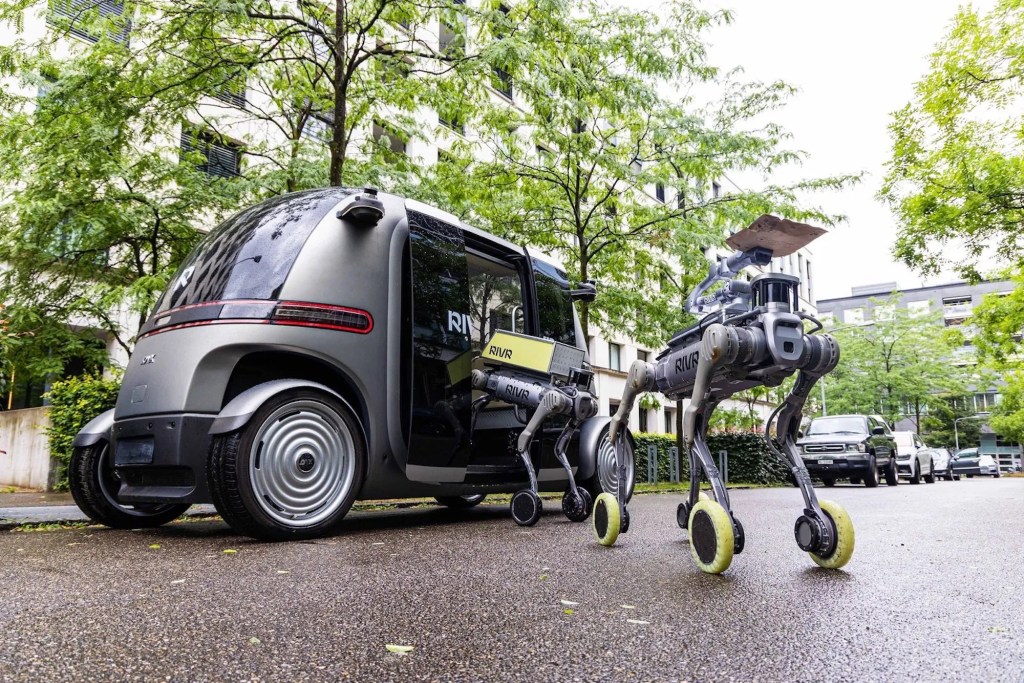
When delivery units operated by companies like Coco or Serve Robotics run into real-world obstacles - like a garden, for example - these robot wranglers spring into action, freeing them from potholes, helping them upright after a fall, and ferrying them back to headquarters for maintenance.
Surveys suggest customers want to use AI for shopping and to see AI tools from retailers. In a CI&T survey conducted in 2025, 58% of 1,040 U.S. consumers said retailers should use AI to improve the shopping experience, and almost 75% said they were already using AI tools at least occasionally in their path to purchase. In a separate survey from Gartner last March, 56% of millennials said they would be willing to let AI handle or assist with some of their shopping tasks.
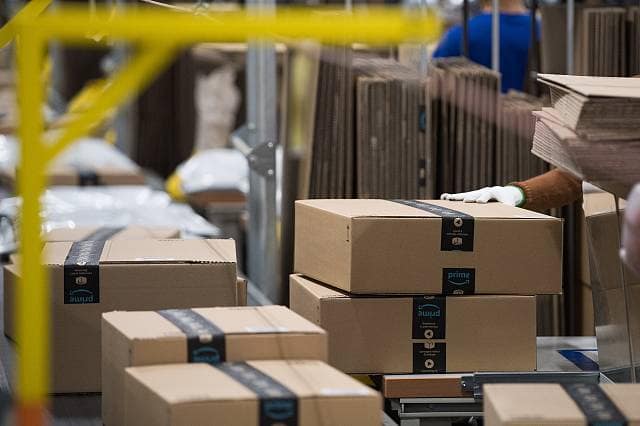
Amazon automation isn't a magic button. It's a business model, and like any business model, outcomes vary based on execution. The short answer is yes, it can be profitable. The honest answer is that it depends entirely on how it's done and who is running it.
Nine in ten retailers globally are planning to raise their spending on artificial intelligence (AI) to optimise their e-commerce operations over the next 12 to 24 months, with online delivery execution a key area of focus. A total of 38% of European retailers identify speed, tracking and proactive communication around the delivery process as areas where AI can deliver the greatest impact.