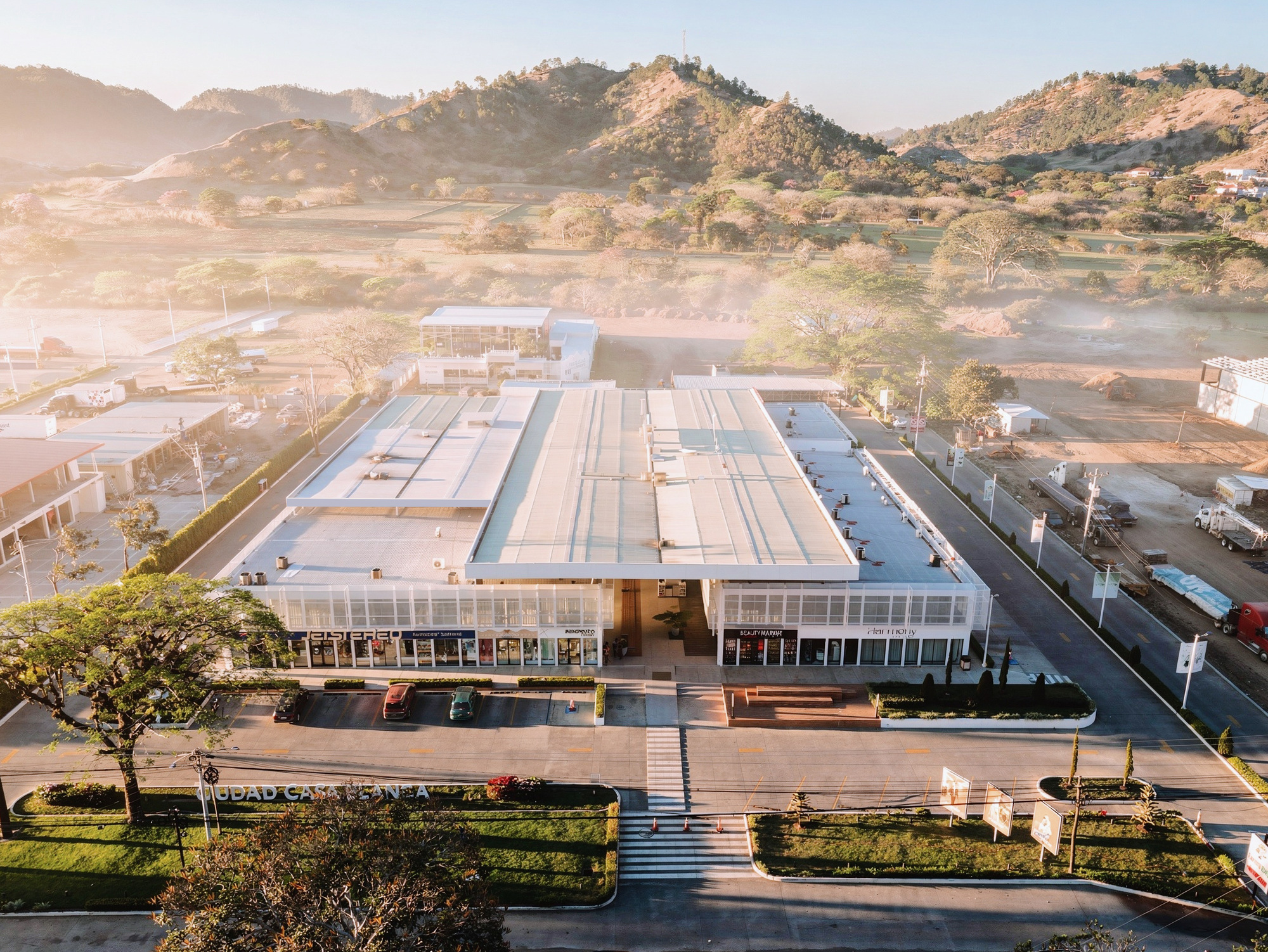
"Alejandra Ferrera emphasizes that the security-driven design, while functional at the time, has led to a fragmented urban experience where streets serve only as transit voids, lacking social engagement."
"The isolation created by high perimeter walls and gated enclosures has resulted in a detachment between inhabitants and their city, impacting their connection to the urban environment."
"Ferrera argues that the public safety situation has contributed to a wounded national identity, which often looks outward for quality and dismisses the potential of its own context."
Honduras, the second-largest country in Central America, has an urban landscape shaped by modernist principles emphasizing automobile mobility. The public safety challenges of the 2010s led to designs featuring blind facades and gated enclosures, isolating interiors from public spaces. Architect Alejandra Ferrera notes that while these security measures were necessary, they resulted in a fragmented urban experience where streets became mere transit routes. This isolation has fostered a detachment from the city and contributed to a wounded national identity that often seeks external validation over local potential.
Read at ArchDaily
Unable to calculate read time
Collection
[
|
...
]