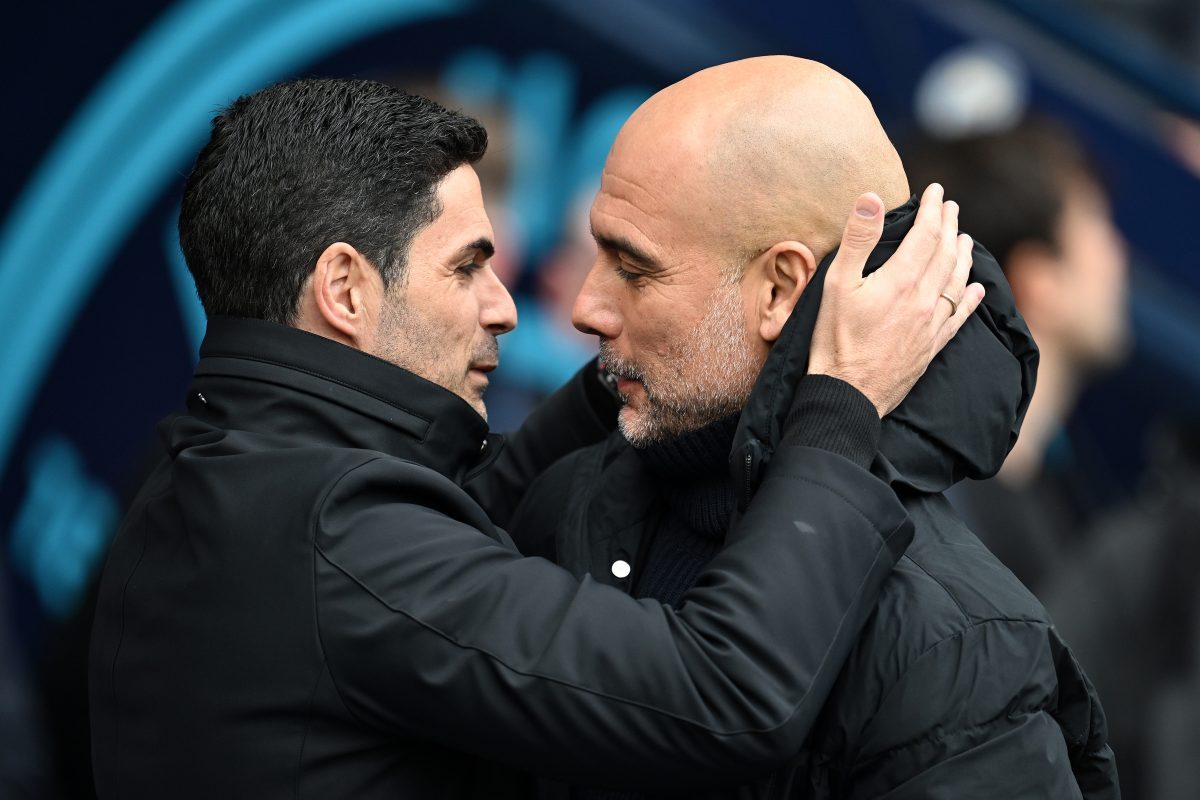
With one round remaining, the Premier League season finale arrives immediately, tightening title races and making relegation battles existential. Engagement becomes highly emotional for fans and valuable for brands, especially with the World Cup approaching. The highest-performing engagement days cluster in the six weeks from mid-April to the end of May, when football already dominates global sports attention and sports IP revenue. This period is defined by the primacy of the moment, including late winners and outcomes decided by fine margins. Brands that benefit most are those paying attention and activating around what happens on the pitch, rather than relying on logo placements and content planned weeks in advance.
"With one round of Premier League fixtures remaining, the season finale is not approaching, it is here. Title races (usually) tighten, relegation battles become existential, and the casual viewer becomes a committed one. For fans, it is the most emotionally charged period of the year. For brands, it should be one of the most valuable and what this season has demonstrated, with a World Cup now weeks away, could not be more timely."
"The final weeks of the club season have, for too long, been treated as business as usual. This is a compressed window of peak engagement, sustained, unpredictable and deeply emotional. Two Circles' Kore Evaluate Social shows that the highest-performing days for Premier League engagement fall almost exclusively in the six weeks between mid-April and the end of May. Football already accounts for 53 per cent of global sports attention and 27 per cent of sports IP revenue. In this period, that concentration intensifies."
"What defines it is the primacy of the moment. A late winner, an unexpected result, a title decided on goal difference, these are cultural ones. The brands that get the most out of this moment are rarely the ones with the deepest pockets. They are the ones paying attention. Whilst most brands still invest heavily in rights but don't do enough with them."
"They default to being seen, logo placements, broadcast spots, content planned weeks in advance that has nothing to do with what's actually happening on the pitch. They plan around media schedules, not fans. And when attention is at its peak, that's when the gap between being present and actually mattering is most obvious. The brands that get it right show what's possible."
Read at City AM
Unable to calculate read time
Collection
[
|
...
]