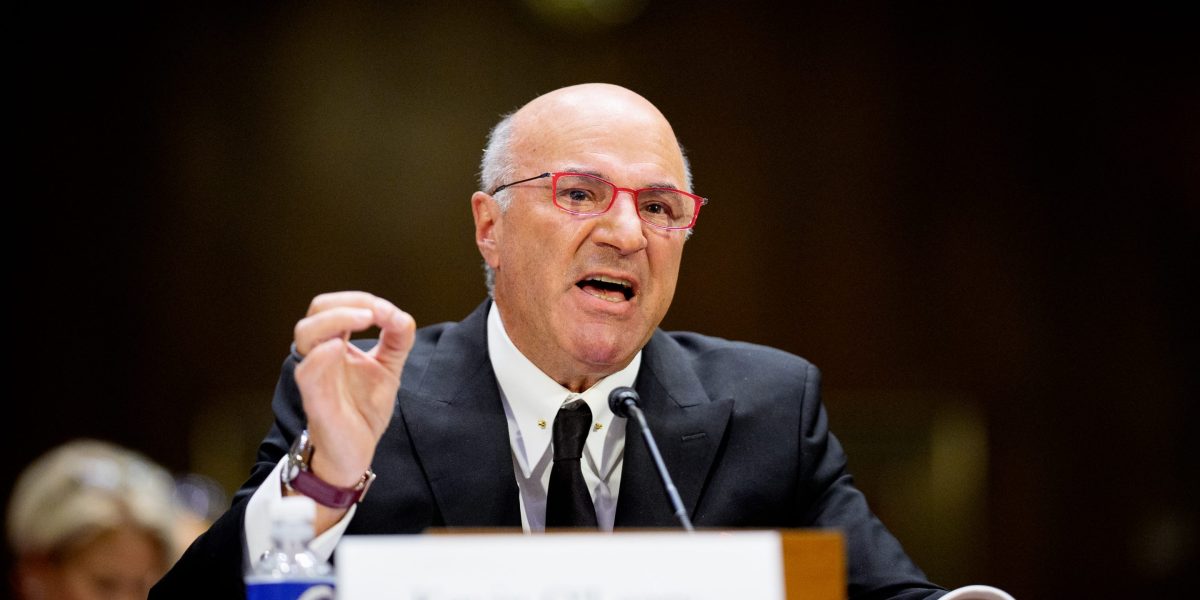
Kevin O'Leary criticized the idea of a four-day workweek, calling it the “stupidest idea” he had heard and suggesting France should be allowed to pursue it while competing internationally. He also said the traditional 9-to-5, five-day schedule no longer reflects modern work. With a large portion of his staff working remotely, he does not care when work happens as long as it is completed on time. He stated that a workweek concept has changed in a digital, post-pandemic economy. Surveys show many workers expect wellbeing benefits from a four-day schedule, and some companies report productivity gains and reduced burnout after implementing it.
"“That's the stupidest idea I have ever heard,” O'Leary told . “I think we should let the French go to a two-day workweek and then kick their ass internationally.” At the same time, the 71-year-old acknowledged that the traditional 9-to-5, five days a week work schedule is not what it used to be. In fact, with 40% of his staff working remotely around the world, he admitted he doesn't care when his staff does their work-as long as it gets done on time."
"“There's no such thing as a workweek anymore anyway on a digital economy, post-pandemic,” he added. The turning tide on a 4-day workweek For workers, a four-day workweek is more than just about having a longer weekend; it's about providing extra flexibility and work-life balance, while also minimizing burnout. In fact, some 77% of workers say a four-day workweek, even if it still means working 40 hours, would have a favorable impact on their wellbeing, according to a 2023 survey by Gallup."
"At Exos, a performance coaching company with over 3,500 employees, a four-day workweek was implemented, and the results were largely positive. Teams were allowed to take one day as a “You Do You” day, and productivity increased by some 24%. Burnout was cut in half. Other business leaders have started paying attention, too. About 30% of CEOs are considering new organization-wide work schedule shifts, like a four or four-and-a-half-workweek, according to a 2024 KPMG survey of 100 CEOs of U.S. companies with over $500 million in revenue."
Read at Fortune
Unable to calculate read time
Collection
[
|
...
]