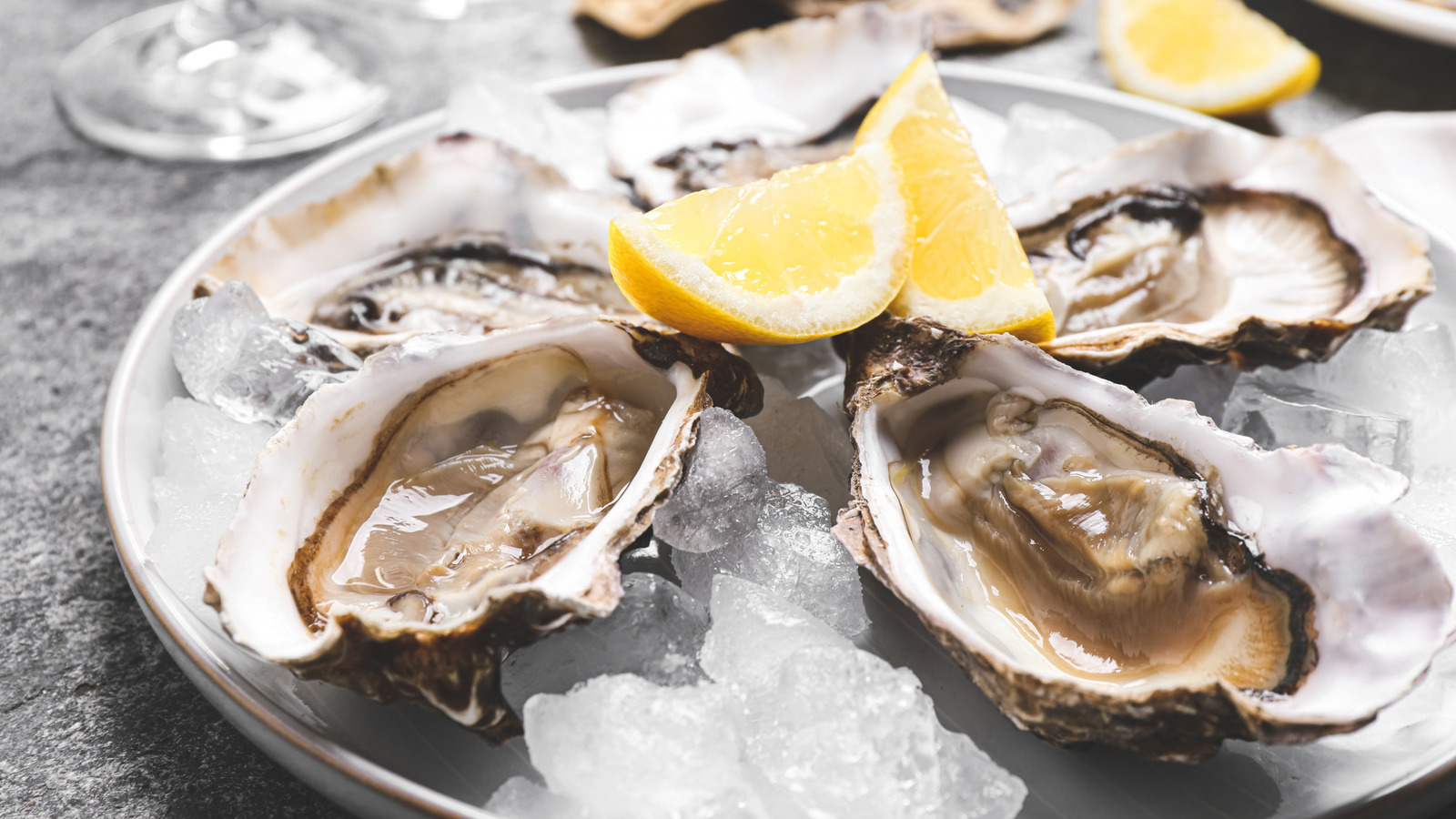
"The old oyster rule refers to the toxic red tides common in ocean waters during warmer months - which also happens to be oyster spawning season."
"Advances in food safety (namely, reliable refrigeration) now allow oysters to be transported even in piping-hot weather."
"A study published by the Public Library of Science found that humans have been following some version of the 'R' rule for at least 4,000 years."
"The R rule applies to wild-caught oysters, but most oysters nowadays are farmed."
The traditional 'R' rule advises against eating oysters from May to August due to spawning and increased red tide toxicity. Historically, this rule helped protect wild oyster populations and ensured better taste. Red tide algae and harmful bacteria thrive in warmer waters, affecting oyster safety. However, most oysters today are farm-raised, allowing for safer consumption year-round due to improved food safety measures and refrigeration. U.S. regulations mandate labeling of oyster harvest details for consumer safety.
Read at Tasting Table
Unable to calculate read time
Collection
[
|
...
]