#aml
#aml
[ follow ]
#breast-cancer #immunotherapy #autoimmune-diseases #clinical-trials #cancer-research #pancreatic-cancer


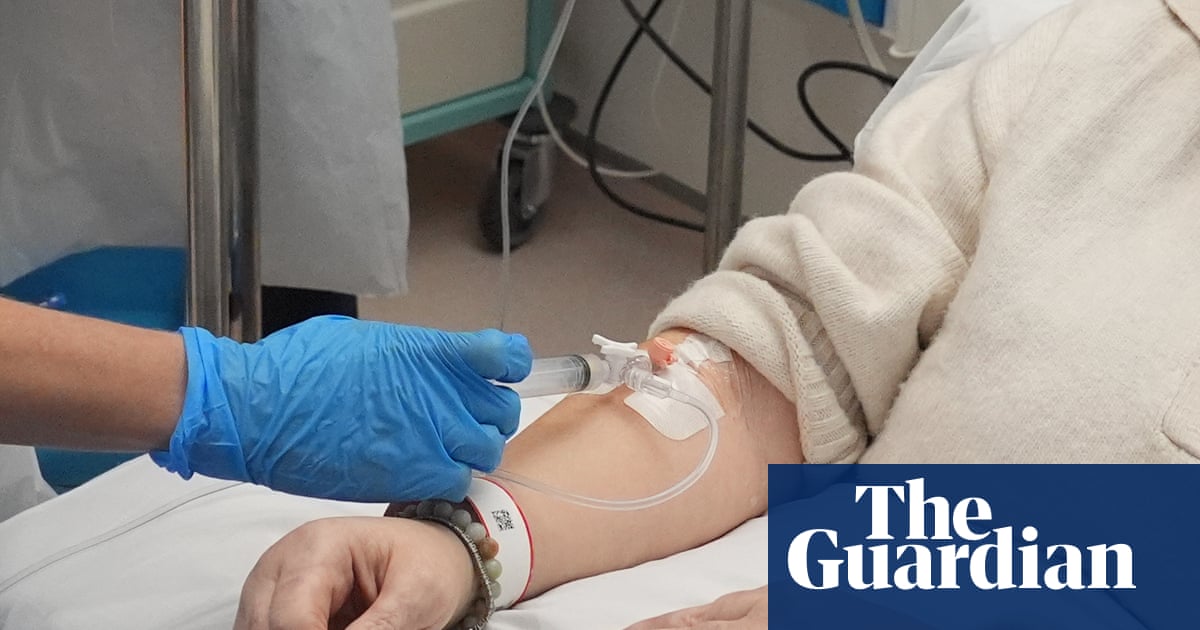
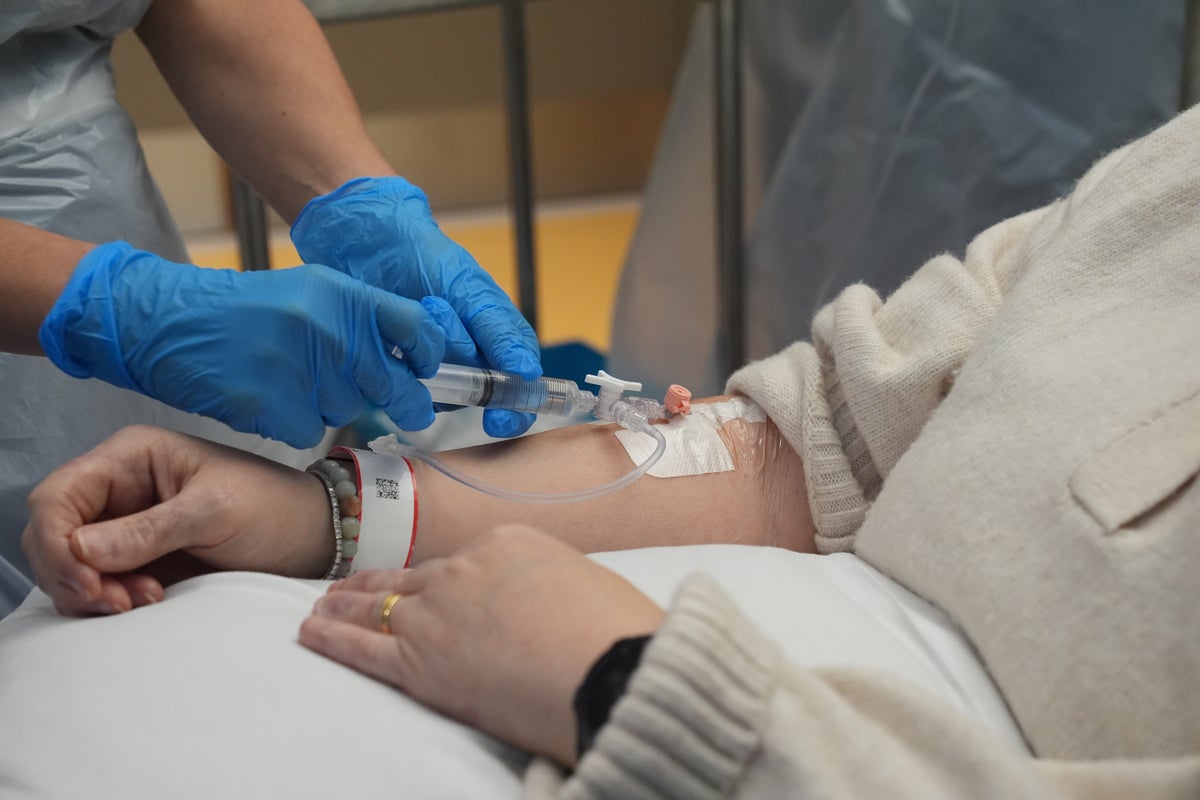
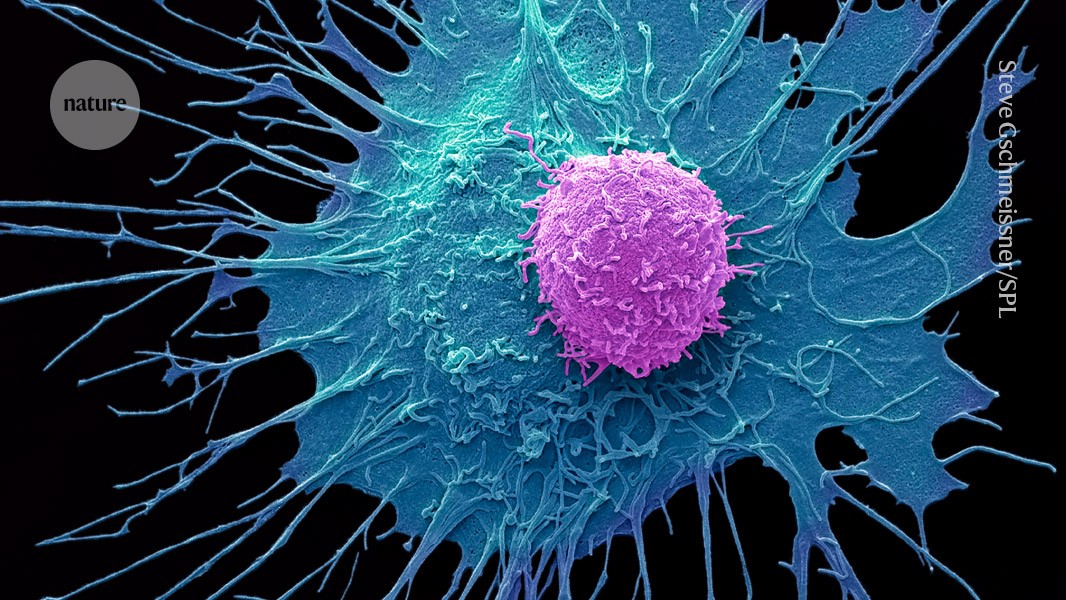
from24/7 Wall St.
2 weeks ago5 Biotechs That Big Pharma Could Snap Up as Oncology M&A Heats Up
Incyte tops this list due to its rare combination of commercial scale, cash generation, and pipeline depth. The company posted FY2025 revenue of $5.14 billion, up 21.2% YoY, anchored by Jakafi generating $828.2 million in Q4 2025 alone (+7% YoY) and Opzelura delivering $207.3 million (+28% YoY). With $3.58 billion in cash and 14 pivotal clinical trials underway, Incyte offers an acquirer immediate revenue, margin expansion potential, and a deep oncology pipeline spanning KRASG12D, CDK2 inhibition, and mutCALR.
Venture
fromWashingtonian - The website that Washington lives by.
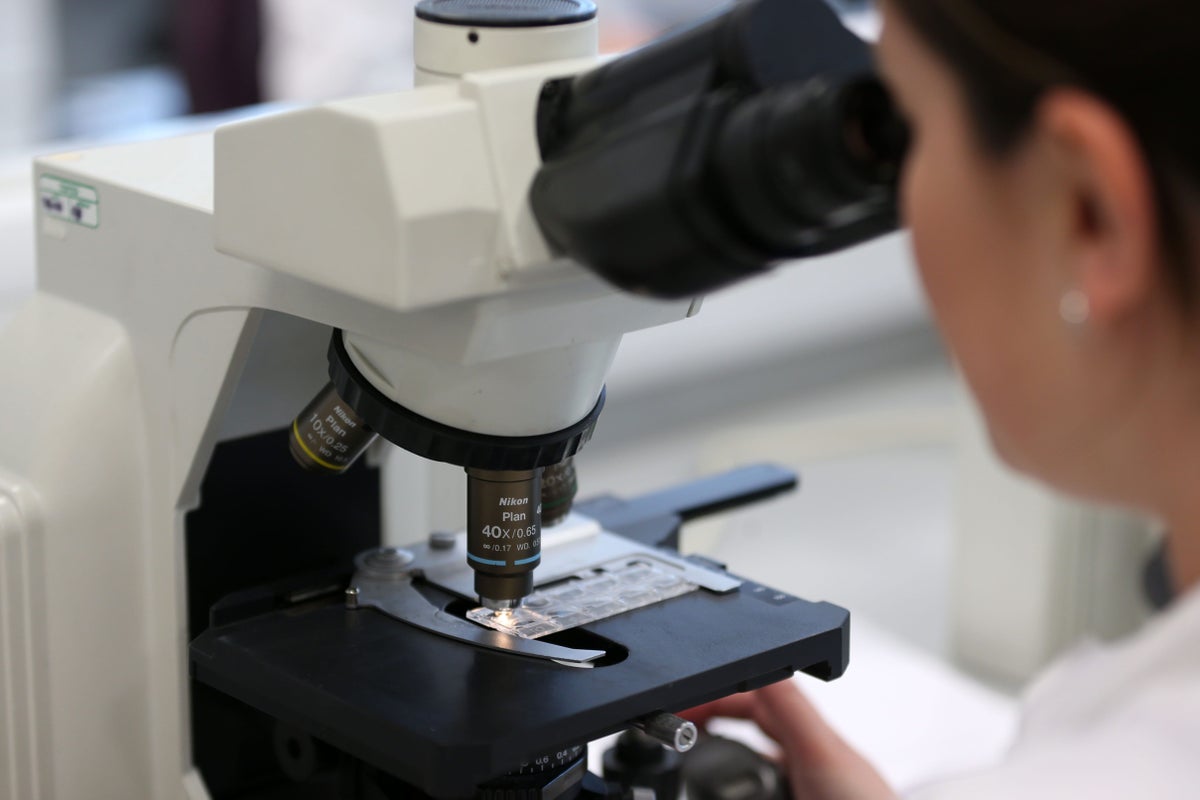
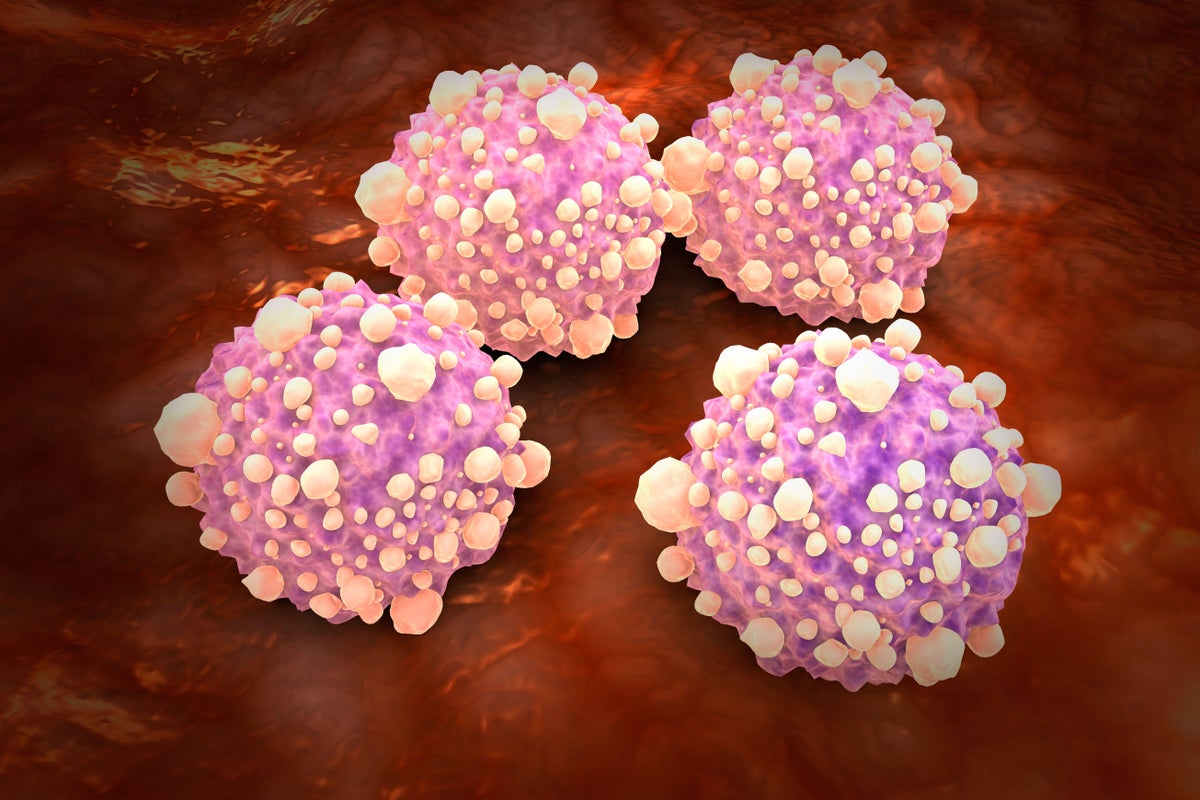
3 weeks agoMeet the Leaders Helping to Create a World Without Blood Cancer - Washingtonian
The funds raised through Visionaries of the Year are used for research to advance lifesaving therapies like immunotherapy, genomics and personalized medicine, which are saving lives today.
Fundraising


fromwww.nature.com
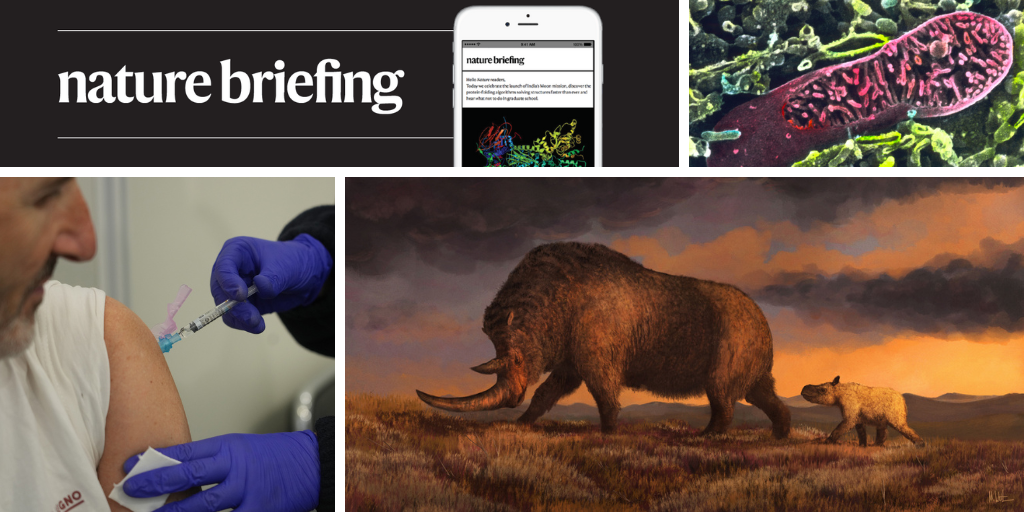
1 week agoEngineered immunosuppressive dendritic cells protect against cardiac remodelling
Chronic inflammation is a central driver of pathological fibrosis after ischaemic or haemodynamic stress, but strategies that locally rebalance injurious and reparative immune responses without systemic immunosuppression are lacking.
Medicine
fromwww.theguardian.com
1 week agoRepurposed drug may extend survival in aggressive ovarian cancer, trial shows
The study published in the Lancet analyzed data from 381 patients with platinum-resistant ovarian cancer, revealing a 35% reduction in the risk of death among those treated with relacorilant compared to usual care.
Cancer
fromNature
4 weeks agoMasked mitochondria slip into cells to treat disease in mice
When mitochondria are exposed to tissue or blood, they lose the electrical gradient across their outer membrane. Mitochondria that lack such a gradient are recognized by a cell's internal machinery as damaged and quickly destroyed. The vast majority of previous studies involved injecting 'naked' mitochondria directly into the bloodstream or tissue sites, but the approach isn't very efficient, so researchers often have to use 'ridiculous' doses of mitochondria.
Medicine
Medicine
fromwww.scientificamerican.com
1 month agoNew treatments and new hope reach kidney patients
Chronic kidney disease affects one in seven U.S. adults, yet 90 percent remain undiagnosed; new treatments from diabetes and cardiovascular drugs, advances in pregnancy management, and medications for autoimmune kidney disease offer improved outcomes.
fromHoodline
1 month agoH+H's New Coney Island Cancer Center Could Double Patients
The revamped outpatient space folds in more infusion stations, extra exam rooms and added specialty clinics, which officials and neighborhood advocates hope will shrink travel times and long waits for patients across southern Brooklyn. The center now stretches South Brooklyn Health's outpatient cancer footprint with additional infusion bays, more exam rooms and extra clinical staff.
Miscellaneous
fromHarvard Gazette
2 months agoAmericans living longer after cancer diagnosis - Harvard Gazette
New findings on cancer survival rates offer hope for the more than 2 million Americans diagnosed each year. Seven out of 10 Americans diagnosed with cancer now survive five years or more, according to the American Cancer Society, a 7 percent increase since the mid-1990s, when the rate stood at 63 percent. The survival rate data - from patients diagnosed with cancer between 2015 and 2021 - showed, significantly, that those with high-mortality cancers and advanced diagnoses had the largest gains.
Public health
OMG science
fromHarvard Gazette
2 months agoWhy did that cancer cell become drug-resistant? - Harvard Gazette
TimeVault records and stores cellular gene-expression history inside living cells, enabling retrieval of past gene-activity information to study differentiation, stress responses, adaptation, and drug resistance.
fromHarvard Gazette
1 month agoHope for hard-to-treat heart disease
Some 1 million patients in the U.S. live with a type of heart disease called heart failure with preserved ejection fraction, or HFpEF, caused by a stiffening of a chamber of the heart that makes it much more challenging to distribute blood throughout the body. The condition has few approved therapies and high mortality rates.
Miscellaneous
Cancer
fromwww.theguardian.com
3 weeks agoI have stage four cancer there will be no cure, but death isn't necessarily imminent: this is how it feels to live in the long middle
Stage four lung cancer transforms breath into a finite currency, dictating daily life and relationships amidst medical advancements that extend survival.
Medicine
fromSlate Magazine
1 month agoAt 42, With Three Young Kids, I Got a Diagnosis That Would Have Me Dead in a Year. That Was Somehow Just the Beginning.
A 42-year-old man was diagnosed with cholangiocarcinoma, a rare and aggressive bile duct cancer with a 10% five-year survival rate, after initially presenting with jaundice symptoms.
fromwww.scientificamerican.com
2 months agoLung cancer hijacks the brain to trick the immune system
For years, scientists have viewed cancer as a localized glitch in which cells refuse to stop dividing. But a new study suggests that, in certain organs, tumors actively communicate with the brain to trick it into protecting them. Scientists have long known that nerves grow into some tumors and that tumors containing lots of nerves usually lead to a worse prognosis.
Science
fromNews Center
1 month agoFirst Gene Regulation Clinical Trials for Epilepsy Show Promising Results - News Center
Our results are highly promising, especially since currently there are no approved treatments that address the underlying cause of Dravet syndrome. Since this gene regulation product targets the actual root cause of Dravet syndrome, we observed improvements in other developmental and cognitive symptoms, in addition to seizure control. This is unprecedented.
Medicine
fromwww.theguardian.com
2 months agoThree-quarters of cancer patients in England to survive by 2035 under new plans
Three in four cancer patients in England will beat cancer under government plans to raise survival rates, as figures reveal someone is now diagnosed every 75 seconds in the UK. Cancer is the country's biggest killer, causing about one in four deaths, and survival rates lag behind several European countries, including Romania and Poland. Three-quarters of NHS hospital trusts are failing cancer patients, a Guardian analysis found last year, prompting experts to declare a national emergency.
Public health
Cancer
fromBusiness Insider
1 month agoStop ignoring subtle signs of cancer. A doctor explains when to get medical help.
Early cancer symptoms are often subtle and easily missed, including unexplained fatigue, persistent pain, and digestive changes; persistent symptoms lasting over a week warrant medical evaluation.
fromwww.bbc.com
2 months ago'Our daughter's cancer symptoms were dismissed because she was a child'
Isla first went to the GP in July 2022 with a lump in her breast, but she was told it was likely to be benign and caused by hormonal changes. "She was told it was hormonal - a fibroadenoma - and she would grow out of it," Isla's father Mark said. Two years later, Isla became ill and was taken to hospital, where doctors suspected she had cancer and made an urgent referral for biopsies.
Public health
Science
fromNews Center
2 months agoTargeting Key Proteins in Fight Against ALS - News Center
RAD23 controls both degradation and stabilization of misfolded proteins; reducing RAD23 enhances clearance of disease-linked aggregates, offering a therapeutic target for neurodegenerative proteostasis dysfunction.
Medicine
fromwww.theguardian.com
2 months agoSimple blood test can predict which breast cancer treatment will work best, study finds
A blood test measuring circulating tumour DNA predicts breast cancer treatment response before or within four weeks, enabling alternative therapies and avoiding ineffective drugs.
fromenglish.elpais.com
3 months agoA vaccine to prevent colon cancer shows promising results
Eduardo Vilar-Sanchez has spent more than 10 years pursuing a goal that seemed very distant, but which he now sees as a little closer: to develop a preventive vaccine against cancer. The physician and researcher is leading a study that presented the first promising results of a colon cancer vaccine in a small group of patients suffering from a rare disease that makes them 17 times more likely to develop colon cancer than the general population.
Medicine
fromArs Technica
2 months agomRNA cancer vaccine shows protection at 5-year follow-up, Moderna and Merck say
As for side effects, the companies reported that little had changed from previous analyses; adverse events were similar between the two groups. The top side effects linked to the vaccine were fatigue, injection site pain, and chills. The results "highlight the potential of a prolonged benefit" of the vaccine combined with Keytruda in patients with high-risk melanoma," Kyle Holen, a senior vice president at Moderna, said. They also "illustrate mRNA's potential in cancer care," he said, noting that the company has eight more Phase 2 and Phase 3 trials going for mRNA vaccines against a variety of other cancers, including lung, bladder, and kidney cancers.
Medicine
fromBuzzFeed
1 month agoI Was 21 When My Doctors Told Me I Had A Year To Live. What Happened Next Left Them Stunned.
The surgery was long and grueling - almost 12 hours - and my recovery was tough. I couldn't lift my baby for weeks. My husband served as a caregiver for both me and our son, while my mom and sisters rotated shifts to help. I hated feeling like a visitor in my own life, but slowly my strength began to return. It took me about a year to fully recover and start to feel like myself again.
Cancer
fromNews Center
3 months agoExperimental Drug Shows Promise for Rare Genetic Disorder - News Center
Mucopolysaccharidosis type II (MPS II), or Hunter syndrome, is a rare genetic disorder primarily affecting boys, caused by a deficiency in the enzyme needed to break down sugar molecules. This harmful buildup in cells and tissues impacts multiple body systems, causing frequent infections, organ enlargement and developmental disabilities. Management involves supportive care and enzyme replacement therapy, as there is currently no cure,
Medicine
[ Load more ]