#android-transfer
#android-transfer
[ follow ]
#android #quick-share #samsung #developer-verification #airdrop #file-sharing #privacy #technology #mobile-apps





Information security
fromThe Hacker News
3 weeks agoSix Android Malware Families Target Pix Payments, Banking Apps, and Crypto Wallets
Six new Android malware families discovered with data theft and financial fraud capabilities, including PixRevolution targeting Brazil's Pix payment system with real-time transaction hijacking.
fromTheregister
1 month agoGoogle embraces third party app stores and payments
One is creating a "Registered App Stores program" that, if operators choose to participate, will see Google facilitate "more simplified installation flow" for Android apps. The search and ads giant has positioned this as leveling the playing field for app store operators, by reducing the number of hoops users need to jump through to shop for apps on stores other than Google's own Play store.
European startups
#android-sideloading
Privacy technologies
fromEngadget
2 weeks agoAndroid will hide app sideloading behind a new one-time security process
Google implements a multi-step verification process for sideloading unverified apps on Android, while offering free limited distribution accounts for hobbyist developers to share apps with up to 20 devices.
Privacy technologies
fromTechCrunch
2 weeks agoGoogle introduces a new way for users to sideload Android apps that still protects against scams | TechCrunch
Google introduces an 'advanced flow' setting allowing Android users to disable app verification requirements and sideload unverified apps while maintaining some anti-scam protections.




Gadgets
fromThe Verge
1 month agoThe Pixel Watch now lets you tap to pay without opening the Wallet app
Google introduces express pay feature for Pixel Watch 2 and later, enabling contactless payments by tapping retail terminals without opening the Wallet app, while adding phone security and location awareness features.
#android-security
Privacy technologies
fromArs Technica
2 weeks agoGoogle details new 24-hour process to sideload unverified Android apps
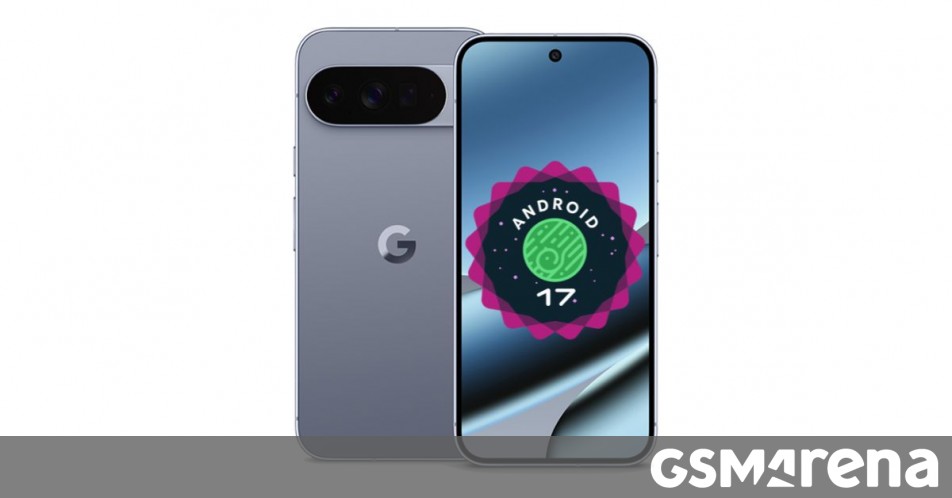
Google will enforce developer verification for Android sideloading in September 2026, but an advanced flow in developer settings allows power users to bypass verification requirements.
Privacy technologies
fromThe Verge
2 weeks agoGoogle reveals its solution for true Android sideloading: a mandatory waiting period
Developer mode activation requires multiple security steps including biometric authentication, waiting periods, and confirmation checks to prevent scam-induced security bypasses.
Artificial intelligence
fromTechCrunch
1 month agoGemini can now automate some multi-step tasks on Android | TechCrunch
Google launched Gemini AI automations on Android to handle multi-step tasks like food delivery and rideshare orders, initially limited to select apps, devices, and U.S./Korea regions.
fromComputerworld
1 month ago3 future Android features you can give yourself today
Thanks to the way Google's for years now been deconstructing Android and pulling OS-level pieces out of the operating system itself - so they exist as regular ol' apps and can consequently be updated quickly, frequently, and in a way that reaches everyone instantly, regardless of what phone or carrier they're using - even Android phones from eight years ago get updates numerous times a year that are all virtually equivalent to an entire iOS operating system rollout.
Gadgets
Artificial intelligence
fromTechzine Global
1 month agoRemote Control extends Claude Code to the mobile app
Anthropic's Remote Control for Claude Code enables developers to continue local coding sessions across phones, tablets, and browsers while maintaining all processing on their local machine with automatic synchronization.


fromEngadget
2 months agoSamsung's refreshed Mobile Gaming Hub is trying to make it easier to discover new games
"We believe that gamers want to find new content that is personalized to them," said the VP of Samsung Games Services. He continued: "We want to bring content to users and make it immediately available for them to play. We have instant plays where, through our cloud streaming technology, we can take Android-native games and put them in the cloud, so that when users want to try them, they don't have to go through the friction of downloading them first."
Video games
Privacy technologies
fromArs Technica
1 month agoWith developer verification, Google's Apple envy threatens to dismantle Android's open legacy
Google is implementing Android developer verification requiring app makers to register with real names and pay fees, restricting sideloading and moving Android toward Apple's closed ecosystem model.


fromEngadget
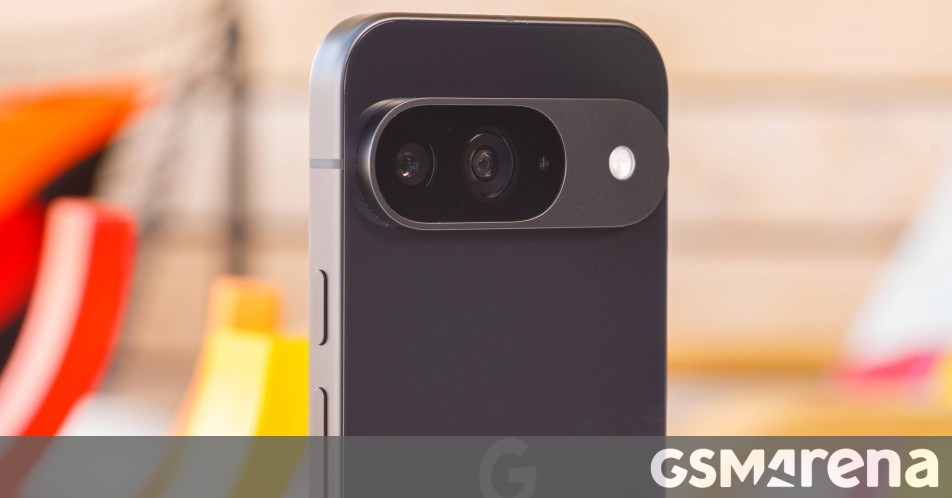
1 month agoGoogle will soon offer AirDrop support on more Android devices
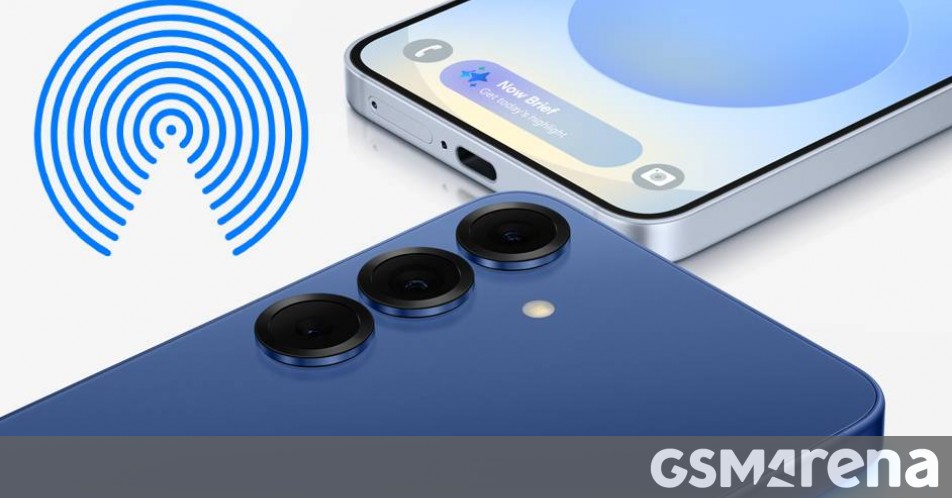
At a press briefing attended by at Google's Taipei office, Eric Kay, Android's Vice President of Engineering, confirmed that AirDrop interoperability will expand in 2026. "We spent a lot of time and energy to make sure that we could build something that was compatible not only with iPhone but iPads and MacBooks," he said. "Now that we've proven it out, we're working with our partners to expand it into the rest of the ecosystem, and you should see some exciting announcements coming very soon."
Apple

fromThe Verge
1 month agoSamsung's Digital Home Key lets you use your phone as your key
The new feature, called Digital Home Key, will live inside Samsung Wallet and is powered by the Aliro smart home standard. The new standard uses near-field communication (NFC) for its tap-to-unlock technology. It also supports ultra-wideband (UWB), giving users the ability to unlock their door as they approach and without pulling out their phone.
Mobile UX
Gadgets
fromYanko Design - Modern Industrial Design News
2 months agoThis Phone Runs Android, Linux, and Windows to Replace 3 Computers - Yanko Design
NexPhone is a rugged, high-spec Android handset that can multi-boot Android, Debian Linux, and optionally Windows 11 on Arm to serve as phone and desktop.
fromGSMArena.com
1 month agoSamsung Galaxy A37 and A57 are now listed in the Google Play Console
Samsung's Galaxy A37 and Galaxy A57 are now listed in the Google Play Console, a sure sign that their official launch is very near. The listings confirm that the Galaxy A37 is powered by Samsung's Exynos 1480 SoC, paired with 6GB of RAM in one variant (though more will undoubtedly be offered). The phone will run Android 16 out of the box, unsurprisingly. Here it is in the official image revealed by the listing.
Mobile UX
[ Load more ]