#apartment-cooling
#apartment-cooling
[ follow ]
#energy-efficiency #heat-pumps #smart-home #sustainability #air-conditioning #renewable-energy #data-centers
#energy-efficiency
Remodel
fromEarth911
1 month agoGuest Idea: Map Appliance Power to Identify and Tame Your Home's Top Electricity Consumers
Appliance power mapping identifies individual device energy consumption, revealing phantom loads and inefficiencies that waste up to $183 annually per household through targeted, low-cost solutions.

Remodel
fromEarth911
1 month agoGuest Idea: Map Appliance Power to Identify and Tame Your Home's Top Electricity Consumers
Appliance power mapping identifies individual device energy consumption, revealing phantom loads and inefficiencies that waste up to $183 annually per household through targeted, low-cost solutions.


fromwww.theguardian.com
21 hours agoHouseplant hacks: can a fan help plants repel pests?
Stagnant indoor air is one of the less discussed reasons houseplants struggle. Fungal spots, mould on the compost surface and pest infestations like mealybugs can all be traced back to a room with no airflow.
Renovation



Gadgets
fromLondon Business News | Londonlovesbusiness.com
1 day agoUnderstanding the impact of smart technology on household energy consumption - London Business News | Londonlovesbusiness.com
Smart home technology requires user action and guidance to effectively reduce energy bills, rather than relying solely on devices for savings.
Renovation
fromYanko Design - Modern Industrial Design News
18 hours ago7 Brilliant Products Renters Are Buying to Upgrade Their Homes Without Drilling a Single Hole - Yanko Design
Renters can enhance their living spaces with versatile, non-permanent upgrades that are functional and environmentally conscious.

fromArchDaily
1 week agoHow Terraco Enhances Thermal Efficiency and Facade Longevity in Prefabricated Buildings
Offsite construction has delivered measurable environmental gains, with a peer-reviewed study showing an average reduction of 78.8% in construction waste compared to conventional methods. Under controlled factory conditions, reductions can reach up to 90%, highlighting significant improvements in sustainability.
Environment
fromReadWrite
3 weeks agoFrom Reactive Repairs to Smarter Home Protection: How Technology Is Changing Roof Care
In the past, roof inspections mostly focused on what could be seen from the outside. Contractors looked for broken shingles, worn flashing, or areas where water might enter the roof. The problem is that roof damage does not always show clear signs right away. Water can move through roofing layers before it becomes visible inside the home.
Renovation
Environment
fromFortune
1 week agoData centers are so hot, their 'heat island' effect is raising temperatures up to 6 miles away and impacting 343 million people worldwide, study finds | Fortune
AI infrastructure is creating a 'data heat island effect' that raises local temperatures and impacts millions of people.
fromLondon Business News | Londonlovesbusiness.com
1 month agoHow to maintain efficient heat recovery ventilation in modern commercial spaces - London Business News | Londonlovesbusiness.com
Checking your equipment once a month helps catch small issues before they turn into expensive repairs. A routine keeps everything running smoothly and extends the life of the hardware. Managers should create a simple checklist for their maintenance staff to follow.
Business

Alternative transportation
fromTESLARATI
1 month agoI figured out how to charge my Tesla at my rented townhouse - Here's how
Tesla owners in rental communities can achieve home charging through alternative solutions like the Tesla Mobile Connector, avoiding total reliance on Superchargers despite parking and electrical limitations.
fromArchDaily
1 month agoThermal Memory: How Climate Shapes Architectural Heritage
Heritage is usually catalogued by what can be drawn, not by what changed temperature. In heat, buildings are learned first through skin, only later through sight. Generations learn, through their bodies, what works. Shade reduces glare and radiant heat. Air movement shifts perception by several degrees. Thick walls slow temperature swings.
Miscellaneous
Renovation
fromArchDaily
1 month agoUnderstanding U-Value: The Foundation of Energy-Efficient Envelopes
Building envelope thermal transmittance (U-value) is the fundamental metric determining energy efficiency, calculated by dividing heat flow by surface area and temperature difference to assess insulation performance.
Design
fromYanko Design - Modern Industrial Design News
2 months agoWhy This Air Conditioner Filter Took Design Cues from Your Toolbox - Yanko Design
Snapcool reimagines AC filter maintenance with a tape-measure-inspired sliding filter, making cleaning effortless, visible via an orange compartment, and visually appealing.
#heat-pump-technology
Environment
fromwww.dw.com
1 month agoDo heat pumps work in cold weather?
Heat pumps function effectively in extreme cold temperatures, with refrigerants operating below minus 40°C and air-source models working reliably at minus 25°C, making them viable alternatives to fossil fuel heating systems even in harsh climates.
fromSilicon Canals
2 months agoWhy your house is dustier than your neighbor's and the airflow mistake causing it - Silicon Canals
I was that person who only changed their HVAC filter when it looked like it had grown its own ecosystem. Richie Drew, Vice President of Operations at One Hour Heating & Air Conditioning, puts it bluntly: "Dirty filters can reduce airflow, increase dust in your home and strain your heating system." Think about it this way: your HVAC filter is like the bouncer at an exclusive club, except instead of keeping out people without the right shoes, it's blocking dust particles from circulating through your home.
Remodel
fromLos Angeles Times
1 month agoCalifornia wants millions of heat pumps. High power bills might get in the way
An all-electric, energy-efficient alternative to gas-burning furnaces, heat pumps are widely seen as the climate-friendly home heater of choice. They can do double-duty as both home heaters and AC units and are pretty good at maintaining a constant temperature inside a home without the blast-then-cool-off cycle typical of a furnace.
Environment
Gadgets
fromYanko Design - Modern Industrial Design News
1 month agoA Water Heater That Doubles as a Data Center - and Cuts Your Energy Bill - Yanko Design
Superheat H1 replaces traditional heating elements with processors that simultaneously compute and heat water, using a single electricity input twice to reduce hot water energy consumption by up to 80 percent.
fromThe Atlantic
2 months agoSmart Homes Are Terrible
All of the appliances and systems are brand-new: the HVAC, the lighting, the entertainment. Touch screens of various shapes and sizes control this, that, and the other. Rows of programmable buttons sit where traditional light switches would normally be. The kitchen even has outlets designed to rise up from the countertop when you need them, and slide away when you don't.
Gadgets
fromZDNET
2 months agoThese unassuming devices promised to lower my electricity bills - only this one was legit
They do nothing to save you power Scam "power saving" devices are rampant online. These devices plug into an outlet and promise to "improve the use of energy," "extend the life of electrical equipment," and even "avoid illegal electrical waste." Sounds great, right? Also: This USB power meter I tested is shockingly accurate - especially for how cheap it is Well, despite the bold claims and the sticker on the front of the unit, they are too good to be true.
Gadgets
fromWIRED
2 months agoI Love My Dehumidifier and Will Never Go Back to the Damp
You should buy a dehumidifier. It will almost certainly improve your home environment. Pulling moisture from the air helps banish condensation and mold, making it cheaper and easier to regulate the temperature in your house or apartment. There's a reason the chatter about dehumidifiers has grown so loud and sales are soaring; it's because they work. Whether you've seen a persuasive Reddit thread, a life hack on TikTok, or an expert guide to the best dehumidifiers, the hype is real.
Environment
Environment
fromArchDaily
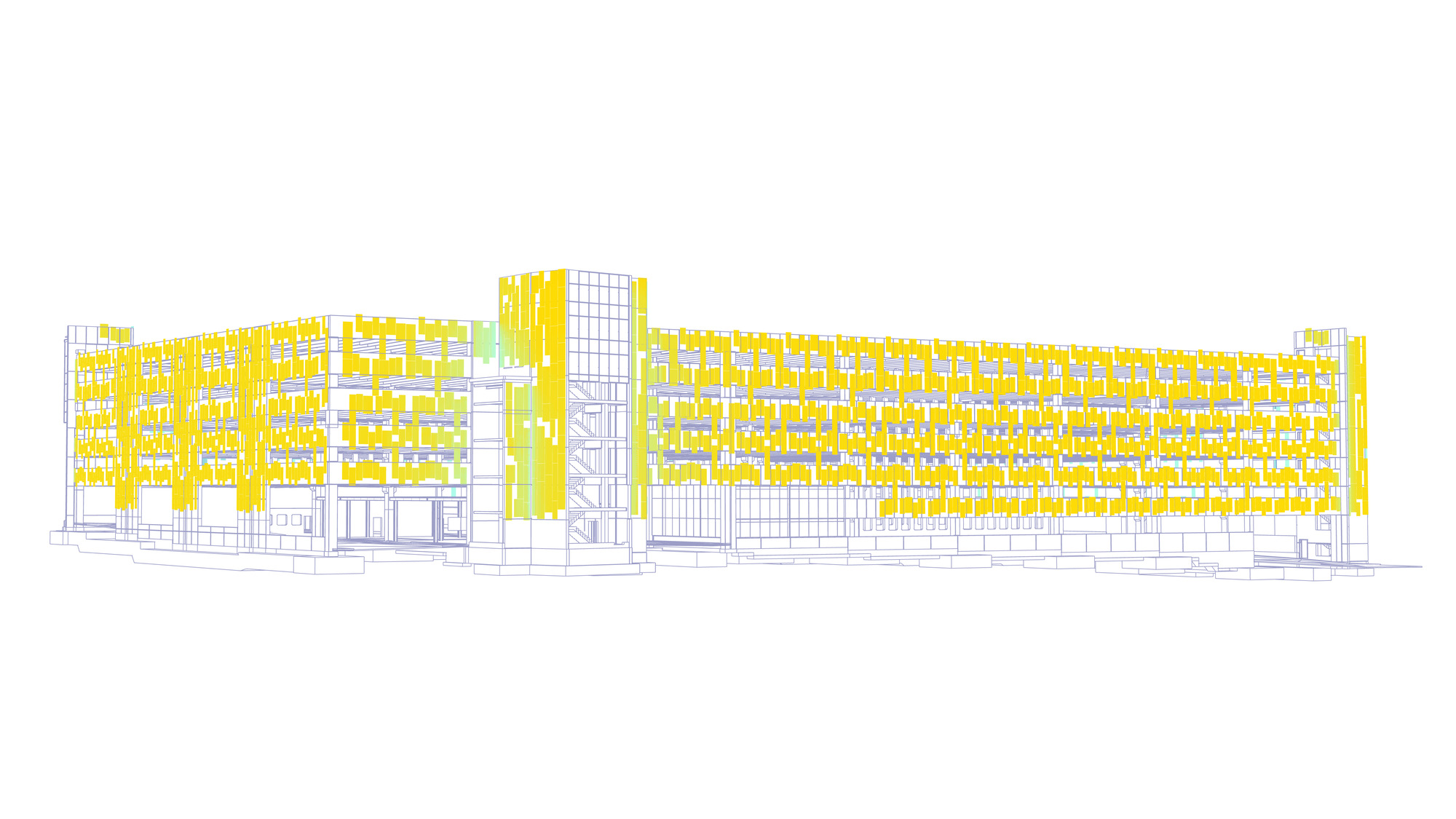
1 month agoCan Shading Become Energy? From Passive Facades to Productive Envelopes
Facades can generate significant renewable energy by integrating colored photovoltaic shutters that combine shading, daylight control, and electricity production without adding envelope complexity.
fromBest Products
2 months agoOur Favorite Humidifiers to Turn Your Home Office Into the Best Remote Destination
The purpose of a humidifier is to increase and regulate the indoor air's moisture level. How this works is different depending on the season and temperature both inside and outside. Overall, though, a humidifier helps maintain a comfortable, healthy, and optimal humidity range of 30 to 50%. To create this environment, most humidifiers use water vapor or steam to help combat dryness caused by heating systems or harsh climates (which often happen indoors during winter).
Environment
fromwww.berkeleyside.org
2 months agoNew laws make heat pump installers a hot commodity
The updated Building Emissions Saving Ordinance (BESO) requires sellers of single family homes or duplexes to complete at least six credits worth of upgrades before final sale or pay $2,500 to the city, which is then funneled to the buyer upon completion of the upgrades. For many sellers, installing a heat pump is the easiest and most efficient way to earn all six credits in one fell swoop, while also significantly increasing the appeal of the property, notes Grimsich, CEO of 1-888-Heat-Pumps.
Environment
fromApartment Therapy
2 months agoI'll Never Do Laundry When It's Raining - and Here's Why
When it's dreary outside, I usually hunker down and do household chores - running the dishwasher, catching up on laundry, maybe even taking a long shower and shaving my legs. These days, though, I take the opposite approach: I never do chores that require water use when it's raining outside. That's because I recently learned that my city, Milwaukee, has a shared sewer system - which means rainwater runoff, domestic sewage, and industrial wastewater collect in the same pipes.
Environment
[ Load more ]