World politics
fromThe New Yorker
17 hours agoHow Much Has the War in Iran Depleted the U.S. Missile Supply?
U.S. defense strategy should prioritize countering China over involvement in Middle Eastern conflicts.
The economics are hard to ignore. Shooting down a drone with AeroVironment's LOCUST laser system costs less than $10, using just two to five seconds of laser energy. Compare that to the interceptor missiles currently used against Iranian drone swarms, which cost orders of magnitude more and are in short supply across allied arsenals.
CEO Chris Calio emphasized the urgency of delivering critical products for national security, stating, 'We understand that our products are critical to national security. And I can tell you across the organization, we absolutely feel the responsibility and urgency to deliver more and to deliver it faster.'
The Palestinian Centre for Human Rights, Al-Haq, and Al Mezan Center for Human Rights are attempting to subpoena arms export documents to assess the legality of permits granted to Israel.
China's exports have decelerated as the Iran war starts to affect global demand and supply chains, according to Gary Ng, a senior economist for Asia Pacific at French bank Natixis.
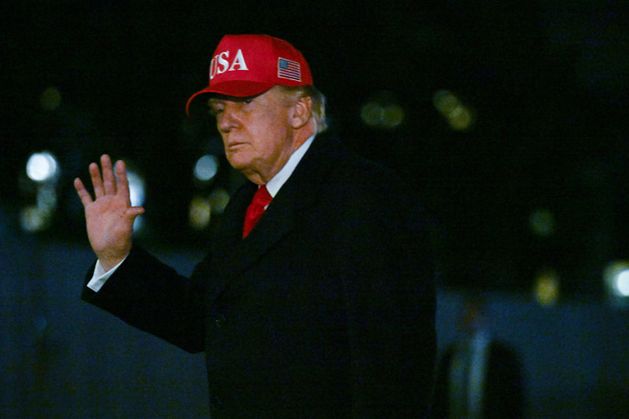
President Trump stated that Iran's naval forces were 'lying at the bottom of the sea' and warned that any ships approaching the blockade would be 'immediately ELIMINATED.' He compared the blockade enforcement to US counter-narcotics operations at sea.
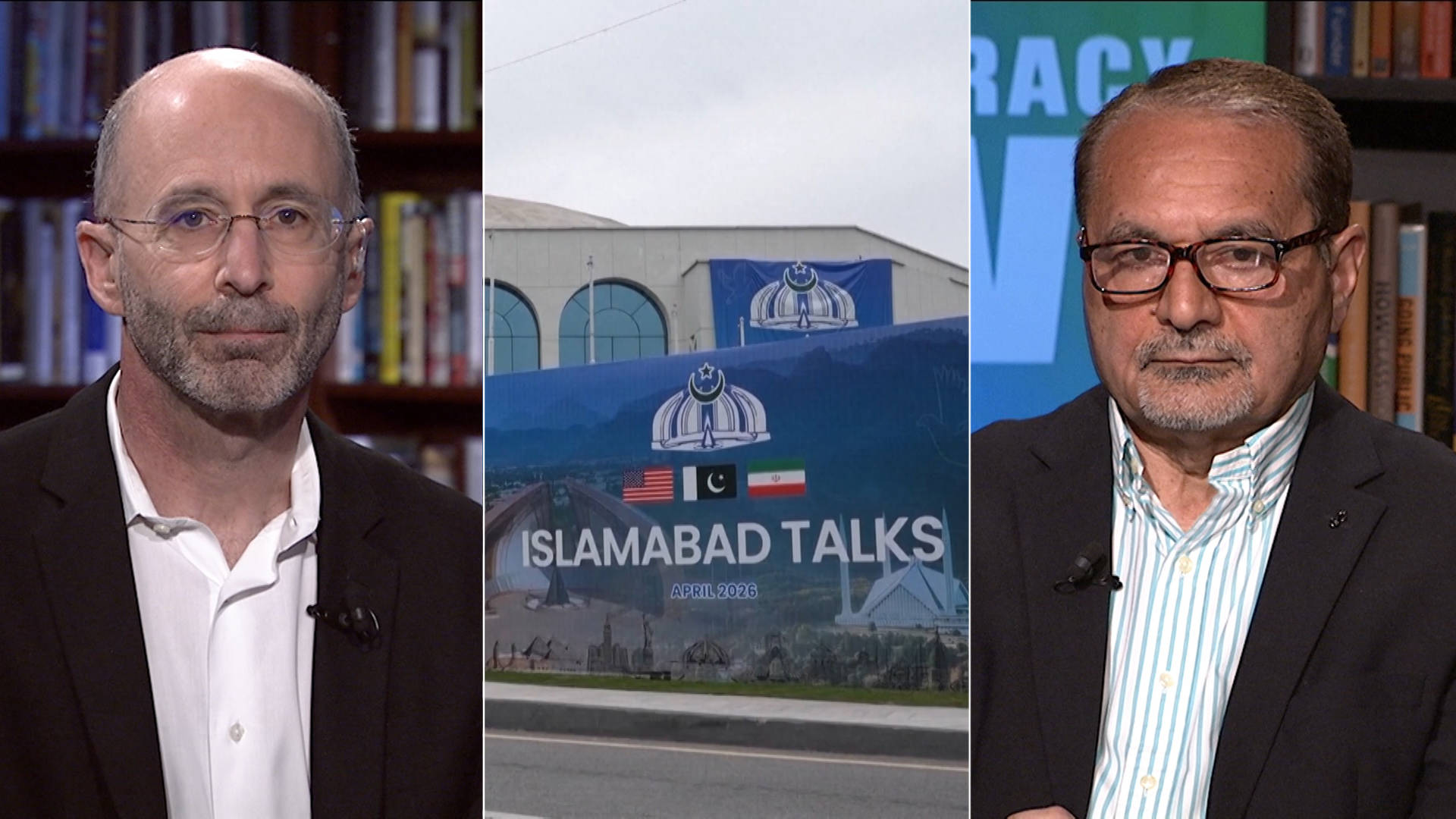
The deal talks are expected to resume later on Sunday, with the seemingly never-ending meeting suggesting that both sides remained engaged and still had topics to discuss.
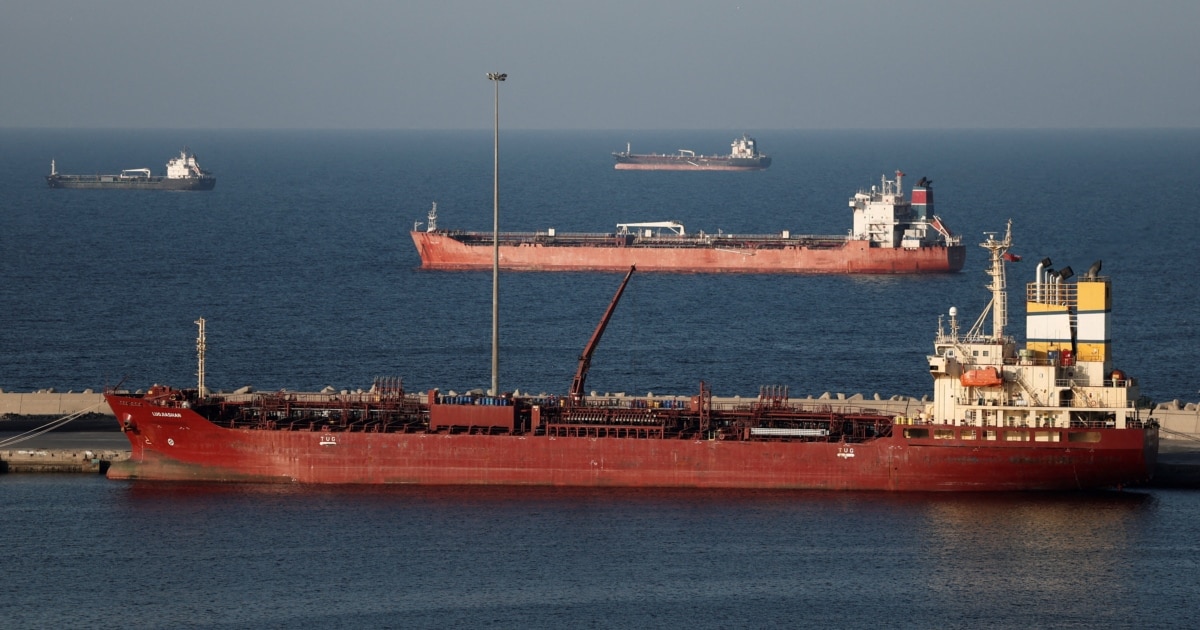
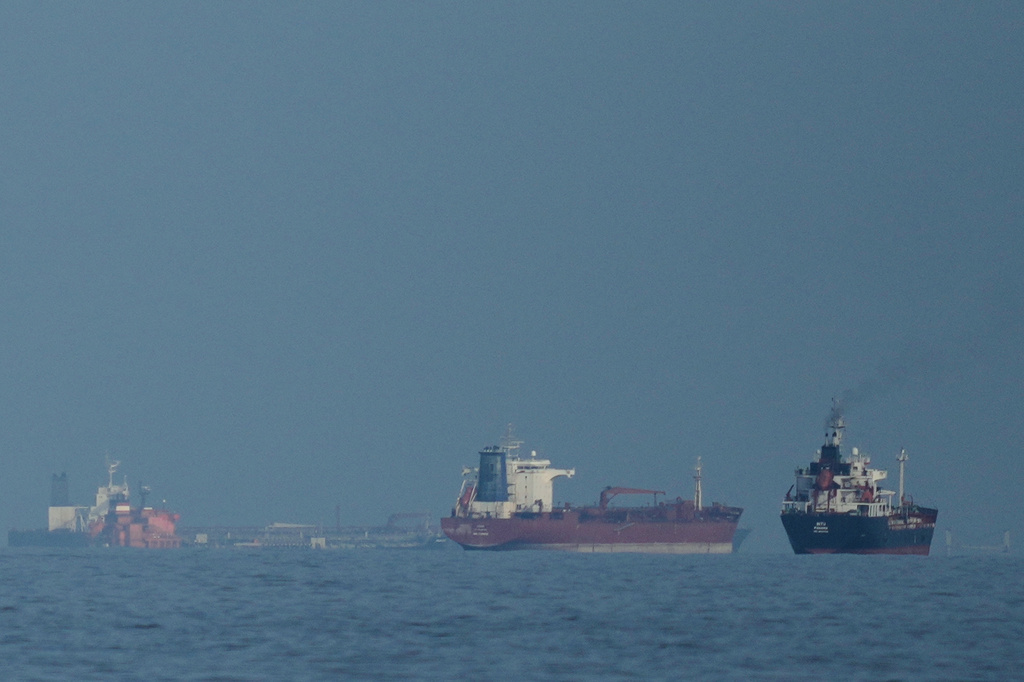
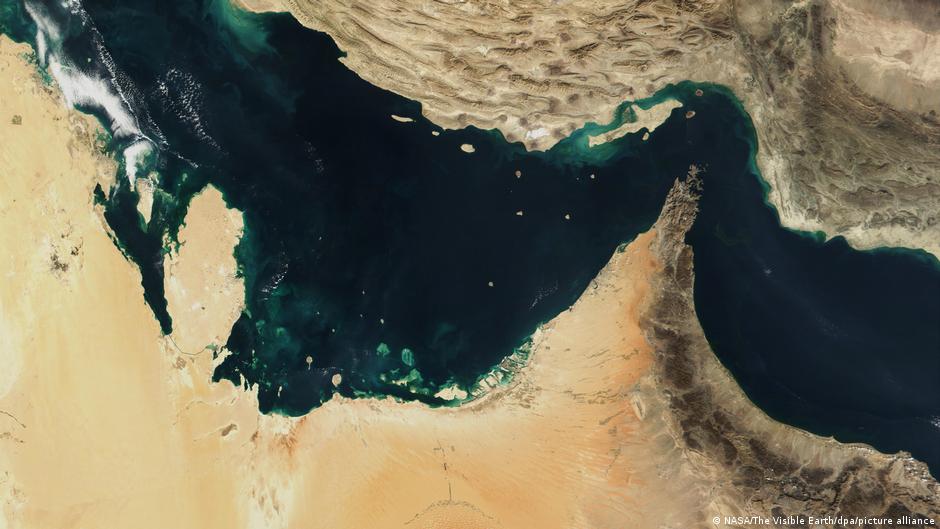
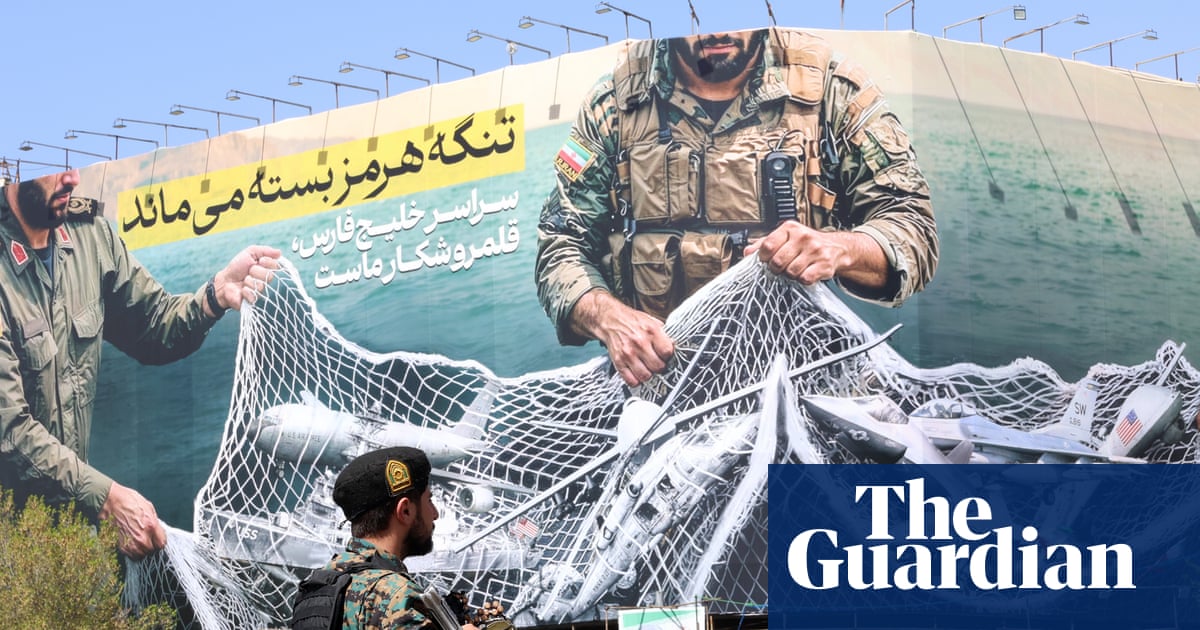
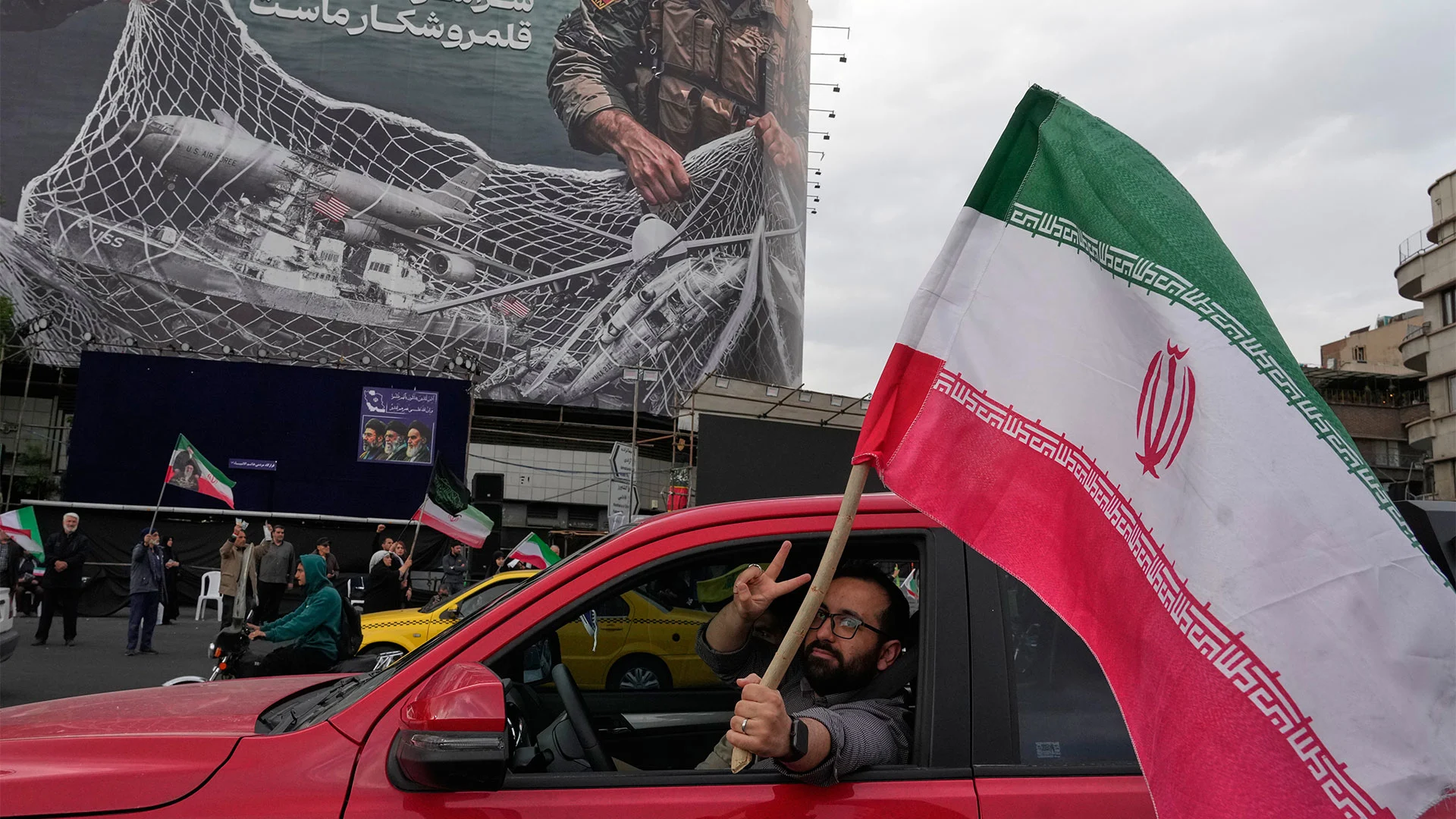
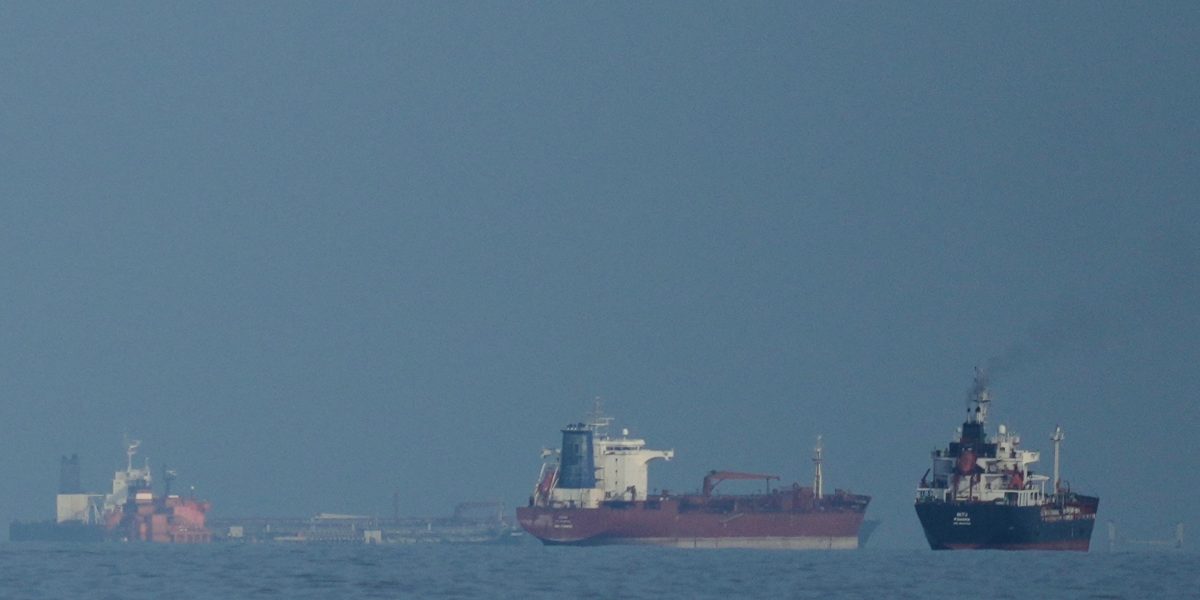
Three supertankers laden with oil have passed through the Strait of Hormuz amid the fragile truce between the United States and Iran, according to shipping data. Iran's blockade of the strait has disrupted global energy supplies and sent oil prices soaring since the start of the US and Israel's war on Iran.
The reopening of Hormuz is critical to the world's oil trade because its closure has resulted in the loss of millions of barrels of supply to global markets. A resumption would alleviate pressure on increasingly tight physical markets everywhere.
"Damage to critical energy infrastructure is another factor that has risen considerably and, in Qatar's case, will be costly both in terms of the cost of repair and foregone revenues from the planned expansion of LNG output, which was set to come onstream later this year and next year."