#berlin-hospitals
#berlin-hospitals
[ follow ]
#healthcare #germany #nhs #emergency-departments #pay-dispute #patient-safety #resident-doctors #patient-care












Medicine
fromwww.theguardian.com
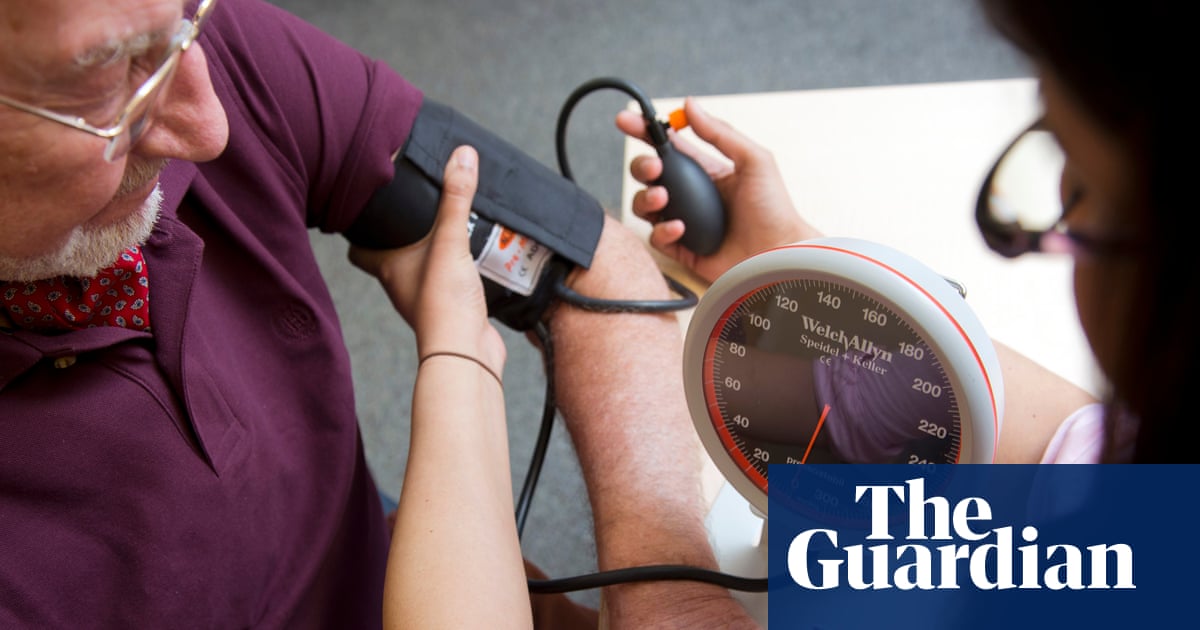
1 month agoWhy did my GP just use Google? What I've learned about the health system, as a doctor and a patient
Bedside manner and clinical knowledge are equally essential in medicine; kindness and clear communication directly improve patient engagement and health outcomes.
Germany politics
fromwww.dw.com
1 month agoGermany news: Cuts planned for asylum counseling reports
German Interior Minister Dobrindt plans to cut funding for independent asylum counseling services, drawing criticism from civil society organizations and opposition parties who argue such services are essential safeguards for vulnerable asylum seekers.
Brooklyn
fromBrooklyn Paper
1 month agoOp-Ed | The Brooklyn Hospital Center is abandoning nurses and patients * Brooklyn Paper
Nurses at The Brooklyn Hospital Center have lost health coverage for 40 days after management refused to contribute to health funds despite a signed contract, while executive leadership remains unaffected.
EU data protection
fromComputerWeekly.com
1 month agoHealth workers call for Palantir to be booted from NHS contracts | Computer Weekly
Health workers and advocacy groups oppose NHS contracts with Palantir due to concerns about patient data privacy, potential government surveillance access, and the company's history of involvement in human rights abuses globally.
Public health
fromLondon Business News | Londonlovesbusiness.com
1 month agoClinicians sound the alarm over patient safety concerns in A&Es - London Business News | Londonlovesbusiness.com
Over half of Emergency Department Clinical Leads in England report their A&E departments are unsafe for patients, with severe overcrowding and staffing shortages as primary concerns.
Public health
fromwww.bbc.com
1 month agoHundreds of GPs tell BBC they have never refused a sick note over mental health concerns
Most GPs have never refused to sign mental health-related sick notes, though the rising volume of fit notes and lack of specified reasons raises concerns about the system's effectiveness and GP workload.
fromwww.theguardian.com
2 months agoGermany's plan to axe sick notes given over phone meets outcry from unions and medics
Germans enjoy some of the most generous employee illness policies in Europe, a fact which the conservative chancellor, Friedrich Merz, says is undermining efforts to kickstart the EU's biggest economy whose growth has largely stalled since 2022. At a regional campaign event last weekend, Merz said staff took an average 14.5 sick days per year too high, he said. That's nearly three weeks in which people in Germany don't work due to illness, he said.
Miscellaneous
fromwww.independent.co.uk
1 month agoAn injured seabird pecks at an emergency room door, prompting its own rescue
Whether it's investigating the financials of Elon Musk's pro-Trump PAC or producing our latest documentary, 'The A Word', which shines a light on the American women fighting for reproductive rights, we know how important it is to parse out the facts from the messaging. At such a critical moment in US history, we need reporters on the ground. Your donation allows us to keep sending journalists to speak to both sides of the story.
Environment

Healthcare
fromLondon Business News | Londonlovesbusiness.com
4 weeks agoCovid inquiry warns UK emergency care 'struggling to cope' - London Business News | Londonlovesbusiness.com
Ongoing capacity issues in emergency care threaten the UK's healthcare system's preparedness for future pandemics, according to the Royal College of Emergency Medicine.
Medicine
fromLondon Business News | Londonlovesbusiness.com
2 months agoRCEM urges action as long hospital stays reach worst levels this winter - London Business News | Londonlovesbusiness.com
Record high long hospital stays, rising staff absences, and ambulance handover delays require long-term, system-wide government action and support for emergency staff.
Miscellaneous
fromIrish Independent
1 month agoGovernment vows to push ahead with Rotunda critical-care wing despite planning block
Government plans to use the Critical Infrastructure Bill to override An Coimisiún Pleanála's heritage-based refusal and build a critical-care wing at the Rotunda maternity hospital.

fromwww.dw.com
2 months agoGermany news: Deutsche Bahn calls safety summit
The western German state North Rhine-Westphalia is proposing a new package of measures and is calling on the federal government to strengthen safety on trains ahead of a Deutsche Bahn security summit in Berlin. The state, Germany's most populous, wants to expand the use of two-person teams among train conductors. It is also urging the national government to provide legal clarity for the wearing of body cameras on public transport, which is currently voluntary.
Germany news
Germany news
fromThe Local Germany
2 months agoGermany to strenghten critical infrastructure as Russia fears spike
Germany will require about 1,700 essential service providers to strengthen security, conduct risk assessments, and promptly report incidents to protect critical infrastructure from sabotage.
fromLondon Business News | Londonlovesbusiness.com
2 months ago'Failure to prepare' for winter has left A&E patients out at sea - London Business News | Londonlovesbusiness.com
Today's data, from NHSE's latest weekly winter situation report, covers the week ending 25 January. It showed that bed occupancy in English hospitals remains dangerously high, at 94.6%, while more than 14,000 people medically fit to be discharged from hospital were still stuck in beds. On a given day, there were on average 50,368 patients who had been in a hospital bed for seven days or longer, showing problems lie at the 'back door' of hospitals.
Public health
fromwww.bbc.com
2 months agoCritical incident declared at Nottingham hospitals
In the last week, we have seen significant demand on our services, in A&E in particular, which is resulting in lengthy waits for patients. This follows a previous critical incident in January, where rising demand, winter infections and staff sickness all led to unacceptable delays. More than half of our adult beds are currently occupied by patients who are over 80 years old, whose health issues can impact them more than younger patients.
Public health
Healthcare
fromwww.bbc.com
1 month agoBBC investigation finds 50,000 people waited over 24 hours in A&E corridor care
Over 52,000 patients in north-west England waited longer than 24 hours for hospital admission in 2025, with corridor care becoming a widespread crisis affecting nearly one in five admitted patients.
Healthcare
fromIndependent
1 month agoCan't afford health insurance? How to get free treatment abroad
A European directive allows patients to bypass public waiting lists by accessing private healthcare in other EU countries, offering an alternative to expensive Irish private insurance during peak renewal season.
Healthcare
fromwww.theguardian.com
2 months agoThe Guardian view on protecting NHS staff: ministers must take a lead in reducing attacks on the health workforce | Editorial
Violence against NHS staff in England has risen sharply to an average of 285 reported attacks per day in 2024-25, constituting an emergency.
[ Load more ]