"It was just amazing. It was so exciting to go to bed and shoot out of bed the next morning, exciting to see what was happening with the other chick," said Jenny Voisard with Friends of Big Bear Valley.
Before state Route 62 was built, there was seamless 95-mile-long habitat connectivity between the San Bernardino and Little San Bernardino mountain ranges, extending from the I-10 south of Joshua Tree National Park to the I-15 near the Cajon Pass. Now, plans for two new wildlife crossings across the highway aim to bring back some of that connectivity, while potentially saving a local population on the brink of extinction in the process.
Raccoons have very dense brains, and that likely explains their heightened ability to solve problems and to be behaviorally flexible, says Lauren Stanton, a cognitive ecologist at the University of California, Berkeley. But new research published in Animal Behaviour suggests raccoons will try to solve problems even when they don't expect a food reward for the work.
Tell your peeps to watch for sheep! Share the range with the Tetons' original mountaineers. Bighorn sheep have worked hard to survive the winter at high elevation. By late winter, their fat reserves are running thin and every bit of energy counts. Giving them space will help them make it through the final weeks of winter.
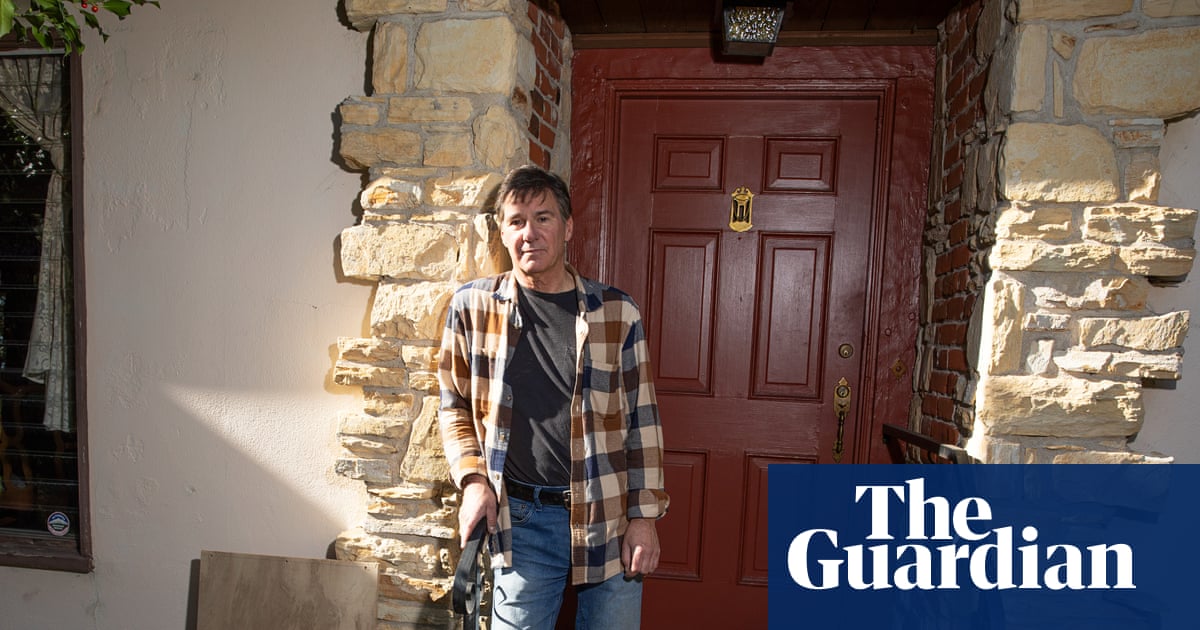
I don't know why I was not scared. I don't know this. I said my scare part of my brain is not well developed or something. No, I wasn't scared. It didn't taint me because I didn't see it inside my house. It's very interesting that it was in my kitchen. It was more interesting than scary.
An unnamed tourist saw it and told Aidan Moore, who works for Alcatraz City Cruises. Moore told SFGATE that he was initially skeptical, but the guest's iPhone footage left little room for doubt. The video shows, not a sea lion or an otter, but an actual Canis latrans, doggedly dogpaddling, then clambering out of the water, noticeably shaky and struggling to settle tired paws on the craggy rocks.
The next morning, I checked the critter-cams and saw the bear again, now captured by a camera I'd placed by a little mesh-covered opening near the small basement under my house. I watched as a massive shape emerged from the hole. My brain refused to believe it. The bear looked too large to fit in that tiny gap. I watched it again, shocked. My hands started to sweat.
A woman walking her dog on the 700 block of Oakglade Drive was approached by the bear at 9:20 a.m. It "kind of charged" the woman, said Lt. Kevin Oberon, before swiping the back of her knee. She was treated for non-life-threatening and non-serious injuries.
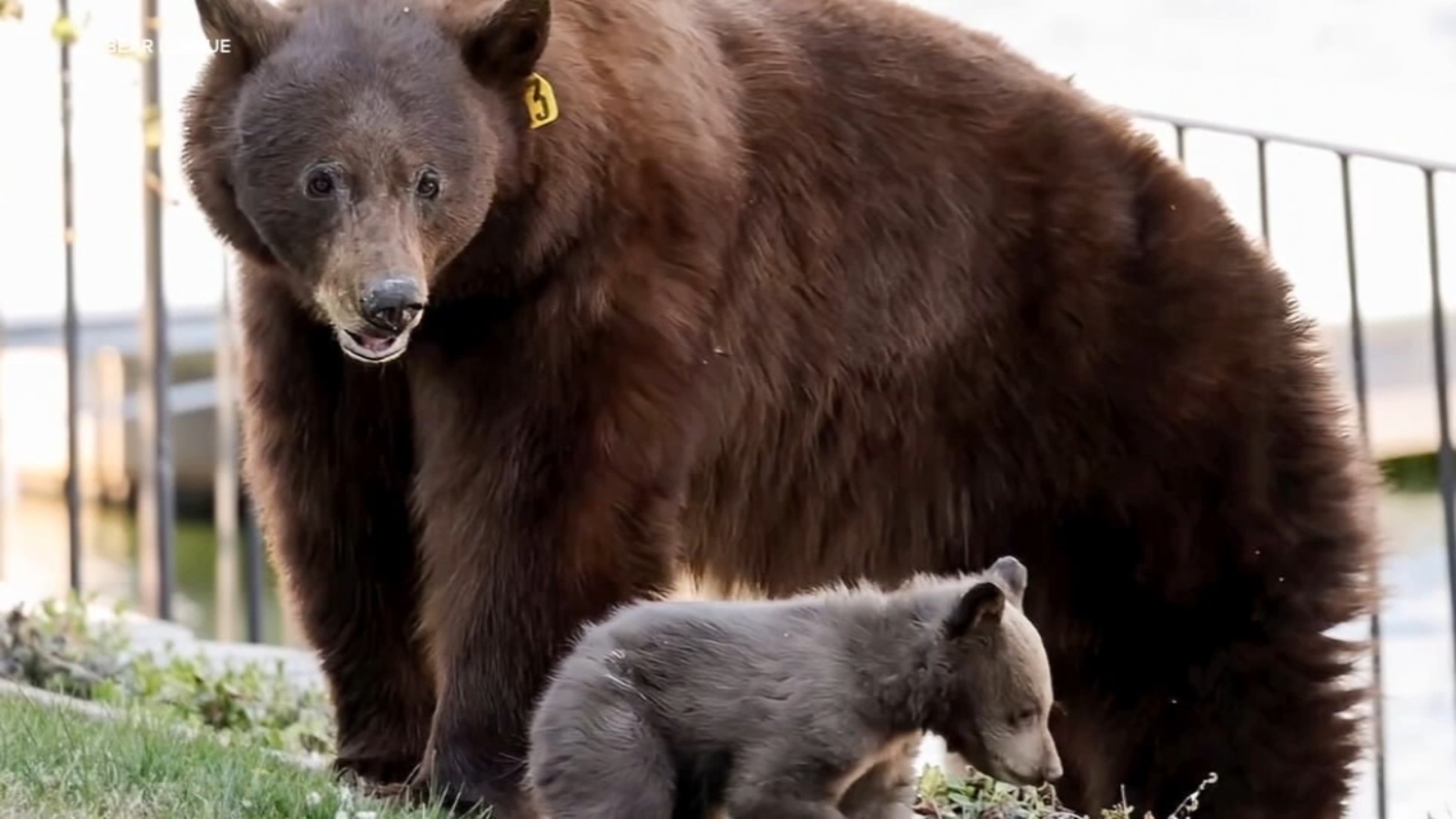
As soon as he moved in, he started hearing babies crying under his floorboards. The renter called the group to help check on the noises he was hearing, and they soon confirmed it was Rose and her new cubs. The renter is now gearing up to spend the rest of the winter with his four furry roommates.
Despite its lurid poster art, as an ursine rampage film this falls closer to the serious Grizzly Man/Timothy Treadwell end of the scale, rather than the Cocaine Bear one. Based on a freak August 1967 tragedy in which two women were separately mauled to death by grizzlies in Montana's Glacier National Park (described here as a trillion to one occurrence), Burke Doeren's debut grips in tooth'n'claw terms, but is considerably less sure-footed when it comes to people.
Alaska is a hot spot for grizzly bears, easily home to the most of any of the 50 states. There are an estimated 30,000 across the entire state, representing over 98 percent of the United States population. The Alaska Department of Fish and Game manages the population, ensuring that the population remains healthy and grizzly bear viewing opportunities stay abundant.
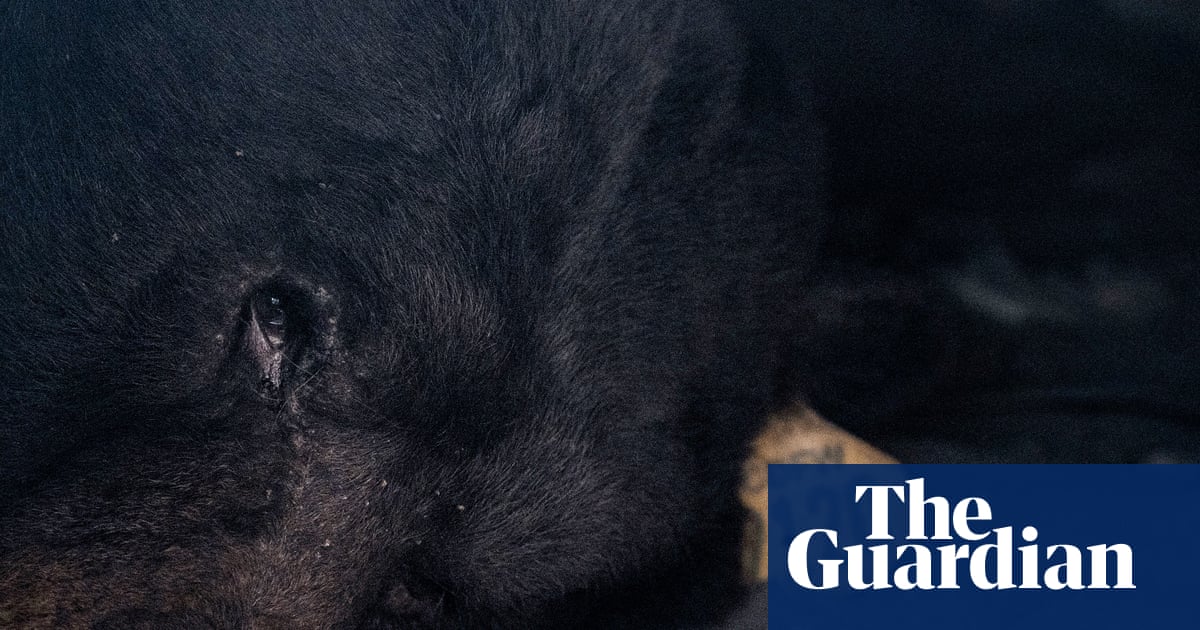
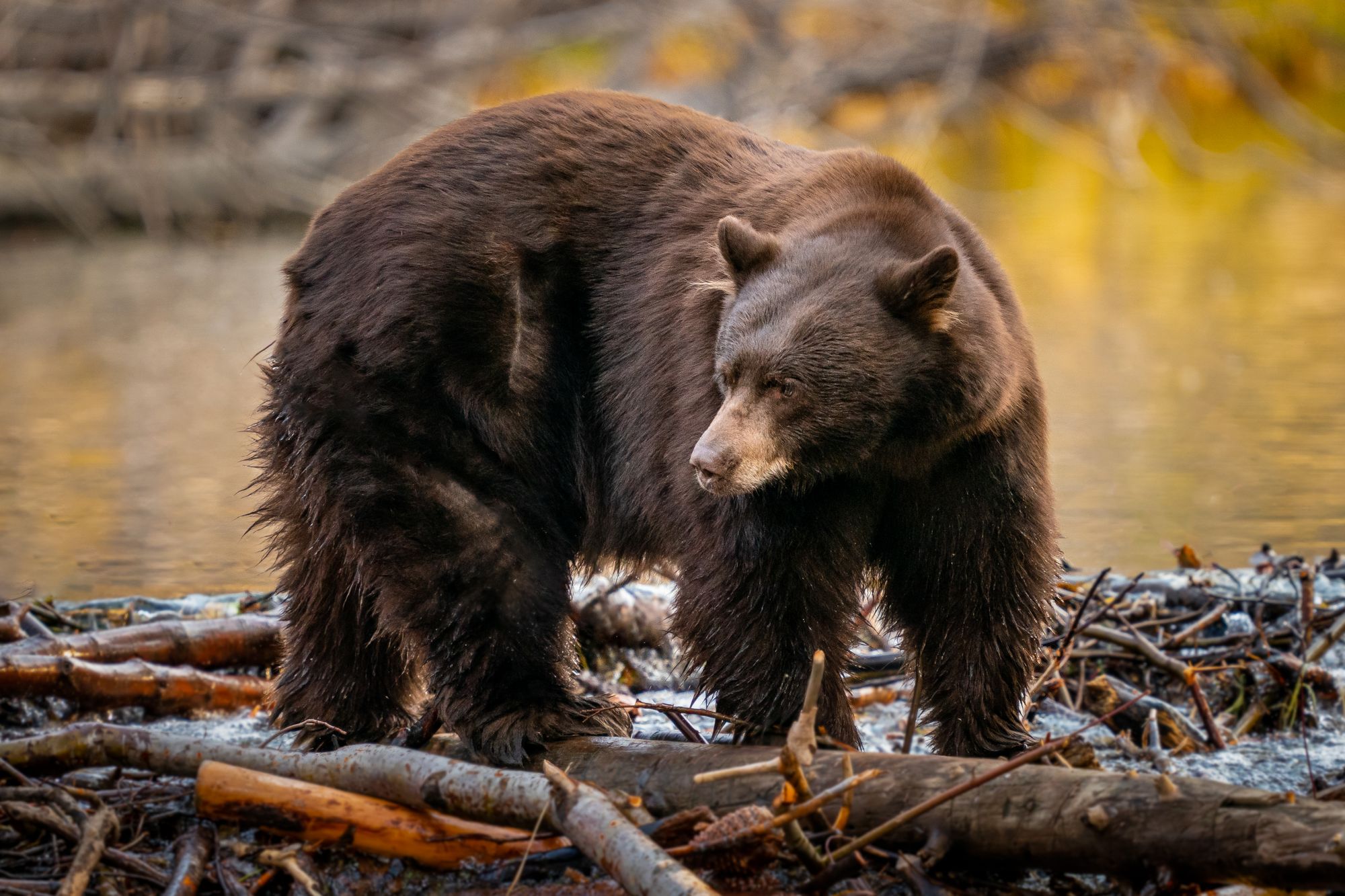
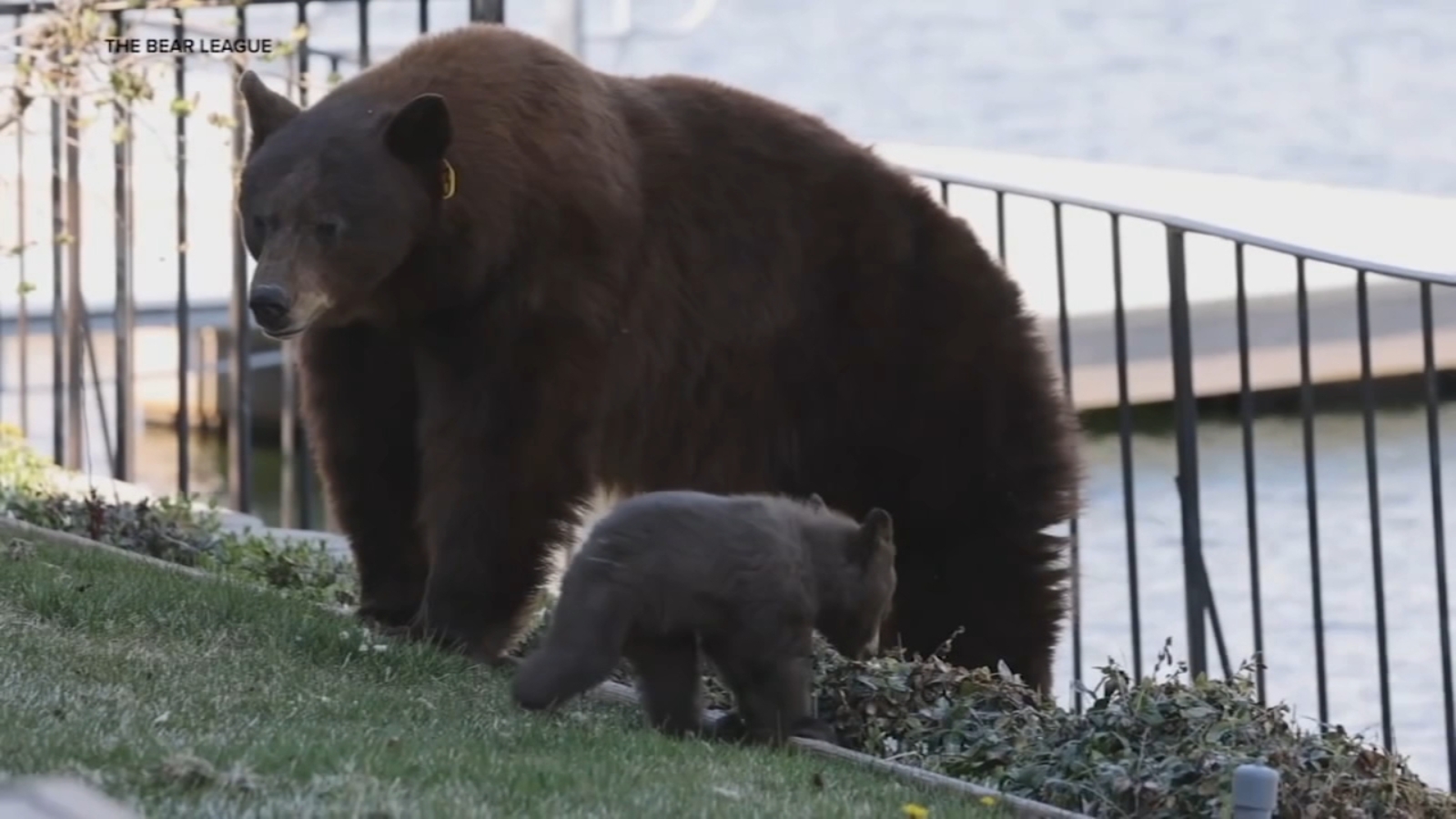
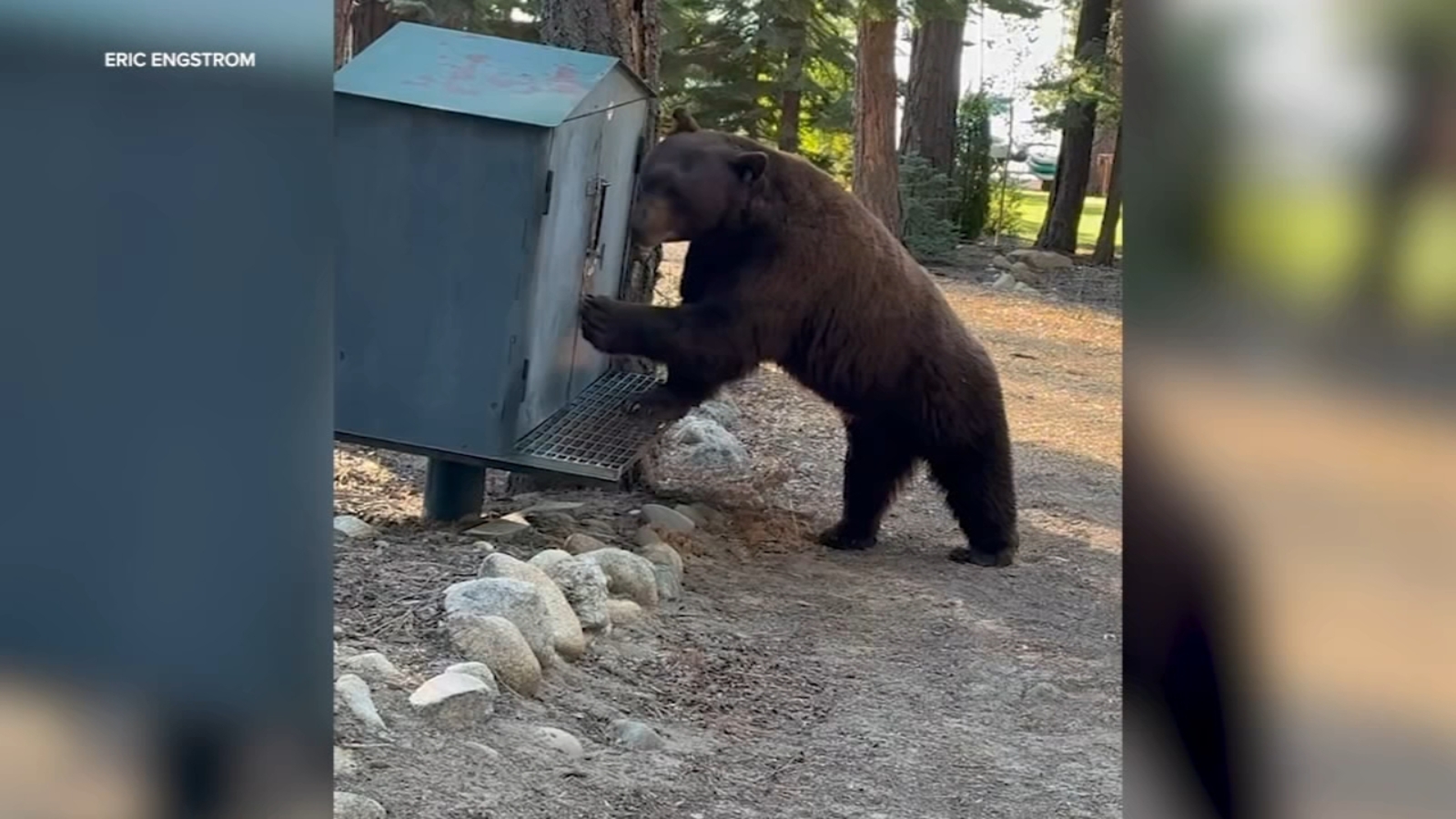
ALTADENA, Calif. -- A now-infamous bear that made headlines after taking over the crawl space of an Altadena, California home for months made residence under two more homes in the area. The bear, known as Yellow 2120, made its way into the homeowner's crawl space under his kitchen around Thanksgiving and had been there ever since. Last week, the BEAR League from Lake Tahoe traveled to the area to help the Altadena homeowner remove the bear using paintballs to scare him out of the crawl space.
We have little physical evidence of these interactions turning violent, however, because burials were rare and carnivores were more likely to finish off their prey. That's why the embellished burial site of a 15-year-old from 27,000 years ago is an important window into the past: the teenager's bones indicate he was mauled by a bear. The finding represents some of the first evidence of its kind.
Animals' risk of becoming roadkill depends on several factors, including how many vehicles are on the road, how many animals are on the road, and how animals and human drivers behave, explains Tom Langen, a professor of biology at Clarkson University, who studies animal-vehicle collisions. DST can minimize these collisions, however.
The wolves arrived in May of last year, just days after Paul Roen had driven his cattle back up to their summer pasture in Northern California's Sierra Valley. He started finding the bleeding bodies of calves-some still alive, so badly paralyzed that they'd need to be shot. After weeks of this, Roen finally saw a kill himself. "One wolf grabbed a cow and spun her around, while another grabbed a calf," he told me. "He tore it into three pieces in 30 seconds."
"Mating will continue until all eggs in the clutch are laid. Only Jackie knows how many and when she is done," the non-profit said in an Instagram post. "Eggs are laid 3-5 days apart. Jackie tends to lay every 3 days. In the meantime, if other eggs are on the way, incubation for Egg#1 is delayed in order for all eggs to hatch closer together. This helps with the survival rate of the chicks after hatching."
If they survived the summer and reached adulthood, they would become some of the fastest land animals on Earth. Adult pronghorn, a bit smaller than deer, can run seven miles in just 10 minutes, achieving short bursts of nearly 60 mph, much faster than horses or wolves. With their long thin legs and oversized hearts and lungs, they are built to cover ground in the wide-open sagebrush basins of Wyoming, my home state.