#cbt-i

[ follow ]
fromwww.npr.org
4 days ago

4 ways to beat the anxiety of insomnia and get back to sleep

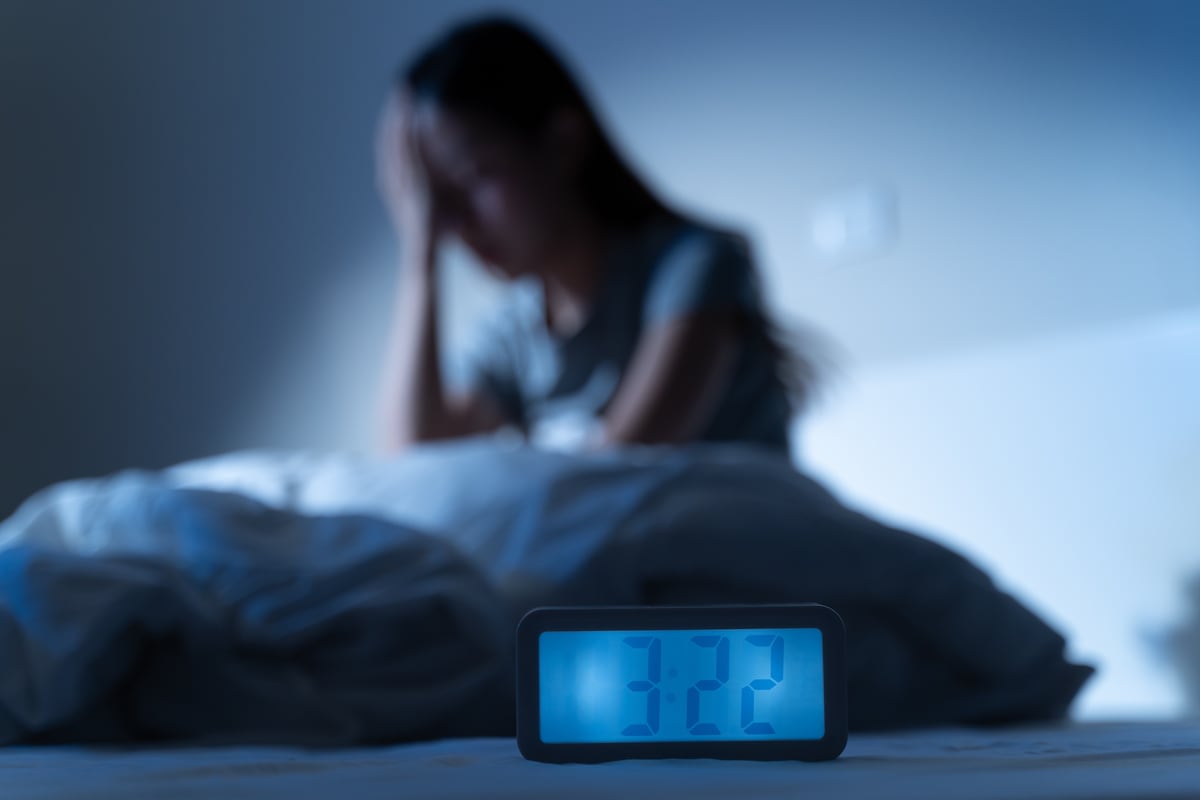
"I started getting into the frame of mind most people get sucked into. I worried, 'What's going on? Is there something wrong with me?'" he says. That fear of not being able to sleep is a phenomenon called "sleep anxiety," says Orma, who went on to become a specialist in insomnia treatment. Left untreated, that anxiety can prevent people from actually falling asleep. "The more you focus on it, the less chance you'll sleep, which then makes you more anxious. That's the cycle that spins," he says.
US news
#insomnia
fromPsychology Today
2 months ago

Gap Between Clinical Sleep Science and Public Sleep Culture

Sleep has become a public culture priority. The sleep industry now exceeds $68 billion. Nearly half of adults report insomnia symptoms at some point. Chronic insomnia means difficulty falling or staying asleep at least three nights per week for at least three months, with daytime consequences and/or significant distress. About 1 in 3 Americans uses a wearable device to track sleep, suggesting the public truly values sleep.
Mental health
Mental health
fromPsychology Today
8 months ago

Struggling With Sleep?

CBT-I effectively improves sleep by modifying the thoughts and habits that contribute to insomnia.
A significant percentage of CBT-I participants report lasting sleep improvements.
CBT-I serves as a medication-free remedy for insomnia, potentially benefiting anxiety or depression as well.
[ Load more ]