#chiharu-shiota
#chiharu-shiota
[ follow ]
#contemporary-art #memory #art #performance-art #art-exhibition #sculpture #design #craftsmanship #public-art
fromAnOther
15 hours agoCao Fei's New Show Looks at Labour in the Age of Artificial Intelligence
"Technology is both the remedy and the poison," artist Cao Fei quotes Bernard Stiegler, emphasizing the complex relationship between technological advancements and their impact on human practices.
Agriculture
fromAnOther
4 days agoYoung-jun Tak's Eyes Are Always on the Audience
"It's bizarre to watch people in this way - even in gay cruising areas you wouldn't stare at other bodies this intensely. Now, whenever I go to a concert, especially at the Berliner Philharmonie with its encircling seating, my gaze hovers over the audience as well as the stage."
Berlin
fromBOOOOOOOM!
15 hours ago"A Ghost Only You Can Name" by Artist Sarah Muirhead
The act of painting, like remembering, becomes sanctified not because it reveals truth, but because of the care and attention it requires. The devotional quality throughout this work is not religious, exactly, but borrows the aesthetic language of reverence: chandeliers, glowing skin, sacred gestures.
Arts
fromYanko Design - Modern Industrial Design News
2 weeks agoYour Carry-On Isn't Ready for Cherry Blossom Season in Japan - These 9 Designs Are - Yanko Design
Camera (1) is a compact, metal-bodied camera designed for ease of use, featuring a single-edge control layout that allows for quick adjustments without navigating a touchscreen. This design is particularly beneficial during cherry blossom season when moments are fleeting and require immediate capture.
Photography

Miscellaneous
fromdesignboom | architecture & design magazine
1 month agoinspired by the japanese engawa, a new installation opens at accra's limbo museum
Limbo Museum in Accra opens an architectural installation reinterpreting the Japanese engawa concept using woven structures from salvaged billboard material within an unfinished concrete frame.
Berlin music
fromdesignboom | architecture & design magazine
3 weeks agohow yuri suzuki builds social architecture through sound sculptures and playful interaction
Yuri Suzuki uses sound sculptures and horns as social connectors that build collective experiences and community through shared listening and interactive participation in public spaces.
Design
fromYanko Design - Modern Industrial Design News
3 weeks agoThis walkable steel sculpture turns geometric chaos into an experience - Yanko Design
Five Fragmented Cubes is an interactive sculpture designed for immersion, challenging traditional viewing by inviting people to enter and explore its structure.
Berlin
fromTravel + Leisure
1 month agoThe 9 Best Museums in Tokyo-With Ancient History, Stunning Architecture, and Dazzling Immersive Exhibits
Tokyo contains nine exceptional museums ranging from prestigious national institutions to specialized collections, with the National Art Center standing out for its architectural design and diverse rotating exhibitions.
fromThe New Yorker
1 month agoMitski Shares Her Cultural Essentials
I think, even though she's world famous with millions of fans, I still think she's underrated, because yes, she's the greatest singer in the world, but also, she doesn't get enough credit for her songwriting. She's written amazing songs over many years consistently and she's really innovated in recorded music and I don't know, I just think she's a genius and people don't realize that she is a genius.
Music
Graphic design
fromItsnicethat
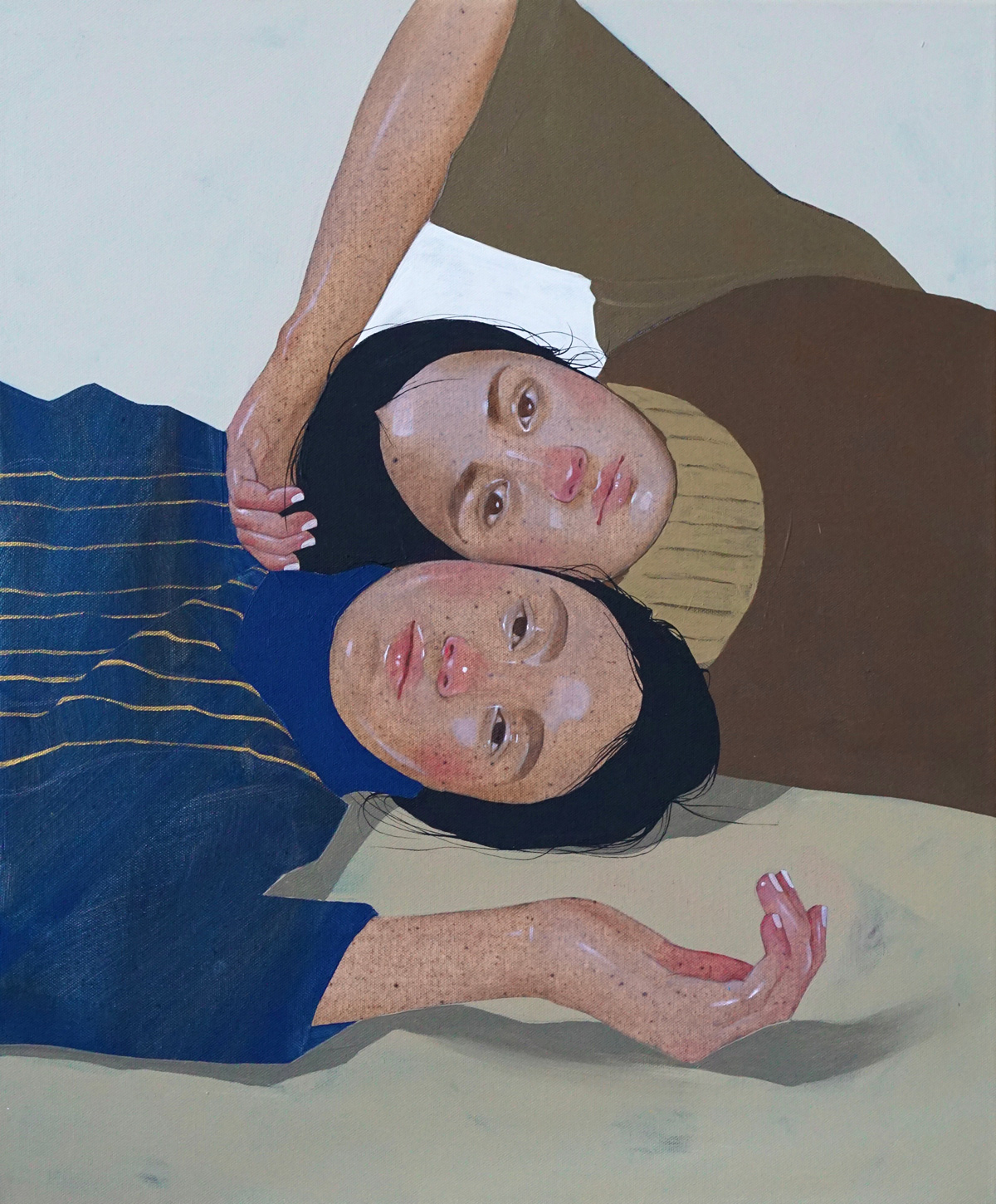
3 weeks agoThese emotionally charged illustrations are here to make your imagination wander
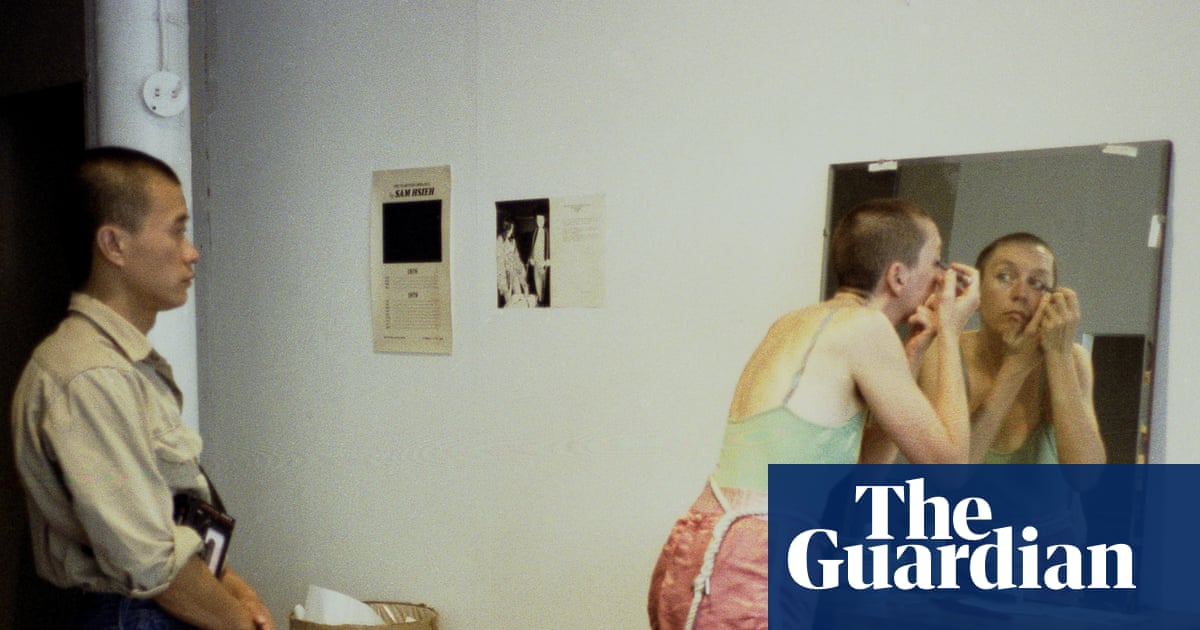
Xiao Hua Yang creates illustrations that blend digital and analogue techniques to suggest emotions through subtle imagery rather than explicit statements, prioritizing implication over explanation.

Design
fromArchDaily
3 weeks agoSmiljan Radic: Material Explorations Between Ephemerality and Permanence
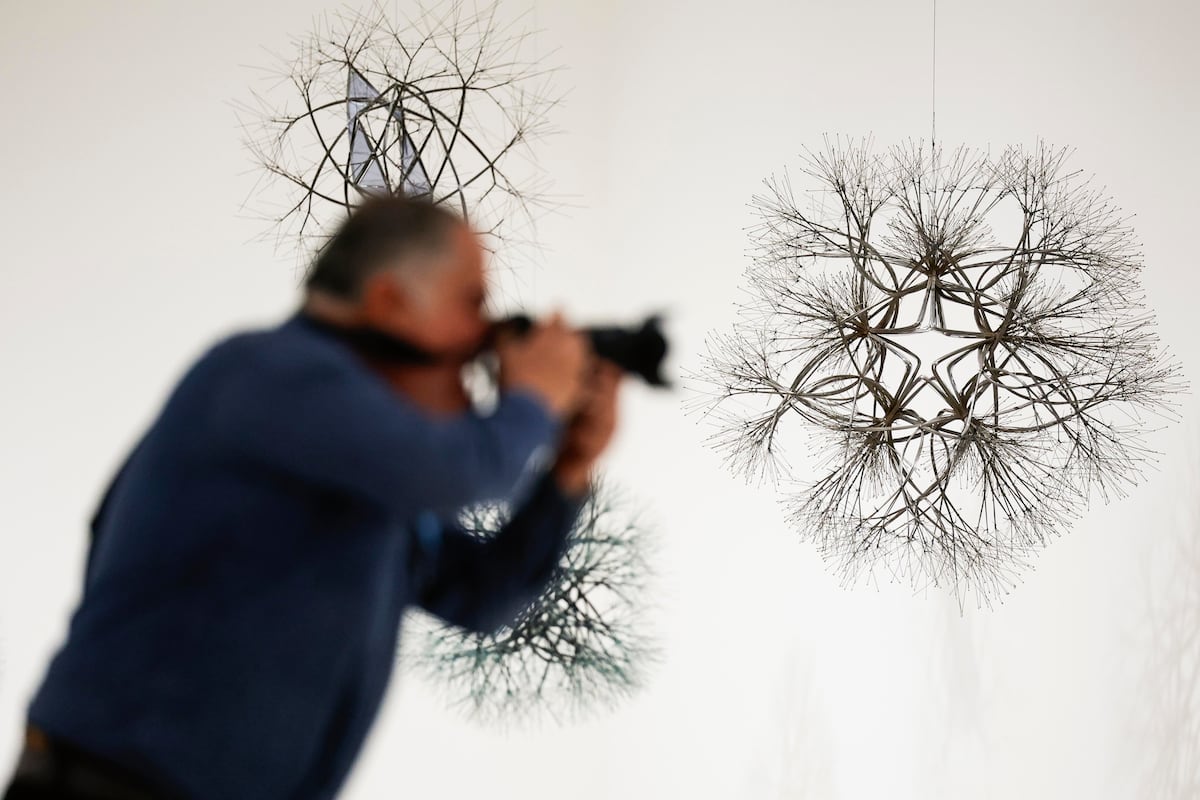
Chilean architect Smiljan Radić creates buildings that blend ancient monumentality with provisional fragility, combining diverse materials in experimental ways that challenge conventional architectural categorization.
Miscellaneous
fromArchDaily
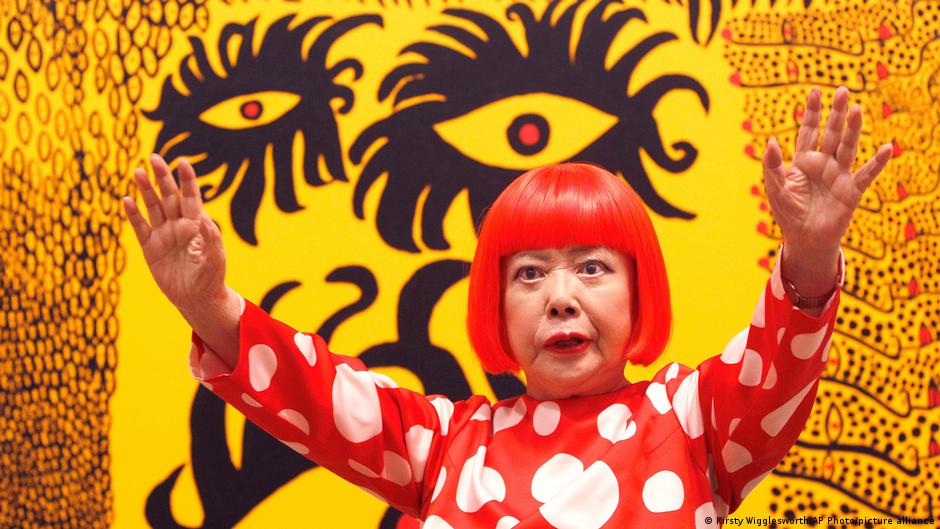
1 month agoKumamoto Exhibition Explores Shoei Yoh's Pioneering Timber Structures and Computational Design
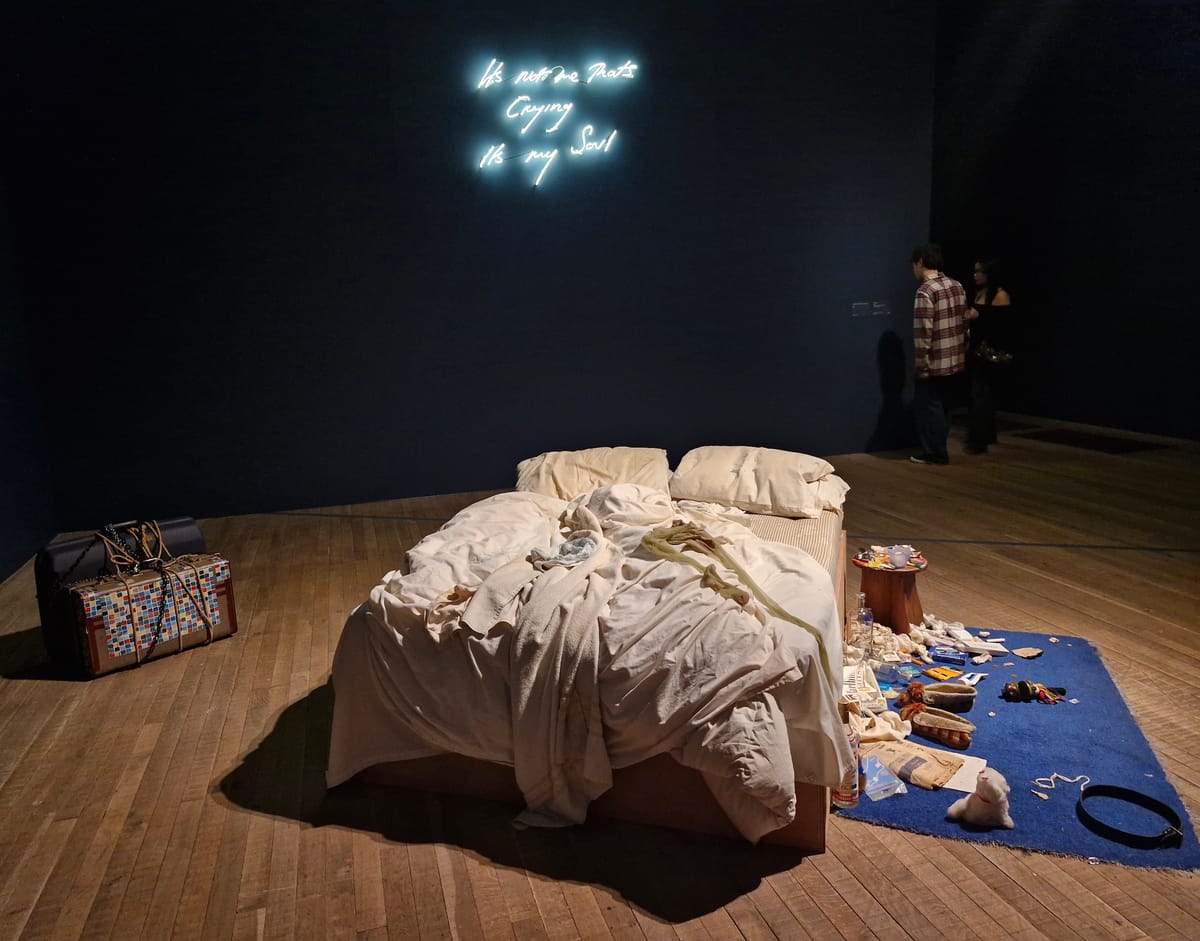
Shoei Yoh, a pioneering Japanese architect born in Kumamoto in 1940, revolutionized timber construction and computational design through rational methodology and elastic architecture principles.


Berlin music
fromKALTBLUT Magazine
1 month agoUnveil the Pulse of Memory: Filipp Jenikae's Visual Symphony at Galerie Sara Lily Perez - %
Filipp Jenikäe's exhibition explores how urban spectacle, collective memory, and personal experience merge through dynamic paintings of cities, crowds, and athletic figures.
fromwww.theguardian.com
2 months agoCosmic Princess Kaguya! review trippy anime adapted from Japanese folk dives into virtual reality popworld
Cosmic Princess Kaguya! is an adaptation of a Japanese folk tale, the story of a princess from the moon discovered inside a bamboo stalk in a poor rural village. A decade ago, Studio Ghibli adapted the tale into a gorgeously animated movie with a traditional, lovingly hand-painted feel. This film could not be more different, a trippy, high-energy, techno anime set in the near future, half of it in a virtual reality world and TikTok-ifed with emojis and stickers exploding all over the screen.
Film
Arts
from48 hills
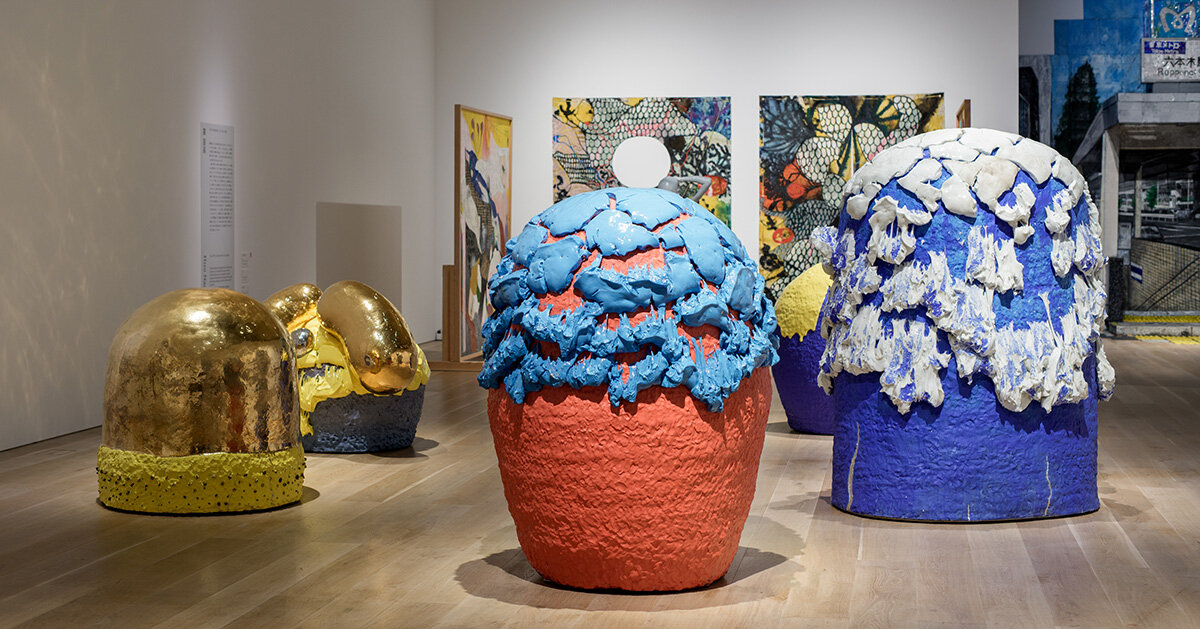
3 weeks agoFor Iranian artist Shiva Ahmadi, 'ornamentation becomes a form of resistance' - 48 hills
Shiva Ahmadi's interdisciplinary art practice channels personal experiences of displacement, political upheaval, and immigrant anxiety into visually seductive works that address brutal global issues affecting marginalized communities.

Arts
fromHyperallergic
3 weeks agoZarina Brought the World to New York
Zarina's artistic practice, rooted in South Asian history and shaped by migration and displacement, established her as a foundational figure for South Asian American artists while maintaining independence from nationalist frameworks.
fromColossal
3 weeks agoRestrained Emotions Simmer in Shinsuke Inoue's Tender Wood Sculptures
I have virtually no idea what the finished piece will look like until I actually begin working with the wood. As a result, the form often emerges as I carve, and I frequently change my plans midway through the process. Naturally, I keep the many failures a secret.
Arts
fromItsnicethat
1 month agoLife is in constant motion in Chiara Xie's kinetic and flowing illustrations
In illustrator Chiara Xie 's work, everything is in motion. Rooted in a deep reverence for vitality, Chiara is fascinated by "the rhythm that flows through a scene", lingering like a suspended breath, and other times "surging as a vibrant, agile current of motion". It's not hard to know what she means: every illustration is filled with motion, arcs of light and air bouncing off every corner.
Graphic design
fromBOOOOOOOM!
3 weeks ago"Always Were" by Artist Opal Mae Ong
Ong's work contains a deep reverence for the otherworldly, combining the remnants of ancestral knowledge with speculative visions to form a kind of personal myth-making. The title of their latest series, "Always Were", is intentionally fragmentary suggesting a temporal and grammatical ambiguity that points to the liminal nature of Ong's figures and the time and place they inhabit.
Arts
fromYanko Design - Modern Industrial Design News
2 months ago7 Best Japanese-Designed Valentine's Gifts That Look $1000+, But Cost Half That - Yanko Design
Japanese design has spent centuries perfecting the balance between restraint and richness. These seven gifts embody that philosophy, where every material choice and geometric decision carries intention. From transparent polycarbonate that frames music like sculpture to hand-planted bristles that honor century-old brush-making techniques, each piece reflects the considered craftsmanship that typically commands luxury prices. The precision is palpable, the materials exceptional, yet the cost remains accessible.
Design
fromArtnet News
4 weeks agoVeronica Fernandez Builds an Uneasy Monument to Childhood Imagination
There's this push and pull between feeling unease and discomfort, the nature of the spaces, and why they feel uncomfortable. But there is also tenderness and warmth, people adapting to these spaces and finding ways to make them comfortable.
Arts
fromdesignboom | architecture & design magazine
1 month agoema shin embroiders intricate detailing into monumental heart for biennial of sydney
Suspended within the exhibition space, the piece occupies the room with a soft mass of red and white textiles. Dense embroidery traces arteries and vessels across the surface, while clusters of beads and pearls gather along the contours. Even with this ambitious new scale, it maintains the tactile intimacy of Shin's smaller works.
Arts
#textile-installations
Arts
fromdesignboom | architecture & design magazine
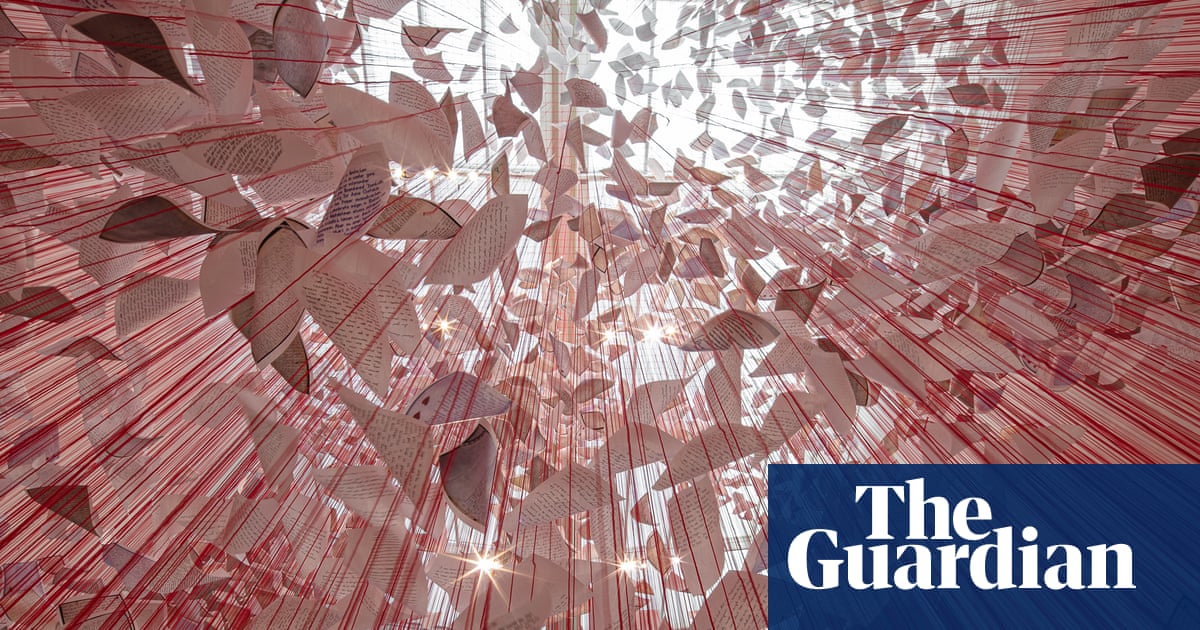
1 month agochiharu shiota's woven webs meet yin xiuzhen's clothing installations at hayward gallery
Hayward Gallery presents two major concurrent textile installations by Chiharu Shiota and Yin Xiuzhen that transform ordinary materials into immersive spatial explorations of memory, identity, and shared human experience through large-scale installations.
fromAnOther
1 month agoChiharu Shiota, the Artist Making Human Connection Tangible
Known most for her large-scale artworks created from vast, intricate networks of thread, she developed her unique practice to make tangible the endless speculative configurations of human connections - something to be experienced rather than defined. But by asking her to describe her new exhibition, Threads of Life at the Hayward Gallery, I'm dragging her back into a reductive world of language. "If I wanted to express myself in words, if I could explain in words, I'd rather write," she says. "So I want to build visually, and I want to create visually. What I want to describe is beyond words."
Arts
fromFuncheap
1 month agoSeema Kohli: Samsara & Metamorphosis - The Mystical World of Seema Kohli
Kohli's work is inspired by the generative forces of nature-its cycles of growth, dissolution, and renewal. Central to the artist's visual language is Shakti, the transformative power of the divine feminine. Kohli uses the womb as a potent symbol of creation and possibility, exploring transformation within the eternal cycles of birth and death.
Arts
Arts
fromwww.theguardian.com
2 months agoArtist Sarah Sze: A work of art is finished when everything teeters'
Sarah Sze’s Gagosian Beverly Hills exhibition uses 13 works—large, intricate paintings and video installations—to create immersive, disorienting landscapes reflecting an image‑saturated, unstable contemporary world.
fromHyperallergic
2 months agoYoko Ono's Art Is an Exercise in Hope
CHICAGO - With her iconic long dark hair curtaining her demure countenance, Yoko Ono has been in my personal pantheon of women makers for most of my life. When I was a distraught teenager in a midwestern suburb, she was there - singing discordant arias from my bedroom stereo. Her siren call couldn't quite be deciphered, but, like a feminist signal from afar, it cut through the fog of oppressive cultural forces.
Arts
fromColossal
2 months agoRegina Silveira Pieces Together an Evolving Narrative of Latin America
Regina Silveira has spent the better part of three decades considering the relationship between media and meaning, particularly as it relates to Latin America. First presented in 1997, "To Be Continued..." features 100 black-and-white reproductions of photos, newspaper clippings, propaganda, advertisements, and more. Silveira nests each image into an oversized puzzle piece, which cuts off faces and scenes to leave fragments of pop culture icons, flora and fauna, and even the occasional mugshot spliced next to one another.
Arts
[ Load more ]