#climate-vs-weather
#climate-vs-weather
[ follow ]
#climate-change #global-warming #el-nino #extreme-weather #temperature-records #environmental-impact
#el-nino




Environment
fromThe Washington Post
1 month agoWill there be a super El Nino later this year? Here's what that would mean.
A strong or super El Niño event expected later this year could rival historical records and significantly impact global weather patterns, potentially pushing temperatures to record levels by 2027.




#heat-wave


California
fromLos Angeles Times
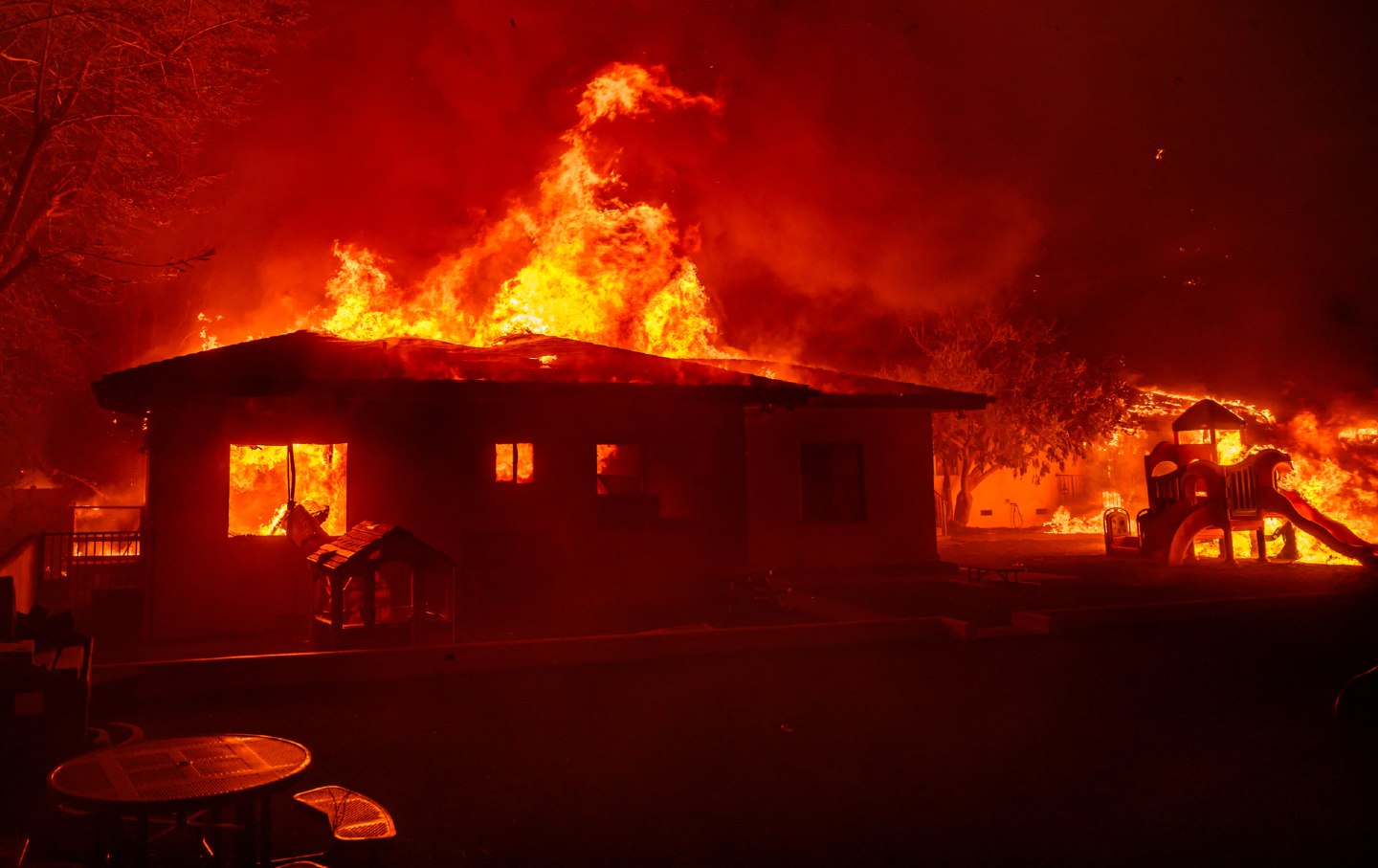
4 weeks agoSouthern Cailfornia's winter ends with a record-breaking heat wave
A historic late-winter heat wave across Southern California is breaking numerous daily and all-time March temperature records, with inland areas reaching triple digits while coastal regions experience 80s and 90s temperatures.
US news
fromFortune
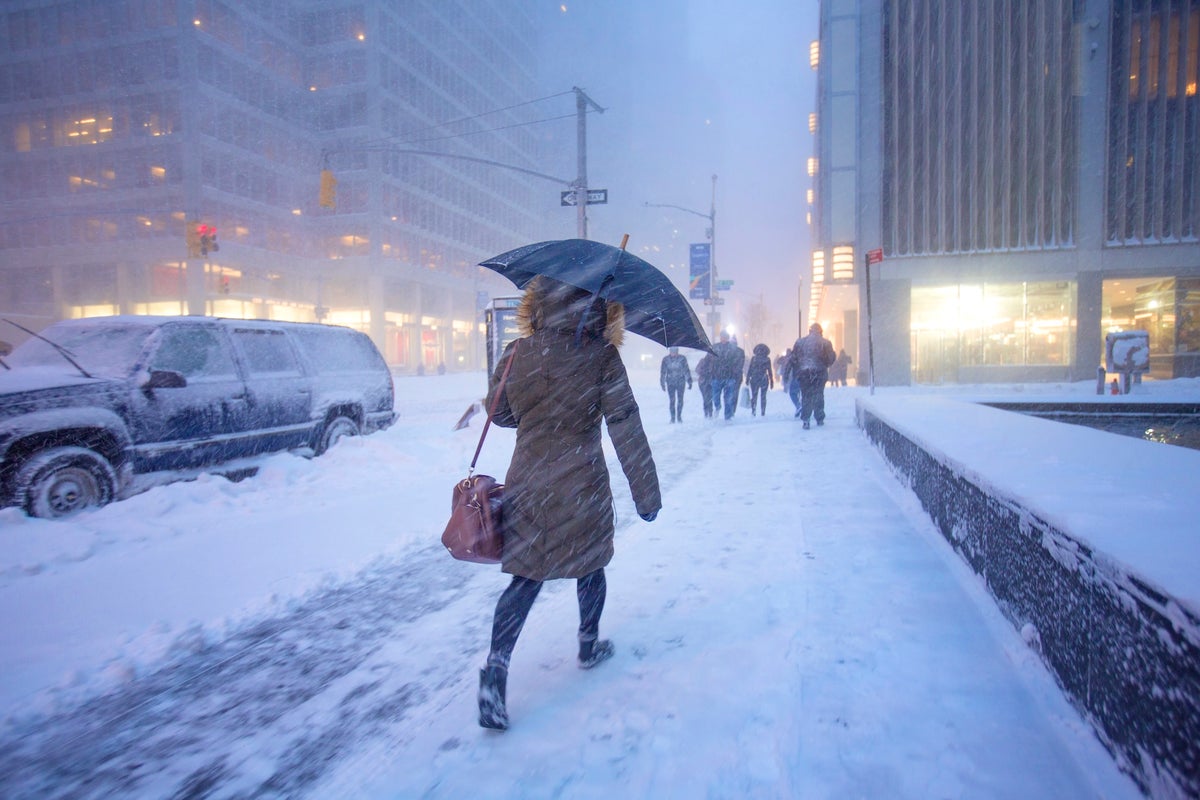
1 month agoThe weather sampler platter will wallop the U.S. this week: extreme heat in the south, downpours and snow in the east-with a side of the polar vortex | Fortune
Nearly all U.S. regions face extreme weather including record heat in the Southwest, snow in the Great Lakes, Arctic cold in the Midwest and East, and heavy rain in Hawaii within the coming days.
fromwww.npr.org
1 month agoEl Nino is set to take hold this summer, driving up global temperatures
Even though the evidence is still early, this could be a very significant event in 2026 and lingering into 2027. Its function in the global earth system is to release heat from the deeper oceans that has been temporarily stored there. El Nino allows that subducted heat to be unearthed.
US news


fromwww.theguardian.com
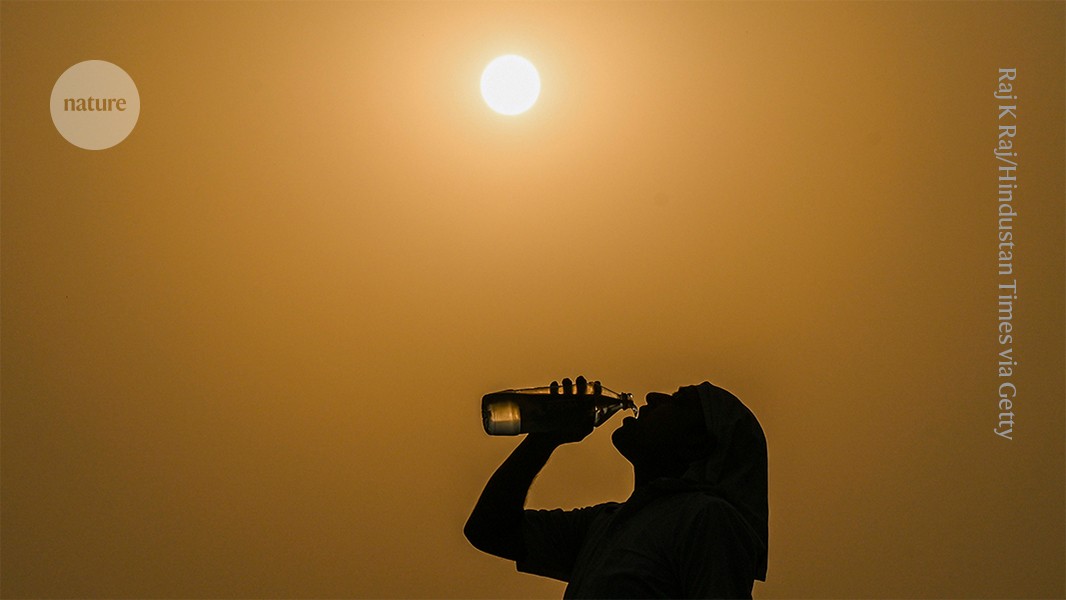
1 month agoExtreme heat lab: enduring the climate of the future
"So whenever people think about hot weather, they always talk about the temperature," he says. "There's two issues with that. First of all, most people don't realise that the temperature is measured in the shade. So if you're in direct solar radiation, the amount of heat stress you're exposed to is much greater as it will stress your body out a lot more."
Public health


fromThe Atlantic
2 months agoThe Blind Spot at the Top of the World
He had flown in from Mar-a-Lago and, he told me, was there to observe. The next day, he watched as Åsa Rennermalm, a Rutgers University professor who studies polar regions, sat onstage with European foreign ministers and spoke out against cuts to U.S. science funding. "A leading US Arctic scientist is on stage absolutely ripping her country to the delight of the audience," Dans wrote on X. "Embarassing." He punctuated his post with an American-flag emoji.
US politics
Environment
fromFortune
1 month agoThe last 3 years were the hottest ever recorded. Here's why we may look back at them as some of the coolest we remember | Fortune
2025 was the third-hottest year on record despite cooling factors like La Niña, reduced solar activity, and fewer wildfires, indicating hidden warming influences are masking expected temperature decreases.
Environment
fromMail Online
1 month agoGlobal warming has accelerated significantly since 2015, study reveals
Global warming has accelerated to 0.35°C per decade over the past 10 years, double the 1970-2015 rate, threatening to exceed the 1.5°C Paris Agreement limit before 2030 without urgent CO2 emission reductions.
fromLos Angeles Times
2 months agoHalfway through winter, heat is melting the California snowpack
An extraordinarily warm and mostly sunny January has left the snowpack across California's Sierra Nevada far smaller than usual - 59% of average for this time of year, state water officials announced Friday as they held the season's second snow survey. "We are now about halfway through the typically wettest part of the year," said Andy Reising, manager of snow surveys for the California Department of Water Resources.
Environment
fromwww.nature.com
2 months agoAtmospheric H2 variability over the past 1,100 years
Warwick, N., Griffiths, P., Keeble, J., Archibald, A., & Pyle, J. Atmospheric implications of increased Hydrogen use. GOV.UK https://www.gov.uk/government/publications/atmospheric-implications-of-increased-hydrogen-use (2022).
Environment
[ Load more ]