#el-nino
#el-nino
[ follow ]
fromwww.dw.com
1 day agoEarth on track for record heat over next 5 years UN report
The WMO also said that predicted average temperatures in the central tropical Pacific pointed towards El Nino conditions, particularly in 2027 and 2028. "There is an El Nino predicted for the end of 2026, which increases the chances of the following year, 2027, being the next record-breaking year," said Leon Hermanson, lead author of the WMO's Global Annual-to-Decadal Update. El Nino is a climate phenomenon characterized by warmer sea surface temperatures in the Pacific Ocean near the equator, creating disruptive effects on global weather patterns
Environment
fromArs Technica
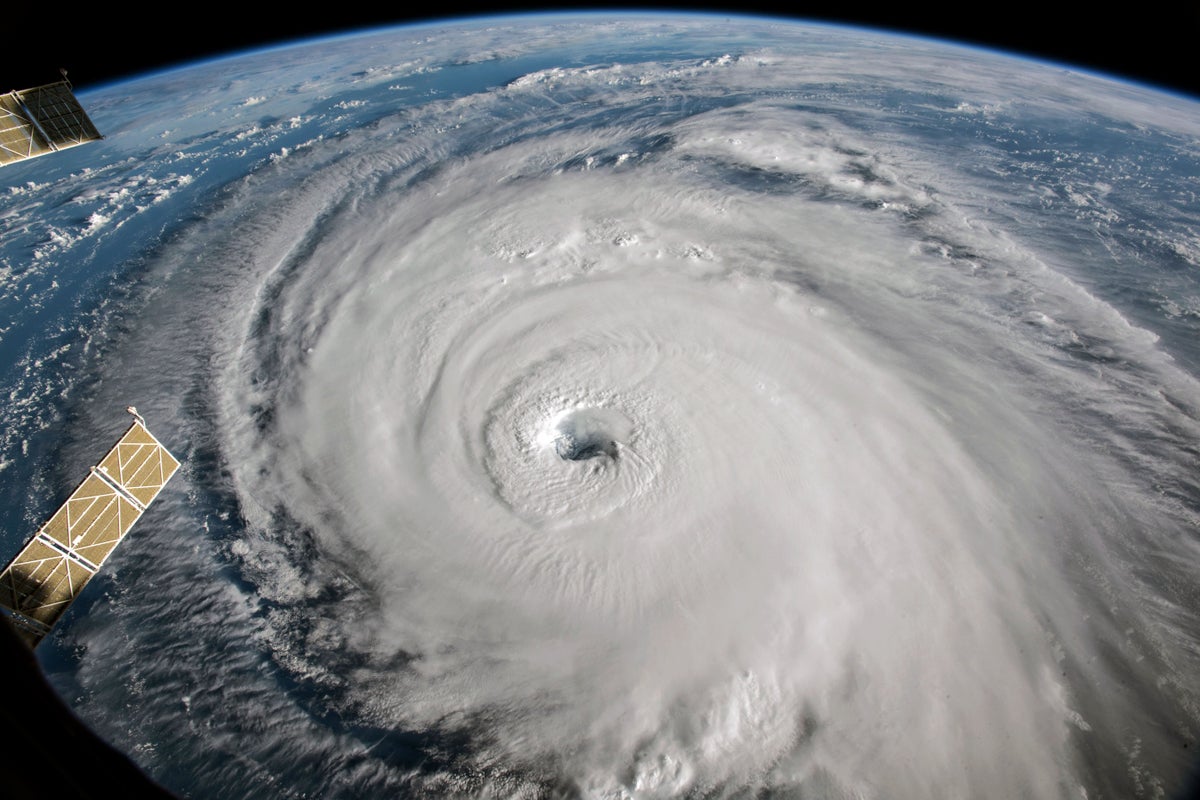
1 day agoForecasters predict below-average hurricane season, advise against complacency
We probably won't have as many number of storms as previous years. However, some storms get lucky. We see outliers all the time, especially with hurricanes. So I believe Floridians, we need to get prepared.
Miami



#climate-forecasting



Environment
fromThe Washington Post
2 months agoWill there be a super El Nino later this year? Here's what that would mean.
A strong or super El Niño event expected later this year could rival historical records and significantly impact global weather patterns, potentially pushing temperatures to record levels by 2027.
fromSnowBrains
1 week agoStrong El Nino Predicted for Winter 2026-27 - This Is What Skiers Need to Know
NOAA's Climate Prediction Center dropped its latest long-lead seasonal outlook on May 21, and yes, forecasting seven-plus months ahead is more art than science. Take it with the appropriate pinch of salt. That said, El Niño is knocking on the door, the signal is unusually strong for this time of year, and if you're the kind of person who likes to plan your season around something more than a hunch, the El Niño 2026-27 ski forecast is already shaping up to be one worth following.
Snowboarding
fromFuturism
1 week agoScientists Detect Huge Structure Under Ocean Fueling the Deadly Upcoming El Nino
Called a Kelvin wave, scientists have identified a massive pool of warm water in the Pacific carrying temperatures up to 13.5 degrees Fahrenheit above average in similar parts of the ocean. As the Wall Street Journal notes, that's a major heat wave as far as the ocean is concerned, as deep water temperature patterns take much longer to shift than they would on land.
OMG science


#global-warming
Environment
fromenglish.elpais.com
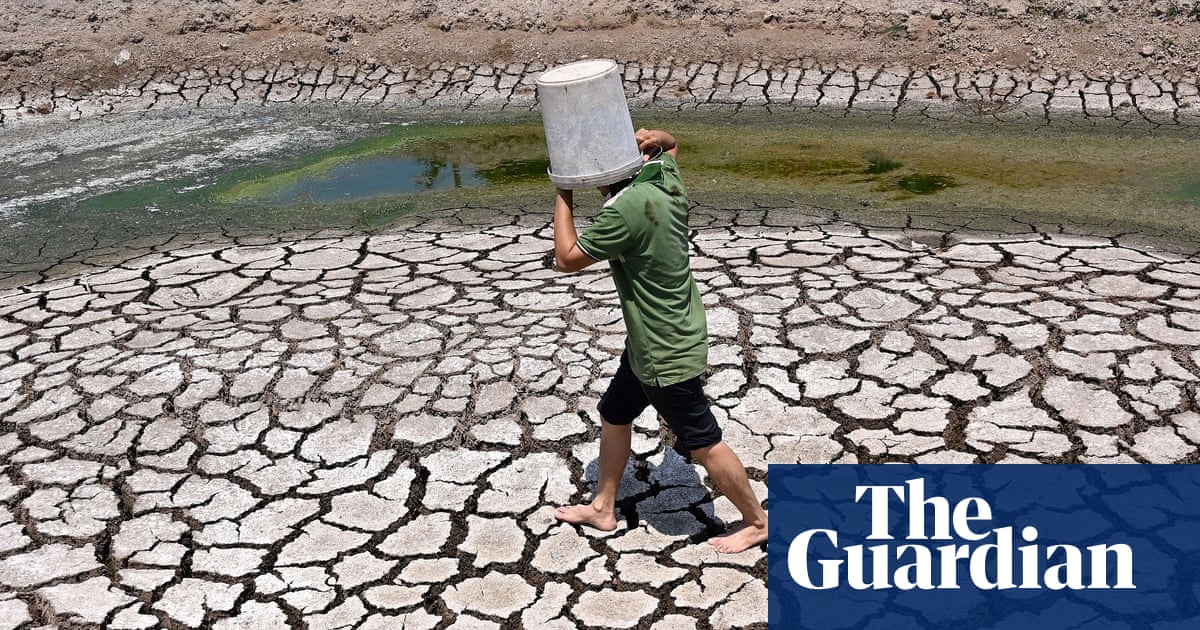
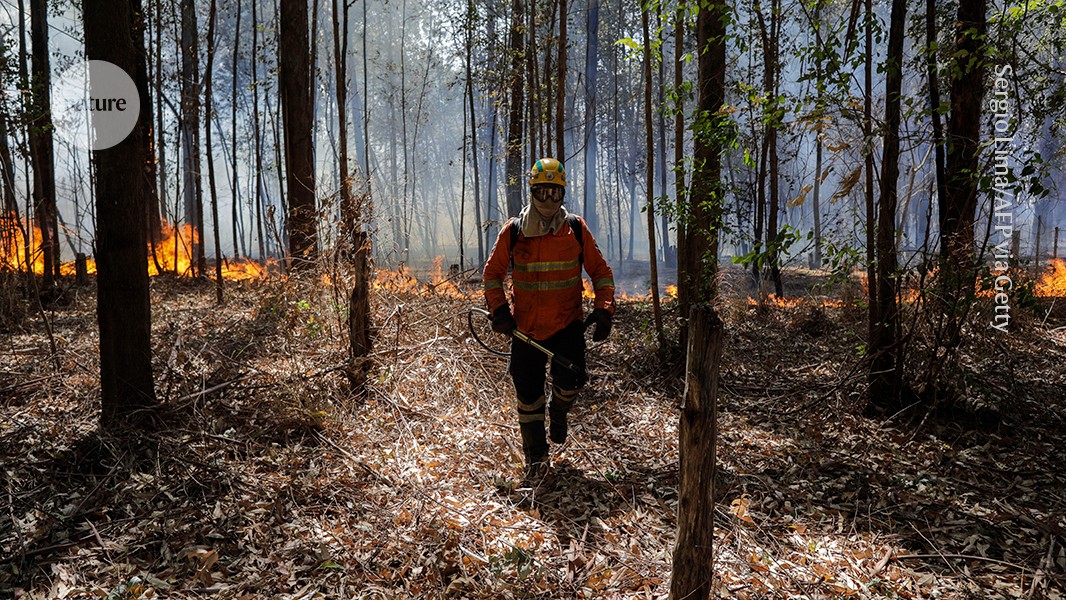
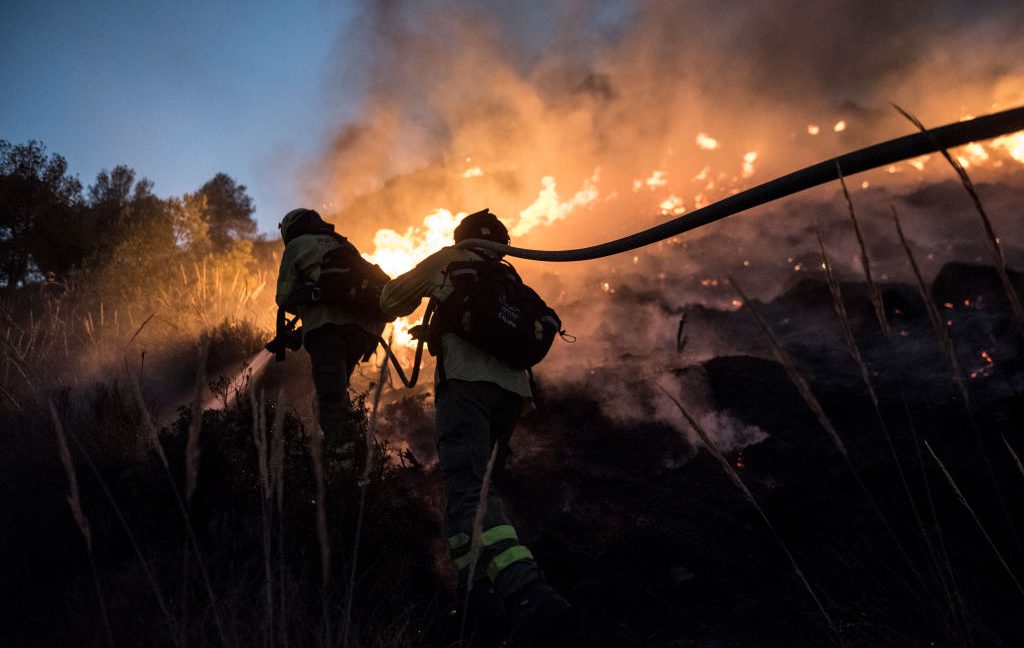
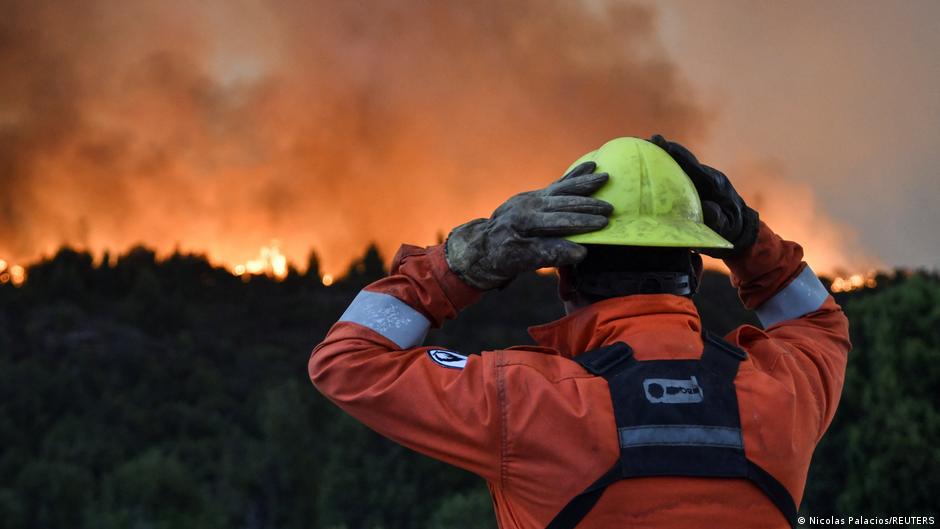
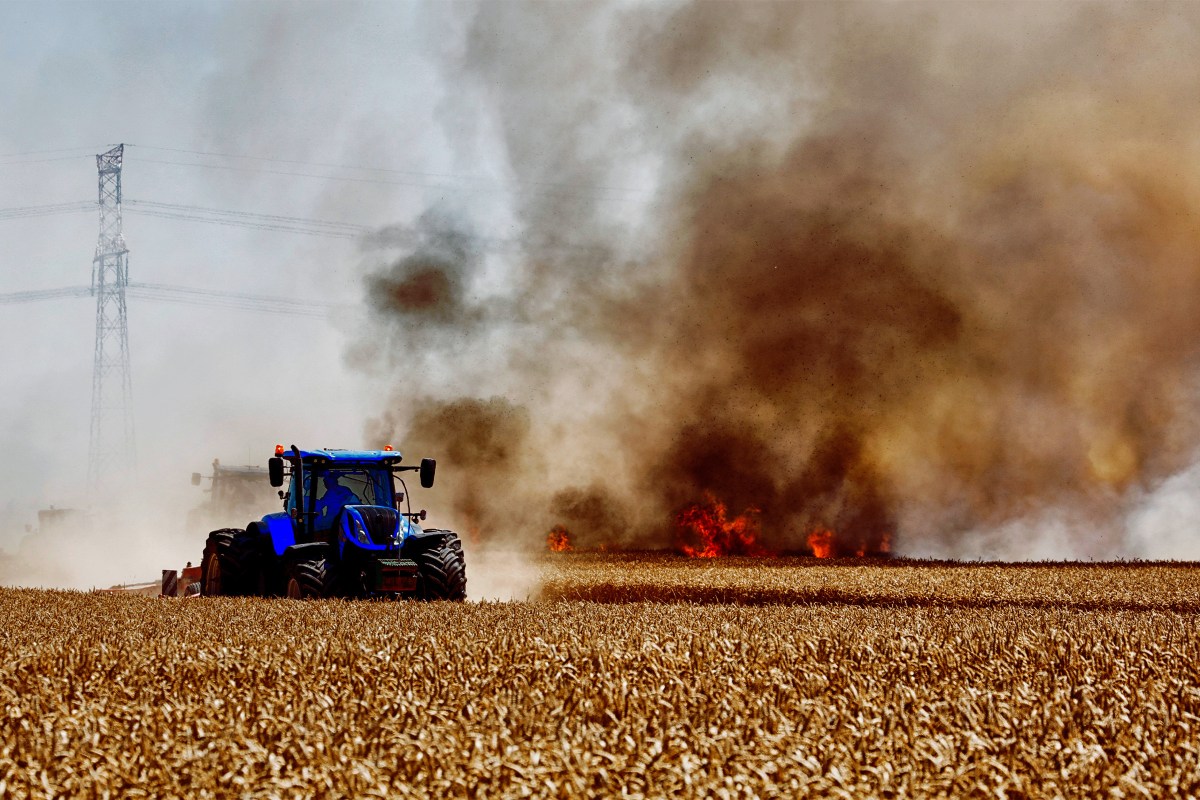
2 weeks ago160 million hectares burned and sea temperatures at record highs: 2026 is shaping up to be a year of extreme warming
Record-breaking warmth is likely in 2026 due to global warming amplified by El Niño, while escalating fossil-fuel emissions and climate backsliding worsen wildfire impacts worldwide.

Environment
fromenglish.elpais.com
2 weeks ago160 million hectares burned and sea temperatures at record highs: 2026 is shaping up to be a year of extreme warming
Record-breaking warmth is likely in 2026 due to global warming amplified by El Niño, while escalating fossil-fuel emissions and climate backsliding worsen wildfire impacts worldwide.
fromMail Online
3 weeks agoThe ominous sign a SUPER El Nino is inching closer, revealed
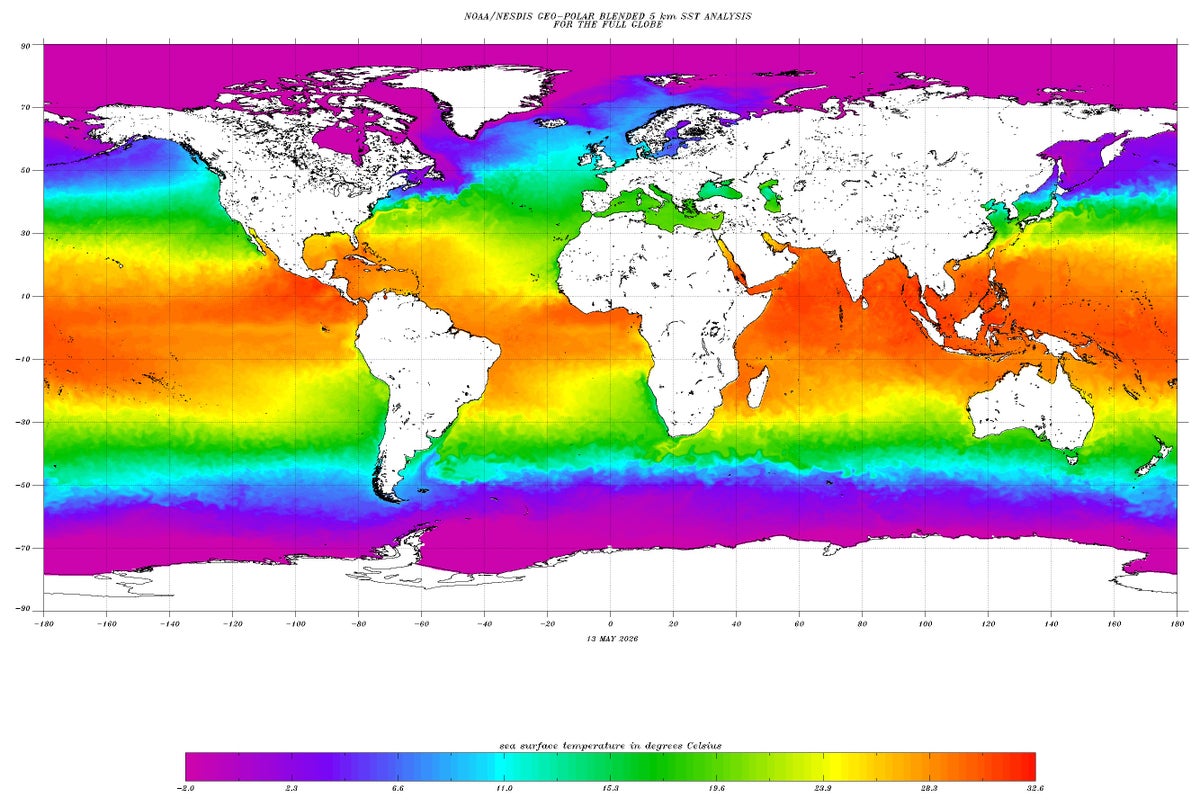
Where this ocean surface warming exceeds 2°C (3.6°F), the event is often referred to as a 'super El Niño'. Now, the Copernicus Climate Change Service has revealed that April 2026 saw the second highest sea surface temperatures on record. Measurements last month show that the daily average over the extra-polar regions inched toward the record values seen in 2024. According to the experts, this suggests super El Niño conditions could be here in the 'coming months'.
OMG science
fromSFGATE
1 month agoCalifornia's super warm water is driving unusual shark behavior
"Every year about this time, females are coming back from their open ocean migrations to give birth somewhere in Southern California, and then those baby white sharks show up at our beaches. What made this year unusual is that we started seeing newborns in February, which is really early. Normally, it starts in April and peaks in July."
SF parents

fromLos Angeles Times
1 month agoWatch: Great white shark caught on line at Hermosa Beach Pier is freed by brave fisherman
The crowd atop the Hermosa Beach Pier watched with bated breath as a local fisherman, stripped down to his underwear and armed with only a pair of scissors, waded into the water in an attempt to free a juvenile great white shark.
Miami Marlins
fromwww.fourfourtwo.com
2 months agoWhy 2026 FIFA World Cup could be the hottest ever - and how El Nino could complicate things further
Last summer's Club World Cup made clear the difficulties of playing football at some of the hottest times of day in some of the United States' toastier, sweatier climates. Substitutes had to stay inside in their air-conditioned dressing rooms at some games, while others were delayed due to extreme weather.
Miami Heat
Snowboarding
fromwww.theguardian.com
2 months agoWeather tracker: Storm Regina brings 6-metre waves to the Canaries
Storm Regina brought severe weather to the Canary Islands with 64mph winds and 5-6 metre waves, while the US experienced extreme temperature contrasts during winter 2025/26, including record heat in the west and Arctic cold in the east, making it the second warmest winter on record nationally.


[ Load more ]