fromSilicon Canals
21 hours agoParenting
Evidence accumulated over the past twenty years indicates that the extensive social and educational introduction of computers into classrooms has resulted in a measurable decline in students' academic and cognitive abilities. These results clarify the need for pedagogical, educational, and technological resources to be aligned with principles that strengthen the universal cognitive capacities required for learning.
Inspiration, intuition, and interrogation are nodes in a living network, each one feeding and refining the others, generating a sort of generative consciousness: the capacity not just to respond to the world, but to reimagine it.
Organizations traditionally approach security risk through a narrow lens, often equating "security" primarily with cybersecurity. While cybersecurity is critically important, it represents only one subset of a much broader security landscape. Cybersecurity focuses on the protection of technologies that collect, store, process and transmit data. By contrast, security-related risk encompasses all forms of loss arising from the failure to protect organizational assets.
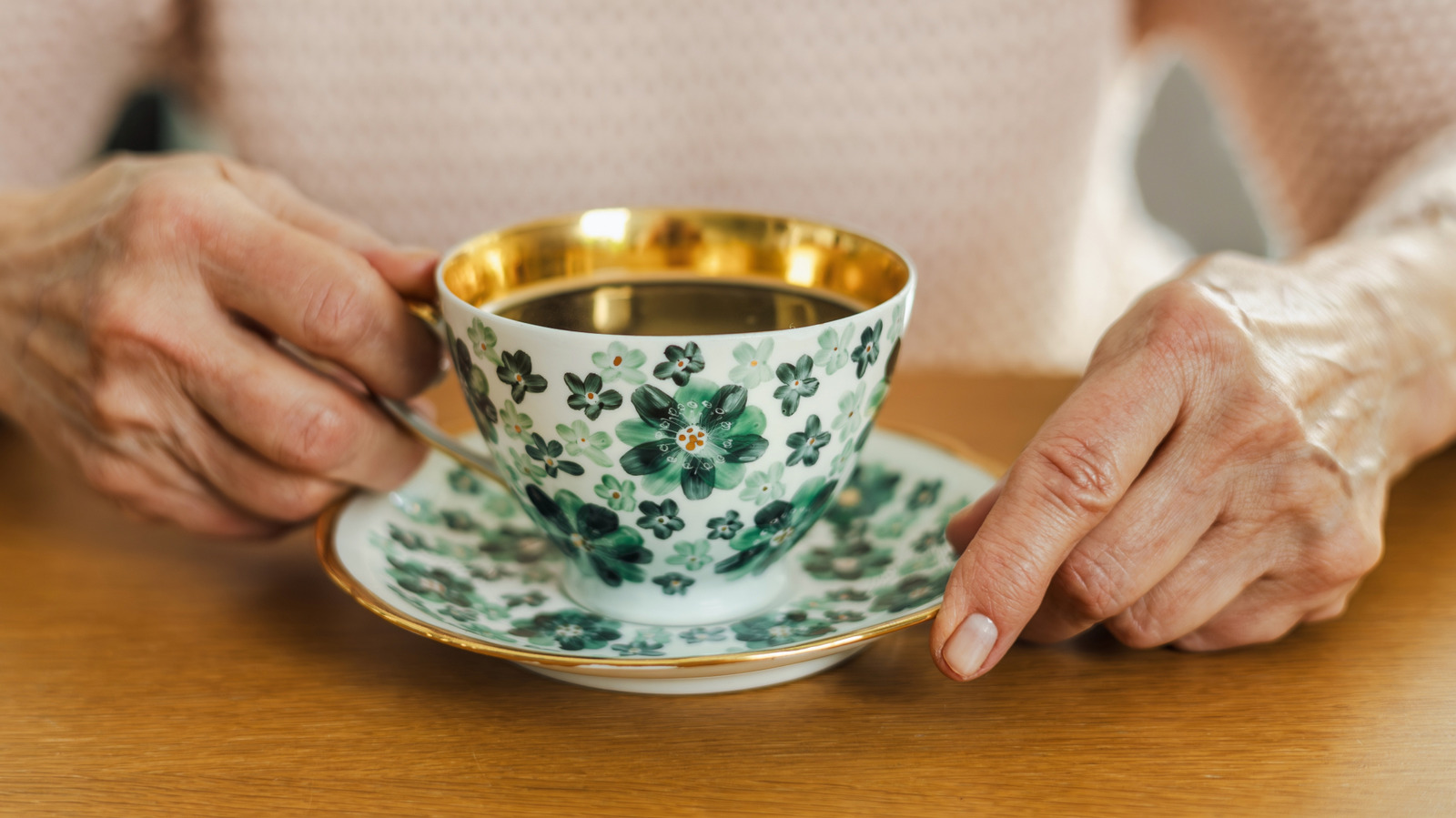
Long-term coffee drinking may be associated with a lower risk of developing dementia and more favorable cognitive health outcomes, according to a long-running analysis involving more than 130,000 people. The study, published online Feb. 9 in JAMA, found that among both men and women, people in the highest quartile of caffeinated coffee consumption (2-3 cups per day or more) had an 18% lower risk of dementia compared with those who reported little or no caffeinated coffee consumption.
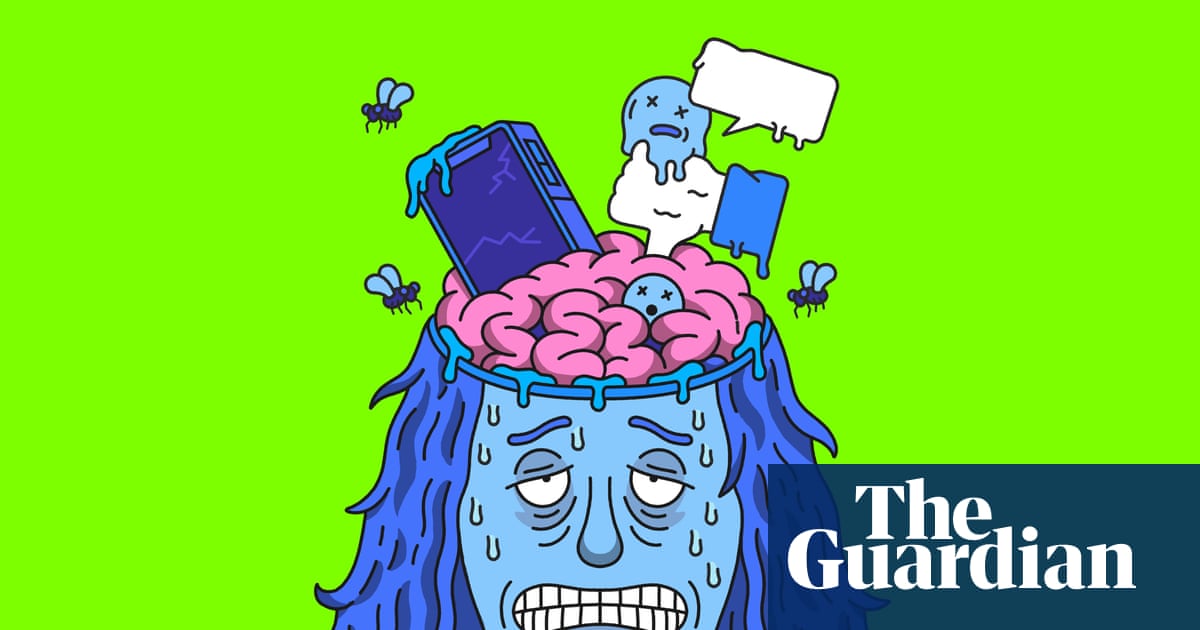
Dr Jared Cooney Horvath, a former teacher-turned-neuroscientist, revealed that the generation born between 1997 and the early 2010s has been cognitively stunted by their over-reliance on digital technology in school. Since records have been kept on cognitive development in the late 1800s, Gen Z is now officially the first group to ever score lower than the generation before them, declining in attention, memory, reading and math skills, problem-solving abilities, and overall IQ.
Former Hogan & Lovells partner turned White House special counsel (in the Trump I regime) Ty Cobb is back on the cable news circuit to make some biting comments about his former boss. Cobb left the hallowed halls of Biglaw to join the first Trump administration, but he quickly left. Since then, he's taken to the airwave with his signature facial hair with a folksy way of cutting through the right-wing BS.
As the days draw in and temperatures drop, sacking off work Christmas drinks in favour of a night in can seem like an appealing option. But avoiding socialising with your colleagues or friends could do you more harm than good in the long run, putting you at greater risk of developing Alzheimer's, according to scientists. They said their findings showed social interaction, such as Christmas drinks and family gatherings, can boost your cognitive health as well as your mental health.
My husband, Francisco - known as Pako - has always been professional, kind, and considerate to everyone. However, in the fall of 2020, I began to notice changes in his behavior, including skipping meals, struggling to find the right words in conversation, and difficulties managing his finances. I called him the human calculator because he had been in charge of our income and outgoings from before we got married in 2010, but all of a sudden, he would buy strange things.
Today the foundations of truth, and trust, are systematically eroded by a hybrid hurricane: artificial intelligence sophisticated enough to mimic reality, with human minds increasingly unable to discern the difference. Beyond the challenge of technology advancing faster than regulation, this is about dangerous synchronicity. AI's explosive capabilities collide with our own cognitive deterioration. We're navigating a hybrid tipping zone, where micro (agency decay), meso (AI mainstreaming), macro (race toward AI supremacy), and meta (planetary deterioration) forces mutually accelerate each other into an unprecedented crisis of trust.
The fact that he's, you know, mobilizing and starting his day at 12:08, per reporting from the New York Times, is concerning, Gupta said. Gupta also pointed to Trump's behavior when a pharmaceutical exec collapsed during an Oval Office event earlier this month. His response to somebody fainting in the Oval Office really conveyed that he didn't show any signs of concern. He didn't really do anything. He was slow to respond,
At a certain point, older folks occasionally develop a penchant for making verbal slurs, mental stumbles, rambling speeches, and confusing responses. They often claim that they have no memory of making those misstatements; they might not be lying. They may be experiencing the most common consequences of advanced age coupled with chronic obesity due to a poor diet. Mind-wandering, confusion, and a reduced ability to organize and focus thoughts are classic early symptoms of dementia.
AI models may be a bit like humans, after all. A new study from the University of Texas at Austin, Texas A&M, and Purdue University shows that large language models fed a diet of popular but low-quality social media content experience a kind of "brain rot" that may be familiar to anyone who has spent too long doomscrolling on X or TikTok.
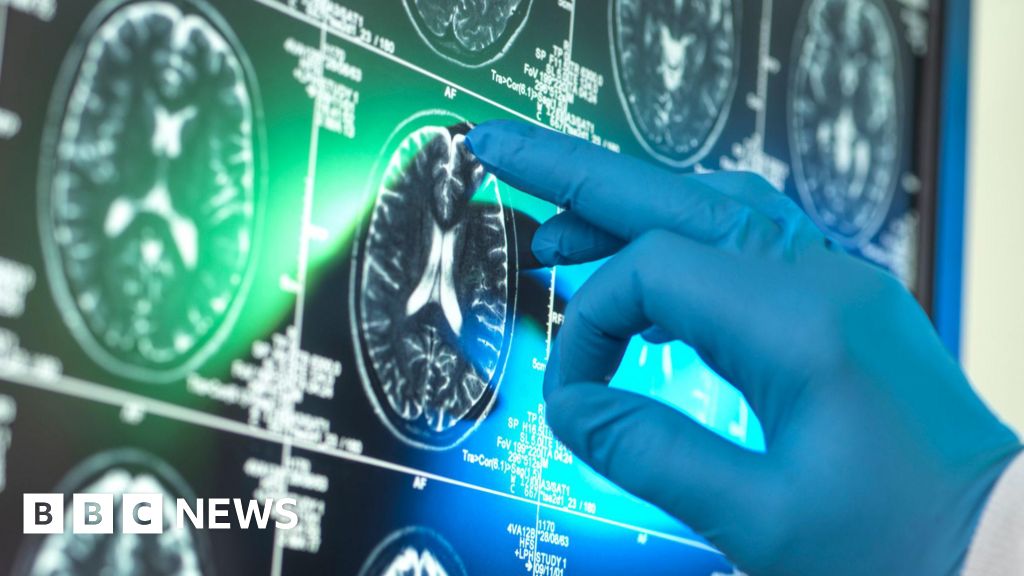
Experts are finding that the best way to understand how the brain ages is not by examining individual parts, but by studying its overall structure and how its different regions interact with one another. In a large study, researchers from Irvine, California and Tenerife, Spain, used brain scans to measure these shape changes. They discovered that as people age, the brain does not shrink evenly. Instead, it changes shape in specific ways.
Imagine there is a tech device that will substantially decrease your chances of developing dementia or Alzheimer's disease? Would you be interested in using that device? Such a tech device exists-an anti-dementia device. If you want it to be effective, you should start using it early to prevent the risks of dementia. Use it before you show any signs of cognitive decline or dementia-sooner is better. But there's even evidence that it can slow the rate of decline for people already displaying mild cognitive impairment.
"Instead of exercising this constitutional oversight duty, my Republican colleagues are holding this hearing. Apparently, armchair diagnosing former President Biden is more important than the issues of grave concern."
Ingraham then played a clip of Tapper on Monday, declaring, "She was right and I was wrong. I did not see, in the moments he was having, I did not see that as cognitive decline."