#cosmos-954
#cosmos-954
[ follow ]
#nasa #space-debris #space-exploration #starlink #blue-origin #spacex #artemis-ii #new-glenn #satellite-launch

fromSpiegel
6 days ago(S+) Defense in Orbit: Germany Goes Big in the Military Space Race
The German military also uses this airborne communications hub, which allows command staff and soldiers deployed abroad to communicate across continents. The information they share is classified, strictly confidential.
Germany news
fromwww.dw.com
1 month ago'Vulnerable' satellites guide the world and its wars
Signals from Global Navigation Satellite Systems are quite vulnerable. They are exceptionally weak, meaning that any radio noise near their frequency, accidental or malicious, can interfere with reception. I am confident that there are people in every government who understand the problem. The challenge is getting leadership to both understand and act to reduce the risk.
#artemis-ii



Science
fromLondon Business News | Londonlovesbusiness.com
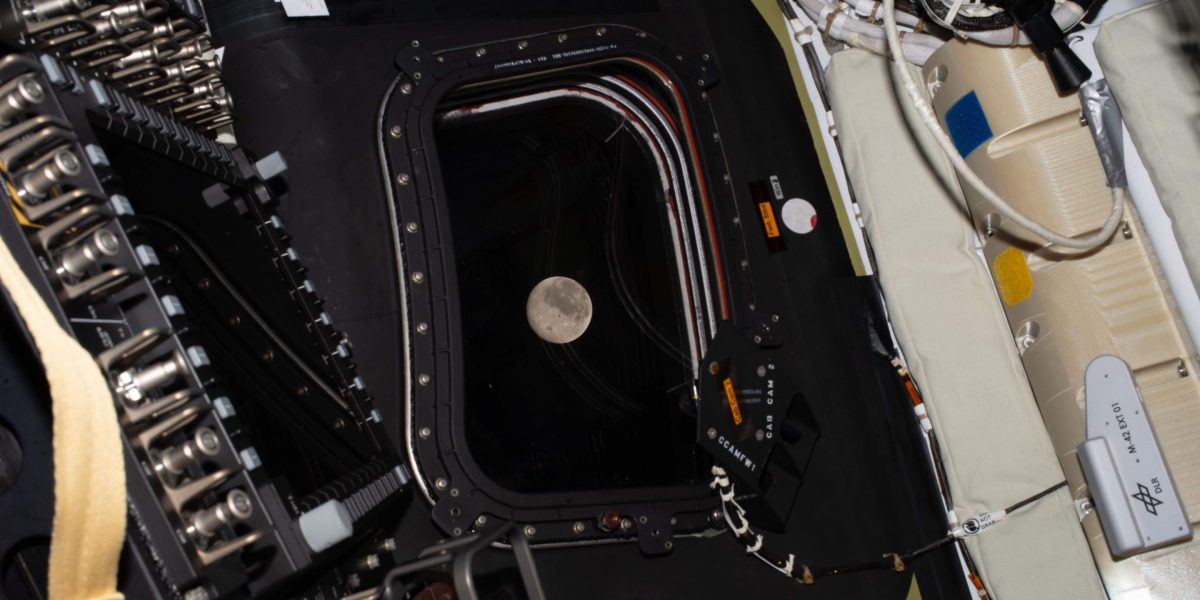
2 weeks agoArtemis II astronauts capture first-ever 'Earthrise' over Moon's far side - London Business News | Londonlovesbusiness.com
Astronauts aboard Artemis II captured the first photograph of Earth rising above the far side of the Moon, marking a historic achievement in space exploration.
Science
fromenglish.elpais.com
2 weeks agoArtemis 2 begins its return to Earth after exploring previously unseen areas of the far side of the Moon
Orion spacecraft lost contact with Earth during its mission, achieving significant milestones including record distance from Earth and witnessing a total solar eclipse.
from24/7 Wall St.
1 month agoWhat the CEOs of AST SpaceMobile and Globalstar are saying about the satellite industry today
We are the only company capable of delivering 4G and 5G and in the future, 6G broadband speed sufficient for voice calls, voice over LTE, live video calls, streaming, and full Internet access directly to unmodified devices. Simply put, we are the first company in the history of commercial satellite manufacturing to produce satellites of our size and power at scale.
Venture


fromTechRepublic
2 months agoRussian Satellites Accused of Shadowing Key European Orbital Assets
Russian "inspector" satellites are once again in the spotlight after evidence emerged that two spacecraft have been maneuvering unusually close to critical communications satellites in orbit, raising concerns across the wider tech and satellite industries about surveillance, signal interception, and the growing militarization of orbital infrastructure. According to defense and intelligence sources, the satellites, known as Luch-1 and Luch-2, have been conducting sustained proximity operations near European government and commercial satellites and are believed to be part of Russia's "inspector" satellite program.
World news


from24/7 Wall St.
2 months agoThe Space Infrastructure Builder Stumbles While the Launch Provider Burns Through Cash Faster
Redwire focuses on space infrastructure and autonomous systems. The company completed its Edge Autonomy acquisition and reported 50.7% year-over-year revenue growth. Management maintained full-year guidance of $320 to $340 million, and the book-to-bill ratio of 1.25 suggests demand is holding. But the business is bleeding cash with a net loss of $41.2 million in Q3, nearly double the $21 million loss from the prior year. Gross margin sits at just 16.3%, leaving almost no room for error.
Startup companies
Business
from24/7 Wall St.
2 months agoSatellite Infrastructure Stocks Surge as Orbital Economy Expands Beyond SpaceX's Shadow
Investors can access orbital-economy growth through public infrastructure plays like satellite IoT, emergency communications, lunar delivery, and small-launch services rather than SpaceX.
fromArs Technica
3 months agoThe first commercial space station, Haven-1, is now undergoing assembly for launch
The sprawling International Space Station is due to be decommissioned less than five years from now, and the US space agency has yet to formally publish rules and requirements for the follow-on stations being designed and developed by several different private companies. Although there are expected to be multiple bidders in "phase two" of NASA's commercial space station program, there are at present four main contenders: Voyager Technologies, Axiom Space, Blue Origin, and Vast Space.
Startup companies
#spacex

fromFast Company
2 months agoScience
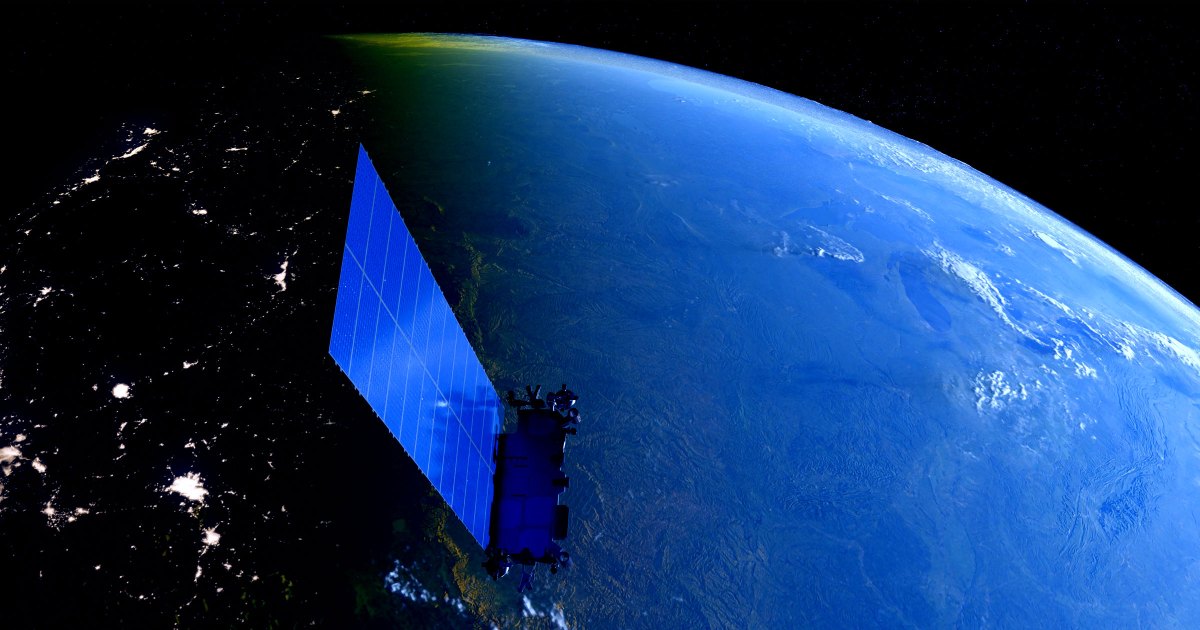
Elon Musk wants to put 1 million satellites in orbit. Can Earth handle it?
SpaceX has requested FCC permission to launch up to one million satellites, potentially creating orbital data-center constellations and massively increasing orbital congestion and environmental impacts.
World news
fromBreaking Defense
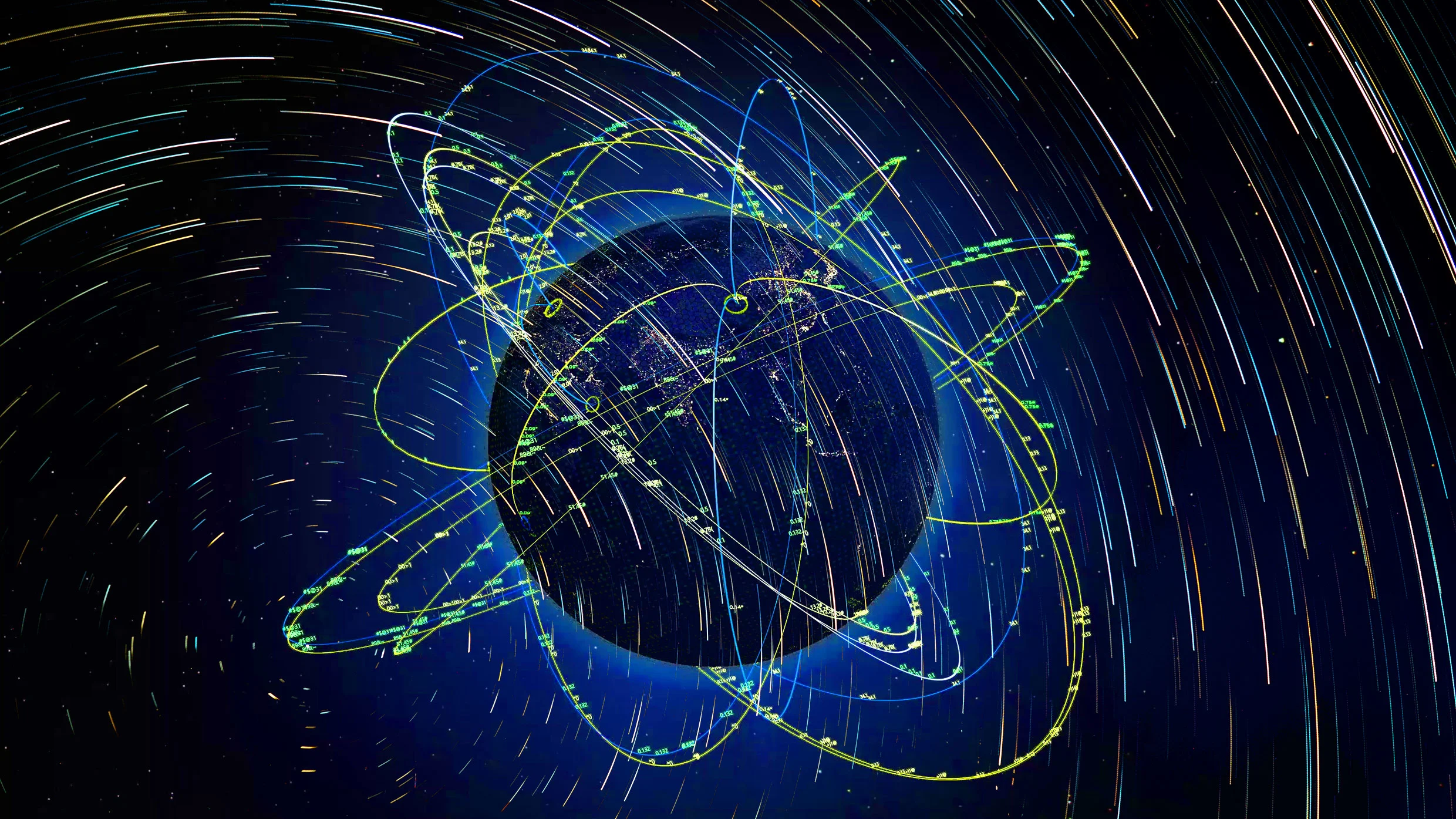
2 months agoNew UN forum seeks busting space traffic cooperation barriers - Breaking Defense
A UN expert group aims to improve international sharing of space situational awareness data to reduce collision risks and prevent misinterpretations that could trigger conflicts.
Science
fromwww.scientificamerican.com
1 month agoNASA space probe expected to reenter the atmosphere with a chance of raining debris
NASA's Van Allen Probe A is reentering Earth's atmosphere with a one-in-4,200 risk of debris harm to people, expected around 7:45 P.M. EDT with a 24-hour uncertainty window.
Science
fromsfist.com
1 month agoTuesday Morning Topline: Defunct NASA Probe to Crash Onto Earth, Likely Today
A NASA probe is reentering Earth's atmosphere with a 1 in 4,200 chance of harm, Berkeley schools face layoffs, YouTube expands AI deepfake detection, Jello Biafra recovers from stroke, St. Helena addresses brown tap water, DNC sues Trump administration over election security, and RFK Jr. undergoes rotator cuff surgery.

fromRadioFreeEurope/RadioLiberty
1 month agoRussian Space Agency Says It's Repaired Damaged Baikonur Launch Pad Ahead Of Schedule
The facility suffered a still unexplained mishap last November during the launch of a Soyuz capsule carrying two Russians and one American to the orbiting station. Officials said a component called a maintenance or service cabin failed to move out from under the blast of exhaust from the ascending rocket.
Science
Science
fromwww.scientificamerican.com
2 months agoThe largest-ever satellite of its kind just unfurled its wings in low-Earth orbit
AST SpaceMobile's BlueBird 6 deployed a roughly 2,400-square-foot communications antenna—the largest commercial communications array in low-Earth orbit—aiming to enable smartphone cellular broadband.
fromwww.theguardian.com
2 months agoFour new astronauts arrive via SpaceX rocket at International Space Station
The International Space Station (ISS) returned to full strength with Saturday's arrival of four new astronauts to replace colleagues who bailed early because of health concerns. SpaceX delivered the US, French and Russian astronauts a day after launching them from Cape Canaveral. Last month's medical evacuation was Nasa's first in 65 years of human spaceflight. One of four astronauts launched by SpaceX last summer suffered what officials described as a serious health issue, prompting their hasty return.
Science
fromArs Technica
2 months agoAs data from space spikes, an innovative ground station company seeks to cash in
By the end of the year, Northwood, based in El Segundo, California, had shown the ability to build eight of these Portal arrays a month. And in January the company had deployed operational Portal antennas across two continents. These deployments, which comprise an area of 8 to 15 meters, have the equivalent capability of a 7-meter parabolic dish, said Griffin Cleverly, co-founder and chief technical officer of Northwood.
Science
fromArs Technica
2 months agoJapan lost a 5-ton navigation satellite when it fell off a rocket during launch
The eighth H3 rocket lifted off from Tanegashima Island in southern Japan on December 22, local time, carrying a roughly five-ton navigation satellite into space. The rocket was supposed to place the Michibiki 5 satellite into an orbit ranging more than 20,000 miles above the Earth. Everything was going well until the H3 jettisoned its payload fairing, the two-piece clamshell covering the satellite during launch, nearly four minutes into the flight.
Science
[ Load more ]