#dubai-expat
#dubai-expat
[ follow ]
#dubai #remote-work #digital-nomads #expat-life #relocation #uae #cost-of-living #immigration #regional-conflict

#relocation
fromwww.businessinsider.com
1 day agoMiami
I moved my family from Florida to Colombia. The lifestyle is affordable and we love the vibrant culture, but it's hard to adjust to the lack of urgency.
A family moved from Orlando to Medellin for safety and cultural reasons, prioritizing their children's well-being and embracing a new lifestyle.
fromIndependent
1 month agoLondon food
An Irish Goodbye... from Cairo: 'You'd be surprised how often you visit the pyramids when you actually live here'
A creative director from Northern Ireland relocated to Cairo in 2024 after experiencing an immediate emotional connection to the city's unique energy during a visit.
Miami
fromwww.businessinsider.com
1 day agoI moved my family from Florida to Colombia. The lifestyle is affordable and we love the vibrant culture, but it's hard to adjust to the lack of urgency.
A family moved from Orlando to Medellin for safety and cultural reasons, prioritizing their children's well-being and embracing a new lifestyle.

UK politics
fromLondon Business News | Londonlovesbusiness.com
2 days agoBritons are quietly repositioning and Gibraltar is moving into focus - London Business News | Londonlovesbusiness.com
British nationals are increasingly considering Gibraltar for relocation due to rising costs and a desire for a more manageable lifestyle.



fromLondon Business News | Londonlovesbusiness.com
4 days agoIndividuals fleeing the Gulf could be facing a hefty tax bill from HMRC - London Business News | Londonlovesbusiness.com
Many UK nationals working in the UAE, Kuwait, and Saudi Arabia are looking to return home. However, being in the UK increases the likelihood of being classified as a UK tax resident under the Statutory Residence Test (SRT).
UK news
fromwww.businessinsider.com
3 days agoI spent 24 hours flying Emirates' business class. The luxurious experience started long before I boarded the plane.
The experience would start before I even entered the airport. Shortly after booking the flight, I was prompted to book a private car service to pick us up from our house and take us to the airport.
London food
fromHowStuffWorks
3 days agoCheapest Golden Visa and Citizenship-by-Investment Options
Some buyers want a residence permit and eventual permanent residence in the European Union. Others want the cheapest citizenship, faster visa-free travel, or a place to obtain residency while they build a business.
Europe politics
#digital-nomads
Remote teams
fromBusiness Insider
1 month ago3 digital nomads in Bali share the career journeys that led them to the tropical paradise
Digital nomads relocate to Bali for affordable living, accessible visas, and lifestyle flexibility, often after career transitions seeking autonomy and meaningful work over corporate advancement.
fromLondon Business News | Londonlovesbusiness.com
4 days agoUK youth emigrating for better prospects - London Business News | Londonlovesbusiness.com
Departures among those aged 20-29 reached 130,000-140,000 in June 2025, significantly higher than pre-pandemic levels of around 92,000-95,000 in 2018, indicating a clear shift towards earlier migration.
UK politics
fromwww.theguardian.com
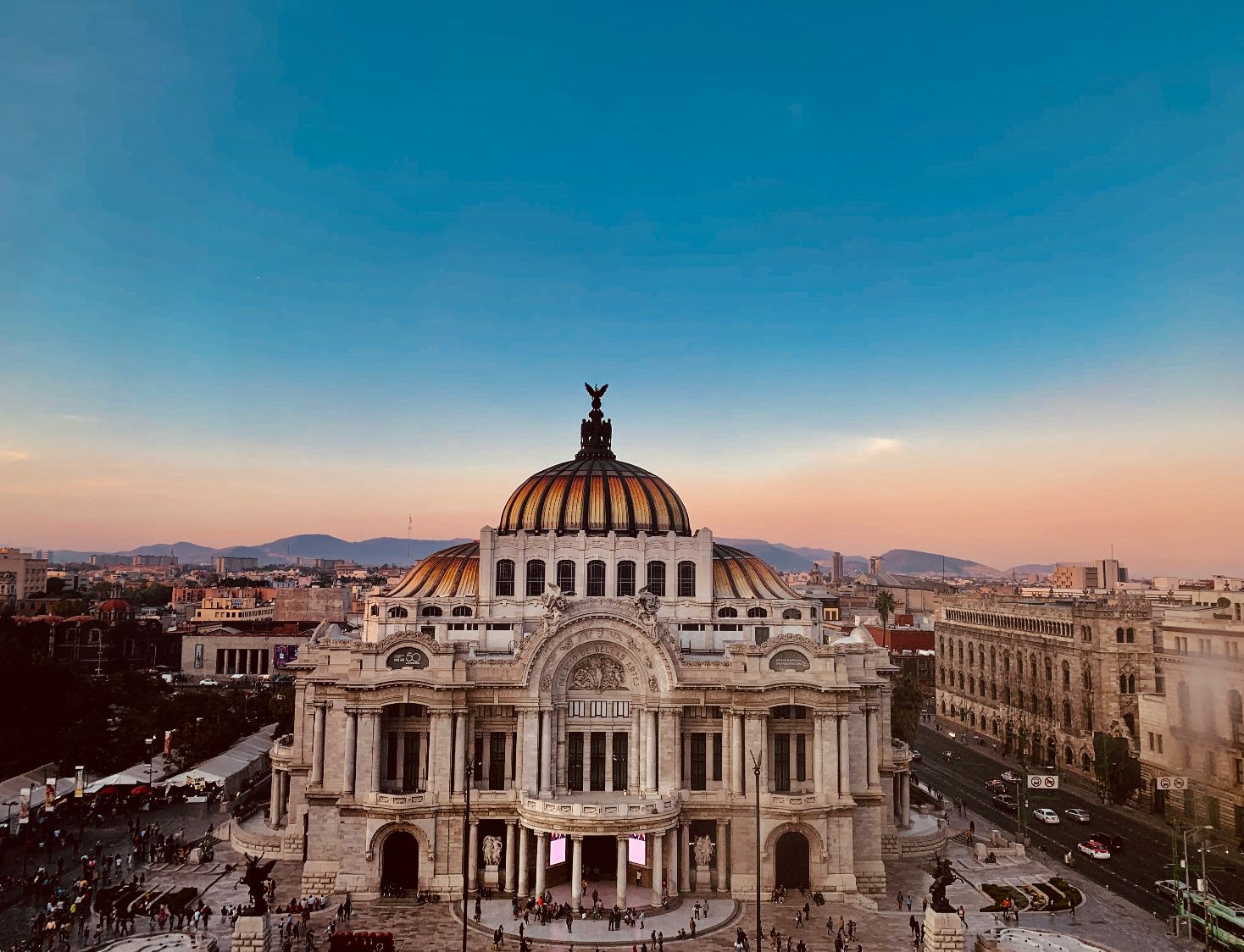
2 weeks agoExpat influencers sold Dubai to the world and were paid to look the other way. Now the dream is crumbling | Brigid Delaney
The lack of sympathy for Australian and British expats and influencers in Dubai has been curious, especially after their adopted home was bombed in the initial days of the war.
London politics
fromIndependent
1 week agoLeaving the UAE? These are the money mistakes you need to avoid
While wealthy and glamorous influencers try to convince their followers that their upwardly mobile lives in Dubai are just peachy, in reality, many young Irish teachers and nurses are wondering whether it's time to pack up and return home.
Retirement
fromwww.aljazeera.com
3 weeks agoHow important are the Gulf economies to the world?
The ongoing conflict between the US and Israel against Iran is creating significant challenges for Gulf Arab nations, which are already feeling the economic strain from rising tensions and instability in the region.
World politics
World news
fromLondon Business News | Londonlovesbusiness.com
1 week agoThe UAE's policies fuel serenity amid geopolitical uncertainty - London Business News | Londonlovesbusiness.com
The UAE's crisis management showcases efficiency and inclusivity, emphasizing support for expatriates and residents during recent disruptions.
Real estate
fromLondon Business News | Londonlovesbusiness.com
1 month agoDubai vs London: Why global investors are looking beyond traditional property markets - London Business News | Londonlovesbusiness.com
Dubai increasingly competes with London as a property investment destination, offering higher rental yields, investor-friendly conditions, and strong capital growth potential that appeal to globally mobile buyers.
fromLondon Business News | Londonlovesbusiness.com
1 month agoRelocation to Dubai from the United Kingdom - London Business News | Londonlovesbusiness.com
In the UK, income tax can reach 45%, corporation tax has climbed toward 25%, and dividend taxation further reduces net income. In Dubai, by contrast, personal income tax does not exist, and qualifying free-zone income may benefit from 0% corporate tax structures.
Miscellaneous
fromThe Atlantic
1 month agoDubai's Army of Influencers Gets Back in Line
Your boy is currently in the middle of World War III right now," the day trader Mike Babayan, who posts under the handle "Nitrotrades," said into his camera on February 28, a clip that garnered 1.1 million views on Instagram Reels. It was a departure from his usual fare of filming fancy sports cars and stock-trading strategies. Now "I am seeing a lot of people who are just, like, packing up and leaving altogether.
Social media marketing
World news
fromwww.theguardian.com
1 month agoThe shine has been taken off': Dubai faces existential threat as foreigners flee conflict
Dubai's reputation as a safe luxury destination has been severely damaged by Iranian missile strikes, causing mass exodus of residents and tourists amid ongoing regional conflict.
#uae-security
Miami food
fromBusiness Insider
1 month agoI've lived in the UAE for 17 years. I ran to the basement as missiles flew overhead - and I still feel safe.
A journalist in Dubai experiences missile attacks and emergency alerts reshaping daily life, yet maintains feelings of safety and gratitude for living in the UAE despite regional tensions.
Business
fromLondon Business News | Londonlovesbusiness.com
2 months agoDubai business setup in 2026: A strategic guide for foreign investors and entrepreneurs - London Business News | Londonlovesbusiness.com
Dubai's 2026 strategy focuses on economic integration, regulatory sophistication, and a 9% corporate tax regime, making jurisdiction choice and substance critical for investors.
Marketing
fromokmagazine.com
2 months agoThe Dubai Fashion Brand That Kept Showing Up and the Creator Strategy Behind It
Yamammi built a dense creator-driven UGC campaign to make Dubai-born Azari omnipresent by prioritizing aesthetic fit, relevance, and scalable native content over celebrity endorsements.
fromBusiness Matters
2 months agoExpatriates in Saudi Arabia: A New Chapter Under Vision 2030
Vision 2030 has reshaped several sectors across the Kingdom, with healthcare emerging as one of the most visible areas of progress. Today, millions of expatriates live and work in Saudi Arabia, many of them in specialized and highly skilled roles. To meet their needs, the country has expanded private healthcare services, raised regulatory standards, and opened the door to more advanced medical facilities, allowing foreign residents to access modern care locally rather than relying on treatment abroad.
Health
Real estate
fromwww.theguardian.com
2 months agoDubai sells itself': real-estate boom as entrepreneurs and fortune hunters arrive
Dubai's tax advantages, modern infrastructure and luxury property market are drawing wealthy professionals and billionaires, driving booming real estate commissions and business relocations.
fromEngadget
1 month agoUber previews its Dubai air taxi service
The experience of booking an air taxi will be much like reserving a four-wheeled Uber. In the app, after entering your destination, Uber Air will appear as an option for eligible routes. The Uber app will book a flight and an Uber Black to pick you up and drop you off at a Joby "vertiport."
Alternative transportation
fromFortune
2 months agoIn 2026, it's time for CEOs to rethink HQs and look to Dubai's playbook for growth | Fortune
The old playbooks for business growth are proving less effective in today's rapidly shifting economic landscape. What actually works now, instead? As CEO of TECOM Group, the developer of Dubai's 10 most vibrant business districts across six priority economic sectors, I've witnessed firsthand how diversification and agile strategies, particularly through purpose-built ecosystems, have become essential for sustainable growth. Today's economic landscape is shifting at a pace that requires businesses to respond with agility, adjusting once-reliable growth and expansion strategies to diversify and stimulate growth.
Business
fromwww.aljazeera.com
1 month agoWhere do the 35 million foreigners living in the GCC come from?
Generations of foreign workers in the GCC countries have significantly contributed to the workforce, including labourers, construction workers, household staff, security personnel, and cleaners, all vital to building the modern infrastructures that Gulf nations are known for. Millions consider the Gulf their home, despite holding nationalities from other countries.
World news
Digital life
fromWorld Wild Schooling
1 month agoFrom Island Paradises to Cultural Capitals, These Nations Are Rolling Out Digital Nomad Visas To Attract Remote Workers
Digital nomad visas enable remote workers to legally live and work in foreign countries, with Greece and Germany among 12 countries offering such programs with varying requirements and benefits.


Real estate
fromSocial Media Explorer
2 months agoShaher Moh'd Ali Awartani Abu Dhabi: A Visionary Leader Driving Sustainable Growth Across Sectors - Social Media Explorer
Shaher Moh'd Ali Awartani Abu Dhabi advances Abu Dhabi's infrastructure and investment through disciplined, diversified, sustainable projects across construction, private equity, and hospitality.
World news
fromBusiness Insider
1 month agoThey moved to Dubai in pursuit of the expat dream. They're not giving it up so easily.
Despite recent Middle East tensions from US-Israel strikes on Iran, expats in Dubai remain committed to staying, citing career opportunities, safety measures, and improved quality of life.
World news
fromwww.theguardian.com
1 month agoWhy some British expats in Dubai insist it's business as usual despite Iran war
UAE leadership conducted a public appearance at a Dubai mall amid regional tensions following Iranian airstrikes that killed at least three people and injured up to 68, while expat communities faced restrictions on sharing information about the incidents.
fromLondon Business News | Londonlovesbusiness.com
1 month agoProtecting and defending your business from attack, UAE Style - London Business News | Londonlovesbusiness.com
But what wonderful hospitality am I and thousands of others receiving as the UAE is battered daily by dozens of killer Iranian missiles and suicide drones, aimed indiscriminately at civilian, economic and military targets. Not only is life here still comfortable and as close to normal as it possibly can be with warheads gate-crashing breakfast at Mach 5 (3,300 mph), but our generous hosts are picking up the tab.
World news
World news
fromConde Nast Traveler
2 months agoQatar Just Launched a 10-Year Golden Visa for Entrepreneurs and Executives
Qatar launched a 10-year renewable residency program with two five-year pathways for entrepreneurs and executives, each with defined financial, nomination, and benefit requirements.
fromTravel + Leisure
2 months agoThis Middle Eastern Destination Is the Most Exciting Art City Right Now-With World-Class Museums and a New Art Fair
Five bronze towers soar 400 feet above Saadiyat Island, the ever-expanding cultural district just off the coast of Abu Dhabi. The structures-which recall the wings of a falcon, a highly prized symbol in the United Arab Emirates-are the architectural signature of the Zayed National Museum, which opened in December. Two weeks before, another vastinstitution, the Natural History Museum, debuted. They will be followed later this year by the most ambitious of all-the late Frank Gehry's Guggenheim Abu Dhabi.
World news
[ Load more ]