#earth-setting
#earth-setting
[ follow ]
#climate-change #sustainability #renewable-energy #earth-day #biodiversity #environmental-impact #fossil-fuels

fromwww.bbc.com
1 day agoFuel rations and free buses: How countries have responded to rising oil prices
The International Energy Agency (IEA) says it is the 'largest supply disruption in history'. With the disruption expected to have a lasting impact on prices, governments around the world have introduced measures to limit the impact on consumers and the economy.
Europe news
World politics
fromHigh Country News
23 hours agoWar, climate change and AI are at stake at the 2026 UN Indigenous forum - High Country News
Indigenous delegates face significant challenges at the UN, including visa restrictions, climate change, and rights violations amid a focus on health and survival.


fromwww.theguardian.com
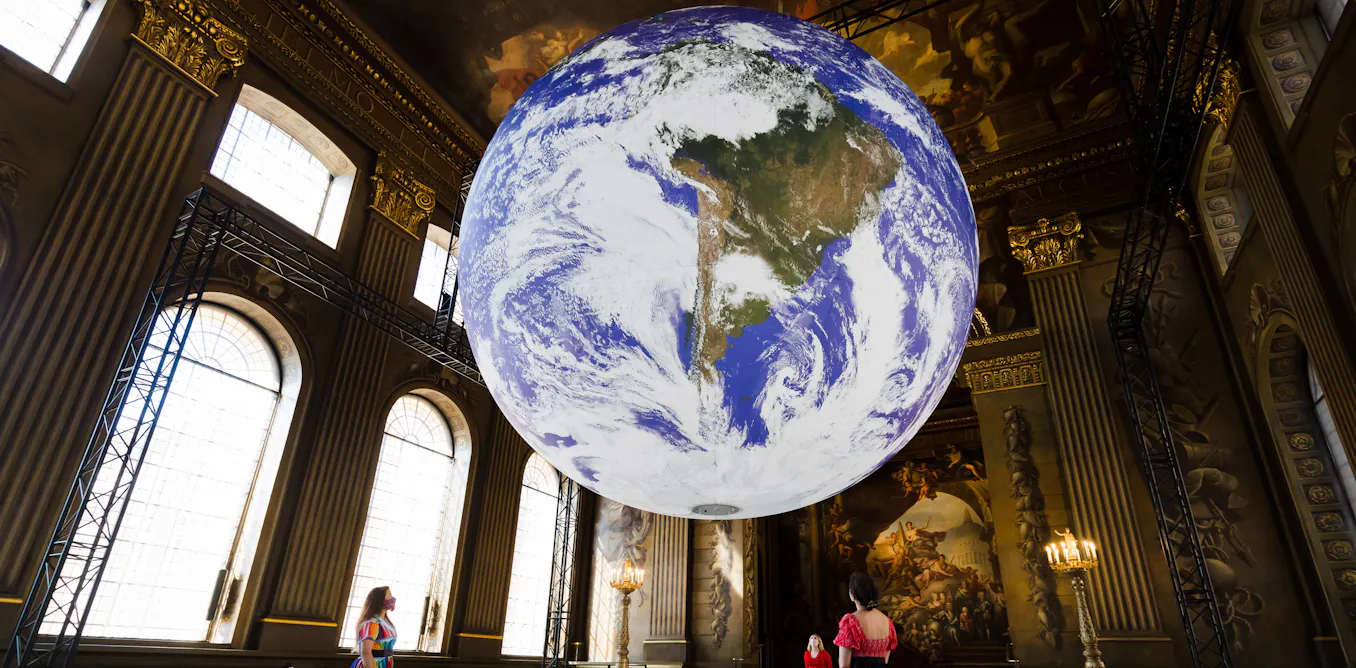
8 hours agoClean energy generation exceeded rise in global electricity demand in 2025
Aditya Lolla, managing director of Ember, stated: 'We have firmly entered the era of clean growth. Clean energy is now scaling fast enough to absorb rising global electricity demand, keeping fossil generation flat before its inevitable decline.'
Environment
fromwww.theguardian.com
12 hours agoClimate groups sue US government over approval of new BP project in Gulf of Mexico
The Trump administration has teed up the entire Gulf region for a Deepwater Horizon sequel with its approval of BP's extremely risky ultra-deepwater drilling project, said Brettny Hardy, senior attorney at Earthjustice, one of the groups.
Environment
fromHigh Country News
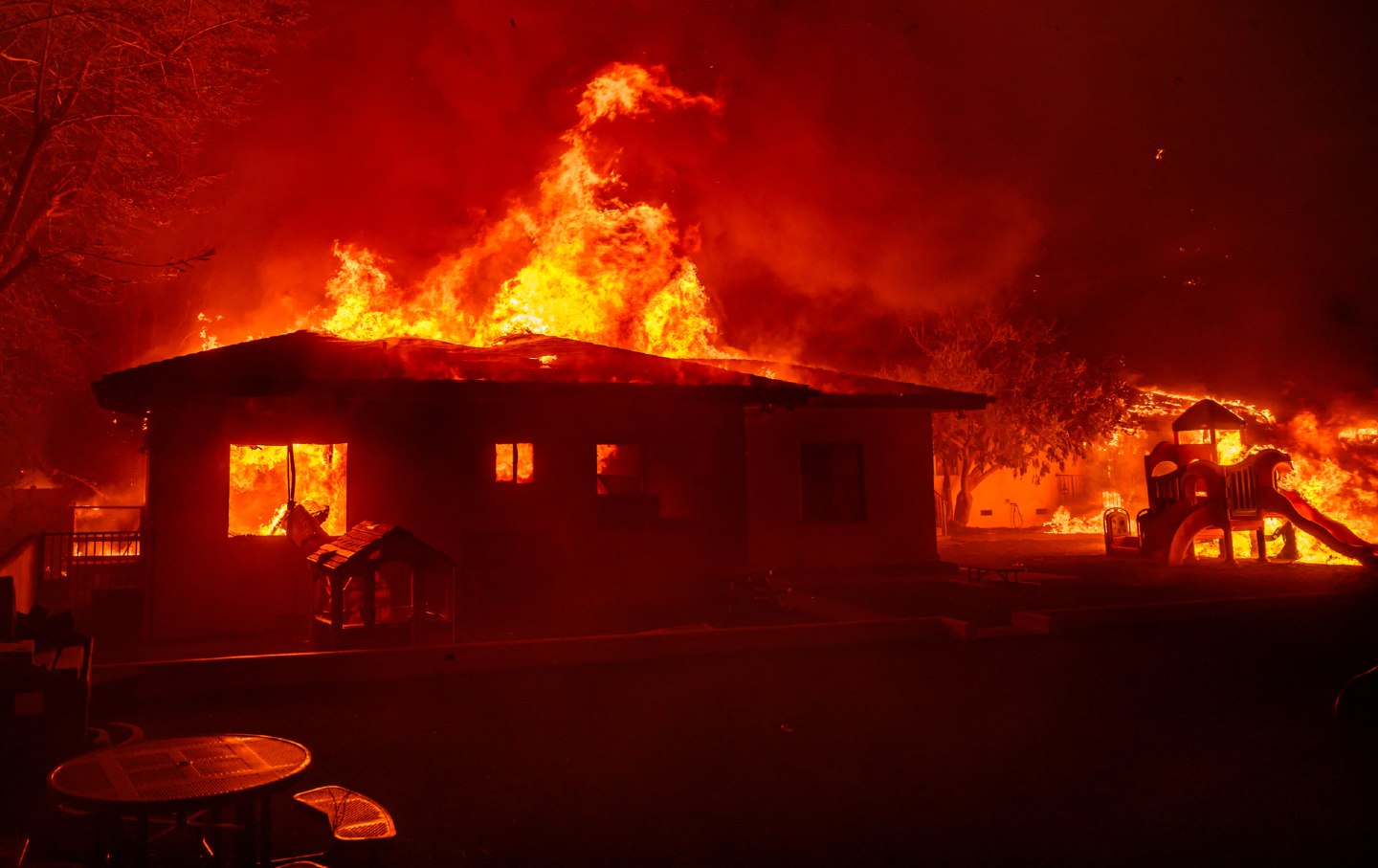
23 hours agoWildfires make soil poisonous - High Country News
Researchers have known since at least 2008 that wildfires can create chromium-6, but a new study, published in the journal Environmental Science and Technology in November, is the first to report details such as how long it might persist in groundwater.
Environment
fromNextgov.com
6 days agoCitizen Science Month 2026 Is about more than just stargazing
Citizen Science Month is built around a goal of 2.5 million 'Acts of Science,' tying the annual event to America's 250th birthday through a simple but powerful idea: lots of small contributions can add up to something really meaningful.
OMG science
fromFortune
12 hours agoData centers now account for half of all new U.S. electricity use, just as Americans start to sour on AI | Fortune
Data centers accounted for around 50% of all electricity demand growth in the U.S. last year, according to the IEA, far surpassing the rise in electricity usage in the residential, industrial, and transport sectors.
Environment
fromwww.kaltblut-magazine.com
1 month agoThe Climate Crisis
At a young age, I learned quickly how oil wealth and power could burn the land while people struggled. I saw heat rise off the streets, the Nile strained, and the air thickened with injustice. In my teenage years, through Aotearoa, being on the edge of the Pacific, I felt the ocean breathing heavy, swallowing the shores of islands that have done the least to cause this harm.
Photography
Agriculture
fromEarth911
1 month agoConvenience Comes at the Environment's Expense
Fast delivery convenience carries significant environmental costs through packaging waste, carbon emissions, and resource consumption, but individual yard management choices can meaningfully reduce environmental impact at a local scale.
fromFast Company
2 weeks agoSee it: Air temperatures and pollution around the world are captured in real time in these animated weather maps
We created Earth in Action to provide a lens into what's happening on our planet, as it happens. Whether it's something typical, like the current air temperature, or an extreme event like a major dust storm, we wanted to provide an opportunity for people to see them.
OMG science

Environment
fromwww.mercurynews.com
1 month agoOpinion: AI is destroying our planet. We must act to check its growth and save ourselves.
AI's environmental impact is severe, with 2025 freshwater consumption exceeding global bottled water use and projected energy demands by 2034 matching India's entire consumption, requiring immediate action.
fromwww.dw.com
2 months agoThe business of saving nature
The world spends 30 times more money destroying nature than protecting it. That's according to a new report from the United Nations Environment Programme (UNEP) that exposes a massive gulf between so-called "harmful investments" and financing that promotes nature preservation. The global environment agency's latest "State of Finance for Nature" (SNF) report is calling to phase out the US$7.3 trillion (6.2 trillion) in global investments that damage nature including into high-emissions energy infrastructure and manufacturing, for example.
Environment
[ Load more ]