#ecommerce-fraud
#ecommerce-fraud
[ follow ]
#cybersecurity #ai #data-breach #fraud #vulnerabilities #phishing #meta #generative-ai #social-engineering #scam-ads
#artificial-intelligence


#meta



EU data protection
fromTNW | Meta
1 day agoMeta sued over scam ads on Facebook and Instagram as internal documents reveal $16 billion in projected fraud revenue
Meta faces multiple lawsuits alleging it profited from scam ads on its platforms, projecting $16 billion in revenue from fraudulent advertising in 2024.
Cryptocurrency
fromLondon Business News | Londonlovesbusiness.com
21 hours agoWhat UK gamblers gain from open banking in online casinos: Insights from CasinoWizard - London Business News | Londonlovesbusiness.com
Open Banking enhances UK online gambling with faster deposits, smoother identity checks, and improved security by eliminating card details.
#cybersecurity

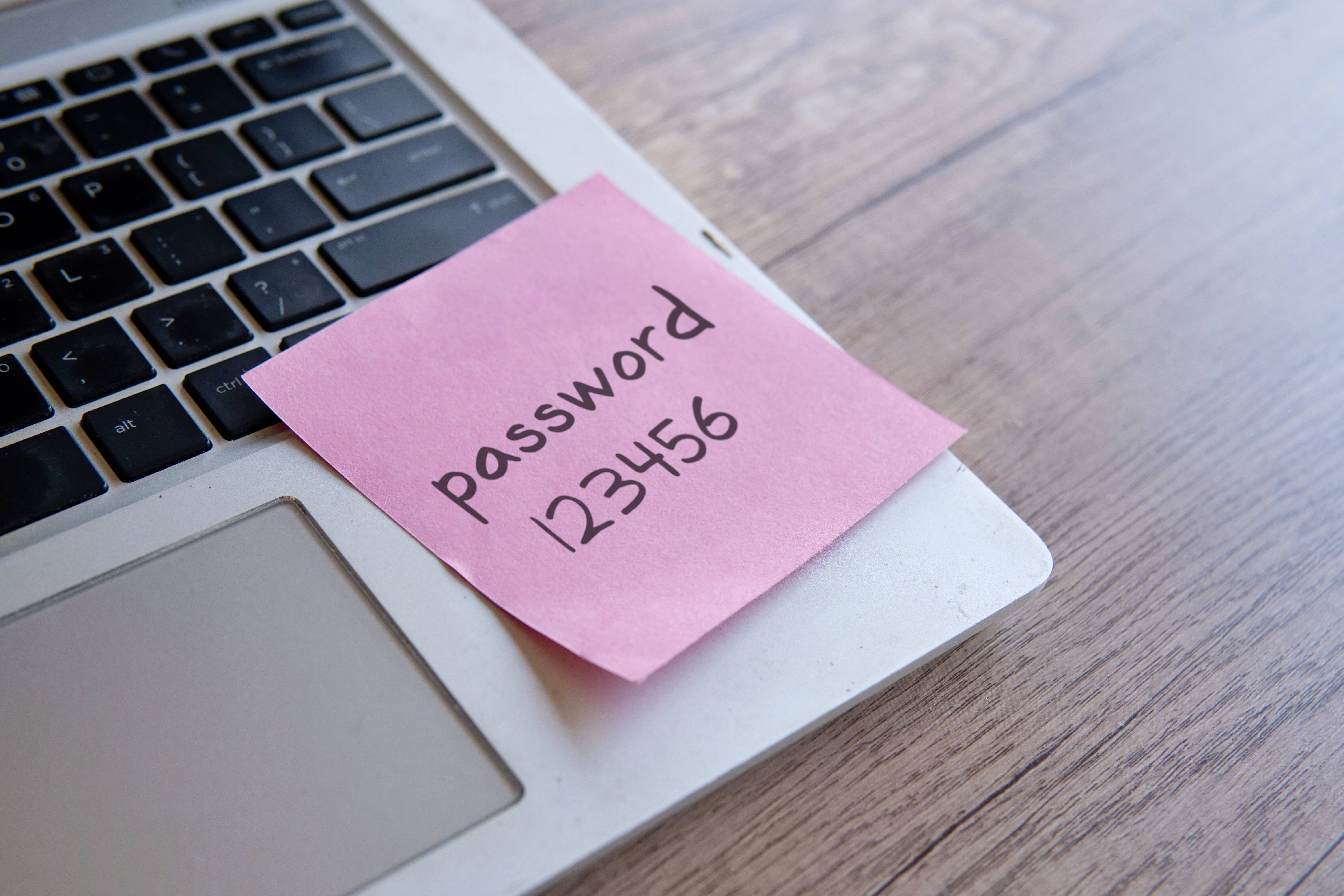
Information security
fromTechRepublic
19 hours agoHackers Impersonate IT Help Desk on Microsoft Teams to Gain Access, Steal Data
Hackers are increasingly using social engineering on Microsoft Teams to gain unauthorized access by impersonating IT support.
Information security
fromThe Hacker News
2 days agoNo Exploit Needed: How Attackers Walk Through the Front Door via Identity-Based Attacks
Stolen credentials remain the primary entry point for attackers, despite advancements in cybersecurity.

#ai


Artificial intelligence
fromwww.cbc.ca
1 day agoAnthropic's latest AI model is sparking fears from cybersecurity experts and the banking sector. Here's why. | CBC News
Mythos, Anthropic's advanced AI model, poses cybersecurity risks by uncovering vulnerabilities faster than they can be fixed.
Marketing tech
fromAol
2 days agoHow AI is reshaping brand visibility: What businesses need to know
AI is transforming brand visibility by prioritizing content clarity, verification, and selection over traditional ranking methods.
fromCointelegraph
2 days agoFake Police Raid Scam Forces Victim to Send $1M in Bitcoin
The French case illustrates how attackers used a fake police raid and violence to force a Bitcoin transfer worth $1 million, bypassing encryption entirely by compelling the victim to authorize the transaction.
Cryptocurrency



Information security
fromThe Hacker News
1 month agoClaude Code Security and Magecart: Getting the Threat Model Right
Magecart attacks hide malicious code in dynamically loaded third-party assets and EXIF metadata, bypassing repository-based static analysis tools like Claude Code Security because the code never enters the source repository.
[ Load more ]