Germany news
fromwww.dw.com
15 hours agoRecord fuel prices: How are governments responding?
Governments worldwide are implementing various measures to combat record fuel prices amid significant increases due to geopolitical tensions.
Chancellor Rachel Reeves stated that delinking electricity and gas prices is necessary, as high gas prices currently inflate electricity costs despite unchanged production costs. This change is essential as electricity becomes a larger part of the energy mix.
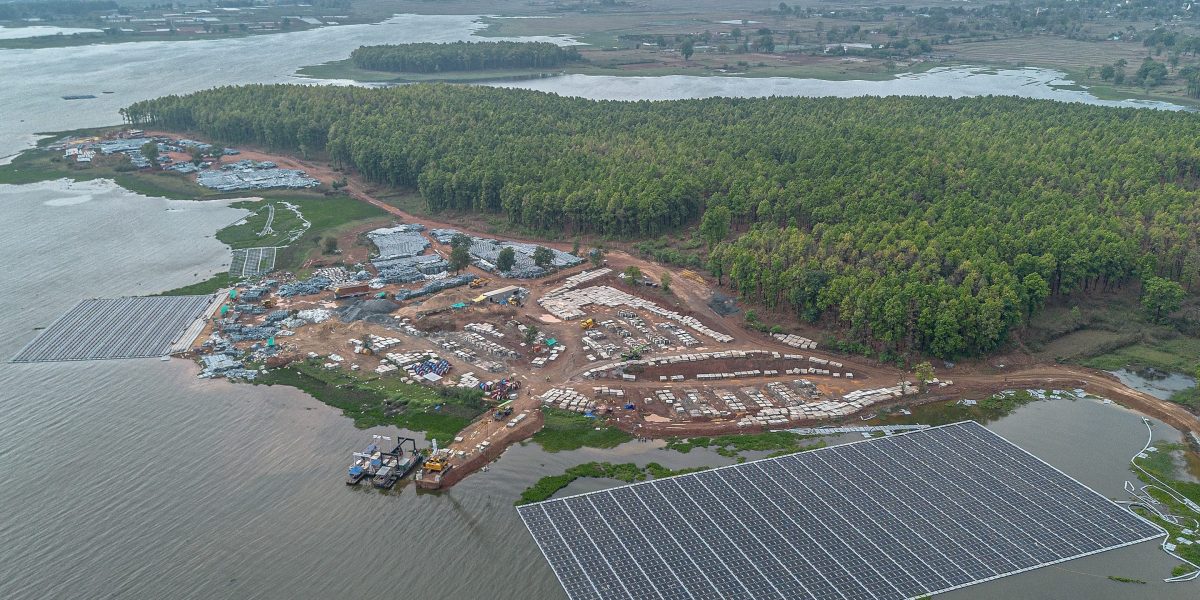
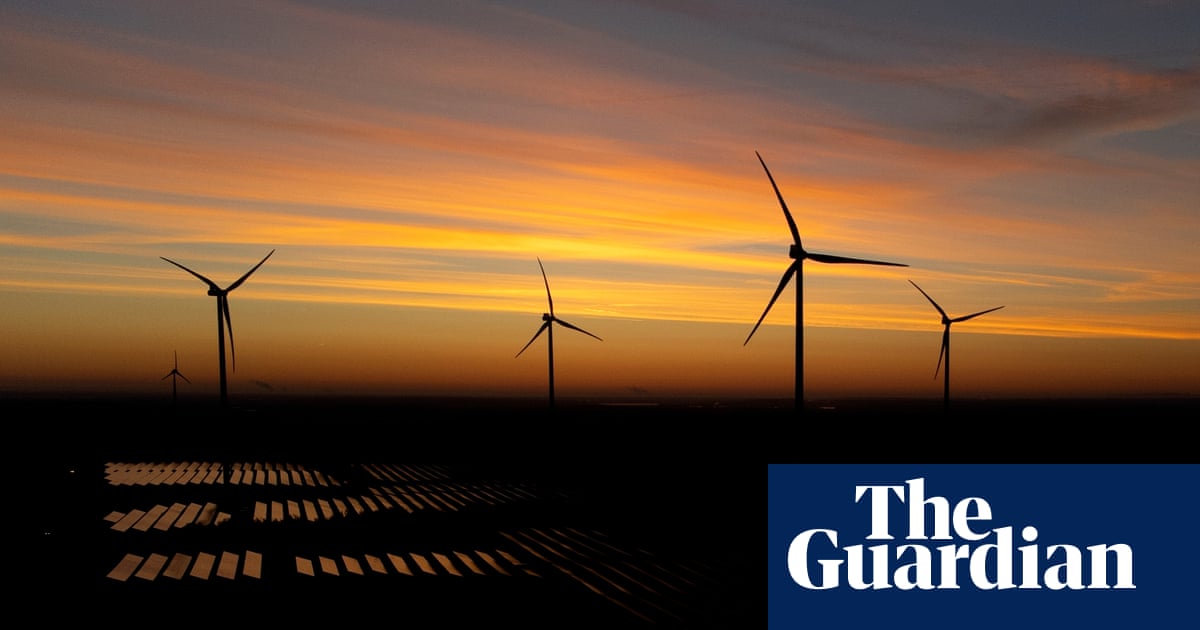
The village deliberately chose to spend solar income on welfare rather than individual dividends, a decision Jeon says residents made themselves rather than being persuaded. If you divide money as individual income, people feel disconnected.
One of the key reasons for India's withdrawal appears to be the steadily declining relevance of COP in driving meaningful global climate action. The complete erosion of trust among countries at the Belem summit in Brazil, where several nations reneged on previously agreed commitments, seems to have contributed significantly to this decision.
In Europe, we have maybe six weeks or so (of) jet fuel left. If we are not able to open the Strait of Hormuz ... I can tell you soon we will hear the news that some of the flights from city A to city B might be canceled as a result of lack of jet fuel.
At a young age, I learned quickly how oil wealth and power could burn the land while people struggled. I saw heat rise off the streets, the Nile strained, and the air thickened with injustice. In my teenage years, through Aotearoa, being on the edge of the Pacific, I felt the ocean breathing heavy, swallowing the shores of islands that have done the least to cause this harm.
The overarching message of The Economics of Climate Change: The Stern Review was that failing to invest in mitigating climate change would exact an alarmingly high price, estimated between 5% and 20% of global GDP per year.
as the EU's climate advisory board urges countries to prepare for a catastrophic 3C of global heating. Maarten van Aalst, a member of the European Scientific Advisory Board on Climate Change (ESABCC), said the continent was already paying a price for its lack of preparation but that adapting to a hotter future was in part common-sense and low-hanging fruit. It is a daunting task, but at the same time
Because the past three years have shattered temperature records, researchers have been exploring whether global warming is accelerating, and if so, why. Many scientists agree that the rate at which it is increasing has picked up. This is mainly because of a reduction in air pollution following the introduction of fuel regulations for international shipping (which has resulted in fewer pollutant particles that reflect sunlight into space and seed insulating clouds).
The UN-run market allows companies and countries to offset their excess emissions by financing projects that cut greenhouse gases in other nations. The new initiative involves a clean cooking project in Myanmar, which distributes efficient cookstoves that reduce pressure on local forests. Implemented in partnership with a South Korean company, the project will generate credits that will count towards the climate targets of South Korea and Myanmar.
But as this nascent field grapples with questions of legitimacy, scalability, and accountability, a critical challenge remains: How do we build the infrastructure needed to track, verify, and certify that carbon has actually been removed and stays removed? Meet Hannes Junginger-Gestrich, CEO of Carbonfuture, a company helping define the monitoring, reporting, and verification (MRV) infrastructure that could transform carbon removal from scattered efforts into a functioning ecosystem.