#foodborne-bacteria
#foodborne-bacteria
[ follow ]
#food-safety #public-health #food-recall #e-coli-outbreak #bacterial-contamination #foodborne-illness
fromBoston.com
18 hours agoAlpha-gal syndrome, the meat allergy linked to ticks, is back in Mass. Here's what to know.
Alpha-gal syndrome is an emerging public health concern in Massachusetts, driven by the northward spread of the lone star tick, which is most commonly associated with the condition.
Coronavirus
#food-safety


Food & drink
fromTasting Table
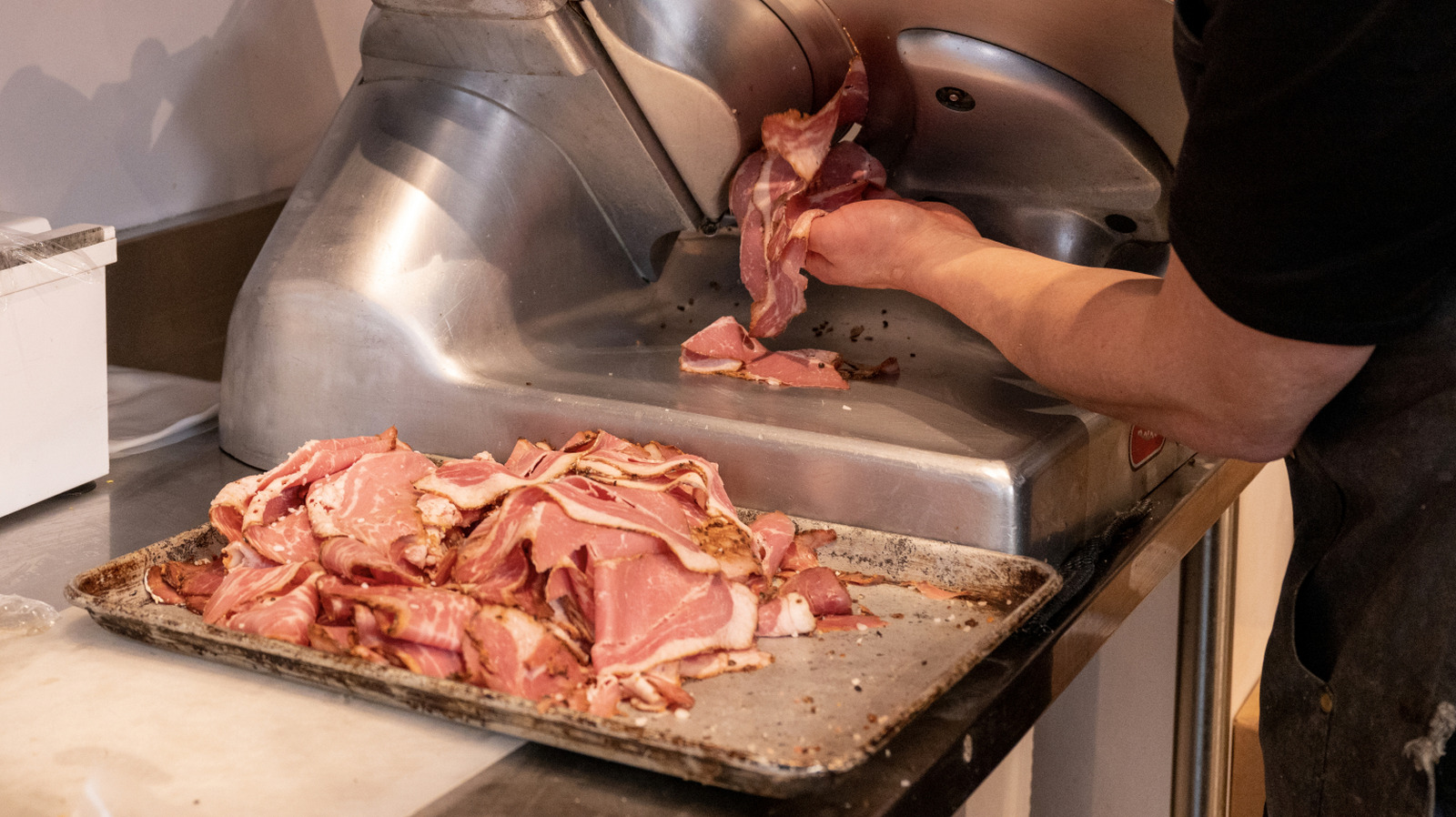
1 month agoThis Subtle Red Flag At A Deli Could Signal Bigger Food Safety Issues - Tasting Table
Listeria monocytogenes contamination in deli meat results from inadequate food safety practices, particularly damaged slicers that harbor bacteria in crevices and degraded seals.
Berlin food
fromTasting Table
1 month agoThe One Container You Should Never Use For Raw Meat, According To A Food Scientist - Tasting Table
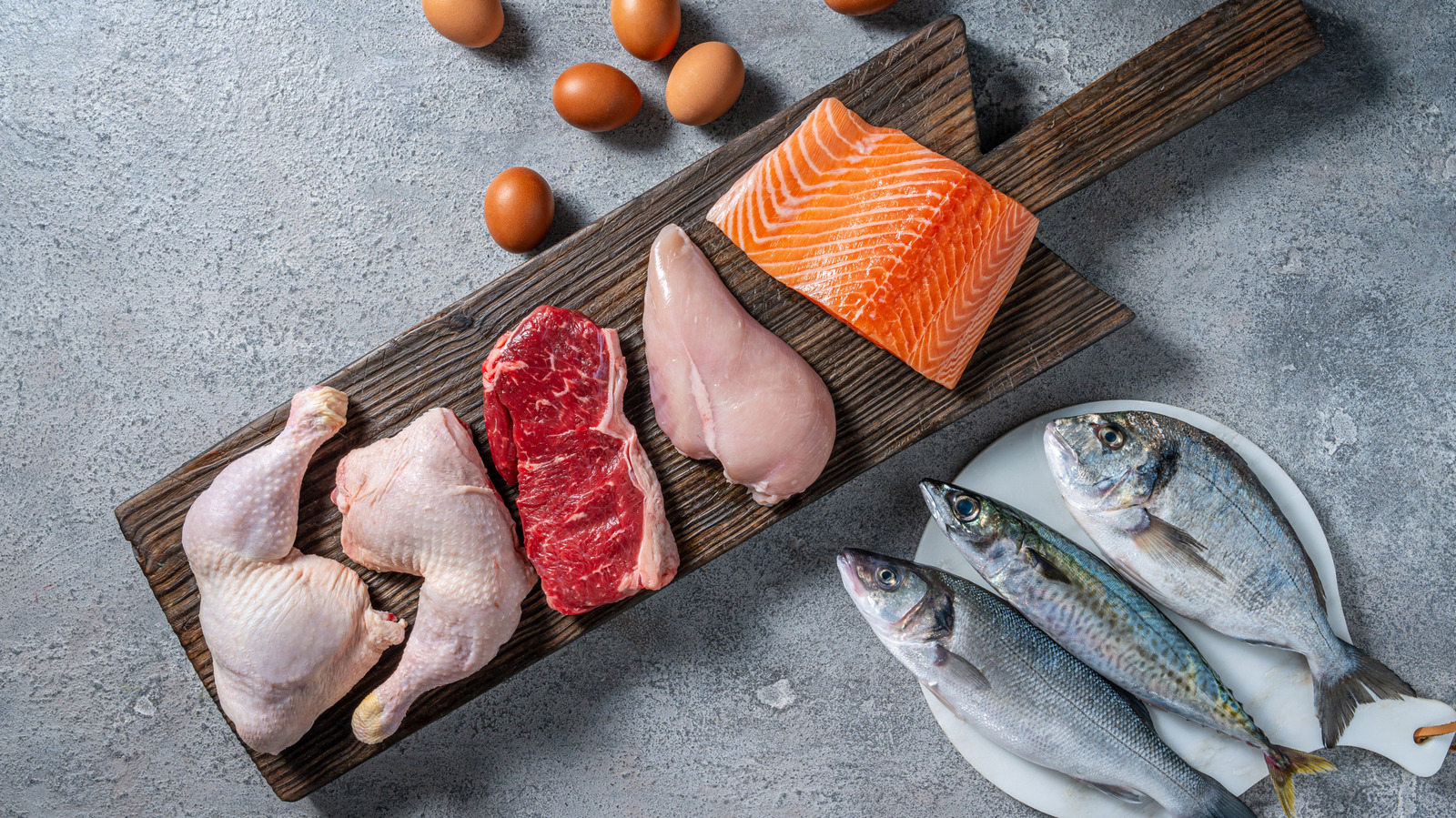
Plastic food storage containers are porous and harbor bacteria more readily than glass or stainless steel, making them less safe for storing raw meat and other foods.


fromwww.scientificamerican.com
1 month agoFirst-of-its-kind vaccine protects children from deadly intestinal infections
In children below the age of five, whose immune systems are still developing, the infections can lead to malnourishment; they cause up to 42,000 deaths annually. Soon there may be a vaccine to protect against these infections. In the Lancet Infectious Diseases last month, scientists shared the results of the first study to evaluate the safety and efficacy of an ETEC-controlling vaccine in a large pediatric population in Gambia.
Public health
#food-recall
SF food
fromCbsnews
1 month agoRaw oysters and clams recalled in 9 U.S. states over possible norovirus contamination
Federal officials recalled clams and oysters from nine states due to norovirus contamination risk, with products harvested in February and March appearing normal despite potential illness.


SF food
fromCbsnews
1 month agoRaw oysters and clams recalled in 9 U.S. states over possible norovirus contamination
Federal officials recalled clams and oysters from nine states due to norovirus contamination risk, with products harvested in February and March appearing normal despite potential illness.

fromTasting Table
1 month agoShould You Remove Raw Meat From Its Packaging Before Storing? - Tasting Table
According to the United States Department of Agriculture (USDA), all ground meat, as well as poultry (even those with longer expiration dates) should be used or frozen within the first 48 hours of coming home from the store. Raw steaks, pork chops, and roasts can go a bit longer, at three to five days.
Miscellaneous


fromNature
2 months agoDaily briefing: Why 'harmless' germs can be deadly for some people
DNA variants near a gene called MSRB3 - which is important for hearing in humans - could determine whether a dog's ears are pendulous like a basset hound's or stubby like a rottweiler's. Researchers analysed the genomes of thousands of canines and found that small, single-letter changes to DNA in a region of the genome near MSRB3 could boost the gene's activity. The boost can increase the rate at which ear cells proliferate, resulting in longer ears.
Science
fromwww.aljazeera.com
1 month agoIs our food making us sick?
From ultra-processed foods to hidden chemicals, we ask whether what's on our plates is making us ill. From ultra-processed foods to chemicals linked to cancer and chronic disease, this episode unpacks what's really inside everyday supermarket products. We examine how mass production and convenience culture reshaped our diets, why some ingredients are banned in parts of the world but legal elsewhere, and what FDA-approved actually means.
Food & drink
Public health
fromInsideHook
1 month agoWhat Did AI and Beer Have to Do With a Salmonella Outbreak?
A salmonella outbreak at an Illinois county fair was traced to contaminated ice in a beer cooler, with the CDC report noting ice as an overlooked transmission vector identified through ChatGPT consultation.
Public health
fromTasting Table
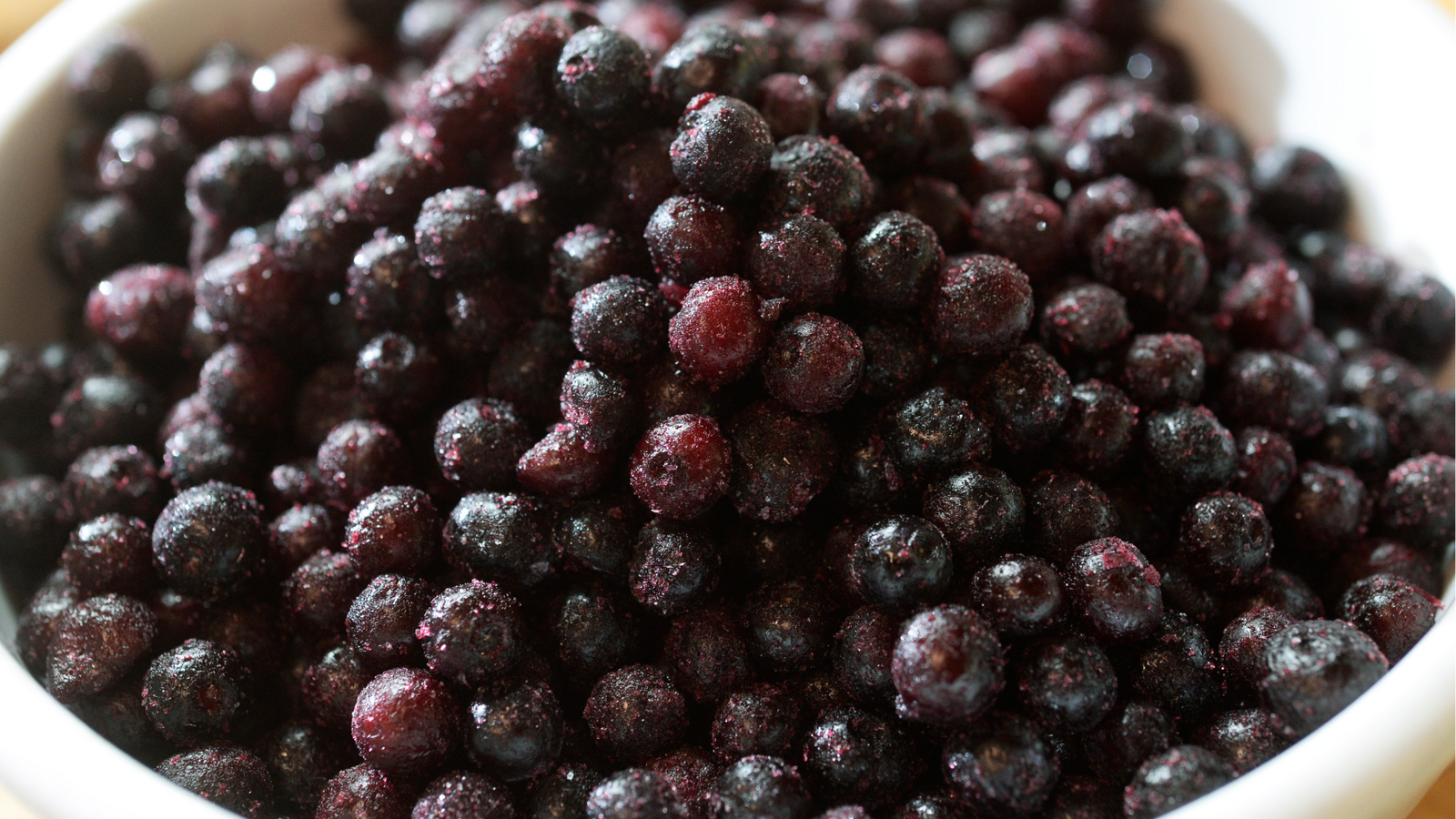
1 month agoThe FDA Has Issued The Highest-Level Recall For Frozen Blueberries In 4 States - Tasting Table
The FDA upgraded a frozen blueberry recall to Class I status due to Listeria monocytogenes contamination affecting 55,689 pounds across multiple states, posing serious health risks including potential death.
fromwww.bbc.com
2 months agoWoman hospitalised over dessert containing nuts
"A Bradford food business was recently the subject of a complaint from an individual with a nut allergy who was hospitalised after ordering a dessert dish. "Despite making the business aware of her allergy the complainant was served a 'Nutella' style topping instead of Belgian chocolate." It said undercover officers then visited the premises and replicated the customer's experience "The food product was submitted to the public analyst, where the presence of hazelnuts was confirmed."
Food & drink
fromTasting Table
1 month agoThese 3 Foods Are Most Commonly Linked To E. Coli - Tasting Table
E. coli - you don't want it. You really, really don't. Properly known as Escherichia coli, E. coli are bacteria found in the intestines of humans and animals. While many of them are harmless, some kinds can cause severe gastrointestinal illness, with the most dangerous pathogenic types - such as Shiga toxin-producing E. coli (STEC) - potentially leading to kidney failure and death, particularly among vulnerable groups such as children, the elderly, and those with compromised immune systems.
Public health


fromABC7 Los Angeles
2 months agoCA seeing surge in norovirus cases. The unexpected way it can spread through your household
"If you are actively sick with diarrhea or some kind of a GI-related condition, go ahead and separate those clothes from other healthy people in the household," said Emergency Medicine specialist Dr. Ali Jamehdor with Dignity Health St. Mary's Hospital in Long Beach. Some people let clothes sit in the hamper for weeks. He said that diarrhea-causing E. coli and salmonella can live that long in your laundry bin.
Public health
[ Load more ]