#fossil-fuel-taxes
#fossil-fuel-taxes
[ follow ]
#climate-change

World politics
fromwww.theguardian.com
6 days agoWorld held hostage by reliance on fossil fuels, Christiana Figueres warns and climate health impacts are mother of all injustices'
Countries' reliance on fossil fuels is causing health impacts from climate change, described as the mother of all injustices.
World politics
fromwww.theguardian.com
6 days agoWorld held hostage by reliance on fossil fuels, Christiana Figueres warns and climate health impacts are mother of all injustices'
Countries' reliance on fossil fuels is causing health impacts from climate change, described as the mother of all injustices.
fromwww.dw.com
8 hours agoIndia walked away from its bid to host COP33 here's why
One of the key reasons for India's withdrawal appears to be the steadily declining relevance of COP in driving meaningful global climate action. The complete erosion of trust among countries at the Belem summit in Brazil, where several nations reneged on previously agreed commitments, seems to have contributed significantly to this decision.
World politics
UK politics
fromLondon Business News | Londonlovesbusiness.com
14 hours agoBusiness leaders stay committed to net zero despite political headwinds - London Business News | Londonlovesbusiness.com
UK business leaders remain committed to net zero targets despite political uncertainty, focusing on commercial benefits and climate resilience.
London politics
fromwww.theguardian.com
18 hours agoOn the streets of Dublin I met fuel protesters and the people who support them yet our leaders still don't get it | Caelainn Hogan
Fuel protests in Ireland highlight the impact of high fuel taxes on farmers and the broader population, emphasizing the need for a transition to clean energy.
Gadgets
fromLondon Business News | Londonlovesbusiness.com
1 day agoUnderstanding the impact of smart technology on household energy consumption - London Business News | Londonlovesbusiness.com
Smart home technology requires user action and guidance to effectively reduce energy bills, rather than relying solely on devices for savings.



World politics
fromLondon Business News | Londonlovesbusiness.com
6 days agoMiddle East energy shock could reshape global system by 2050 - London Business News | Londonlovesbusiness.com
Prolonged disruption to Middle East energy supplies could halve oil and gas import dependence by 2050, shifting demand towards electrification and renewables.
fromwww.theguardian.com
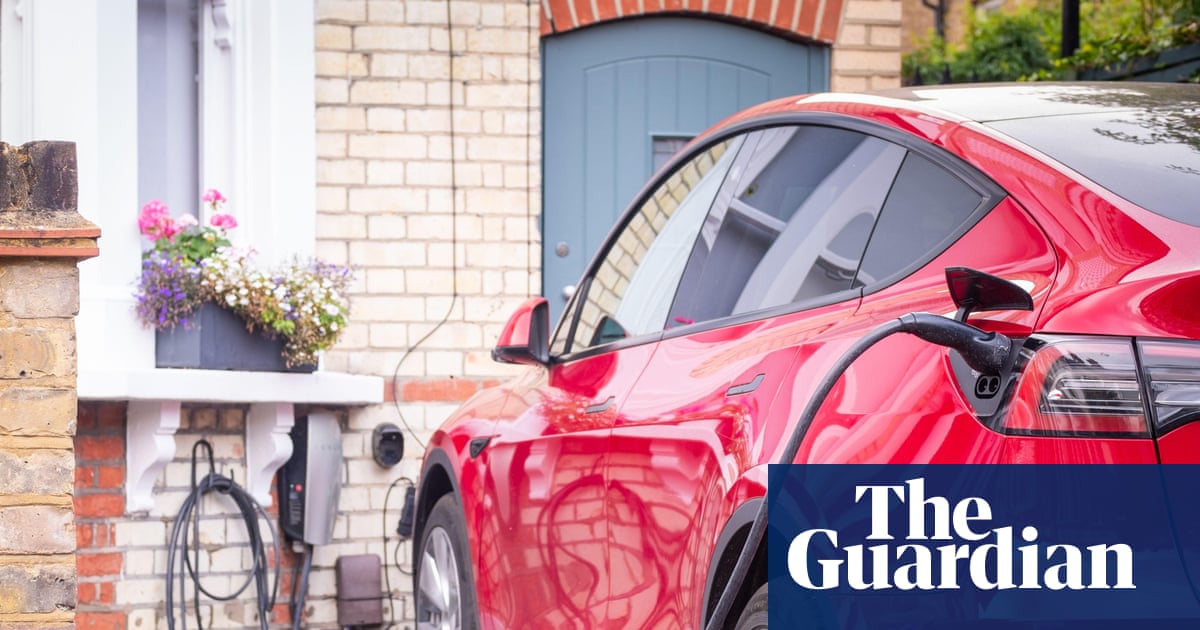
3 days agoRecord number of homes in Great Britain turn to green energy as fuel prices soar
Octopus Energy reported that its heat pump orders more than doubled in March compared to February, while sales of solar power systems increased by almost 80%. This trend reflects a growing consumer shift towards renewable energy solutions.
Environment
fromwww.kaltblut-magazine.com
1 month agoThe Climate Crisis
At a young age, I learned quickly how oil wealth and power could burn the land while people struggled. I saw heat rise off the streets, the Nile strained, and the air thickened with injustice. In my teenage years, through Aotearoa, being on the edge of the Pacific, I felt the ocean breathing heavy, swallowing the shores of islands that have done the least to cause this harm.
Photography
UK politics
fromwww.bbc.com
3 weeks agoGreens push for billions to be spent on energy support if bills rise
The Green Party leader calls for the government to set aside billions of pounds to support households against potential energy bill rises from Middle East conflict, funded through capital gains tax increases and energy firm profit taxes.
fromNature
1 week ago'Net zero' isn't madness: the staggering economic costs of climate change
The overarching message of The Economics of Climate Change: The Stern Review was that failing to invest in mitigating climate change would exact an alarmingly high price, estimated between 5% and 20% of global GDP per year.
Environment
#windfall-tax
Europe news
fromFortune
1 week agoEuropean ministers urge EU to impose windfall taxes on energy companies as prices spike 'to ensure that this burden is distributed fairly' | Fortune
European finance ministers are urging a bloc-wide windfall tax on energy companies to address rising oil and gas prices and inflation concerns.

fromwww.dw.com
1 month agoCan EU renewables outmuscle US oil and gas?
At a meeting at the Paris headquarters of the intergovernmental body dedicated to global energy security, Wright referred to the "destructive illusion" of the IEA's commitment to massively reducing greenhouse gas emissions sourced from fossil fuels. The US, one of 45 member and associate countries of the IEA that represent 75% of the world's energy demand, is threatening to withdraw from the body if it does not quit its energy transition goals in the next year.
Miscellaneous
Environment
fromLondon Business News | Londonlovesbusiness.com
2 weeks agoWhat decarbonisation means for the unseen machinery of trade - London Business News | Londonlovesbusiness.com
Decarbonisation in shipping relies on improving existing vessels' efficiency through retrofits, maintenance, and performance data rather than solely on new technologies.
fromwww.aljazeera.com
1 month agoUN approves first carbon credits under Paris Agreement market mechanism
The UN-run market allows companies and countries to offset their excess emissions by financing projects that cut greenhouse gases in other nations. The new initiative involves a clean cooking project in Myanmar, which distributes efficient cookstoves that reduce pressure on local forests. Implemented in partnership with a South Korean company, the project will generate credits that will count towards the climate targets of South Korea and Myanmar.
Environment
fromArs Technica
2 months agoStates want to tax fossil fuel companies to create climate change superfunds
Last year, the nonprofit Climate Central launched an online database to track the most costly weather- and climate-related disasters across the country. The effort was led by the same lead scientist who tracked those costs for the National Oceanic and Atmospheric Administration-until the Trump administration axed the project in May. In 2025, the US experienced 23 such disasters with costs totaling at least $1 billion, for a total of $115 billion, Climate Central concluded.
Environment
fromThe Atlantic
2 months agoThe Climate Question That Economists Cannot Answer
Most Americans now accept the basic physics of climate change-that manmade greenhouse-gas emissions are raising global temperatures. Yet the public discussion of climate change is still remarkably broken in the United States. Leaders of one political party frame climate change as an existential emergency that threatens human life and prosperity. Leaders of the other dismiss it as a distraction from economic growth and energy security. Economists like me, trained to think about trade-offs,
Environment
[ Load more ]