#french-film
#french-film
[ follow ]

fromwww.theguardian.com
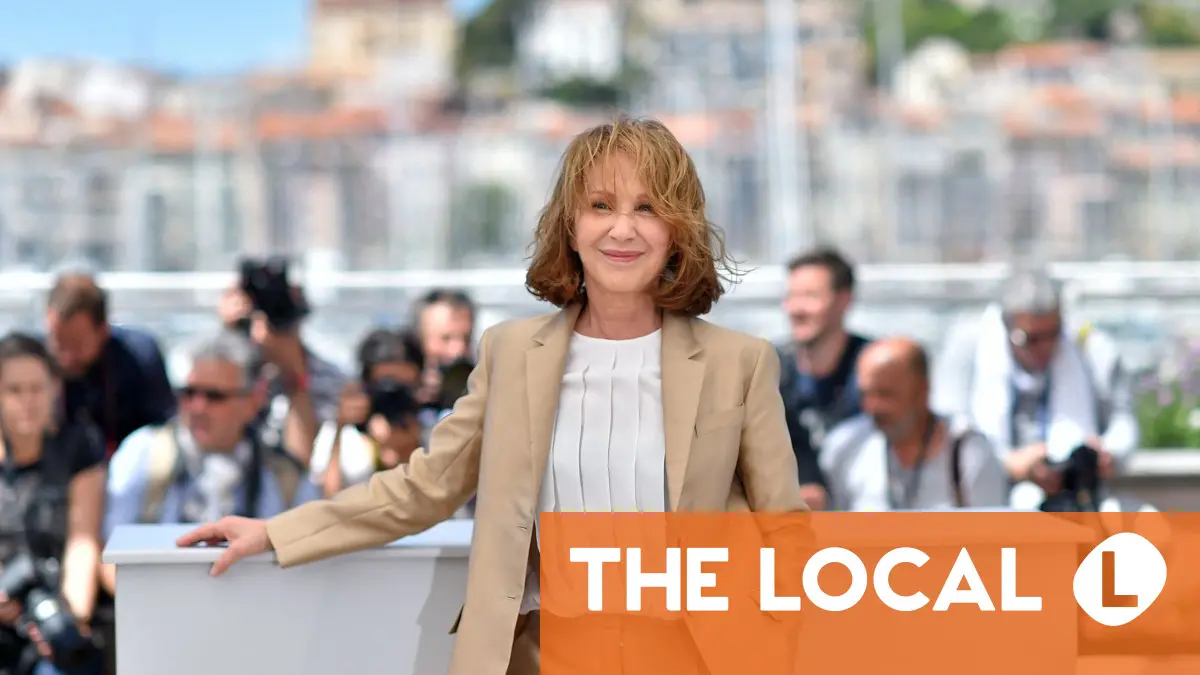
2 days agoFrench director of Nazi collaborator film rejects historical gaslighting' claims
Xavier Giannoli stated, 'My point of view is to tell the story of a collaborator in his world. The disgusting obscenity of people who were [partying] under the chandeliers eating caviar and petit fours during the Occupation.'
Independent films




fromFrenchly
2 weeks agoDirector Francois Ozon and Actress Rebecca Marder on 'The Stranger' - Frenchly
Camus famously summed up the story like this: A man who does not cry at his mother's funeral will be condemned. Thus, the novel begins: 'Mother died today. Or maybe yesterday, I don't know,' introducing Meursault's flat, noncommittal tone.
Books

France news
fromThe Good Life France
1 month agoBon weekend from France - a strange encounter - The Good Life France
The Good Life France Magazine Spring 2026 offers comprehensive travel guides covering diverse French regions from the Mediterranean coast to Normandy, featuring destinations, culture, recipes, and predicted travel trends.
fromIndieWire
1 month agoThierry Fremaux on Why 'Today, We Never Trust Images We See' - but We Can Trust the Lumiere Brothers and 'Apocalypse Now'
The invention of the Cinématographe was ready right away. The process of the invention was longer, and there were a lot of inventors before Lumière.
Independent films
fromArtnet News
1 month agoSofia Coppola Is Bringing 'Marie Antoinette' Back to Versailles
They let us shoot in places people weren't allowed to normally, like Marie Antoinette's private theater. They were like, 'This is your home.' The Versailles exhibition will screen several scenes from Coppola's film in the very rooms where they were staged, highlighting the deep connection between these storied grounds and her acclaimed creation.
Arts
fromwww.kaltblut-magazine.com
2 months agoUne Matinee Parisienne
Styling by Axelle using fashion by Nazarene Amictus, Victoria Amerson Design GmbH, Mossi, and Vintage pieces. The assistant stylist is Evan. The series explores the idea of haste and unintentional disorder in Paris, the moment when you rush downstairs, almost forgetting your trousers, because every minute counts. This sense of urgency, this I don't have time, becomes an aesthetic language. In Paris, style isn't calculated, and yet, nothing is ever left to chance.
Fashion & style
fromCN Traveller
2 months agoThe precision theatre of Parisian dining has entered an era of warm nostalgia
Past a sign for a family waterpark, a door opens onto an homage to fin-de-siècle Paris. Chandeliers are reflected in gilt-edged mirrors; there is a chorus line of lobsters and yards of fromage. Every so often, a waiter in a dinner suit flambées a crepe Suzette with a shock of flames, like a big top fire-eater. This is fine dining as buffet.
Food & drink
#brigitte-bardot
Media industry
fromwww.independent.co.uk
1 month agoBrigitte Bardot tribute booed at France's version of the Oscars
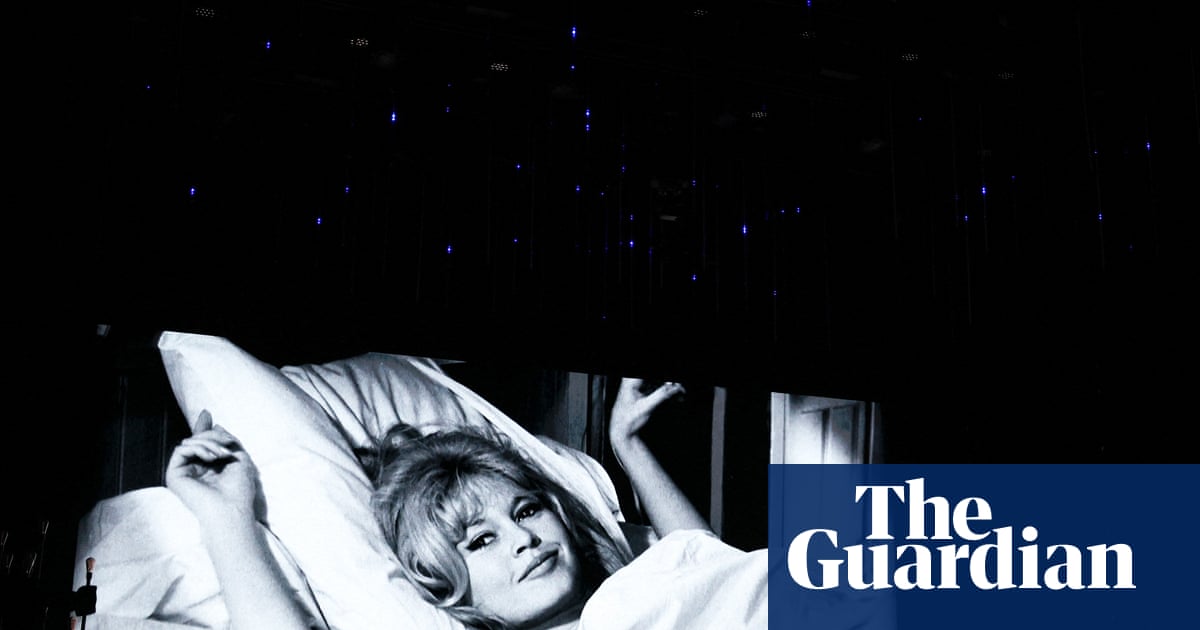
A tribute to Brigitte Bardot at France's Cesars ceremony was booed due to her controversial legacy of racist and offensive statements, despite her iconic status as a 1950s actress and animal welfare advocate.
Media industry
fromwww.independent.co.uk
1 month agoBrigitte Bardot tribute booed at France's version of the Oscars
A tribute to Brigitte Bardot at France's Cesars ceremony was booed due to her controversial legacy of racist and offensive statements, despite her iconic status as a 1950s actress and animal welfare advocate.
Travel
fromBusiness Insider
1 month agoI'm an American who's lived in Paris for nearly a decade. These 8 things have surprised me about living in the French capital.
Living in Paris involves long lunches, frequent fresh-baguette purchases, stylish everyday dress, less gym-focused fitness, and a lifestyle that inspired a capsule wardrobe.
:max_bytes(150000):strip_icc()/tl-paris-with-just-a-carry-on-tout-f9f5861e8cdf4666a62b5b0b7d67706e.jpg)

fromFrenchly
2 months agoParis Is Obsessed With Specialty Shops Again-Here Are 8 Worth Visiting - Frenchly
Paris didn't invent shopping (even if it sometimes feels that way), but it arguably invented the specialty shop as we understand it today. Long before concept stores, lifestyle retail, or anything resembling "curation" entered the vocabulary, Paris was already organized around doing one thing extremely well -and it still is. From cheesemongers to winemakers and beyond, specialization remains the point.
Miscellaneous
fromFrenchly
2 months agoWhere the French Actually Go on Vacation - Frenchly
In reality, most French people do not spend their summers chasing iconic landmarks or ticking destinations off a bucket list. Their idea of a successful vacation is quieter, slower, and often much closer to home. Rather than Paris or Saint-Tropez, they favor rural regions, discreet coastlines, forested hills, and mid-sized towns where life moves at a gentler pace, often staying in family homes, rented gîtes, camping sites, or small guesthouses.
Travel
fromThe Local France
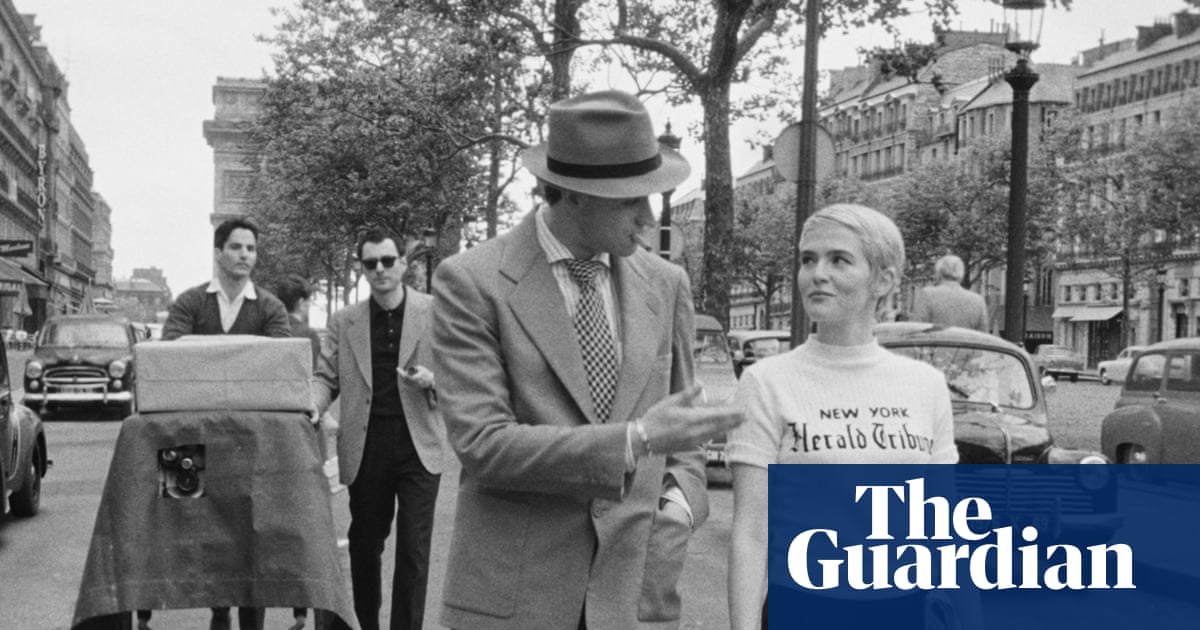
2 months agoMoving from the USA, movie magic, and festivals: 6 essential articles for life in France
Whether you're thinking of moving for work, for political reasons - and the French are very sympathetic to Americans' situation - or for love (of a person or of croissants), here's our checklist of how to move to France as an American Checklist: How to move to France as an American Is there a legal way of avoiding inheritance tax in France by passing your property onto your children while you're still alive?
France news

fromPARIS BY MOUTH | WE'RE DELICIOUS
1 month agoBest Restaurants Near the Louvre | PARIS BY MOUTH
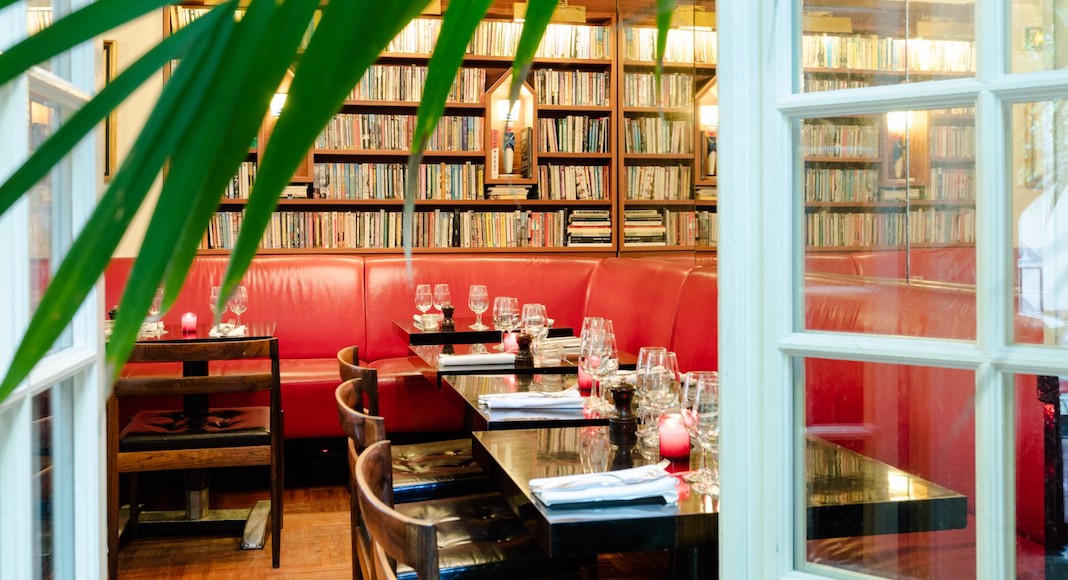
The streets around the Louvre have improved considerably as a dining destination. It's still true that the neighborhood rewards those who know where to look - the blocks immediately adjacent to the museum are thick with tourist traps - but a short walk in almost any direction opens up genuinely good options.
Paris food
fromThe Art Newspaper - International art news and events
1 month agoThe year of Andre Malraux: France salutes its pioneering intellectual with exhibitions and more
At the official launch last November, the current culture minister Rachida Dati described the imperative behind the programme as not just celebrating an uncommon visionary but the "burning relevance" of his legacy: "a commitment to continuing to nurture this demanding idea of what culture is".
France news
France news
fromThe Local France
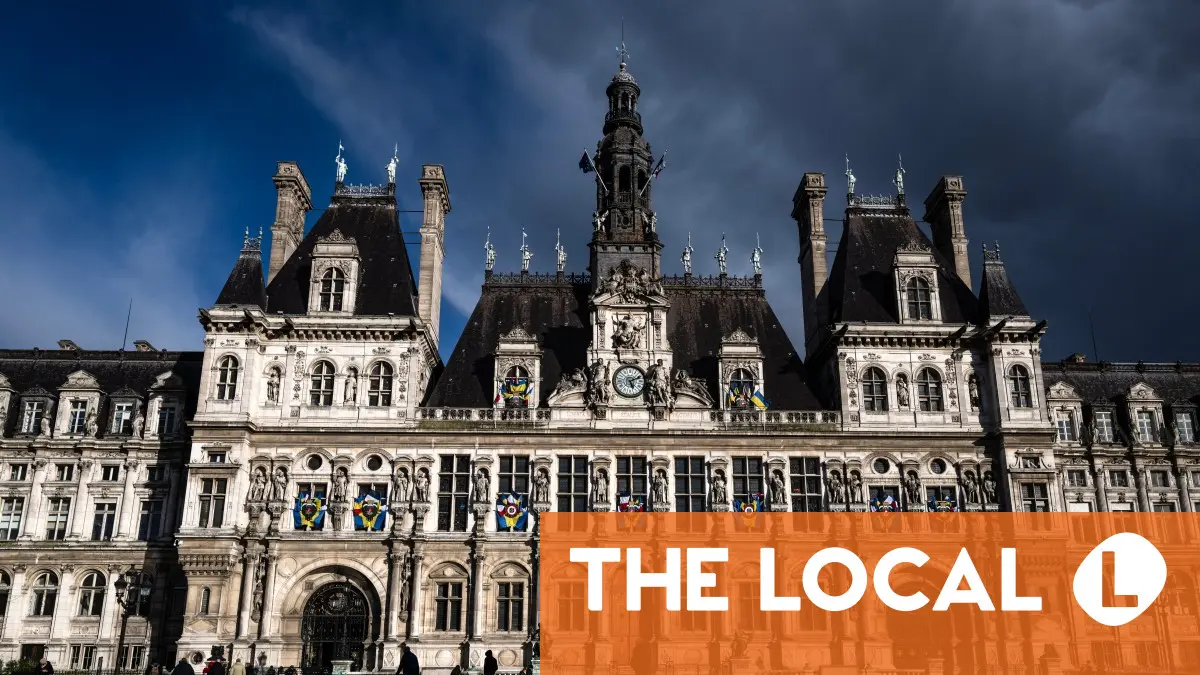
1 month agoREVEALED: What makes the French proud?
French people take greatest pride in their history of ideas, particularly the Declaration of the Rights of Man and the Citizen and the French Revolution's democratic legacy, rather than physical heritage or cultural stereotypes.
fromFrenchly
2 months agoA Guide to Belleville, Paris's Bohemian Enclave - Frenchly
Belleville has always been a little bit rowdy, whether it meant to be or not. Long before it was folded into Paris in 1860, it existed as its own working-class wine village perched on a hill, slightly removed from the city both geographically and ideologically. In recent years, as Paris's 10th and 11th arrondissements have slid fully into hipster territory, and even the gritty Barbès neighborhood feels increasingly polished, Belleville has held onto its identity with surprising resolve.
France news
fromThe New Yorker
1 month agoRaymond Depardon's Documentary Confrontations with Power
Films seen long ago but unavailable for rewatching often loom large, like myths shadowed by fear: Will a second viewing confirm or dispel the initial impression? I first saw "Caught in the Acts" ("Délits flagrants"), a documentary by the French director Raymond Depardon, in Paris, a few months after it opened there, in 1994, and it struck me as one of the greatest documentaries I'd ever seen.
Film
fromThe Good Life France
1 month agoThe fascinating history of French cakes and sweets - The Good Life France
Suddenly, a strange, loud, rhythmic, prolonged noise, like the dying moan of an organ, then the dying wail of the breeze sighing in the cloisters, struck the indignant ears of the nuns with astonishment. The nuns all turned to stare at Sister Agnès, who in her embarrassment, tripped and let fly a spoonful of her chou pastry dough into a pot of boiling fat, and the doughnut-like pet de nonne, 'nun's fart' was born.
Paris food
fromparisbymouth.com
1 month agoMasaikuta
Chef Masa Ikuta brings serious classical training honed under Bruno Verjus at Table and Stephane Jego at L'Ami Jean to his own tasting menu restaurant in the 11th arrondissement. The cooking is confidently French-Japanese, moving from sardine churros with Cantabrian anchovy cream to veal brain tempura styled after shirako to a perfectly grilled lamb rack with smoky harissa.
Paris food
[ Load more ]